START HERE
Why visit Belize
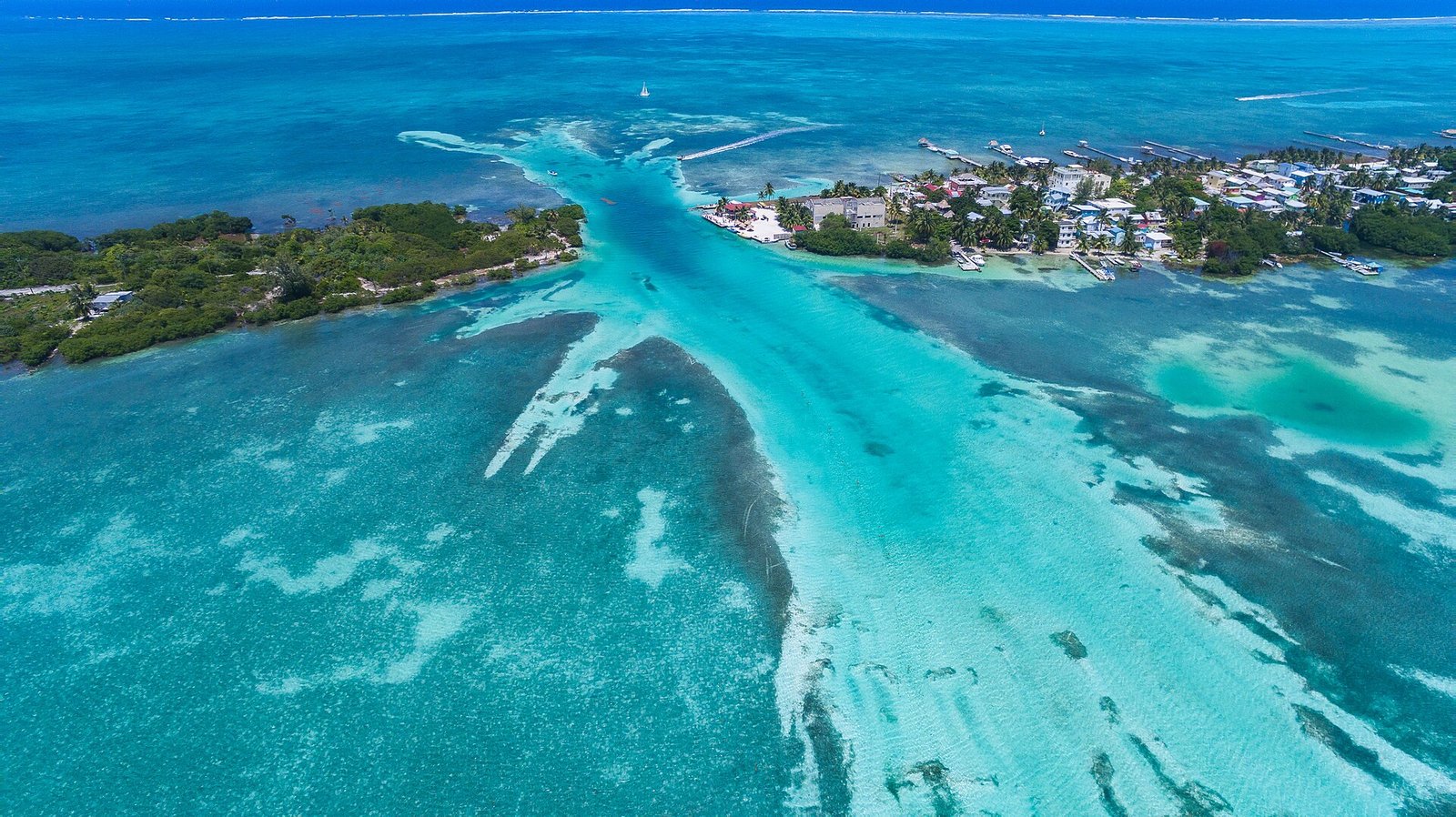
Belize delivers two distinct trips in one compact country: Caribbean cayes and barrier-reef ecosystems offshore, then Maya sites, caves, rivers, and rainforest in the interior. English is the official language and the Belize dollar is fixed to the U.S. dollar, which simplifies planning for many North American visitors, but transfers between boats, domestic flights, buses, and inland lodges still require care. Belize suits snorkelers, divers, active families, couples, and travelers who prefer nature to large cities. Seven days can combine San Ignacio with one caye; ten days creates a far more useful rhythm and leaves room for weather. This guide explains where to stay, when marine and inland conditions are best, how to move between BZE airport, Cayo, Caye Caulker, Ambergris Caye, and Placencia, and what a realistic trip costs. The biggest mistake is changing bases too often: every boat or road transfer consumes usable daylight, so select one inland base and one coastal base before adding a third.
AT A GLANCE
Belize quick travel summary
The BZ$2 to US$1 peg makes rounded comparisons simple. Confirm whether a price uses Belize or U.S. dollars because the dollar sign alone can be ambiguous.
WHEN TO GO
Best time to visit
Drier high season (December–February)
Lower rainfall and cooler evenings create strong conditions for reef trips, Maya sites, and jungle walks. Winter demand raises lodging and tour prices, especially over Christmas and New Year. Northerly weather systems can still create wind or rough seas, so boat cancellations remain possible. Reserve popular lodges and holiday transfers early, but keep the first marine day movable rather than assuming every departure will operate.
Late dry season (March–April)
March and April are hotter and typically dry, with excellent visibility possible for marine activities and more intense heat at inland archaeological sites. Easter brings domestic travel and busy beaches. Start Xunantunich or cave days early, carry water, and book licensed reef outings. This is a strong period for a first trip, but air-conditioned rooms and shaded midday breaks can materially improve comfort.
Early wet season (May–August)
Humidity and showers increase from May, while June through November overlaps the Atlantic hurricane season. Rain often arrives in bursts, yet storms can affect roads, flights, and boats. Prices may soften and the landscape becomes lush. Divers and budget travelers can find value when they keep insurance and schedule flexibility. Do not place an international flight immediately after a caye boat connection during uncertain weather.
Peak rain and transition (September–November)
September and October bring the highest disruption risk, with some businesses reducing hours and tropical systems requiring close monitoring. November can transition toward better conditions and attractive prices, but patterns vary. This period suits flexible travelers more than tightly scheduled first visits. Buy suitable insurance, follow official weather advice, and choose refundable transfers and lodging where possible.
ARRIVING
How to get there
Most international travelers arrive at Philip S. W. Goldson International Airport, roughly outside Belize City rather than in its center. Prebooked shuttles and authorized taxis are the simplest way to San Ignacio, Belize City water-taxi terminals, or nearby hotels. Domestic flights connect BZE with San Pedro, Caye Caulker, Placencia, and other regional airstrips; they save time but cost more and carry baggage restrictions. Water taxis leave Belize City for the northern cayes, so allow enough road time from the airport and never assume a same-day final sailing without checking the operator’s current schedule. Public buses are inexpensive for overland routes but generally depart from town terminals, not directly from the airport. The easiest first-day plan is a verified shuttle to San Ignacio or a reserved transfer to the water taxi. The cheapest is bus plus local transfer, suitable for daylight arrivals with limited luggage. Complete Belize’s official immigration and customs declaration through the free authorized system when required.
MOVING AROUND
Getting around
Belize rewards a mixed-transport itinerary. Use a prebooked shuttle or intercity bus between Belize City and San Ignacio, a water taxi or short flight for Caye Caulker and Ambergris Caye, and local carts, bicycles, or walking on the islands according to rules. San Ignacio is walkable in its center, while Xunantunich, caves, and reserves need a guide, taxi, bus combination, or rental car. Driving occurs on the right. Main highways are straightforward, but rural access, speed bumps, rain damage, and night visibility require caution. Water-taxi luggage procedures and domestic-flight limits should be checked before packing. On small cayes, bicycles and golf carts share narrow roads with pedestrians; slow down. For a ten-day trip, travel BZE to Cayo first, then transfer once to the coast and keep the last night close enough to the airport to protect the international departure.
CHOOSE A BASE
Where to stay
San Ignacio — best for Maya sites and inland adventure
San Ignacio is the practical hub for Xunantunich, Cahal Pech, caves, rivers, and western Belize. Guesthouses and lodges cover several budgets, with restaurants and tour operators in town. The coast requires a separate transfer, and remote jungle lodges may limit spontaneous dining. Choose central San Ignacio for flexibility or an outlying lodge for nature, confirming transport before booking.
Caye Caulker — best for a relaxed, lower-key island base
Caye Caulker is compact, largely walkable, and convenient for reef tours without Ambergris Caye’s scale. It suits backpackers, couples, and travelers comfortable with simple beach infrastructure rather than a broad sandy resort shoreline. Popular rooms and boats fill in high season, and weather can interrupt connections. Stay here for slow evenings and two or three marine days, not for nightlife variety.
San Pedro or Placencia — best for services or a beach extension
San Pedro on Ambergris Caye offers the widest range of restaurants, dive operators, and accommodation, but traffic and prices are higher. Placencia has a mainland peninsula setting, broader beach rhythm, and access to southern reef trips, yet requires a longer transfer. Choose one according to the wider route. Adding both to a short trip creates too many transport days.
PLAN YOUR DAYS
Best things to do
Snorkel Hol Chan Marine Reserve with a licensed operator
Hol Chan protects coral reef, seagrass, and mangrove habitats south of San Pedro and is one of Belize’s signature marine experiences. A licensed half-day trip generally combines a guided snorkel with another approved stop, but routes depend on conditions. Reserve through a reputable operator, confirm marine fees and equipment, and follow the guide’s no-touch rules. Never feed or handle wildlife. Confident swimmers benefit most, while beginners should disclose ability and request flotation support.
Visit Xunantunich from San Ignacio
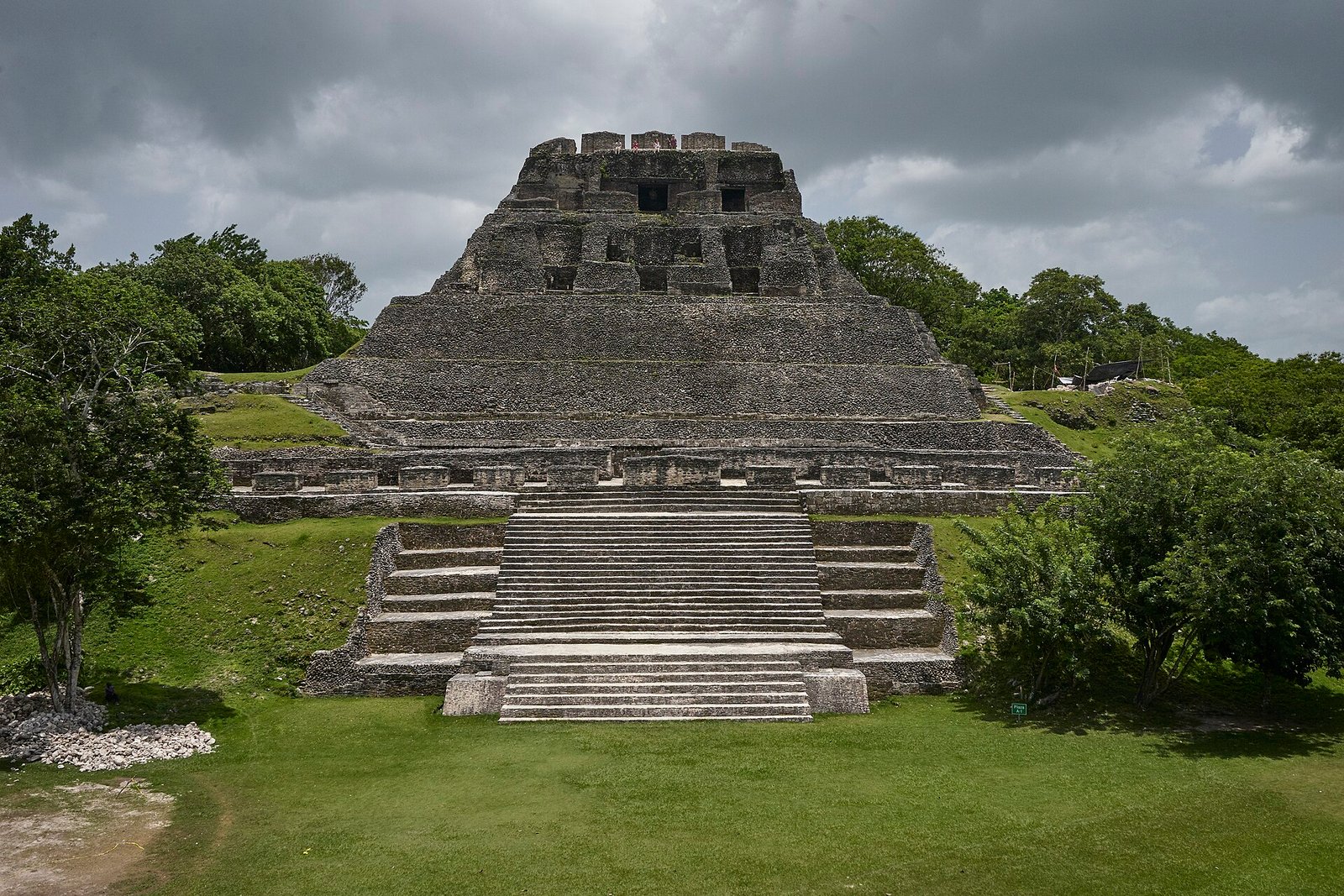
Xunantunich combines ceremonial architecture, wide views, and a hand-cranked ferry crossing of the Mopan River near San Jose Succotz. Allow three to four hours including transport, longer with a guide. The official archaeological authority publishes hours, ticket categories, and safety rules; buy through the official system where available and arrive early for cooler conditions. Closed shoes and water are essential. The site suits history-focused families and independent travelers, though uneven surfaces and steep structures limit access.
Add Cahal Pech for a quieter Maya-site perspective
Cahal Pech sits close to San Ignacio and can fit into a half-day without a long transfer. Its interconnected plazas and forested setting help visitors understand Maya architecture at a human scale. Allow two hours and check the seasonal official hours and ticket price. Start early or visit late afternoon, but respect last-entry rules. It pairs well with a town food stop and is useful when a full-day Caracol journey would overload the itinerary.
Choose a cave experience that matches your ability
Belize’s cave systems range from guided tubing at Nohoch Che’en to physically demanding archaeological routes. Rules, swimming ability, minimum height, equipment, and guide requirements vary. Book a licensed operator, disclose medical or mobility limitations, and do not select a trip from dramatic photos alone. Nohoch Che’en requires guides and safety equipment under official rules. Allow most of a day once transfers are included and expect weather-related changes.
Spend an unhurried day on Caye Caulker or Ambergris Caye
Island time is most rewarding when it is not used merely as a boat-transfer platform. Walk or cycle the local streets, choose a responsible food stop, swim only in suitable designated areas, and leave space for sunset. A full free day between reef excursions protects the trip from wind cancellations. On Ambergris Caye, golf-cart traffic and longer distances make planning more important; on Caye Caulker, shade and swimming access vary by location.
A PRACTICAL ROUTE
Suggested itinerary
Arrive and settle into San Ignacio
Prebook a direct airport shuttle and use the first evening for town orientation. On the next morning, visit Cahal Pech and the market area, then confirm the following day’s guide and weather rather than adding another distant site.
Xunantunich and the Mopan Valley
Leave early for Xunantunich, cross by ferry, and spend enough time in the main plazas with context. Add a village lunch or a gentle river activity nearby. Return to San Ignacio before dark.
Cave or reserve day
Take one properly licensed full-day cave, river, or wildlife excursion matched to ability. Keep the evening light because transfers and humid conditions make this more tiring than the distance suggests.
Transfer from Cayo to the coast
Travel to Belize City and continue by a confirmed water taxi, or use a booked domestic flight from the appropriate airport. Do not add a reef tour on transfer day. Settle into Caye Caulker or San Pedro.
Hol Chan marine day
Join a licensed morning or half-day trip, listen to the site briefing, and avoid touching reef or wildlife. Keep the rest of the day free for weather delays, a slow meal, and recovery from sun exposure.
Island day without a schedule
Walk, cycle, or use a golf cart responsibly, visit local businesses, and choose safe swimming access. This unscheduled day can absorb a rescheduled reef trip if the previous day was cancelled.
Second water activity or cultural outing
Certified divers can reserve an appropriate dive; other travelers can choose another guided snorkel, fishing, cooking, or conservation-focused activity. Avoid duplicating the same reef experience simply to fill time.
Return toward the departure gateway
Travel back to the mainland or an airport-adjacent stay with enough buffer for boat or flight disruption. If conditions are stable, add a short Belize City museum visit through verified transport rather than carrying luggage around.
Depart with a protected connection
Leave a generous margin for road traffic, domestic-flight changes, security, and check-in. Keeping the final night off a remote island reduces the risk of missing the international flight.
REALISTIC BUDGET
Estimated travel costs
Belize dollar figures convert at the official BZ$2 to US$1 peg and are rounded. Confirm whether an operator’s dollar sign means BZD or USD, and check whether taxes, marine fees, equipment, and transfers are included.
TRAVEL WELL
Practical travel tips
- Always ask whether a quoted “$” means Belize or U.S. dollars. The values differ by exactly two to one under the official peg.
- Build at least one flexible coastal day because wind and sea conditions can cancel reef departures even during the dry season.
- Use licensed guides for marine reserves, caves, and controlled archaeological experiences; follow equipment and ability requirements.
- Do not touch coral, stand on reef, feed sharks or rays, or chase turtles. A close photograph is not worth damaging protected habitat.
- Carry smaller notes because large U.S. bills can be difficult for small businesses to change, and change may be returned in Belize dollars.
- Avoid driving rural roads after dark; unlit bicycles, pedestrians, animals, speed bumps, and road damage can be difficult to see.
- Solo women travelers should prebook airport transfers, verify boat operators, and avoid isolated waterfront or road sections after dark.
- Accessibility varies widely across boats, docks, sand, caves, and Maya structures; request exact boarding and terrain details before purchase.
COMMON QUESTIONS
Belize travel FAQ
How many days do you need in Belize?
Seven days can combine San Ignacio with one caye, but ten days is more practical. It allows three inland days, four coastal days, transfer time, and a weather buffer.
Should you stay on Caye Caulker or Ambergris Caye?
Caye Caulker suits a smaller, slower, often less expensive stay. Ambergris Caye offers more restaurants, accommodation, and dive operators but more traffic and higher prices. Both access major reef trips.
Is Belize expensive?
Belize can be expensive for guided caves, private shuttles, domestic flights, and reef activities. Buses, guesthouses, local meals, and choosing one caye instead of several reduce costs.
What is the best month to visit Belize?
February and March generally offer drier conditions and strong marine access, with high-season prices. May and November can bring value but require greater rain and storm flexibility.
Do you need a rental car in Belize?
No for the classic San Ignacio-and-caye route. Shuttles, buses, water taxis, and domestic flights cover it well. A car helps with an independent mainland road trip but cannot replace island transport.
Is Belize safe for solo female travelers?
Many solo travelers use the main tourism route successfully. Prebook late transfers, use licensed operators, avoid isolated areas after dark, protect valuables, and share plans for caves, reefs, or jungle excursions.
KEEP EXPLORING
Related The Wander Muse guides
CHECK BEFORE DEPARTURE
Sources and official resources
Schedules, fares, closures, access rules, and reservations affecting Belize can change. Recheck the official resources below shortly before departure.