START HERE
Why visit Guanacaste
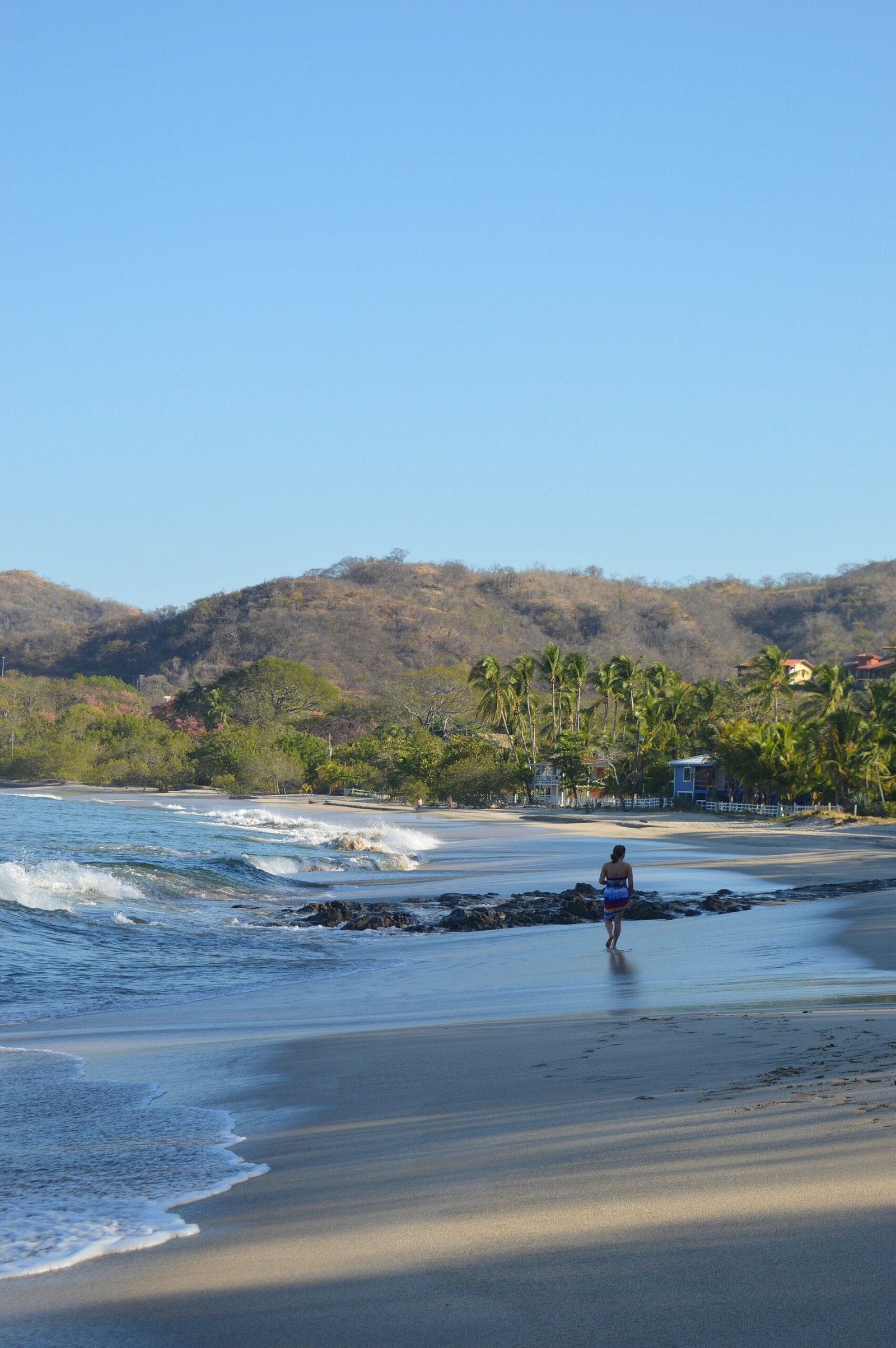
Guanacaste combines Costa Rica’s driest Pacific landscapes with surf towns, quiet coves, tropical dry forest, volcanic activity, and direct international access through Liberia. It is well suited to couples, families, surfers, wildlife travelers, and first-time Costa Rica visitors who want both beach time and an inland nature day. The province is much larger than a single resort corridor, so choosing a base matters: Tamarindo, the Papagayo area, and the Nicoya Peninsula cannot be treated as neighboring stops. Six days produce a comfortable beach-and-volcano trip; seven to nine days allow a second coast base without constant transfers. This guide explains dry and green season trade-offs, airport transportation, realistic colón and dollar budgets, the advantages of renting a car, and a route that groups sights by geography. Road quality changes quickly away from main corridors, and national-park entry systems may require advance online purchase, so verify official conditions before committing to a remote drive.
AT A GLANCE
Guanacaste quick travel summary
Dollar equivalents use a deliberately rounded ₡450 per US$1 planning rate based on late-July 2026 official bank windows. Actual card, cash, and merchant rates vary.
WHEN TO GO
Best time to visit
Dry season (December–March)
Guanacaste’s dry season brings hot, sunny days, dusty landscapes, and dependable beach weather. It is also the busiest and most expensive period, especially over Christmas, New Year, and North American school breaks. March is typically very hot and dry. Reserve cars, park entry, and popular coastal rooms early. This period favors surfing, sunset sailing, and volcano trails, but start strenuous activities early and treat wildfire or wind advisories seriously.
April transition
April remains hot and often dry early in the month, with rain becoming more likely as the transition progresses. Easter week can be one of the region’s busiest domestic travel periods, affecting roads, beaches, and rates. Later dates may offer value but not guaranteed green scenery. Build shade and pool time into the afternoon, carry water on every drive, and avoid assuming that an unpaved road remains easy after the first significant rains.
Green season and veranillo (May–August)
May and June turn the landscape green, usually with clearer mornings and afternoon showers. July and August can bring a relative reduction in rain known as veranillo, although weather remains variable. Prices may soften outside school holidays, and wildlife-focused trips benefit from lusher conditions. Begin beaches and hikes early, keep a flexible afternoon plan, and use a suitable vehicle when lodging or trailheads require unsealed roads.
Rainiest period and transition (September–November)
September and October are generally the wettest Pacific months, with heavier rain capable of damaging roads or cancelling water activities. Some businesses reduce operations. November transitions toward drier conditions and can be an excellent value window when access is normal. Travelers should verify road and park status, avoid river crossings in a vehicle, and leave schedule space rather than locking every day to a nonrefundable outdoor tour.
ARRIVING
How to get there
Guanacaste Airport (LIR) lies about 12 kilometers west of Liberia and is the most convenient gateway for the province. The airport lists authorized taxis, private and shared shuttles, rental cars, and public buses. A Liberia–airport bus uses the main corridor at published intervals and is the cheapest option, but reaching an individual beach often requires a second connection. Prebooked shuttles are easiest for resorts and travelers who do not want to drive; confirm whether the quote is private or shared and whether delays are covered. Rental cars provide the greatest flexibility, but compare mandatory insurance, deposit, roadside assistance, and after-hours return terms before paying. San José’s SJO airport is possible for a wider Costa Rica itinerary, yet the overland journey to Guanacaste is long and traffic-sensitive. Do not book a same-day remote ferry or park entry after an international arrival. For late flights, sleep near Liberia or arrange a verified direct transfer.
MOVING AROUND
Getting around
Main coastal highways are paved, while access to smaller beaches, lodges, and trailheads can include gravel, potholes, dust, or seasonal washouts. A standard car is adequate for many popular routes in the dry season, but a higher-clearance vehicle is useful when the accommodation confirms rough access. Never cross a flooded road. Public buses link Liberia with several towns and beaches at low cost, but frequencies and transfers make them best for slow travel from one base. Shared shuttles work between tourism hubs; private transfers cost more but reduce connections. Official taxis should be used from the airport, and rideshare availability or legal treatment can change. Walking is practical within beach towns, not between them. Bicycles face heat and fast roads. For a seven-day first trip, choose one primary beach base, use a car or tours for two inland days, and avoid changing hotels more than once.
CHOOSE A BASE
Where to stay
Tamarindo or Playa Langosta — best for first-time convenience
Tamarindo offers surf schools, restaurants, tours, supermarkets, and a broad lodging range, while neighboring Langosta is quieter. It is the easiest base for travelers who want services and do not mind a developed beach town. Traffic, nightlife noise, dust, and peak-season prices are the main drawbacks. Stay here for lessons, social evenings, and easy tour pickup; choose a side street or Langosta if sleep matters.
Playas del Coco, Hermosa, or Papagayo — best for airport access
This northern cluster is convenient to LIR and useful for short trips, families, diving, and resort stays. Coco has practical services and nightlife; Hermosa is calmer; Papagayo properties emphasize seclusion and polished facilities. Public beach access and resort geography vary, so inspect the map carefully. The area is farther from southern surf towns, and high-end resort dining can raise costs.
Sámara or Nosara — best for a slower Nicoya stay
Sámara provides a relatively gentle bay and an easygoing town, while Nosara is known for surf, yoga, and dispersed upscale lodging. Both reward travelers with at least several nights because transfers from LIR and northern sights take time. Roads and prices vary, especially in rain. Choose Sámara for a compact family-friendly base and Nosara for wellness or surf, not as daily add-ons to Tamarindo.
PLAN YOUR DAYS
Best things to do
Explore Rincón de la Vieja National Park
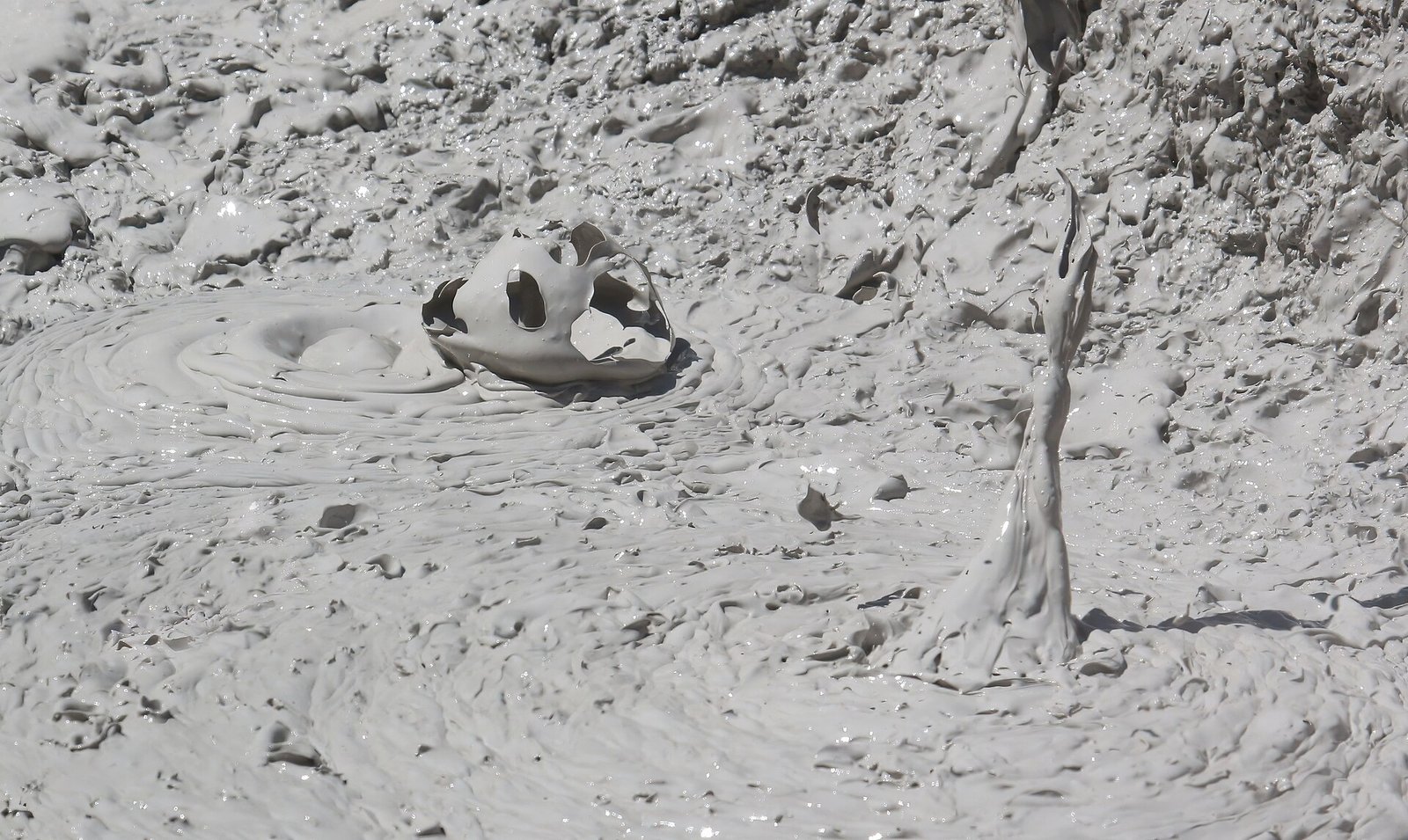
Rincón de la Vieja protects volcanic features, dry and humid forests, waterfalls, and wildlife across separate visitor sectors. Las Pailas’ roughly three-kilometer loop is the most practical first visit and takes about two hours before extra trails. The official system requires online ticket purchase, and sectors have different closed days and hours. Leave early from the coast, carry water and closed shoes, and check volcanic or weather restrictions. The park suits active travelers; families should match trail length to heat and mobility.
Learn to surf or watch sunset in Tamarindo
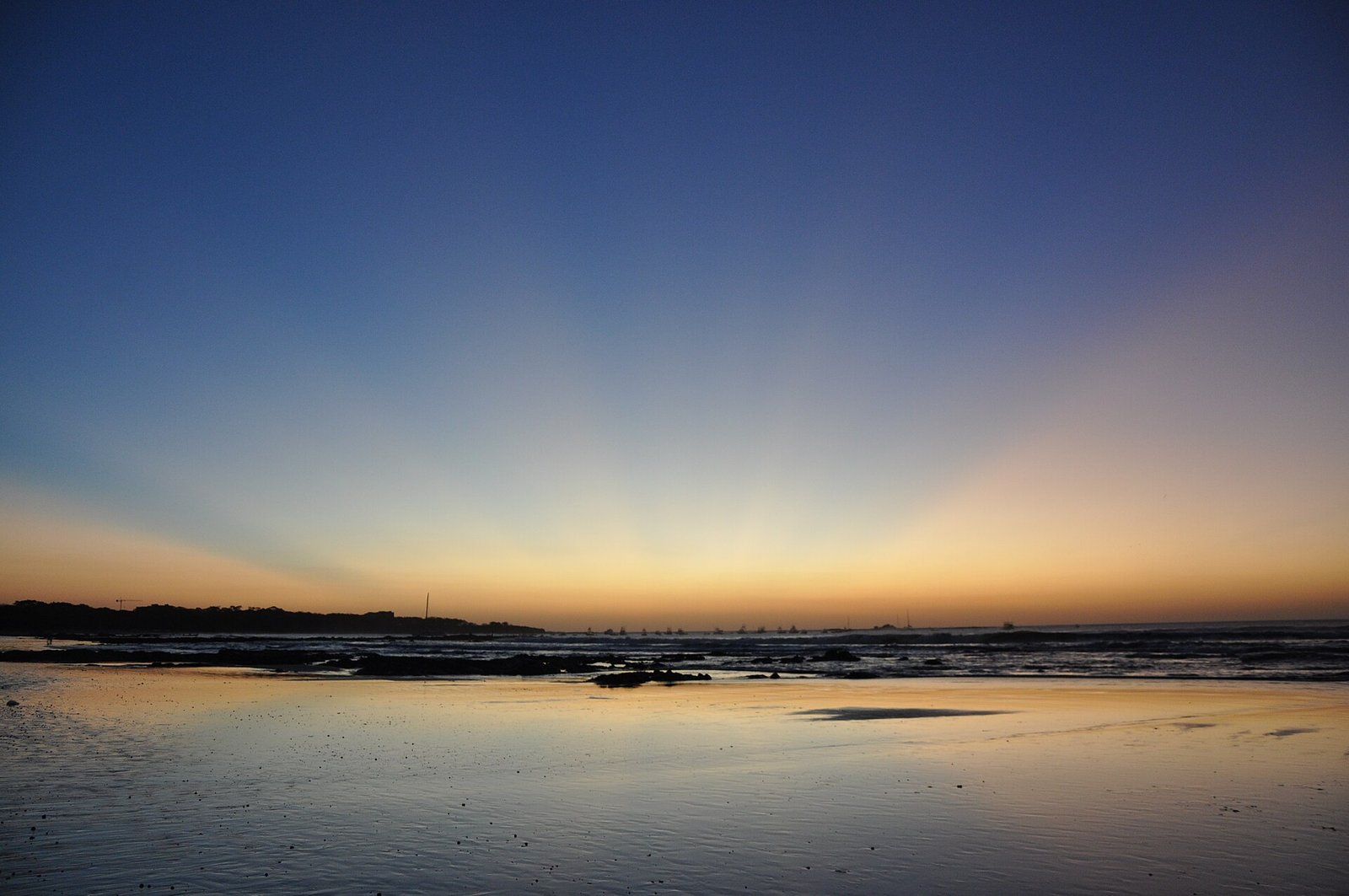
Tamarindo’s broad beach and tourism infrastructure make it an accessible place for a first surf lesson, estuary outing, or sunset walk. Reserve a reputable lesson that includes appropriate equipment and instruction, and allow two to three hours. Tide, current, and crowded zones change the safest location. Swimmers should follow lifeguard or local guidance rather than copying surfers. Arrive before peak afternoon traffic and keep valuables out of unattended beach bags.
Visit the Tamarindo estuary or Las Baulas landscape responsibly
Mangroves, estuary channels, and protected nesting habitat add ecological depth beyond the resort strip. Use an authorized guide or operator, follow seasonal access rules, and never approach nesting turtles without an approved program. A guided boat or kayak outing generally takes two to three hours and is best in cooler morning conditions. Wildlife sightings are never guaranteed. This experience suits birders, families, and travelers who want context, provided the activity follows current conservation rules.
Choose one Papagayo-area beach and water activity
The Gulf of Papagayo offers sheltered bays, snorkeling, diving, sailing, and resort services. Select one beach or one boat excursion rather than racing around the peninsula. Half a day is enough for a swim-and-lunch visit; sailing or diving usually needs longer and advance booking. Public access, parking, shade, and facilities differ by beach. Confirm cancellation terms, marine conditions, and whether equipment and park or marina fees are included.
Spend a focused day in Sámara or Nosara
The southern portion of Guanacaste has a different rhythm from Liberia and Papagayo. Sámara works for swimming, paddling, and a compact village day, while Nosara favors surfing, yoga, and nature-focused stays. Reaching either from a northern base consumes significant time, so visit only as an overnight extension or a dedicated full-day trip with realistic road conditions. Reserve wellness classes or surf sessions and avoid driving unfamiliar rural roads after dark.
A PRACTICAL ROUTE
Suggested itinerary
Arrive through Liberia
Collect the car or meet the verified transfer, then travel directly to the chosen northern or Tamarindo base. Shop for water and breakfast supplies before settling in. Avoid adding a remote sunset stop after a long flight.
Beach-town orientation
Start with a guided surf lesson, gentle swim, or coastal walk appropriate to the base. Use the afternoon for shade, local food, and tour confirmations. Watch sunset from the same corridor rather than driving between towns in the dark.
Rincón de la Vieja
Depart early with the online park ticket and closed shoes. Walk the Las Pailas route or another officially open trail, then add a verified hot-spring or waterfall stop only if timing and weather remain comfortable. Return before nightfall.
Estuary and relaxed coast
Book a morning mangrove or wildlife outing, then keep the afternoon free for the beach. This pairing works because both activities stay near the same coastal base and leaves room for rain or tour delays.
Papagayo water day
Travel north for one selected Papagayo beach, snorkeling trip, dive, or sailing experience. Confirm parking and public access before departure. Dine in the same area or return before evening traffic builds.
Move south or deepen the first base
Travelers with seven or more nights can transfer to Sámara or Nosara and stop once along the way. Everyone else should keep the current base and choose a second surf, wellness, or quiet-beach day without another long drive.
Final swim and airport buffer
Use a nearby beach for an early walk, then allow time for fuel, vehicle inspection, and the airport. LIR is close to Liberia but coastal traffic and rental returns make a generous buffer worthwhile.
REALISTIC BUDGET
Estimated travel costs
Costa Rican colón conversions are rounded using roughly ₡450 per US$1 for planning, not a promised transaction rate. Ask whether tourism prices are quoted in dollars or colones and compare the final card conversion.
TRAVEL WELL
Practical travel tips
- Reserve Rincón de la Vieja through the official online system and check the selected sector’s closed days; Las Pailas and Santa María operate differently.
- Ask the accommodation for current road conditions before choosing a vehicle. A map may not reveal recent washouts, steep gravel, or river crossings.
- Do not drive through floodwater, even if another vehicle crosses. Green-season rain can change an ordinary road rapidly.
- Use local currency for small businesses and buses when practical, but confirm whether hotel and tour quotes are in U.S. dollars or colones.
- Sun, wind, and dry heat cause dehydration quickly. Carry more water than a beach-only day suggests and start volcano hikes early.
- Never approach nesting turtles or enter protected beach sections outside authorized rules; use approved guides where access is controlled.
- Solo female travelers should arrange late-night transfers, avoid isolated beach approaches after dark, and share remote driving plans.
- Accessibility varies by sand, gravel, hanging bridges, and volcanic trails; request precise surface and step information before paying.
COMMON QUESTIONS
Guanacaste travel FAQ
How many days do you need in Guanacaste?
Six or seven days allow one main beach base, Rincón de la Vieja, a wildlife outing, and relaxed water time. Eight or nine days make a second base such as Sámara or Nosara worthwhile.
Do you need a car in Guanacaste?
Not for a resort stay with prebooked excursions, but a car greatly improves flexibility for beaches and parks. Bus travel works best when staying longer in one town and accepting slower connections.
What is the best month to visit Guanacaste?
February offers dry weather but high demand. May and November can provide greener scenery and better value, while July or August may benefit from a relative mid-season reduction in rain.
Is Guanacaste expensive?
Beach resorts, mandatory rental-car insurance, and premium tours can make it expensive. Local restaurants, guesthouses, buses, and selective activities lower costs, especially outside Christmas and dry-season peaks.
Is the rainy season worth visiting?
Yes for greener scenery, fewer crowds, and possible value, provided the itinerary uses early mornings and remains flexible. September and October carry the greatest risk of heavy rain and road disruption.
Is Guanacaste safe for solo female travelers?
Tourism areas are generally manageable with normal precautions. Use verified transport, avoid isolated beaches at night, secure valuables in vehicles, and share routes for remote drives or hikes.
KEEP EXPLORING
Related The Wander Muse guides
CHECK BEFORE DEPARTURE
Sources and official resources
Schedules, fares, closures, access rules, and reservations affecting Guanacaste can change. Recheck the official resources below shortly before departure.