START HERE
Why visit Panama City
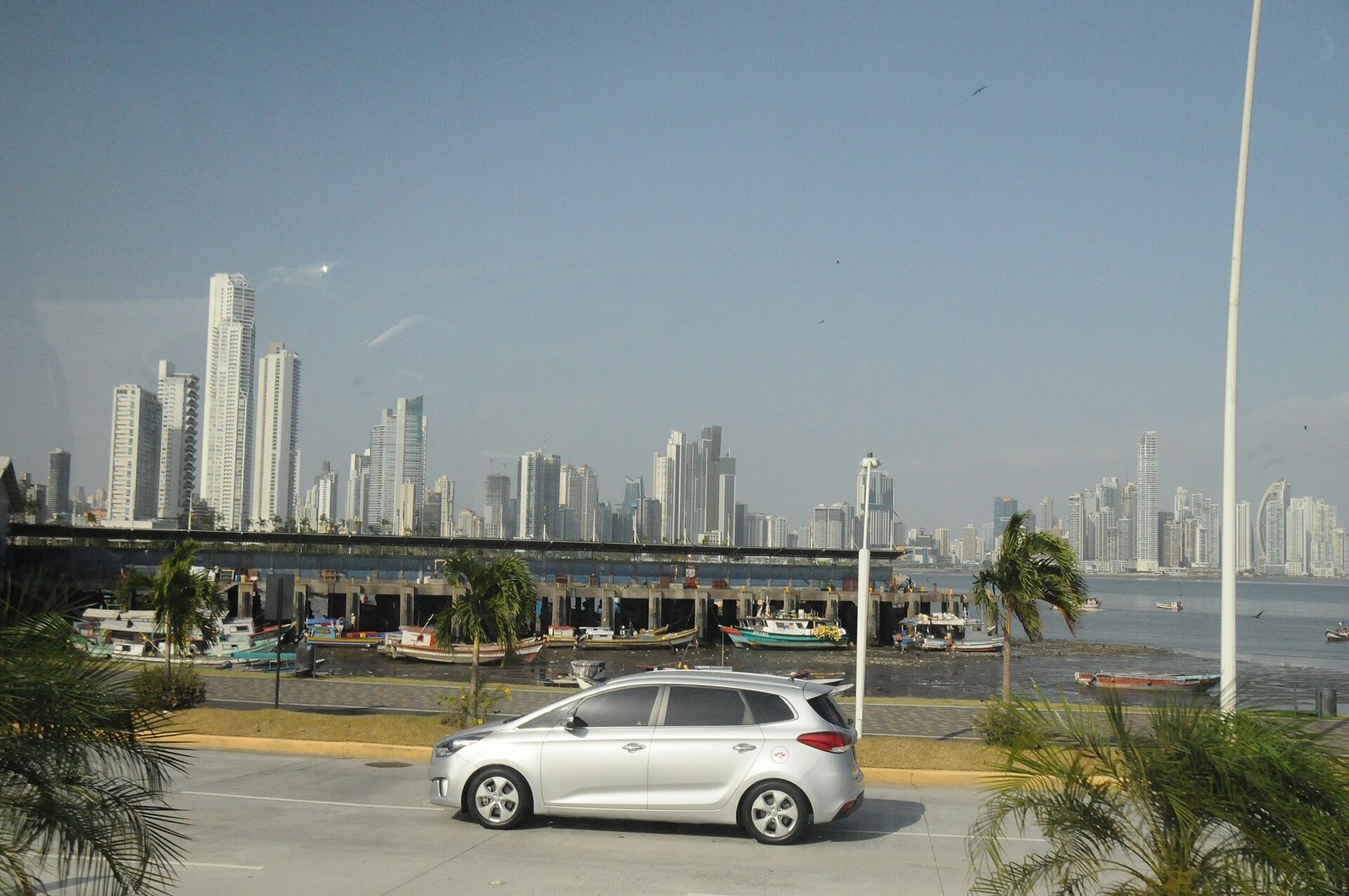
Panama City brings a historic quarter, a modern skyline, tropical forest, major museums, and one of the world’s most important engineering corridors into a compact but traffic-heavy capital. It suits first-time Central America travelers, architecture and history enthusiasts, birders, cruise extensions, and stopover visitors who want more than an airport hotel. Four days allow Casco Viejo, the Panama Canal, a museum day, and nearby rainforest without turning every outing into a cross-city transfer. This guide explains the wet and dry seasons, Tocumen airport access, Metro use, accommodation areas, realistic costs, and an efficient itinerary. The key planning issue is timing: traffic, tropical downpours, canal transits, and museum opening days can reshape a schedule. Reserve the most important canal or nature visit, group each day geographically, and use current official information rather than assuming ship movements occur on demand.
AT A GLANCE
Panama City quick travel summary
Panama commonly uses U.S. banknotes with local coins. Hotel, tour, toll, and transport prices change, so treat these dollar-equivalent ranges as planning estimates and confirm inclusions and cancellation terms.
WHEN TO GO
Best time to visit
Dry season (December–April)
January through March usually brings the driest and sunniest conditions, along with high visitor demand and stronger hotel prices. April transitions toward wetter weather. Heat and humidity remain substantial even without rain. Start exposed walks early, reserve canal and nature tours, and use museums during midday. Easter and holiday periods can alter traffic and opening hours.
Early wet season (May–June)
Rain becomes more frequent, often arriving in intense bursts rather than all-day drizzle. Landscapes turn greener and prices may soften, though humidity is high. Morning outings can work well with a flexible afternoon. Carry waterproof protection for electronics and never attempt flooded streets. Nature travelers may appreciate active forest conditions while accepting mud and insects.
Mid wet season (July–September)
Warm, humid weather continues with regular downpours, thunderstorms, and variable sunshine. Visitor numbers depend on holidays and business travel. Indoor culture, food, and morning forest walks remain rewarding. Road traffic worsens in heavy rain. Choose refundable bookings, allow extra airport time, and follow official weather and safety information rather than assuming a short storm cannot disrupt transport.
Late wet season (October–November)
These are often among the wettest months, with flooding risk and difficult road conditions during severe rain. Prices can be attractive, but outdoor plans need flexibility. The canal, museums, and Casco Viejo remain visitable between storms. Pack breathable rain gear, avoid remote hikes without a qualified operator, and build a full spare block before international departure.
ARRIVING
How to get there
Tocumen International Airport is the principal gateway. Metro Line 2 reaches the airport area through the official connection and can be economical for travelers whose destination and luggage suit a transfer, but current station access, hours, fare media, and interchange details must be checked. Authorized taxis, recognized rideshare services, and pre-arranged hotel transfers are easier for first arrivals, late flights, or groups. Road time to central districts varies sharply with congestion and rain. Albrook airport serves selected domestic flights and lies closer to the city, while the Albrook transport area connects many regional buses. The easiest international arrival is an official taxi or verified transfer; Metro is usually cheaper. Confirm the vehicle and final fare conditions, ignore unsolicited transport offers, and never schedule a nonrefundable tour shortly after landing.
MOVING AROUND
Getting around
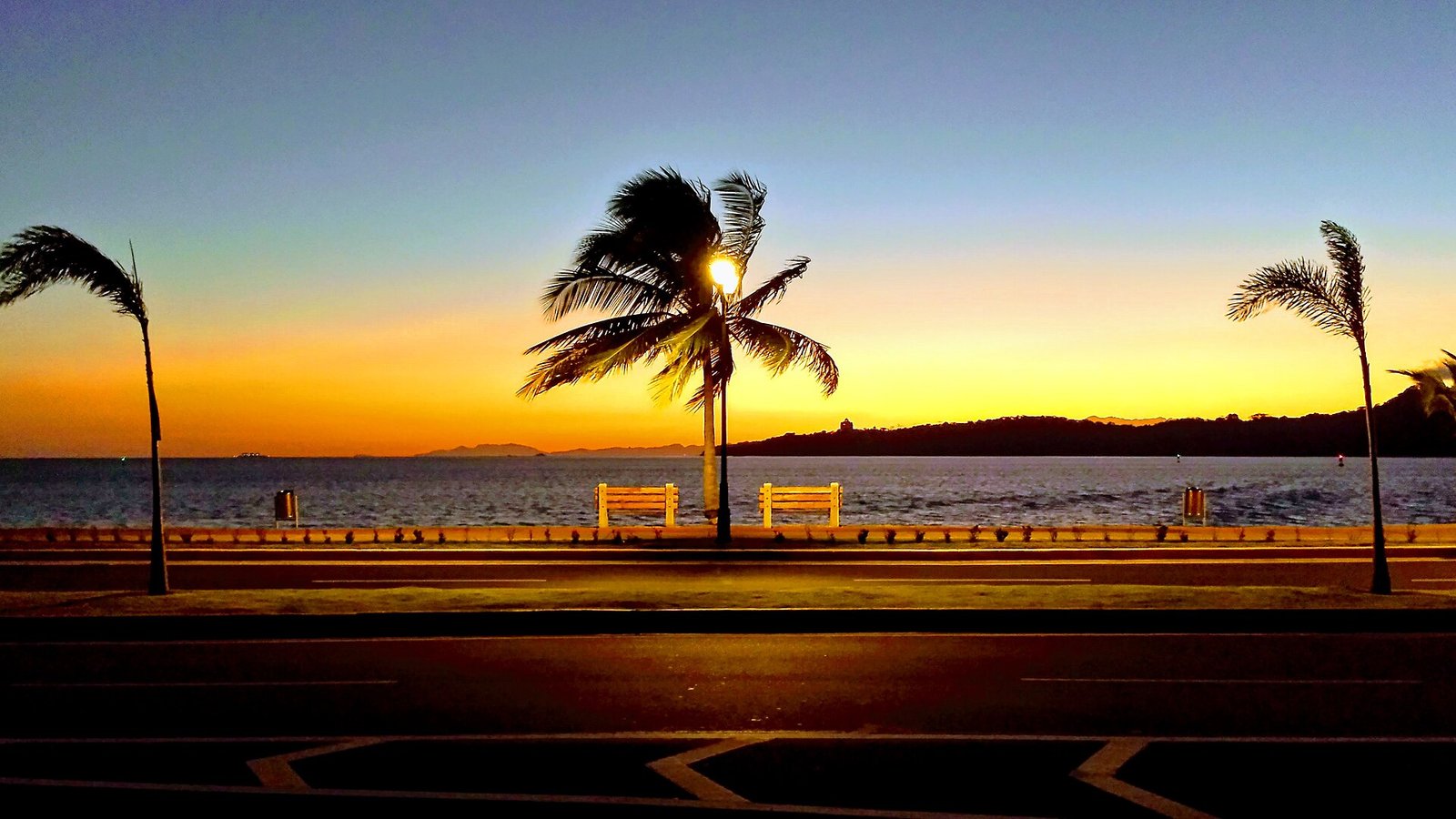
Panama Metro provides reliable corridors through parts of the metropolitan area, supported by buses and the Albrook network. It does not place every visitor attraction within a simple walk, so check the final connection and current payment system. Casco Viejo is walkable once there, while the Cinta Costera supports a long waterfront walk during cooler hours. Official taxis and recognized apps are practical between districts; verify the plate and avoid street hails in isolated areas. A rental car is unnecessary for a city stay because traffic, navigation, and parking are demanding. Canal visitor centers and rainforest sites often work best with a reputable tour or arranged driver. Group Casco, the canal, and the modern city into separate blocks to minimize cross-town journeys.
CHOOSE A BASE
Where to stay
Casco Viejo — best for history, atmosphere, and first-time evenings
The restored historic quarter offers architecture, museums, rooftops, restaurants, and a walkable evening base. It suits couples, solo travelers, and short visits. Weekend music and construction can be noisy, historic buildings vary in accessibility, and nearby blocks change quickly in character. Choose a well-reviewed property, confirm the vehicle drop-off, and avoid wandering into unfamiliar peripheral streets.
Obarrio or El Cangrejo — best for convenience and value
These central neighborhoods offer Metro access, restaurants, supermarkets, and a wider range of practical hotels than the old quarter. They suit business extensions, families, and budget-conscious travelers. The environment is modern and traffic-heavy rather than picturesque, and crossings can be uncomfortable. Stay near the actual Metro entrance and use rides for late returns.
Amador or Punta Pacífica — best for views, families, or modern comfort
Amador provides causeway recreation and museum access, while Punta Pacífica offers high-rise hotels, shopping, and services. Both suit travelers prioritizing water views or contemporary comfort. They are less useful for walking to Casco Viejo and require frequent taxis or rideshare. Dining costs can be high, and rush-hour journeys add time.
PLAN YOUR DAYS
Best things to do
Miraflores Locks or another official canal visitor center
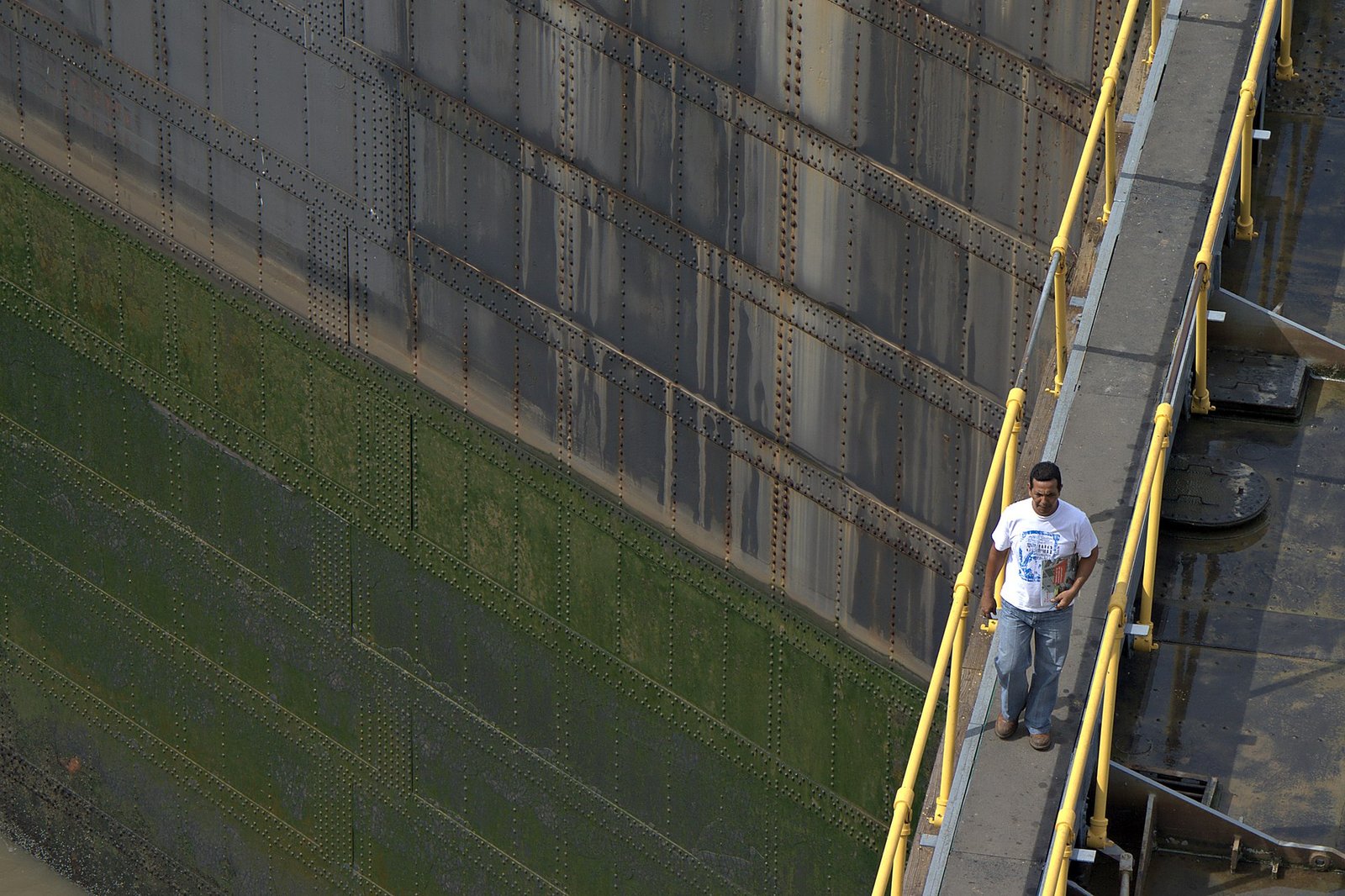
Seeing locks operate explains the canal’s scale and water-management system, but vessel timing varies. Allow three to four hours including transport, exhibitions, and observation. Check official opening, ticket, and transit information before choosing a slot; a guide can improve context. Morning or afternoon recommendations depend on current ship schedules, so avoid guarantees. Engineering enthusiasts and families benefit most from patient viewing.
Casco Viejo
Churches, plazas, defensive history, restored façades, and active residential streets make Casco Viejo a half-day exploration rather than a single photo stop. Begin in the morning for cooler walking, visit one museum, and return for dinner if desired. Wear shoes with grip, ask before photographing people, and remember that not every historic building is open. Nightlife increases on weekends.
Biomuseo and Amador Causeway
The Biomuseo examines Panama’s biodiversity and geographic role in a distinctive Frank Gehry building. Combine it with a causeway walk or bicycle ride and allow half a day. Check museum hours and transport because midday heat makes the exposed causeway tiring. Families and nature travelers should prioritize the exhibits, while architecture travelers may also value the exterior and skyline views.
Metropolitan Natural Park or Soberanía rainforest
Tropical forest and birdlife lie surprisingly close to the city. Metropolitan Natural Park supports a shorter urban hike; Soberanía generally merits a guided half or full day. Start early for wildlife and cooler temperatures, use marked routes, and carry water, repellent, and rain protection. A qualified guide improves identification and safety. Never enter remote trails during storms or after closures.
Panamá Viejo
The archaeological remains of the original city provide essential context for the later move to Casco Viejo. Allow two to three hours for the site and museum, beginning early because shade can be limited. Use official hours and ticket details. The ruins suit history and architecture travelers, but uneven surfaces and heat require preparation. Pair the visit with a nearby district rather than crossing back and forth.
A PRACTICAL ROUTE
Suggested itinerary
Casco Viejo
Arrive, settle in, and walk a focused plaza and waterfront route in daylight. Reserve dinner nearby and avoid a late cross-city excursion.
Panama Canal
Use an official visitor center or reputable guided arrangement, allow time for variable vessel movement, and keep the afternoon flexible for traffic.
Amador and modern Panama
Visit the Biomuseo, walk a shaded portion of the causeway, then return through the modern city without adding the distant rainforest.
Rainforest or Panamá Viejo
Choose an early guided nature outing or a history-focused archaeological visit according to weather, then leave a generous buffer before departure.
REALISTIC BUDGET
Estimated travel costs
A budget traveler using a hostel or simple room and Metro can plan around B/.55–95 per person per day. A mid-range stay with a shared hotel, official rides, museum or canal admission, and restaurant meals commonly reaches B/.140–280. Private nature tours or premium Casco lodging cost more. Confirm tax, tolls, entrance fees, meals, gratuities, and whether a quote is per person or vehicle. For Panama City, let the final Panamanian balboa (PAB) and U.S. dollar (USD), equal in value locally total control the decision. For Panama City, its August 1, 2026 dollar conversion may differ at checkout.
TRAVEL WELL
Practical travel tips
- Use official canal information and accept that vessel timing can change; no responsible guide can guarantee a specific transit.
- Carry breathable rain protection, sun protection, water, and insect repellent throughout the year.
- Use authorized airport transport or a verified app, confirming the vehicle and pickup point before entering.
- Cards are common, but carry small U.S. dollar notes or balboa coins and inspect change carefully.
- Do not walk between districts simply because they look adjacent across a major road or unfamiliar block.
- Reserve popular Casco restaurants and canal tours on weekends, keeping the rest of the day flexible for traffic.
- Follow local guidance around demonstrations, flooding, and neighborhood conditions rather than relying on old forum posts.
- Solo travelers should avoid isolated waterfront or connecting streets after dark and share verified ride details.
COMMON QUESTIONS
Panama City travel FAQ
How many days do you need in Panama City?
Three days cover Casco Viejo, the canal, and one museum area. Four or five days allow rainforest, Panamá Viejo, and traffic flexibility.
Is the Panama Canal worth visiting?
Yes, especially with exhibitions or a guide that explains operations. Ship movements vary, so plan for the full visitor experience rather than one guaranteed transit.
What is the best month to visit Panama City?
January through March usually offers the driest weather. April and December can work as shoulder periods but still require heat and rain planning.
Is Panama City expensive?
It is more expensive than some Central American capitals, especially for Casco hotels, private tours, and imported dining. Metro, local meals, and central neighborhoods help.
Is Panama City safe for solo travelers?
Many solo travelers visit successfully. Choose a well-reviewed area, use verified transport after dark, keep valuables discreet, and follow current district-specific advice.
Can you use U.S. dollars in Panama?
Yes. U.S. banknotes circulate alongside Panamanian coins at equal value. Carry smaller notes because some businesses may not accept or change large bills.
KEEP EXPLORING
Related The Wander Muse guides
CHECK BEFORE DEPARTURE
Sources and official resources
Schedules, fares, closures, and timed-entry systems affecting Panama City can change. Recheck the official resources below shortly before departure.