START HERE
Why visit Grand Cayman
Grand Cayman combines exceptionally clear water and polished visitor infrastructure with enough local food, wetlands, caves, and quieter eastern districts to justify leaving Seven Mile Beach. It is especially easy for couples, families, first-time Caribbean travelers, snorkelers, and divers, although the island’s lodging and dining costs can surprise visitors expecting a budget beach break. Four days cover the west coast and one North Sound outing; six days allow the East End, botanical landscapes, and weather flexibility. The practical choice is between a car-light stay on Seven Mile Beach and a rental car that opens the quieter north and east. This guide explains where to stay, how airport taxis and public buses work, seasonal prices and storm risk, realistic Cayman-dollar costs, and an efficient route that does not repeatedly cross George Town traffic. The Cayman dollar is stronger than the U.S. dollar, even though both circulate, so always identify the currency before agreeing to a fare or reading a menu.
AT A GLANCE
Grand Cayman quick travel summary
Official tourism guidance commonly uses US$1 = CI$0.80 for visitor transactions. Confirm the currency because CI$1 is worth about US$1.25 and change may be returned in Cayman dollars.
WHEN TO GO
Best time to visit
Dry high season (December–February)
Lower rainfall, comfortable evenings, and strong beach demand make winter the busiest and most expensive period. Christmas, New Year, and school holidays push rooms and rental cars highest. Northerly weather can still roughen normally calm water and cancel North Sound trips. Reserve lodging early, but leave one flexible morning for Stingray City or diving rather than tying every water activity to a single nonrefundable date.
Late dry season (March–April)
March and April remain warm and generally dry, with excellent conditions for beach days and outdoor dining. Spring breaks and Easter create crowded dates, and shade becomes more important as temperatures rise. This period suits families and first-time visitors who prioritize predictable weather. Book popular boats and restaurants, arrive at public beach access early, and avoid scheduling the botanic park during the hottest afternoon hours.
Shoulder period (May–June)
May can offer a useful balance of warm water, fewer crowds, and better room rates. Rain and humidity increase into June as the Atlantic hurricane season begins. Showers do not automatically ruin a trip, but marine visibility and boat departures change with conditions. Travelers seeking value should choose flexible bookings, begin outdoor activities early, and keep George Town museums or a long lunch as a wet-weather alternative.
Wet and storm season (July–November)
Heat, humidity, tropical rain, and storm risk define late summer and fall. September and October are often quietest, with some businesses adjusting operations. Excellent days still occur, but a rigid once-a-year itinerary has greater exposure to disruption. Monitor official forecasts, buy appropriate insurance, and never ignore evacuation or marine advice. November can become attractive as the season transitions, though weather and prices vary around Thanksgiving.
ARRIVING
How to get there
Owen Roberts International Airport is only a short drive from George Town and Seven Mile Beach. The airport authority provides dispatched taxis from the arrivals area, with an approved fare process and a ticket showing the driver, destination, time, and price. Rental cars, prebooked buses, and private transfers are also available. There is no need to arrange a separate domestic connection for Grand Cayman itself. A taxi is simplest for a car-light Seven Mile Beach stay; a rental car is more economical than repeated long taxi rides when the itinerary includes North Side, East End, and the Botanic Park. Confirm that the driver quotes CI$ or US$, and use the official CI:GO fare tool where appropriate. Many visitors arrive on cruise ships at George Town, but a cruise day cannot replicate a multi-day island trip. For departures, allow extra time around weekday traffic and rental returns even though the airport appears close on the map.
MOVING AROUND
Getting around
Public buses use a central depot in George Town and serve Seven Mile Beach, West Bay, Bodden Town, North Side, and East End on color-coded routes. Official tourism information says service starts around early morning and fares begin at a modest CI$ amount, but hours depend on route and day. Licensed buses have blue number plates and can often be flagged from the roadside. They are useful for a west-coast stay but less suitable for a tightly timed eastern loop. Taxis are convenient and regulated, yet multiple long trips become expensive. Rental cars drive on the left; visitors should slow down at roundabouts, confirm local rules, and check whether the license is included by the rental company. Walking works along specific Seven Mile Beach and George Town stretches, not across the island. Cycling faces heat and traffic. Rent a car for two consolidated days rather than paying for it while it sits at the beach all week.
CHOOSE A BASE
Where to stay
Seven Mile Beach corridor — best for first-time visitors
The west-coast corridor provides the widest choice of resorts, condos, restaurants, watersports, and bus access. It is convenient for families and car-light travelers, and public beach access makes it possible to enjoy the coast without a beachfront room. High prices, busy roads, and resort fees are the disadvantages. Compare total room cost and exact beach position because “near Seven Mile Beach” can describe very different locations.
George Town — best for short stays and practical access
George Town sits close to the airport, museum, harbor, offices, and transport depot. It works for business travelers, a final night, or visitors who prioritize diving operators over a resort beach. Cruise-ship hours can make the center crowded, while evenings may be quieter than Seven Mile Beach. Select it for convenience and local context, not for stepping directly onto the island’s longest swimming beach.
Rum Point, North Side, or East End — best for quiet scenery
The north and east feel calmer, with villas, smaller resorts, reefs, caves, and easier access to nature sites. A car is strongly recommended because restaurants and shops are dispersed. Water conditions differ from the sheltered west coast and nightlife is minimal. This area suits repeat visitors, divers, families wanting space, and couples who value quiet over instant access to George Town.
PLAN YOUR DAYS
Best things to do
Use Seven Mile Beach as more than a resort backdrop
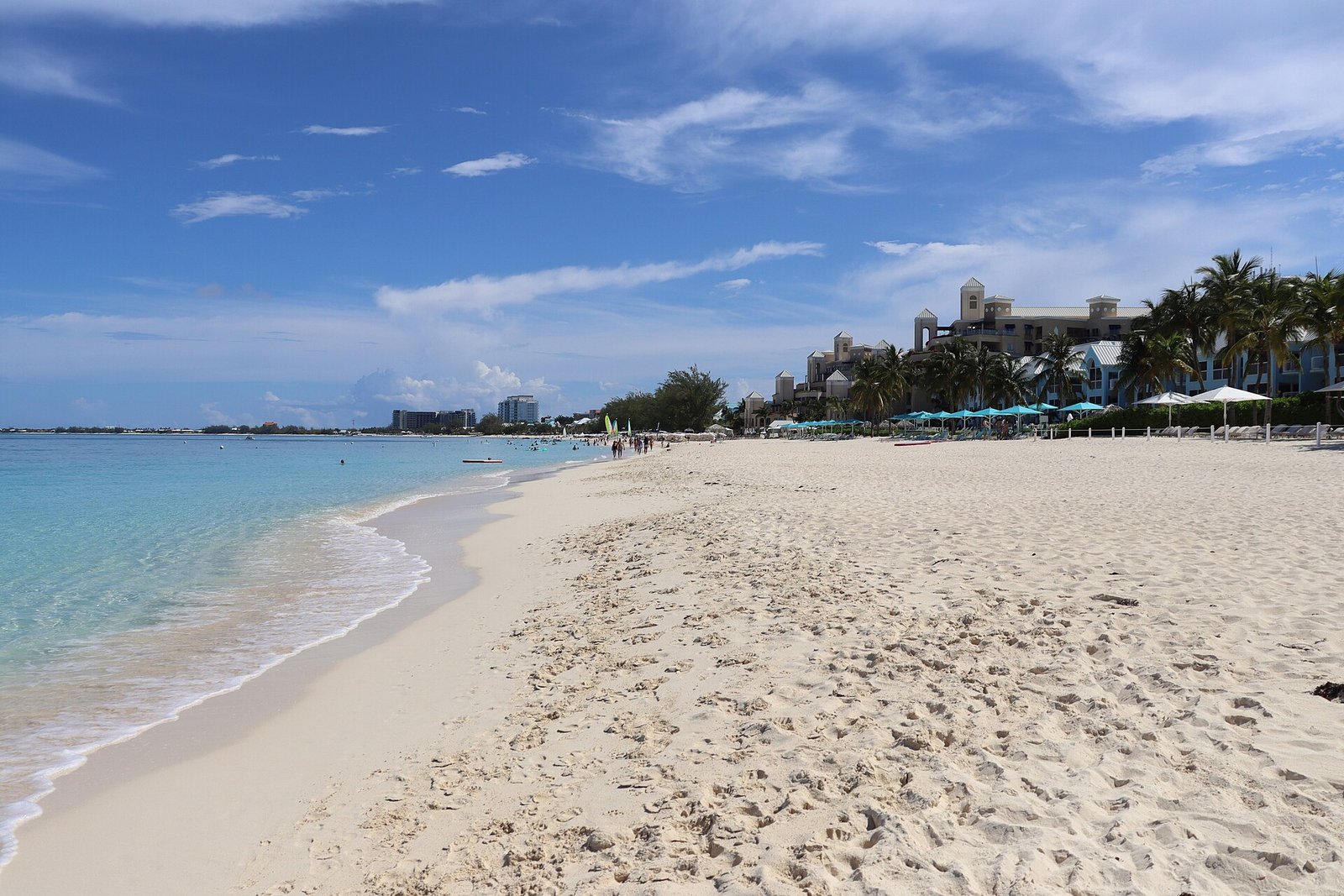
Seven Mile Beach offers calm-water swimming, snorkeling pockets, sunset walks, and access to restaurants and watersports along the west coast. Public access points exist, although beach width changes naturally and facilities differ. Spend a half or full day, arrive early for shade and parking, and check local sea conditions. The beach itself requires no reservation, while chairs, equipment, and beachfront services cost extra. It suits nearly every traveler, but mobility across soft sand should be considered.
Book a responsible Stingray City trip
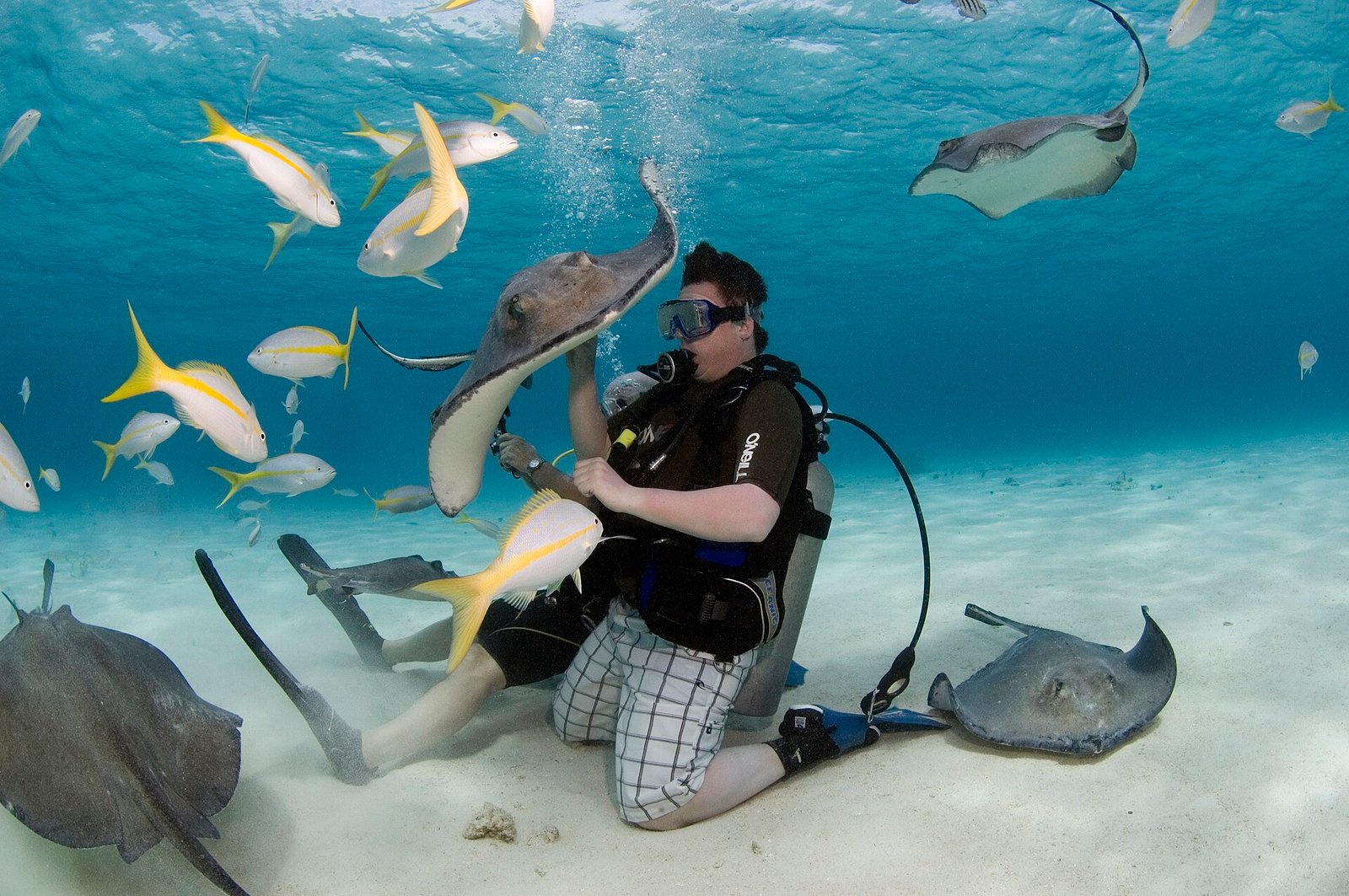
Stingray City is reached by boat in North Sound and typical excursions last roughly three to five hours, often with a reef stop. Select a licensed operator that explains wildlife rules, provides appropriate flotation, and does not pressure guests into unsafe interaction. Reserve ahead in high season but keep weather flexibility. Cruise-ship windows can create crowded periods, so an early departure may feel calmer. The trip suits swimmers and families who can board safely; disclose mobility or water-confidence needs in advance.
Visit Queen Elizabeth II Botanic Park
The 65-acre park on North Side combines native and ornamental gardens, woodland paths, heritage interpretation, birdlife, and blue iguana conservation. Allow two to three hours and arrive near opening for cooler walking. Official visitor information publishes current hours, last admission, and guided-tour options. Bring insect protection and water, stay on paths, and never approach wildlife for a photograph. It is a valuable counterpoint to a beach-heavy itinerary and suits families, gardeners, and birders.
Explore the quieter east with one or two planned stops
East End and North Side can include blowholes, coastal viewpoints, local restaurants, Crystal Caves, and quieter water access. Choose one ticketed attraction and one natural stop rather than driving every road. Cave tours require reservation and suitable footwear; coastal rocks become slippery when waves are strong. A half- or full-day rental-car loop works best. Start after commuter traffic, carry water, and return before dark if unfamiliar with local roads.
Dive or snorkel within your certification and conditions
Grand Cayman’s walls, reefs, wrecks, and shore entries support both beginner and advanced diving. Certified divers should choose sites matched to recent experience and use a reputable operator; beginners need formal instruction. Reserve at least half a day and respect no-fly intervals after diving. Shore snorkelers should ask about entry ladders, current, and boat traffic rather than assuming clear water means easy conditions. Never stand on coral or remove marine life.
A PRACTICAL ROUTE
Suggested itinerary
Arrival and west-coast orientation
Take an airport taxi or collect the rental car, then settle near Seven Mile Beach. Use the afternoon for a gentle swim and groceries, and watch sunset close to the accommodation. Do not schedule a boat immediately after the flight.
Seven Mile Beach and West Bay
Begin at a suitable public access point, snorkel only where conditions allow, and stop for lunch along the corridor. Continue to one West Bay attraction or viewpoint, then return without crossing the island.
Stingray City and North Sound
Use an early reserved boat with clear wildlife and safety practices. Keep the afternoon flexible for a second reef stop, rest, or weather delay. Avoid a fixed distant dinner if the boat’s return time may change.
George Town history and food
Visit the Cayman Islands National Museum or another cultural venue before cruise-day crowds peak, then walk the harbor and choose a local lunch. Use the bus or taxi so parking does not dominate a compact city day.
North Side and East End loop
Rent a car and visit the Botanic Park near opening. Add one reserved cave tour or quiet coastal stop, then eat in the same eastern corridor. Avoid returning west and east repeatedly through George Town.
Diving, free beach time, and departure preparation
Use the final full day for a certified dive, guided snorkel, or a calm beach morning. Refuel or return the car according to the flight schedule, and protect the departure with a generous airport buffer.
REALISTIC BUDGET
Estimated travel costs
Conversions use the common official visitor rate of US$1 = CI$0.80 and are rounded. Card issuers and businesses may apply different procedures, so check the displayed currency and final amount.
TRAVEL WELL
Practical travel tips
- Never assume a dollar sign means U.S. dollars. Ask whether the amount is CI$ or US$ before accepting a taxi, menu price, or tour add-on.
- Grand Cayman drives on the left. Review roundabout rules before collecting a car and avoid learning them during peak traffic.
- Public buses can be flagged on routes and are useful along the west coast, but confirm the last practical return before an evening out.
- Choose wildlife operators that prioritize distance and marine rules; do not lift starfish from water, stand on coral, or force contact with rays.
- Book refundable or movable water activities during storm season and follow official advisories rather than relying on a sunny hotel view.
- Sun exposure is intense even with wind. Carry water, reef-conscious protection, and a rash guard for extended snorkeling.
- Solo female travelers should use dispatched or verified transport at night and avoid isolated beach access after other visitors leave.
- Ask attractions about boat boarding, sand, steps, cave surfaces, and accessible restrooms; island accessibility varies beyond resort entrances.
COMMON QUESTIONS
Grand Cayman travel FAQ
How many days do you need in Grand Cayman?
Four days cover Seven Mile Beach, George Town, and one North Sound trip. Six days allow an eastern loop, diving or snorkeling, and a weather buffer without repeating long drives.
Do you need a car in Grand Cayman?
Not for a Seven Mile Beach and George Town stay using buses and taxis. Rent one for North Side, East End, the Botanic Park, and several dispersed stops.
Is Grand Cayman expensive?
Yes, lodging, dining, taxis, and boat activities are relatively expensive. Condos with kitchens, buses, public beach access, and a short rental period help reduce the total.
What is the best month to visit Grand Cayman?
March and April offer strong dry-season conditions but high demand. May can provide better value with increasing rain, while late fall can work when storm risk is acceptable.
Can you use U.S. dollars in Grand Cayman?
Yes, U.S. dollars are widely accepted. The commonly used visitor rate is US$1 = CI$0.80, and change may be given in Cayman dollars, so verify every currency label.
Is Grand Cayman safe for solo female travelers?
Main visitor areas are generally straightforward with normal precautions. Use verified transport, avoid isolated beaches at night, secure valuables, and share plans for solo diving or eastern drives.
KEEP EXPLORING
Related The Wander Muse guides
CHECK BEFORE DEPARTURE
Sources and official resources
Schedules, fares, closures, access rules, and reservations affecting Grand Cayman can change. Recheck the official resources below shortly before departure.