START HERE
Why visit Jamaica
Jamaica is large and varied enough to reward a trip beyond a single all-inclusive resort: Kingston’s music and food, Blue Mountain landscapes, north-coast waterfalls, Negril sunsets, and south-coast communities cannot be understood from one beach. It suits couples, music travelers, active families, food-focused visitors, and confident independent travelers, but distances and road speeds make planning essential. Seven days work for one coast plus Kingston or an inland outing; ten days allow two main bases and a third short stop without living in a transfer vehicle. This guide compares Montego Bay, Negril, Ocho Rios, and Kingston, explains official airport and public-transport options, provides Jamaican-dollar and U.S.-dollar planning ranges, and organizes the island into an efficient route. The most common mistake is measuring travel only in miles: traffic, mountain roads, and pickup logistics can turn a short-looking move into most of a day, so use verified transfers and group each region before moving on.
AT A GLANCE
Jamaica quick travel summary
Dollar comparisons use a rounded J$160 per US$1 rate near official late-July 2026 market levels. Exchange rates change daily and tourism businesses may quote in USD.
WHEN TO GO
Best time to visit
Dry high season (December–February)
Lower rainfall, comfortable evenings, and strong winter demand define this period. Christmas, New Year, and major events bring the highest resort prices and limited availability. Northerly swells can affect some beaches, even on otherwise sunny days. Reserve rooms and intercity transfers early, and choose one region rather than chasing every coast. This season suits first visits, outdoor attractions, and music-focused city stays.
Late dry season (March–April)
March and April remain warm and often dry, with rising heat and busy spring-break or Easter dates. Waterfalls and beaches are popular, and day tours can feel crowded when cruise ships call. Start major attractions at opening, carry water shoes and sun protection, and verify holiday hours. Travelers who value lively events may enjoy this window, while those seeking quiet should avoid the busiest school-holiday weeks.
Early wet season (May–August)
May and June bring greater humidity and showers, usually with usable mornings. Atlantic hurricane season begins in June, and summer festivals or diaspora travel can raise demand on selected dates. July and August are hot. This period can suit value travelers and culture-focused itineraries if bookings remain flexible. Keep outdoor days movable, monitor official forecasts, and leave extra time for road disruption after heavy rain.
Peak storm period and transition (September–November)
September and October carry the highest storm and heavy-rain risk and are often the quietest tourism months. Some properties or attractions adjust operations. November can become attractive as conditions transition and rates remain below winter peaks, but certainty is lower. Use refundable reservations, appropriate insurance, and a protected final-night connection. Never drive flooded roads or ignore local emergency advice.
ARRIVING
How to get there
Jamaica has three international airports. Sangster International Airport in Montego Bay is the most convenient for Montego Bay, Negril, and much of the north coast; Norman Manley International serves Kingston; Ian Fleming International near Ocho Rios handles a smaller set of services. Choose the airport around the itinerary rather than the cheapest fare alone. Official hotel transfers, licensed taxis, private shuttles, rental cars, and scheduled express coaches connect major hubs. Visit Jamaica identifies city-to-city air-conditioned coaches and licensed route taxis as public options, but route taxis involve shared rides and local transfer points. The easiest first trip uses a prebooked airport transfer and one express coach or private intercity move. The cheapest can combine route taxis and buses, better for experienced travelers traveling in daylight. Driving is on the left and road conditions vary; first-time visitors should not collect a car after a late overnight flight. Confirm the driver, destination, full fare, and whether it is quoted in JMD or USD.
MOVING AROUND
Getting around
Within Kingston, JUTC buses serve the metropolitan region, while licensed taxis and verified rides are simpler for many visitors after dark. Across the island, route taxis have regulated routes and identifiable public-passenger markings; private charter taxis should quote a fare before departure. Scheduled express coaches connect major towns and airports with reserved seats and luggage space, making them useful between Kingston, Ocho Rios, Montego Bay, and Negril. A rental car offers freedom for confident left-side drivers, but narrow roads, pedestrians, potholes, mountain bends, and aggressive overtaking require caution. Avoid night driving on unfamiliar routes. Walking works within parts of resort strips and central Kingston neighborhoods, not between dispersed attractions. For a ten-day first trip, use a transfer from KIN to a Kingston base, a coach or driver to Ocho Rios, then one final transfer to Negril or Montego Bay, flying out of MBJ if the ticket permits.
CHOOSE A BASE
Where to stay
Montego Bay — best for first-time resort convenience
Montego Bay combines the island’s busiest airport, beaches, golf, tours, nightlife, and a wide range of all-inclusive and independent stays. It is practical for a short trip or early departure. The disadvantages are busy roads, tourist pricing, and an experience that can feel enclosed if every meal and activity stays within the resort. Choose it for ease, then schedule at least one locally guided cultural or nature outing.
Negril — best for beach time and sunsets
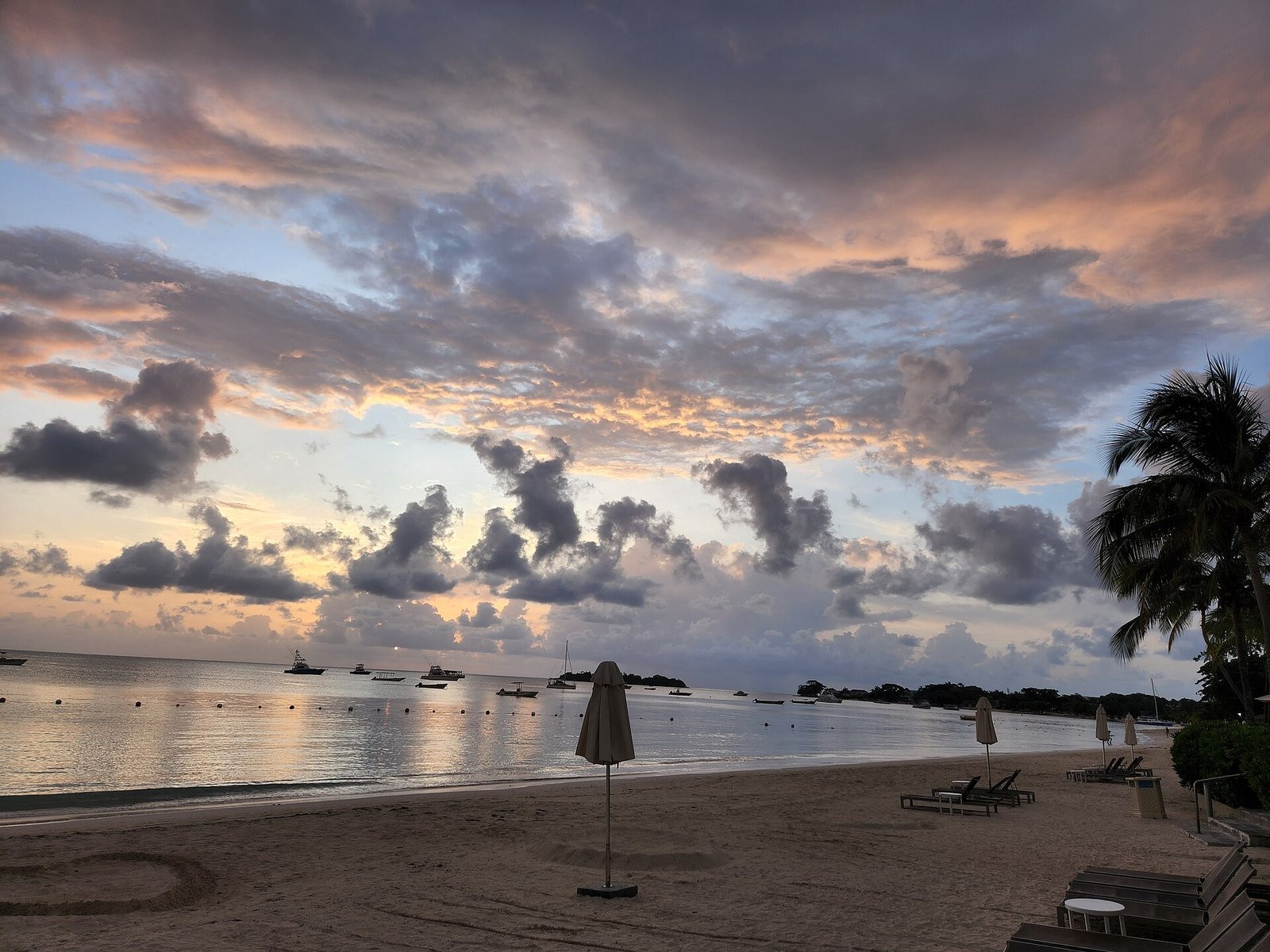
Negril stretches from a long sandy beach to West End cliffs, with small hotels, guesthouses, resorts, and nightlife. It suits couples, repeat visitors, and travelers who want slower days. MBJ transfers take time, and properties can be far apart along the corridor. The cliff area is not interchangeable with a sandy beach stay. Select the exact section based on swimming, quiet, and evening priorities.
Kingston or Ocho Rios — best for culture or waterfalls
Kingston is the stronger base for music history, museums, contemporary food, and Blue Mountain access; Ocho Rios is better for north-coast waterfalls and organized activities. Neither should be treated as a quick add-on from Negril. Kingston requires urban awareness and planned transport, while Ocho Rios becomes crowded on cruise days. Choose one for two or three nights according to the trip’s main interest.
PLAN YOUR DAYS
Best things to do
Experience Kingston’s music history with a planned route
Kingston’s Bob Marley Museum, Trench Town Culture Yard, recording history, galleries, and food deserve at least a full day with verified transport. Book timed or guided visits where required and check individual closing days. Trench Town is a living community, not a self-guided photo set; use an established cultural venue or guide. Music travelers gain the most, but even beach-focused visitors benefit from understanding reggae within Jamaica’s social and political history.
Climb or observe Dunn’s River Falls safely
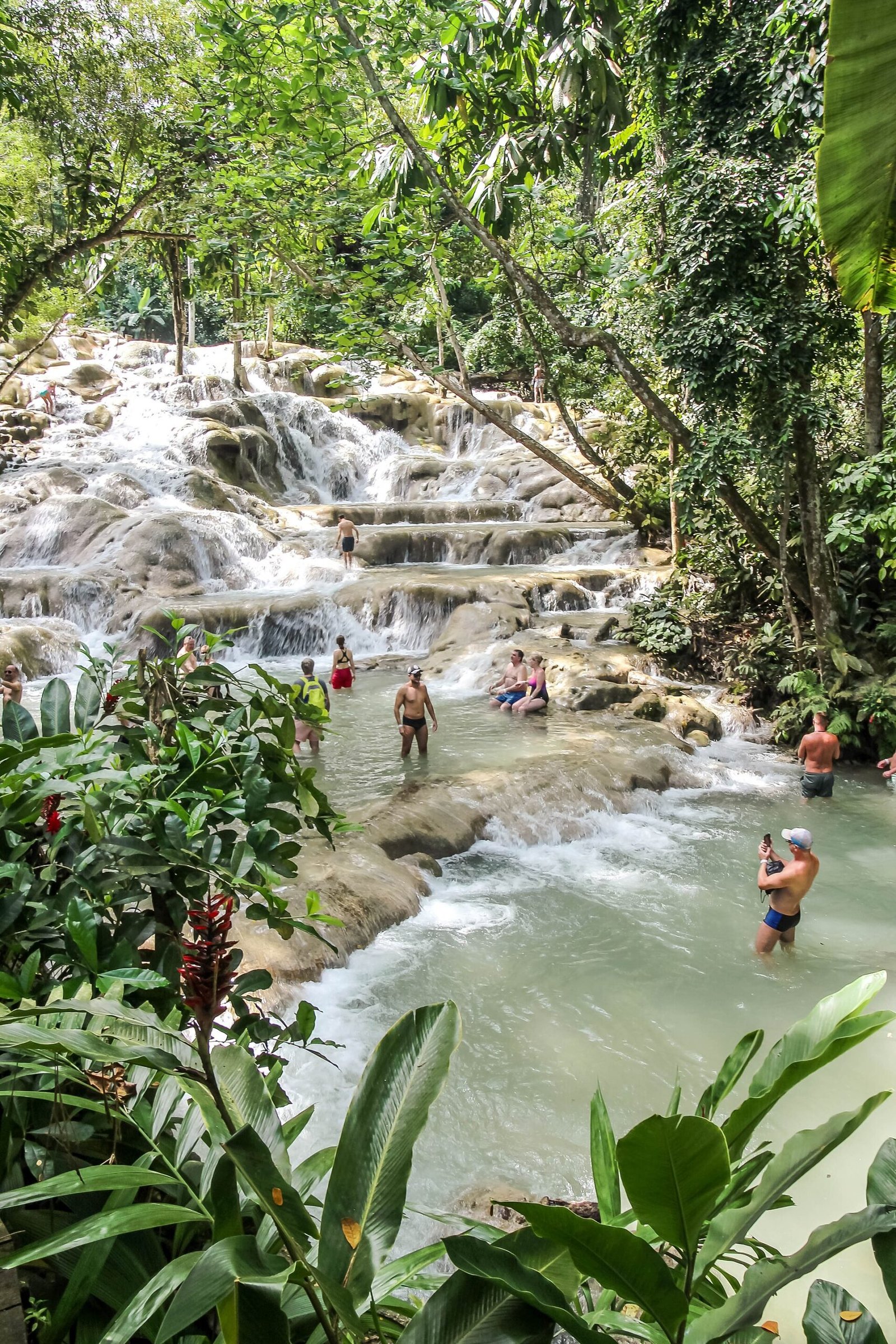
Dunn’s River near Ocho Rios combines terraced waterfalls with a beach and other paid activities. Allow three to four hours and arrive near opening to reduce heat and tour-group congestion. Water shoes with grip are essential, and visitors can choose guided climbing or less strenuous viewing according to current access. Reserve through the official attraction or a reputable operator, use lockers, and do not carry a phone unsecured on wet rock.
Spend a full day around Negril’s beach and cliffs
Negril’s sandy beach and West End cliffs are separate environments. Use daylight for swimming on an appropriate beach section, then arrange a verified ride to a sunset venue if staying elsewhere. Cliff jumping involves real injury risk and should never be copied without checking depth, conditions, and operator safety. A full day needs no formal tour. Families generally suit the beach; confident adults may prefer a carefully chosen cliffside base.
Visit the Blue Mountains with a local guide or driver
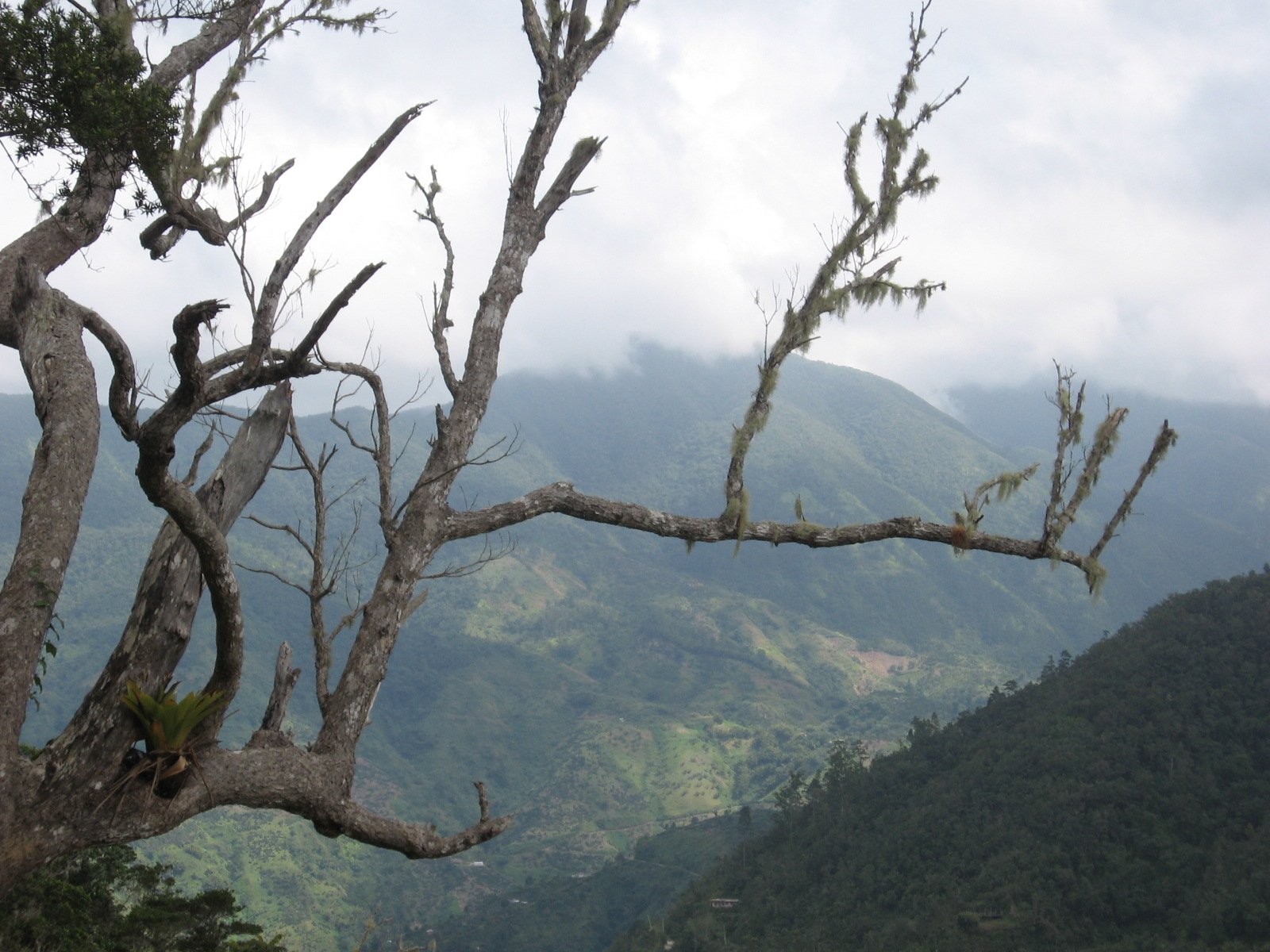
The Blue Mountains require early travel, changing weather, steep roads, and a realistic choice between viewpoints, coffee experiences, hiking, and overnight stays. A guided day from Kingston can work, but serious hiking is better with a dedicated plan and local conditions check. Allow a full day or one night. Pack a layer and rain protection because elevations feel different from the coast. Verify trail access and do not accept an informal ride from an unverified driver.
Choose one south-coast waterfall or river experience
YS Falls and other south-coast nature sites offer a different rhythm from the north-coast resort corridor. Reaching them from Negril or Montego Bay takes time, so select one destination and a meal stop rather than stacking attractions. Check official opening days, river conditions, and transport. Water shoes and secure storage are useful. This outing suits active families and couples who are willing to spend a full day beyond the resort.
A PRACTICAL ROUTE
Suggested itinerary
Kingston culture and food
Arrive through KIN, use verified transport, and spend the first evening near the chosen base. The next day, follow a preplanned museum and music route with lunch, allowing reservations and traffic rather than crossing Kingston repeatedly.
Blue Mountains
Leave early with a guide or driver for one selected coffee, viewpoint, or hiking experience. Carry layers and rain protection. Return before nightfall or stay one night if the route includes a substantial hike.
Transfer to Ocho Rios
Use a reserved coach or private transfer and treat the move as the day’s main logistics. Walk the central area or beach after check-in, then confirm attraction tickets and cruise-ship timing for the next day.
Dunn’s River and north-coast nature
Reach Dunn’s River near opening with water shoes and secure storage. Add only one nearby garden, river, or cultural stop. Return for a quiet evening instead of beginning another long transfer.
Travel west
Move to Negril or Montego Bay with a confirmed service. Stop once for lunch if using a private driver. Settle in, swim only if conditions and daylight allow, and save the cliffs for another day.
Negril beach day
Choose a suitable public or hotel beach section and keep the day intentionally slow. Use a verified taxi for dinner or live music and agree on the return plan before going out.
South-coast outing
Take a reputable full-day trip to YS Falls or another selected south-coast experience. Do not pair multiple distant waterfalls. Return before dark and leave the following morning unhurried.
Cliffs, food, and sunset
Spend the morning resting or snorkeling with a reputable operator. Explore West End with verified transport in the afternoon and choose a safe sunset setting without pressure to jump from cliffs.
Depart through Montego Bay
Leave Negril with a generous road and airport buffer. Confirm pickup the previous evening, keep JMD for small final costs, and avoid scheduling a last excursion before an international flight.
REALISTIC BUDGET
Estimated travel costs
Jamaican-dollar comparisons use about J$160 per US$1 for planning, close to official late-July 2026 market levels. Rates change daily, and hotels or tours may price directly in U.S. dollars.
TRAVEL WELL
Practical travel tips
- Choose MBJ for Negril and Montego Bay, and KIN for Kingston; a cheaper flight can create an expensive cross-island transfer.
- Use licensed public-passenger vehicles and verified charter drivers. Agree on route, currency, total fare, and waiting time before departure.
- Do not underestimate drive times. Narrow roads, town traffic, weather, and pickup stops make distance a poor predictor.
- Carry Jamaican dollars for local restaurants and small transport, but ask whether every tourism price is in JMD or USD.
- Water shoes with grip are useful at waterfalls; follow guides and skip any climb that exceeds personal balance or mobility.
- Dress respectfully away from the beach. Swimwear belongs at pools and beaches, not in towns, restaurants, or cultural venues.
- Solo women travelers should prebook late transfers, protect drinks, use populated pickup points, and avoid isolated beaches after dark.
- Accessibility varies across resorts, buses, waterfalls, museum buildings, and mountain roads; obtain exact details from each provider.
COMMON QUESTIONS
Jamaica travel FAQ
How many days do you need in Jamaica?
Seven days suit one main coast plus Kingston or an inland outing. Ten days allow Kingston, Ocho Rios, and Negril with sensible transfer days and less rushed beach time.
Which area is best for a first trip to Jamaica?
Montego Bay is easiest for airport and resort convenience, Negril for beach time, Ocho Rios for waterfalls, and Kingston for culture. Choose two priorities rather than trying to day-trip between all four.
Do you need a car in Jamaica?
No. Prebooked transfers, express coaches, route taxis, and tours cover the main visitor route. Renting suits confident left-side drivers who understand local road conditions and avoid night travel.
Is Jamaica expensive?
It ranges widely. All-inclusive resorts, private transfers, and premium attractions are costly; guesthouses, local meals, scheduled coaches, and selective tours create a more moderate trip.
What is the best month to visit Jamaica?
February and March generally offer drier conditions and high demand. May and November can provide value with greater rain flexibility, while September and October carry the highest storm risk.
Is Jamaica safe for solo female travelers?
Solo travel is possible with deliberate transport and accommodation choices. Use licensed drivers, avoid isolated areas after dark, share plans, protect valuables and drinks, and follow current official travel guidance.
KEEP EXPLORING
Related The Wander Muse guides
CHECK BEFORE DEPARTURE
Sources and official resources
Schedules, fares, closures, access rules, and reservations affecting Jamaica can change. Recheck the official resources below shortly before departure.