START HERE
Why visit Rabat
Rabat offers Morocco’s imperial history and Atlantic setting with less pressure than Marrakech, balancing the Kasbah of the Udayas, modern museums, and a working capital. A well-paced visit connects Kasbah of the Udayas, Hassan Tower and Mausoleum, and Mohammed VI Museum without turning every day into a race. Hassan is central for monuments; Agdal is modern and transit-friendly; the medina is atmospheric but less convenient with luggage. The Rabat plan keeps Hassan transfers realistic, leaves meal time near Kasbah of the Udayas, and stays readable on a phone. Rabat suits first-time Morocco visitors, solo travelers, architecture enthusiasts, and travelers moving by train between Casablanca, Fez, and Tangier. It feels calmer than Morocco’s largest visitor hubs, though religious etiquette, Ramadan hours, taxi practices, and station choice still need attention. The Rabat guide ties seasonal conditions to the main gateway, Hassan, local-currency costs, and an itinerary centered on Kasbah of the Udayas.
AT A GLANCE
Rabat quick travel summary
Rabat prices are planning ranges. Confirm the final amount in Moroccan dirham (MAD), including taxes, booking terms, and exactly what each Rabat transport or activity ticket covers.
WHEN TO GO
Best time to visit
Spring (March–May)
In Rabat, this period brings mild days, Atlantic showers, and flowering gardens. Holiday and Ramadan timing may shift demand and hours. Its main advantage is monuments, medinas, and coastal walks; the disadvantage is that rain and changed meal schedules require flexibility. Mild gardens and longer light favor walking, while Ramadan and spring rain can change meal and site hours. Before an outdoor day in Rabat, recheck official weather and the transport needed for Kasbah of the Udayas.
Summer (June–August)
In Rabat, this period brings warm to hot afternoons moderated by ocean wind. Domestic holidays lift coast and city prices. Its main advantage is early historic walks and evening waterfronts; the disadvantage is that midday heat and busy transport reduce comfort. Warm afternoons and domestic holidays raise coastal demand; ocean wind still cools evenings. Before an outdoor day in Rabat, recheck official weather and the transport needed for Kasbah of the Udayas.
Autumn (September–November)
In Rabat, this period brings comfortable early-season warmth followed by increasing rain. Rates ease after summer except event dates. Its main advantage is markets, museums, and city walking; the disadvantage is that later storms shorten outdoor windows. September and October balance warmth and city walking, with rain becoming more likely later. Before an outdoor day in Rabat, recheck official weather and the transport needed for Kasbah of the Udayas.
Winter (December–February)
In Rabat, this period brings cool damp weather, ocean wind, and shorter light. Ordinary weeks are quieter and often cheaper. Its main advantage is food, museums, and local city life; the disadvantage is that rain and reduced daylight constrain long excursions. Lower rates and authentic city rhythm contrast with damp weather, shorter light, and occasional reduced hours. Before an outdoor day in Rabat, recheck official weather and the transport needed for Kasbah of the Udayas.
ARRIVING
How to get there
RBA sits across the river in Salé and connects by official taxi, current airport transport, and private transfer. Some visitors land at Casablanca Mohammed V Airport and continue by ONCF train with a connection; compare total time before choosing the cheaper flight. High-speed and conventional trains use Rabat Agdal and Rabat Ville for different services, so check the ticket carefully. The tram connects useful Rabat and Salé corridors once in the city. Avoid unsolicited drivers, confirm taxi pricing or meter practice locally, and retain the accommodation address in Arabic or French.
MOVING AROUND
Getting around
The Kasbah, medina, Hassan district, and central museums can be linked on foot with selected tram or taxi segments. The Rabat–Salé tram provides a simple cross-river and city corridor, while ONCF trains support day trips and onward travel. Petit taxis handle urban rides and typically follow local passenger and meter practices that visitors should confirm. A rental car is unnecessary and awkward around central parking. Walking conditions include cobbles, slopes, traffic crossings, and heat. Keep the Kasbah and medina together, Hassan monuments together, and Salé as a distinct half-day. For a 3–4 days visit, use Hassan for the arrival-focused days, group Kasbah of the Udayas with Hassan Tower and Mausoleum of Mohammed V, and protect Mohammed VI Museum of Modern and Contemporary Art for the period with the best conditions. Put Kasbah of the Udayas and Hassan Tower and Mausoleum of Mohammed V on different Rabat stages; the separation protects meal time and a weather fallback. Accessible Rabat bookings should confirm walking access and the precise final approach to Kasbah of the Udayas.
CHOOSE A BASE
Where to stay
Hassan — best for first-time visitors and monuments
Hassan Tower, central institutions, tram access, and broad streets create a practical base. It is less atmospheric than the medina and can feel businesslike after office hours.
Agdal — best for transport, dining, and a modern stay
Rail access, cafés, restaurants, and residential streets suit solo travelers and longer visits. Historic sights require tram, taxi, or a deliberate walk.
Rabat medina — best for atmosphere and budget
A well-reviewed riad gives direct access to markets, the Kasbah, and local evening streets. Luggage access, soundproofing, and navigation through small lanes are the trade-offs.
PLAN YOUR DAYS
Best things to do
Kasbah of the Udayas
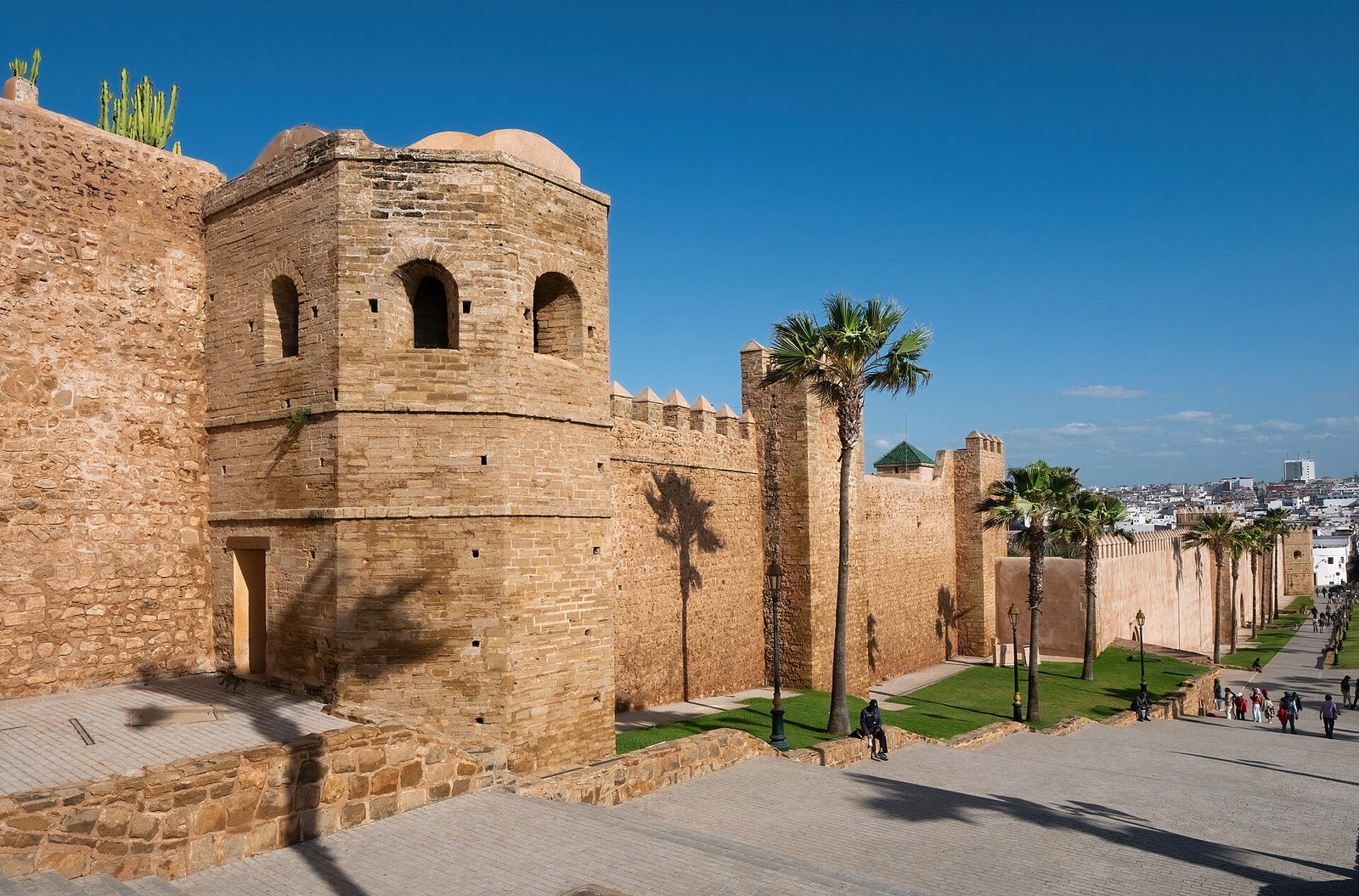
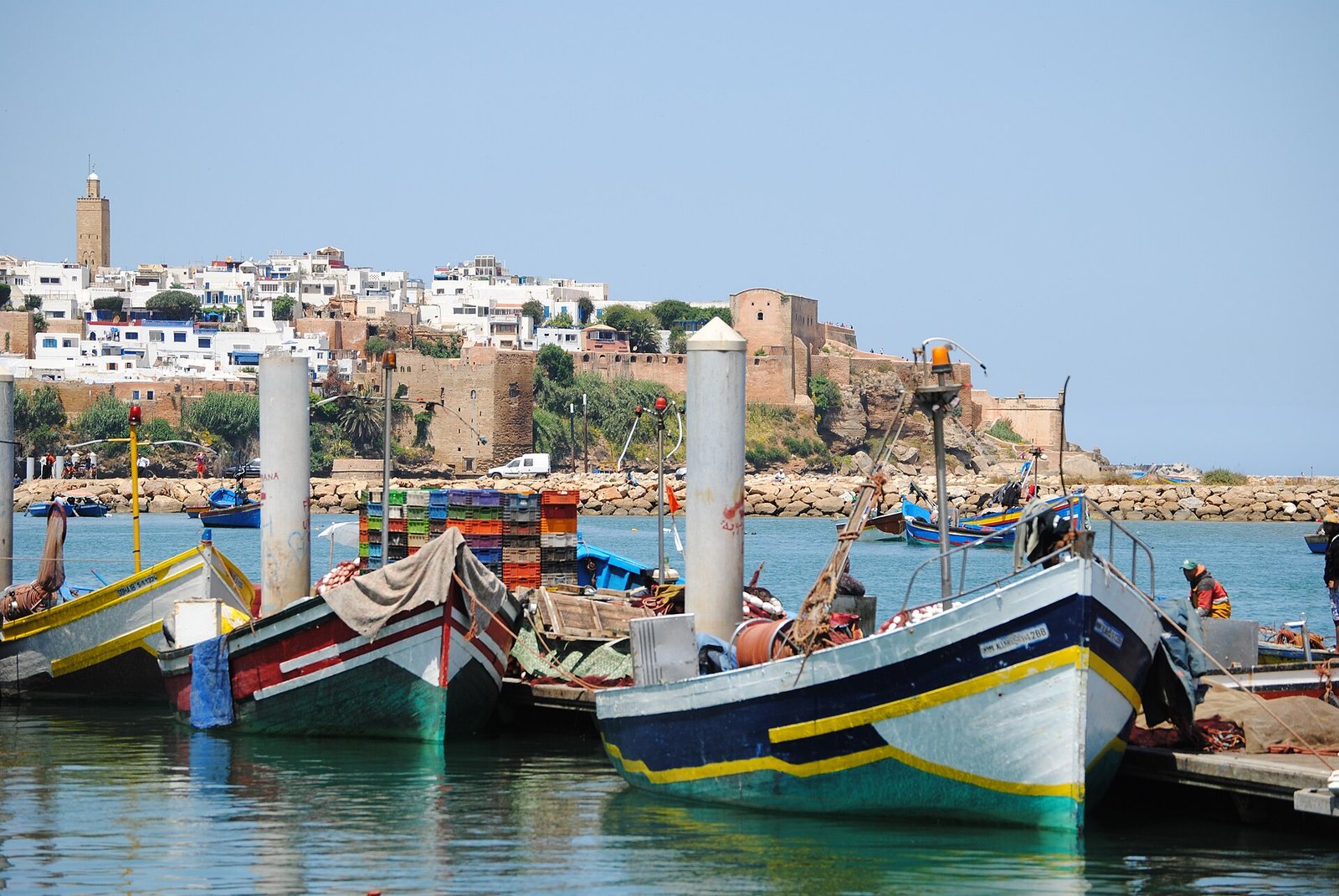
White-and-blue lanes, gardens, walls, and Atlantic views create Rabat’s most memorable historic walk. Allow 2–3 hours. Visit in daylight, dress respectfully, decline unwanted guiding clearly, and protect belongings without displaying anxiety. Keep Kasbah of the Udayas only when it serves the traveler’s Rabat priorities, not merely to lengthen the list.
Hassan Tower and Mausoleum of Mohammed V
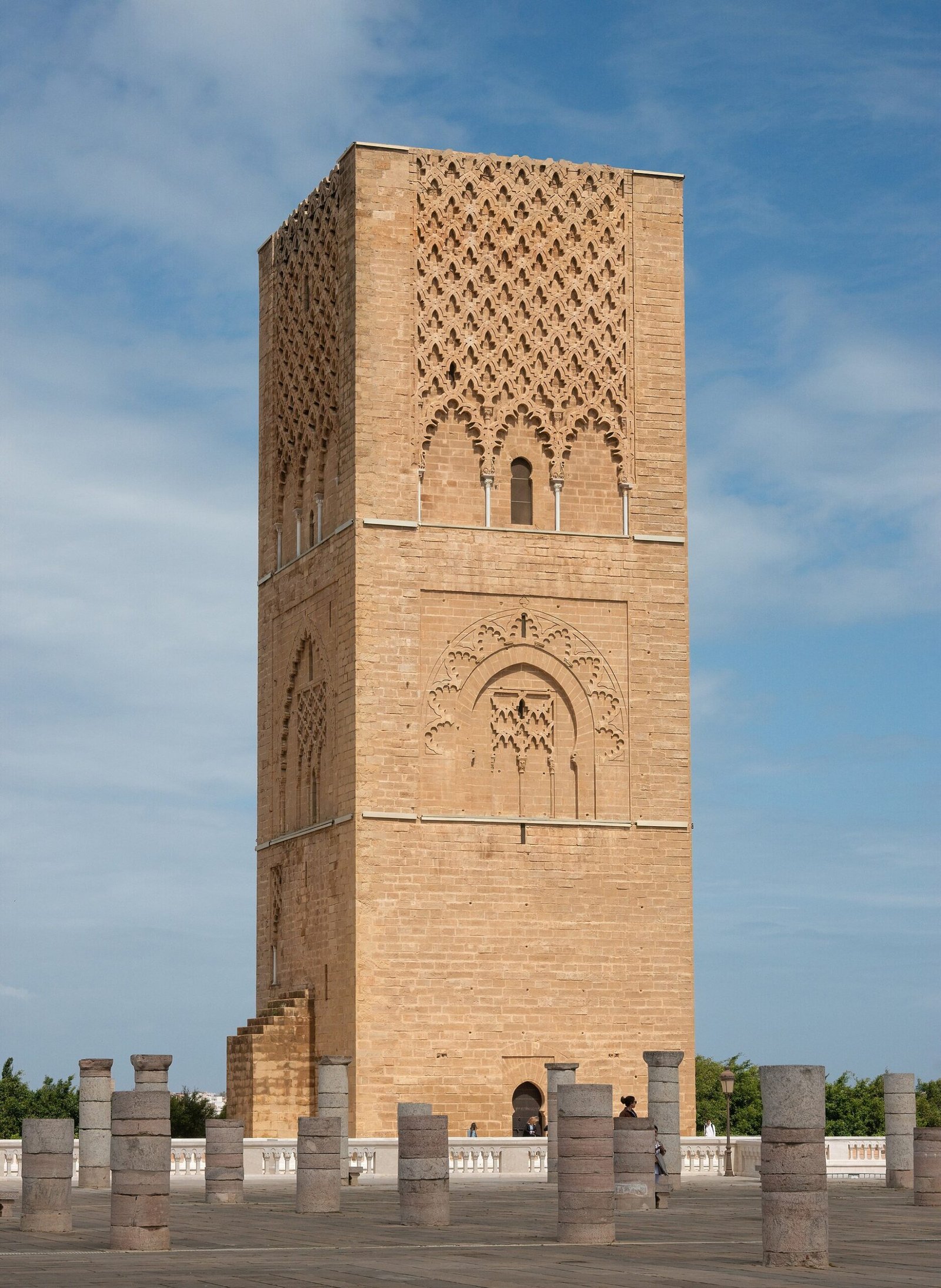
The unfinished mosque complex and royal mausoleum form a ceremonial historical ensemble. Allow 1–2 hours. Check access around official events, dress conservatively, and avoid interrupting religious or state activity. Keep Kasbah of the Udayas only when it serves the traveler’s Rabat priorities, not merely to lengthen the list.
Mohammed VI Museum of Modern and Contemporary Art
The national collection adds modern Moroccan art to a trip often dominated by monuments. Allow 2–3 hours. Verify exhibition and closed-day information, then combine the museum with central cafés or the station area. Keep Kasbah of the Udayas only when it serves the traveler’s Rabat priorities, not merely to lengthen the list.
Salé and the Bouregreg
Crossing the river reveals a distinct old city, waterfront, and relationship with Rabat. Allow Half day. Use the tram or official transport, visit in daylight, and return before unfamiliar lanes become quiet. Keep Kasbah of the Udayas only when it serves the traveler’s Rabat priorities, not merely to lengthen the list.
Chellah
Roman and medieval remains in a garden-like setting show the city’s deeper layers. Allow 2–3 hours. Check restoration and ticket access through official tourism information, carry sun protection, and avoid closed areas. Keep Kasbah of the Udayas only when it serves the traveler’s Rabat priorities, not merely to lengthen the list.
A PRACTICAL ROUTE
Suggested itinerary
Kasbah and medina
Walk the Udayas in morning light, continue through the medina, and keep dinner close.
Hassan monuments and museum
Visit the tower and mausoleum respectfully, then choose the modern-art museum.
Chellah and Agdal
Use the cooler hours for the archaeological site and finish around Agdal cafés.
Salé or rail buffer
Cross by tram for a half-day, or protect the time for an onward train and any closure encountered earlier.
REALISTIC BUDGET
Estimated travel costs
Rabat costs move most with March–May or September–November, booking timing, taxes, and the specific room location in Hassan. Rabat’s dollar figures use August 1, 2026 reference rates; recalculate them before payment.
TRAVEL WELL
Practical travel tips
- Dress conservatively for religious and ceremonial sites, and never interrupt worship for a photograph.
- Confirm Ramadan and public-holiday hours directly because meals, museums, and transport rhythms change.
- Use official taxis or the tram, and ask the accommodation about current meter or shared-taxi practice.
- Carry some dirhams for markets and small cafés while using cards at established businesses.
- Solo female travelers should choose active streets, decline unwanted attention firmly, and arrange transport after late dining.
- For Rabat, use licensed taxis, official transit, or well-reviewed ride-hailing after dark.
- For Rabat, keep phones and wallets secure in busy stations, markets, and nightlife districts.
- For Rabat, save the accommodation address offline and confirm the final train or bus before evening plans.
COMMON QUESTIONS
Rabat travel FAQ
How many days do you need in Rabat?
Rabat works best with 3–4 days for a first visit. A short Rabat trip should pair Kasbah of the Udayas with one nearby priority; extra time belongs to meals, weather, or walking delays.
Is Rabat expensive?
In Rabat, a budget traveler can plan around MAD 400–700 (about US$43–75) per person per day before long-distance arrival costs. The largest Rabat premiums come from Hassan, peak dates, private transport, and guided access to Kasbah of the Udayas.
Do you need a car in Rabat?
A car is unnecessary in Rabat. Walking, tram, train, and petit taxi cover the useful city and regional itinerary.
What is the best month to visit Rabat?
April often provides mild gardens and comfortable walking, while October is a strong alternative outside peak summer heat.
Is Rabat safe for solo female travelers?
Many solo female travelers can plan Rabat with ordinary destination-appropriate precautions. Solo female travelers should choose active streets, decline unwanted attention firmly, and arrange transport after late dining. Before departing for Rabat, review current government advice alongside local weather and transport notices.
What should you book in advance for Rabat?
Reserve popular riads, high-speed trains, major exhibitions, and guided regional trips. Outdoor monuments should be reconfirmed for official closures.
KEEP EXPLORING
Related The Wander Muse guides
CHECK BEFORE DEPARTURE
Sources and official resources
Schedules, fares, access rules, closures, and entry systems affecting Rabat can change. Recheck the official resources below shortly before departure.