START HERE
Why visit Malta
Malta compresses fortified cities, prehistoric sites, swimming coves, working harbors, and a second-island excursion into a destination small enough to appear simple on a map. In practice, traffic, bus routes, ferry timing, heat, and limited-entry heritage sites reward careful planning. Malta suits history lovers, couples, solo travelers, divers, and visitors combining culture with Mediterranean water. Five days cover Valletta, Mdina, the Three Cities, and one coastal zone; six or seven days allow Gozo and weather flexibility. This guide explains the airport connection, where Valletta differs from Sliema, when buses or ferries beat a rental car, realistic euro costs, and a route that avoids crossing the island several times per day. The most important decision is whether Gozo is a day trip or an overnight stay, because that choice shapes transport and accommodation.
AT A GLANCE
Malta quick travel summary
Malta prices use euros with rounded dollar comparisons. Summer rooms, heritage passes, Hypogeum availability, Gozo transport, festival dates, and airport-transfer choices can change the final amount.
WHEN TO GO
Best time to visit
Spring (March–May)
Spring brings green landscapes, mild walking weather, and increasing daylight. Easter and public events create crowd spikes, while sea temperatures remain cool early in the season. It is an excellent period for Valletta, Mdina, coastal walks, and Gozo. Carry wind and rain protection and reserve limited-entry archaeological sites rather than waiting until arrival.
Summer (June–August)
Summer is hot, dry, crowded, and expensive. Historic streets offer little shade at midday, buses can be full, and beach parking becomes difficult. The sea is warm and festival evenings are lively. Start heritage visits early, use the hottest hours for swimming or rest, and reserve air-conditioned accommodation. Do not schedule multiple exposed ruins in one afternoon.
Fall (September–November)
September remains hot and popular, while October often balances warm water with easier sightseeing. Storms and strong wind become more likely later, affecting ferries and swimming. Prices soften outside events. This is a strong season for a mixed culture-and-coast trip, with an inland alternative saved for any rough-sea day.
Winter (December–February)
Winter is mild by northern European standards but can be windy, rainy, and cool inside stone buildings. Accommodation value improves outside holidays, while attraction hours and ferry schedules may be reduced. Use this period for museums, cafes, and city walks. Pack warm layers and waterproof shoes instead of planning a guaranteed beach holiday.
ARRIVING
How to get there
Malta International Airport is the country’s only commercial airport and connects with Valletta, Sliema, St. Julian’s, northern towns, and ferry corridors by official bus services. Malta Public Transport and the airport publish current routes, ticket points, and direct services; confirm them before travel because route names and seasonal operations change. Fixed or metered taxis, app-based services, hotel transfers, and rental cars are also available. Valletta-bound travelers often find the bus or a confirmed ride simplest. Driving is on the left, roads are busy, and parking inside historic centers is limited. Travelers arriving late should avoid collecting a car solely for one night. Gozo requires onward sea transport from the relevant ferry terminal, so allow contingency after a flight.
MOVING AROUND
Getting around
Malta’s bus network reaches major towns, beaches, the airport, and ferry terminals, but travel times can be longer than distance suggests and popular routes fill in summer. Buy the visitor card or fare product that matches the actual itinerary rather than automatically choosing the longest pass. Harbor ferries are efficient between Valletta, Sliema, and the Three Cities when weather permits. A rental car is useful for rural Malta or Gozo but creates parking and left-side-driving stress. Taxis fill gaps after late dinners or between poorly connected coastal areas. Walking works inside Valletta, Mdina, Birgu, and compact towns, though limestone surfaces, stairs, and heat require suitable shoes.
CHOOSE A BASE
Where to stay
Valletta — best for first-time history and transport
Valletta places museums, forts, restaurants, buses, and harbor ferries within a compact peninsula. It is ideal for a short culture-focused stay and atmospheric evenings after day visitors leave. Rooms are expensive, streets include stairs, and nightlife is quieter than St. Julian’s. Choose it for car-free convenience and early heritage access.
Sliema or Gżira — best for value and harbor connections
Sliema and Gżira offer apartments, waterfront walking, ferries to Valletta, buses, shops, and broad dining choice. They are convenient for longer stays and remote work. Construction, traffic, and dense development reduce historic charm. This base suits budget-conscious couples, solo travelers, and visitors who want practical services.
St. Julian’s or Gozo — best for nightlife or quiet landscapes
St. Julian’s provides resorts, restaurants, and nightlife but can be noisy around Paceville. Gozo offers villages, coast, diving, and slower evenings but requires ferry planning. These are opposite choices: select St. Julian’s for social energy and Gozo for nature, not because either is the most central sightseeing base.
PLAN YOUR DAYS
Best things to do
Valletta and its fortifications
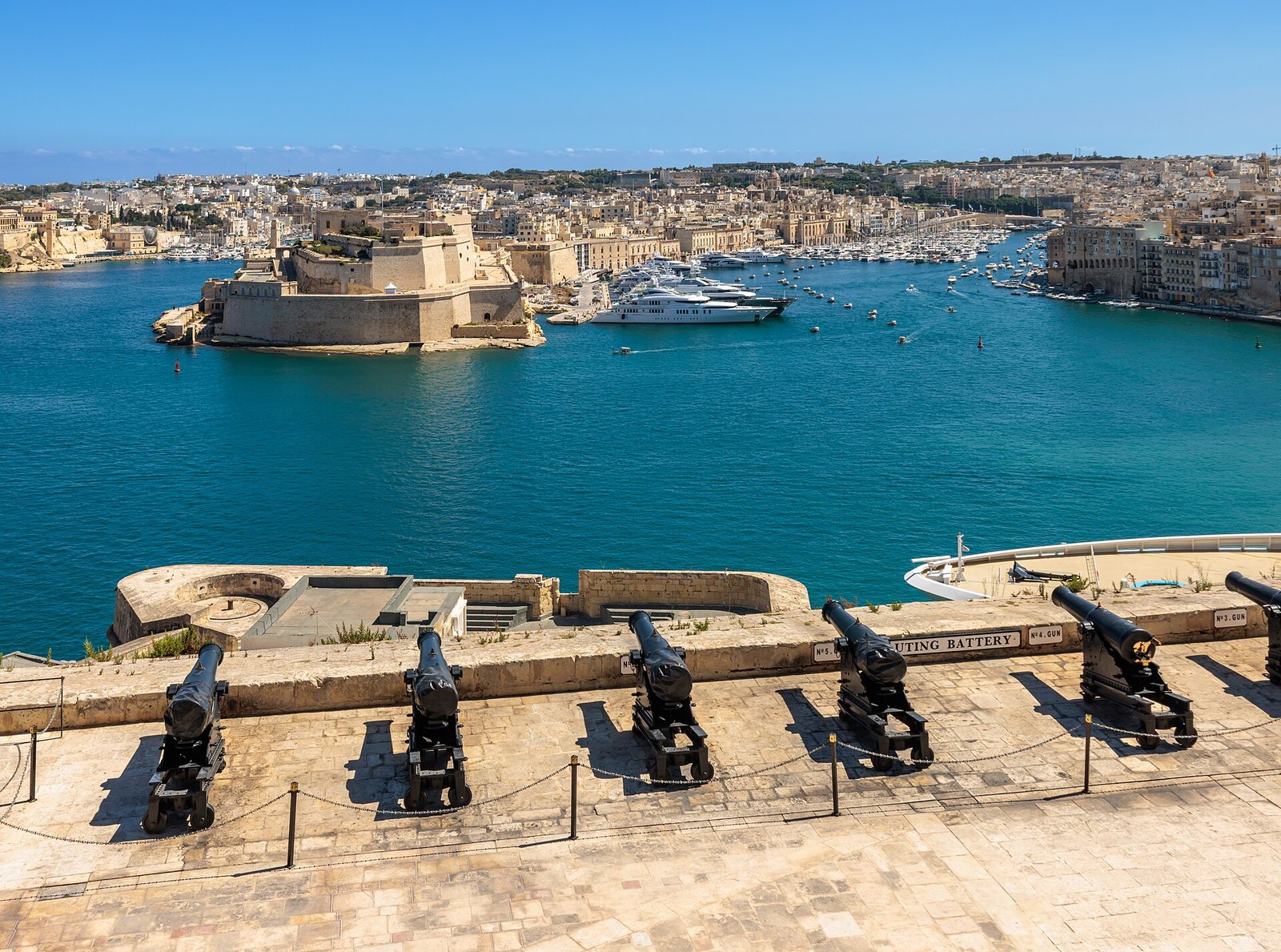
Valletta deserves a full day for streets, harbor viewpoints, churches, and one or two museums. Begin early at a ticketed site, then use the afternoon for public spaces and Upper Barrakka views. Opening days differ among institutions. Dress appropriately for churches, keep the route geographically tight, and avoid collecting museum tickets that leave no time to understand the city outside.
The Three Cities
Birgu, Senglea, and Cospicua present maritime history and quieter streets across the Grand Harbour. Reach them by ferry when operating and allow half a day. Begin in Birgu, choose one museum or fort, then walk only as far as comfort and heat allow. This outing is especially rewarding in late afternoon, but confirm the final ferry or arrange a taxi return.
Mdina and Rabat
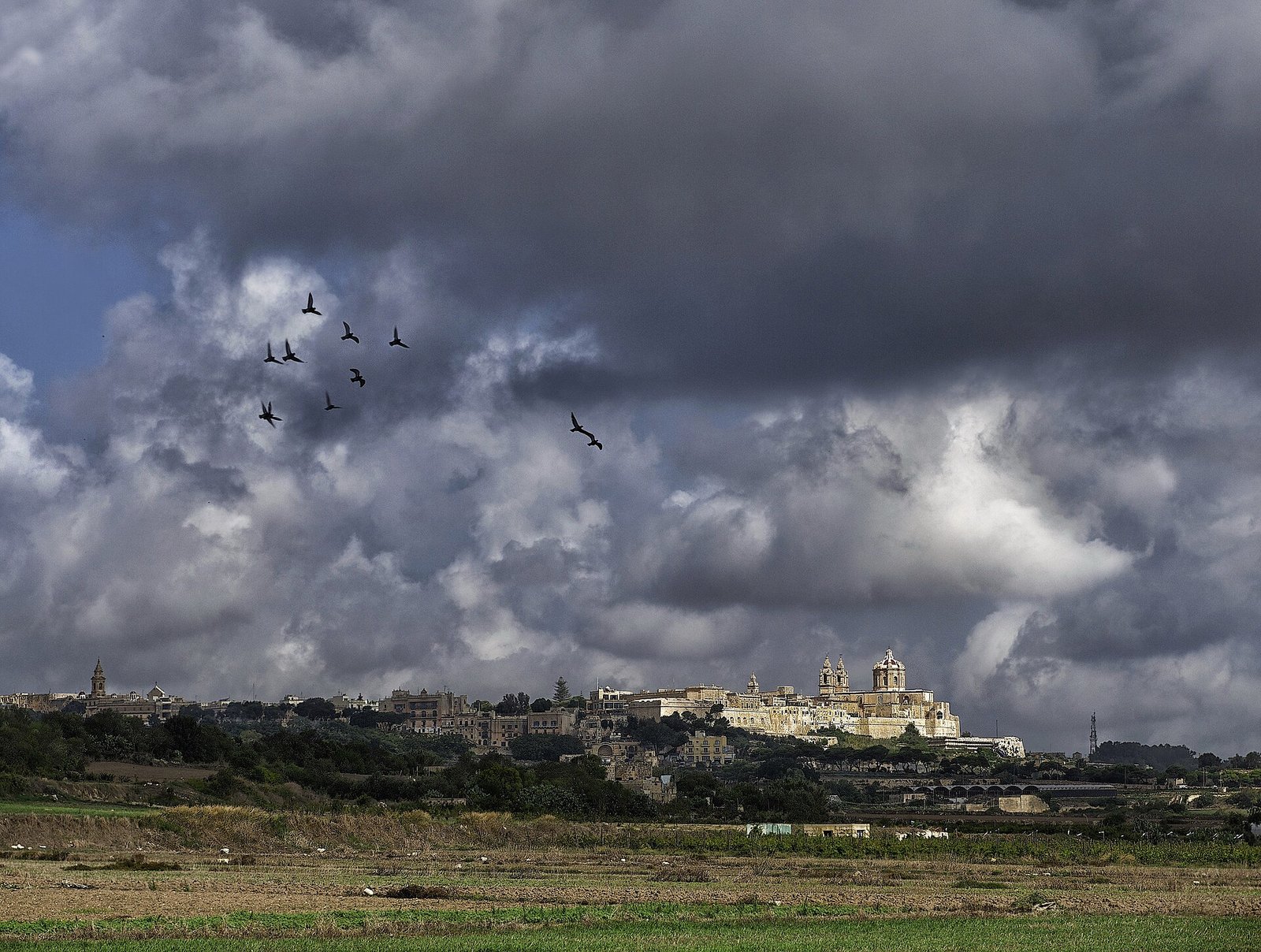
Mdina’s enclosed streets pair naturally with Rabat’s archaeology and local life. Allow most of a day, arriving before the busiest coach groups. Choose one or two paid sites according to interest and opening hours. Buses avoid parking stress, while evening dining requires checking the return. Stone lanes can be slippery and exposed to heat despite the city’s compact scale.
Ħal Saflieni Hypogeum or prehistoric temples
Malta’s prehistoric sites provide context found nowhere else on the trip. Hypogeum entry is tightly limited and should be booked through Heritage Malta well in advance; last-minute availability is not reliable. Travelers without tickets can choose above-ground temple complexes or archaeology museums. Allow three to five hours including transport, follow photography rules, and respect conservation limits.
Gozo day trip or overnight
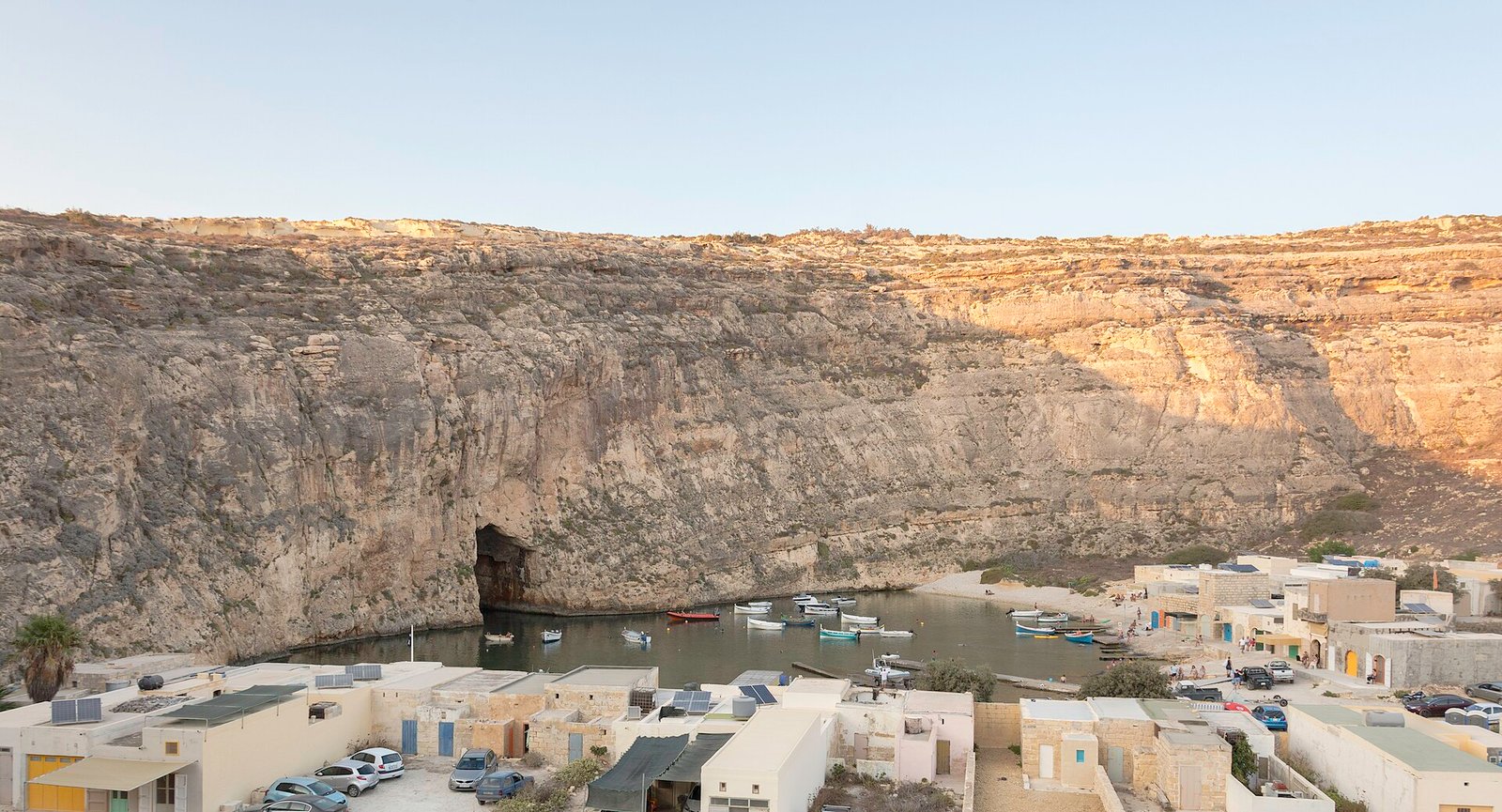
Gozo offers the Citadel, villages, coastal scenery, diving, and a slower pace. A day trip should focus on one side plus Victoria rather than circling every landmark. An overnight supports sunset and calmer mornings. Check ferry operations and local buses, or rent a suitable vehicle after arrival. Strong wind and rough sea can alter coastal access and boat activities.
A PRACTICAL ROUTE
Suggested itinerary
Valletta orientation
Arrive, settle in Valletta or the harbor area, and walk the Upper Barrakka, central streets, and waterfront viewpoints. Confirm ferry and heritage bookings without adding a distant attraction after the flight.
Valletta museums and the Three Cities
Visit the highest-priority Valletta site at opening, then cross by harbor ferry to Birgu and the Three Cities. Return before the final convenient service or use a confirmed taxi.
Mdina and Rabat
Travel inland early, explore Mdina before peak groups, and continue on foot into Rabat for one archaeological or museum visit. Keep dinner near the accommodation instead of adding another cross-island trip.
Prehistory and southern coast
Use a reserved Hypogeum slot or visit an alternative temple complex. Add one nearby fishing village or coastal viewpoint according to weather, grouping the southern zone in a single day.
Gozo
Take an early ferry and focus on Victoria, the Citadel, and one coastal or village zone. Stay overnight when possible; otherwise confirm the return before committing to sunset in a remote area.
Sliema, coast, or weather reserve
Use the final day for a harbor walk, swimming area, museum postponed by weather, or a slower cafe day. Keep airport transfer time generous because traffic can make short distances unpredictable.
REALISTIC BUDGET
Estimated travel costs
Malta dollar equivalents use the late-July 2026 ECB reference rate and are rounded. Confirm heritage-site availability, pass coverage, ferry operations, and public-transport products shortly before travel.
TRAVEL WELL
Practical travel tips
- Reserve the Ħal Saflieni Hypogeum through Heritage Malta well before travel; do not build a trip around last-minute tickets.
- Use harbor ferries for Valletta, Sliema, and the Three Cities when operating, then check the last return before dinner.
- Buses are comprehensive but can be slow and crowded; avoid scheduling tightly timed attractions immediately after a long route.
- Driving is on the left, parking is limited, and rental terms should be checked before taking a vehicle to Gozo.
- Carry water, sun protection, and grippy shoes; exposed limestone reflects heat and becomes slippery when wet.
- Cards are common, but small euro amounts remain useful for minor purchases and temporary terminal problems.
- Solo women travelers should use populated stops after dark, avoid isolated swimming areas alone, and arrange transport before late nightlife.
- Accessibility varies across fortifications, ferries, historic stairs, and archaeological sites; request exact step-free details directly.
COMMON QUESTIONS
Malta travel FAQ
How many days do you need in Malta?
Five days cover Valletta, Mdina, the Three Cities, and one archaeological or coastal day. Six or seven days allow Gozo and weather flexibility.
Do you need a car in Malta?
No for a first visit based in Valletta or Sliema. Buses, ferries, walking, and occasional taxis cover major sights. A car helps with rural routes but adds parking and left-side-driving stress.
Where should first-time visitors stay?
Valletta is best for history and transport. Sliema offers more apartments and harbor connections. St. Julian’s suits nightlife, while Gozo is better as a second base.
What is the best month to visit Malta?
May, June, late September, and October balance swimming with comfortable sightseeing. July and August are hottest and busiest; winter is quieter but wetter and windier.
Is Malta expensive?
Malta can be moderate, but summer rooms and waterfront dining are costly. Public buses, ferries, local cafes, free streets, and selective museum tickets keep spending manageable.
Is Malta safe for solo female travelers?
Malta is generally manageable with normal precautions. Watch drinks in nightlife areas, use populated transport stops late, and avoid isolated coastal paths or swimming alone.
KEEP EXPLORING
Related The Wander Muse guides
CHECK BEFORE DEPARTURE
Sources and official resources
Schedules, fares, closures, access rules, and reservations affecting Malta can change. Recheck the official resources below shortly before departure.