START HERE
Why visit Cape Verde
Cape Verde is a ten-island country where beach-focused Sal and Boa Vista differ completely from musical São Vicente and mountainous Santo Antão. A well-paced visit connects Sal or Boa Vista beaches, Mindelo, and Santo Antão hiking without turning every day into a race. Sal is easiest for a first beach trip; Mindelo supports São Vicente and Santo Antão; Praia is the Santiago gateway. The Cape Verde plan keeps Santa Maria, Sal transfers realistic, leaves meal time near Sal or Boa Vista beaches, and stays readable on a phone. It is best for winter-sun travelers, hikers, music lovers, wind-sports enthusiasts, and visitors who accept that each island has a different identity. Inter-island weather, flight and ferry buffers, mountain guidance, and the decision to limit the trip to two island groups matter more than covering the full country. The Cape Verde guide ties seasonal conditions to the main gateway, Santa Maria, Sal, local-currency costs, and an itinerary centered on Sal or Boa Vista beaches.
AT A GLANCE
Cape Verde quick travel summary
Cape Verde prices are planning ranges. Confirm the final amount in Cape Verdean escudo (CVE), including taxes, booking terms, and exactly what each Cape Verde transport or activity ticket covers.
WHEN TO GO
Best time to visit
Late dry and windy season (March–May)
In Cape Verde, this period brings dry weather, warm days, and persistent trade winds. Easter and European holidays raise selected island prices. Its main advantage is hiking, wind sports, and coast exploration; the disadvantage is that rough crossings and exposed ridges require judgment. Dry, windy conditions favor hiking and wind sports, while sea crossings can remain rough. Before an outdoor day in Cape Verde, recheck official weather and the transport needed for Sal or Boa Vista beaches.
Warm season (June–August)
In Cape Verde, this period brings warmer air, changing wind, and occasional humid periods. Summer visitors lift flight and room demand. Its main advantage is beaches, diving, music, and longer island days; the disadvantage is that inter-island reliability still cannot be assumed. Warmer air and sea suit beach travel, but some months are humid and inter-island weather remains variable. Before an outdoor day in Cape Verde, recheck official weather and the transport needed for Sal or Boa Vista beaches.
Short wet transition (September–October)
In Cape Verde, this period brings brief rain bursts, greener mountain slopes, and warm seas. Demand can soften outside events. Its main advantage is photography, hiking between showers, and local culture; the disadvantage is that roads, trails, and flights become less predictable. Short wet-season bursts can green mountain islands, while roads, flights, and trails become less predictable. Before an outdoor day in Cape Verde, recheck official weather and the transport needed for Sal or Boa Vista beaches.
Winter sun (November–February)
In Cape Verde, this period brings dry days, strong wind, and cooler mountain evenings. This is peak demand on major beach islands. Its main advantage is hiking, beaches, and escape from northern winter; the disadvantage is that rooms, guides, and flights need early booking. Dry winter-sun demand is high on Sal and Boa Vista, with strong wind and cooler mountain evenings. Before an outdoor day in Cape Verde, recheck official weather and the transport needed for Sal or Boa Vista beaches.
ARRIVING
How to get there
SID on Sal and RAI near Praia receive many international arrivals, while Boa Vista and São Vicente also have important airports. Select the entry airport only after deciding which two island groups fit the trip. Domestic flights and ferries connect islands on schedules vulnerable to wind and operational changes; they should never be placed immediately before an international departure. Official taxis and prearranged transfers serve airports, while aluguer minibuses provide inexpensive local transport where routes operate. Confirm all sectors directly, keep essentials in hand luggage, and build at least one full buffer day before flying home.
MOVING AROUND
Getting around
Transport differs by island. Aluguer minibuses are affordable and social but may leave when full and do not serve every trailhead. Taxis and private drivers are useful for fixed day routes. Rental cars suit Sal, Boa Vista, and selected larger islands, with road and insurance conditions checked carefully. Ferries are essential for São Vicente–Santo Antão travel and less dependable as a tightly timed countrywide network. Walking works in Mindelo, Praia, and Santa Maria, while mountain hikes require local guidance. The most efficient first trip combines one beach island with São Vicente and Santo Antão, not several disconnected one-night stops. For a 8–12 days visit, use Santa Maria, Sal for the arrival-focused days, group Sal or Boa Vista beaches with Mindelo, and protect Santo Antão hiking for the period with the best conditions. Put Sal or Boa Vista beaches and Mindelo on different Cape Verde stages; the separation protects meal time and a weather fallback. Accessible Cape Verde bookings should confirm domestic flight access and the precise final approach to Sal or Boa Vista beaches.
CHOOSE A BASE
Where to stay
Santa Maria, Sal — best for first-time beach convenience
International access, resorts, restaurants, and water sports make this the easiest winter-sun base. It can feel packaged and costs more than less-visited islands.
Mindelo, São Vicente — best for music and access to Santo Antão
The port city provides cultural evenings, restaurants, and the ferry gateway. Beaches are not the main focus and event dates create noise and demand.
Ribeira Grande or Ponta do Sol, Santo Antão — best for hiking and mountain scenery
A mountain base supports early trail starts and village life. Roads are slow, weather changes quickly, and luggage logistics require planning.
PLAN YOUR DAYS
Best things to do
Sal or Boa Vista beaches
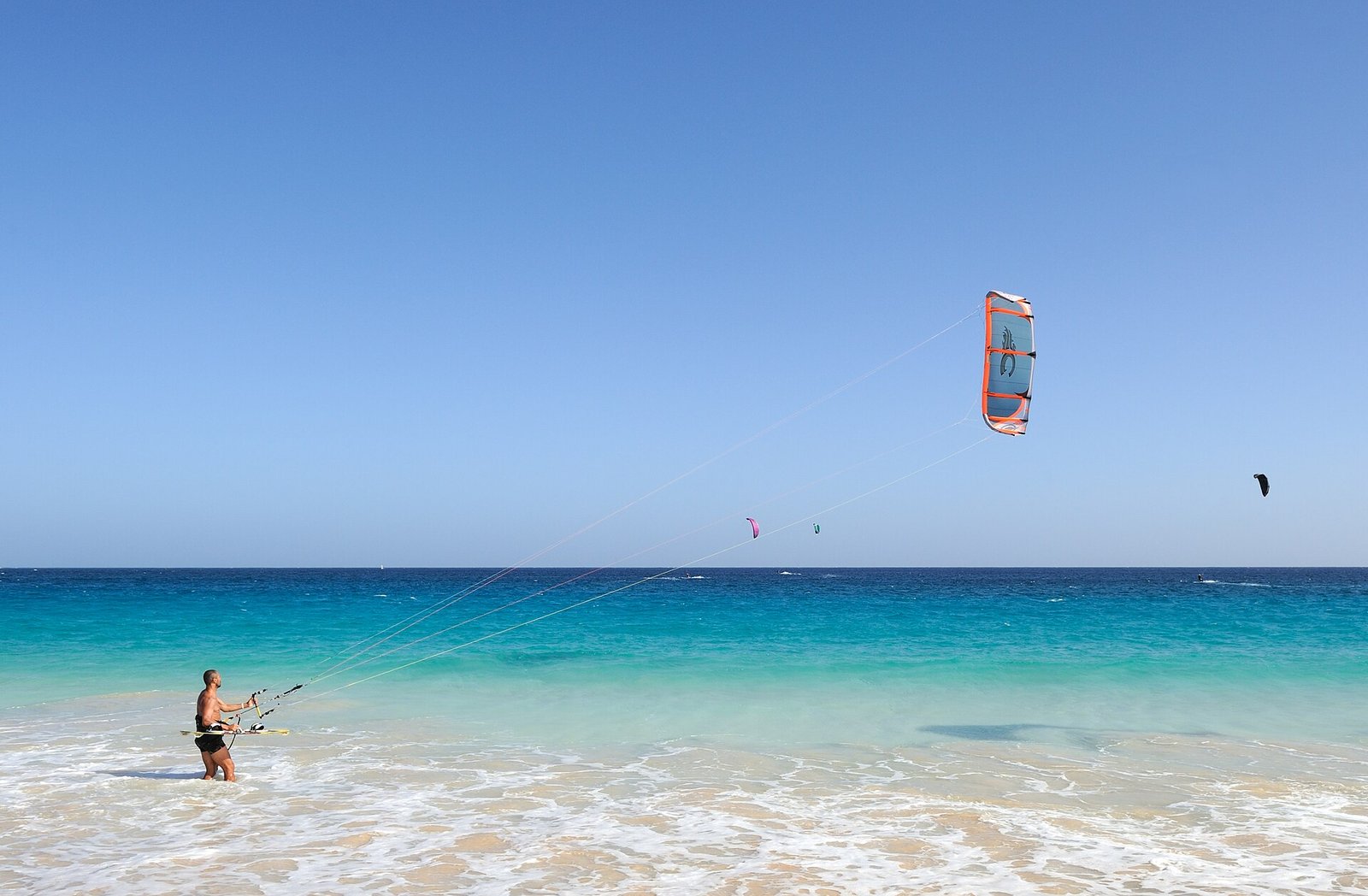
Long sand, clear Atlantic light, and resort services provide the country’s easiest beach chapter. Allow 2–4 days. Follow surf and wind advice, choose licensed water-sport operators, and do not drive on protected dunes. Keep Sal or Boa Vista beaches only when it serves the traveler’s Cape Verde priorities, not merely to lengthen the list.
Mindelo
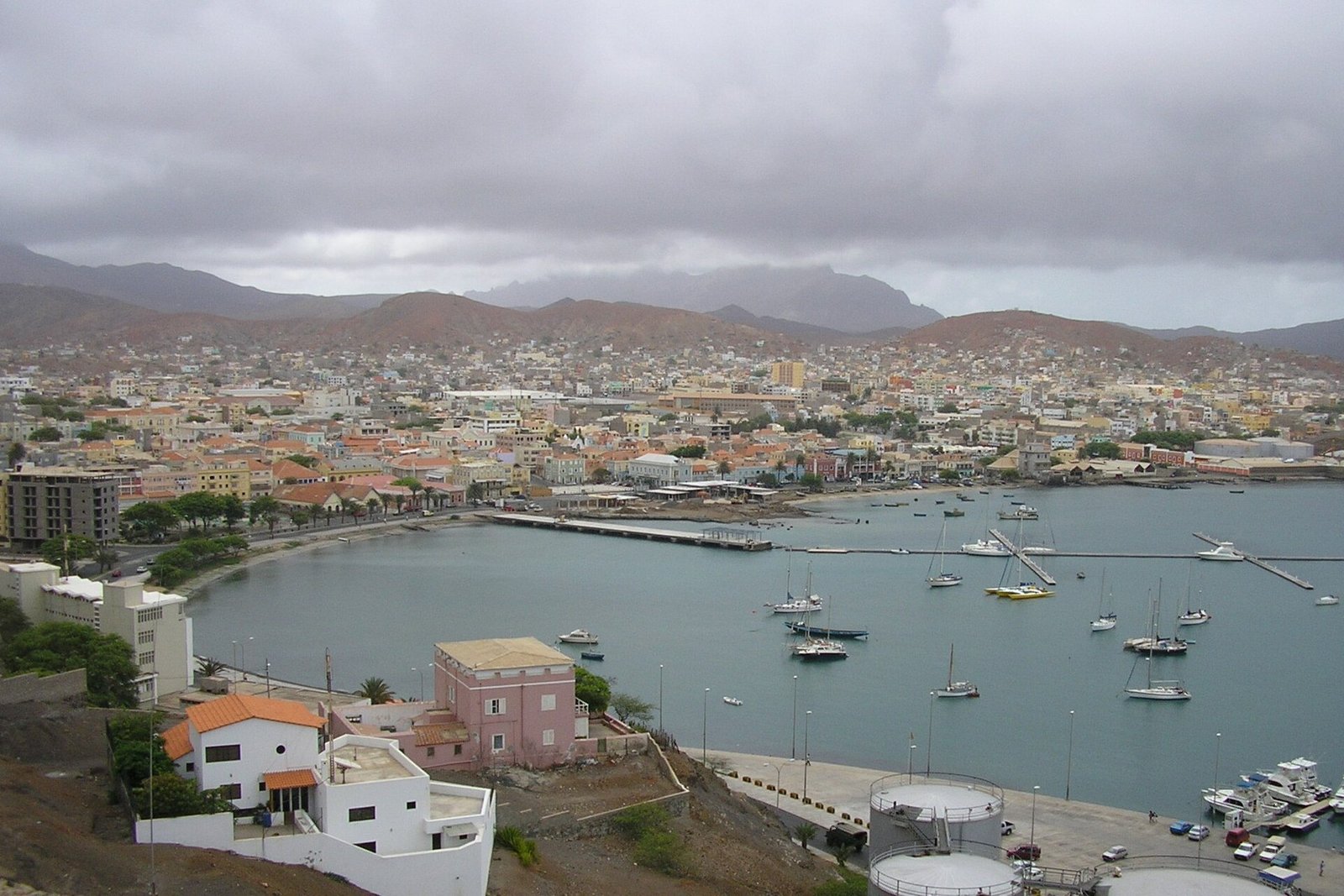
Music, markets, colonial-era streets, and harbor life make São Vicente culturally distinct. Allow 1–2 days. Check live-event calendars, explore in daylight, and arrange transport after late music. Keep Sal or Boa Vista beaches only when it serves the traveler’s Cape Verde priorities, not merely to lengthen the list.
Santo Antão hiking
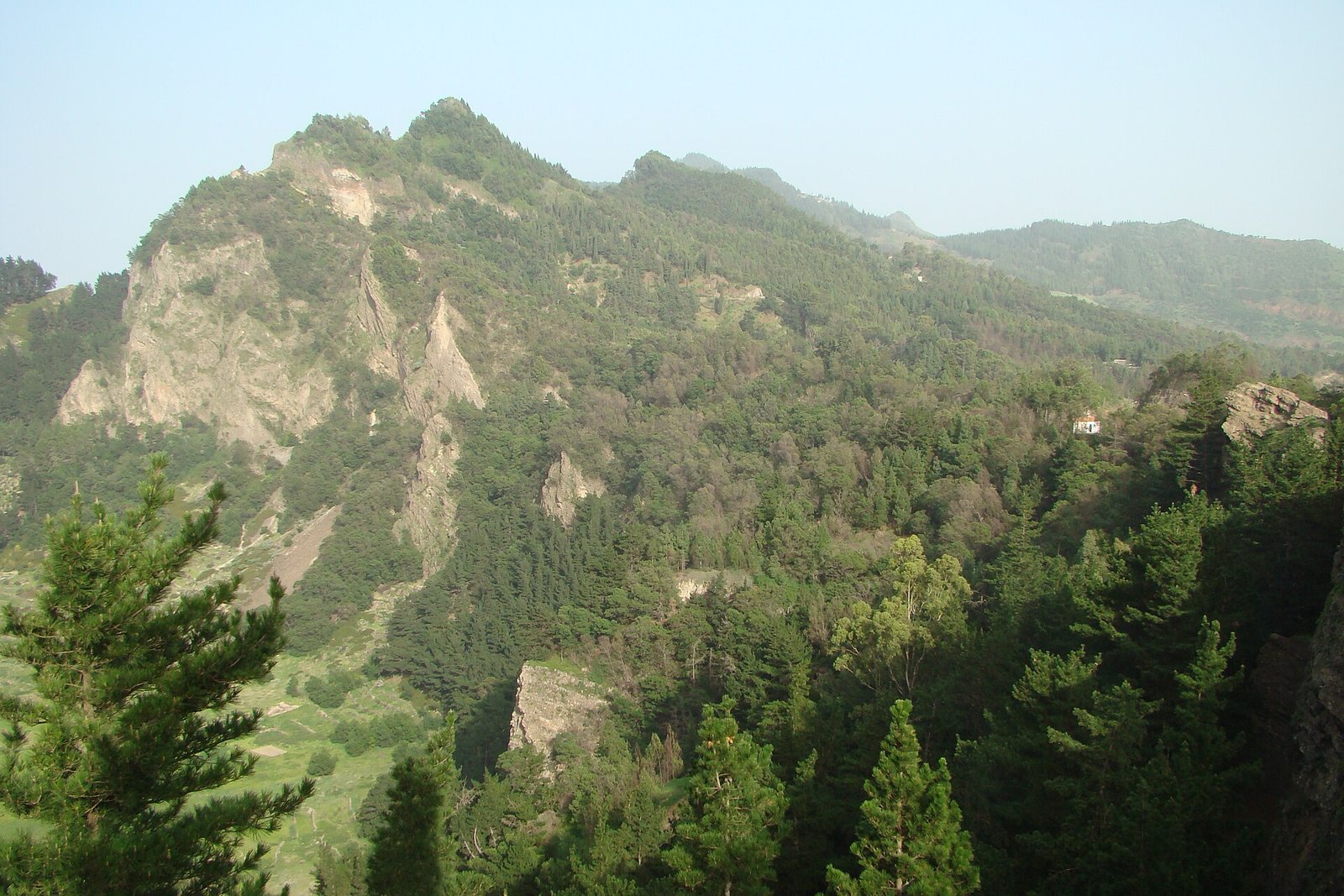
Deep valleys, volcanic ridges, villages, and cultivated terraces form the country’s strongest walking landscape. Allow 2–4 days. Use a local guide for unfamiliar routes, carry layers and water, and check road or trail conditions each morning. Keep Sal or Boa Vista beaches only when it serves the traveler’s Cape Verde priorities, not merely to lengthen the list.
Cidade Velha
The historic former capital on Santiago adds essential Atlantic and colonial history. Allow Half day. Visit with respectful interpretation, check official heritage access, and combine it with a focused Praia stay. Keep Sal or Boa Vista beaches only when it serves the traveler’s Cape Verde priorities, not merely to lengthen the list.
Pedra de Lume or an island landscape excursion
A guided interior outing can reveal geology and settlement beyond resort beachfronts. Allow 3–5 hours. Choose an authorized operator, clarify entrance and transport inclusions, and avoid tours that damage fragile terrain. Keep Sal or Boa Vista beaches only when it serves the traveler’s Cape Verde priorities, not merely to lengthen the list.
A PRACTICAL ROUTE
Suggested itinerary
Arrive on Sal
Settle in Santa Maria and keep the first beach afternoon close to the hotel.
Sal landscape
Use a guided island route or water activity matched to wind and sea conditions.
Beach buffer
Protect a second day for swimming, diving, or the activity weather delayed.
Fly to São Vicente
Make the inter-island flight the main task and explore Mindelo after check-in.
Mindelo
Visit markets and cultural streets, then choose live music with a safe return.
Ferry to Santo Antão
Cross early, meet the confirmed driver or guide, and reach the hiking base.
Santo Antão valleys
Complete one well-matched guided route rather than several partial trails.
Second mountain day
Choose a different valley or coastal walk based on weather and fitness.
Return to Mindelo
Take a buffered ferry and keep the evening flexible.
International buffer
Return to the departure island or protect the full day before the long-haul flight.
REALISTIC BUDGET
Estimated travel costs
Cape Verde costs move most with November–June, booking timing, taxes, and the specific room location in Santa Maria, Sal. Cape Verde’s dollar figures use August 1, 2026 reference rates; recalculate them before payment.
TRAVEL WELL
Practical travel tips
- Limit a first trip to two island groups; every extra flight or ferry creates another failure point.
- Keep at least one full buffer day before the international departure.
- Use local guides for Santo Antão hikes and tell them honestly about fitness and vertigo.
- Carry cash outside resorts because ATMs and card acceptance vary between islands.
- Solo travelers should share ferry and hiking details, choose licensed taxis, and avoid isolated beaches after dark.
- Respect surf, tide, cliff, and dune restrictions around exposed coasts.
- Build buffers around ferries or flights and keep essentials in hand luggage.
- Use licensed operators for boats and wildlife encounters.
COMMON QUESTIONS
Cape Verde travel FAQ
How many days do you need in Cape Verde?
Cape Verde works best with 8–12 days for a first visit. A short Cape Verde trip should pair Sal or Boa Vista beaches with one nearby priority; extra time belongs to meals, weather, or domestic flight delays.
Is Cape Verde expensive?
In Cape Verde, a budget traveler can plan around CVE 6,000–10,000 (about US$62–103) per person per day before long-distance arrival costs. The largest Cape Verde premiums come from Santa Maria, Sal, peak dates, private transport, and guided access to Sal or Boa Vista beaches.
Do you need a car in Cape Verde?
A car can help on individual islands but does not solve inter-island logistics. Taxis, aluguers, ferries, flights, and guides create a better mixed plan.
What is the best month to visit Cape Verde?
February is strong for dry winter sun and wind sports, while May can feel warmer with somewhat different wind conditions.
Is Cape Verde safe for solo female travelers?
Many solo female travelers can plan Cape Verde with ordinary destination-appropriate precautions. Solo travelers should share ferry and hiking details, choose licensed taxis, and avoid isolated beaches after dark. Use current government guidance and destination notices—not an old booking page—to make the final Cape Verde risk check.
What should you book in advance for Cape Verde?
Reserve international and domestic flights, peak winter rooms, diving, and Santo Antão guides. Ferry schedules should be reconfirmed close to travel.
KEEP EXPLORING
Related The Wander Muse guides
CHECK BEFORE DEPARTURE
Sources and official resources
Schedules, fares, access rules, closures, and entry systems affecting Cape Verde can change. Recheck the official resources below shortly before departure.