START HERE
Why visit Tbilisi
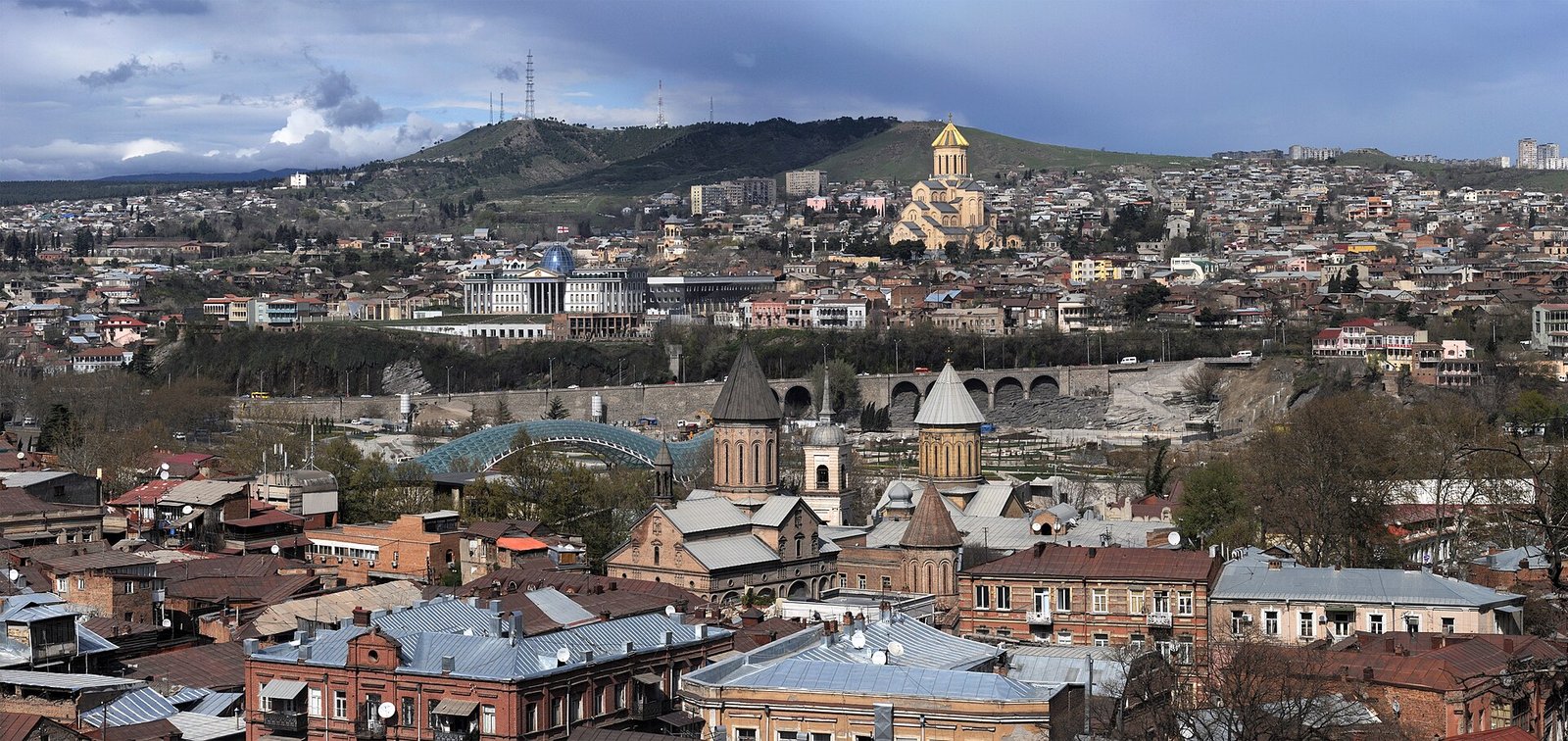
Tbilisi’s old courtyards, bath district, modern galleries, and wine culture create a city break that feels distinct from both Europe and Asia. A well-paced visit connects Abanotubani sulfur baths, Old Tbilisi and Narikala, and Dry Bridge and museums without turning every day into a race. Old Tbilisi is atmospheric but hilly; Vera suits restaurants; Sololaki balances architecture and central access. The Tbilisi plan keeps Sololaki transfers realistic, leaves meal time near Abanotubani sulfur baths, and stays readable on a phone. It suits architecture lovers, food and wine travelers, solo visitors, and couples comfortable with hills and visible urban contrasts. Bath reservations, airport transport, cash for small businesses, and the difference between walkable distance and steep elevation are the main planning points. The Tbilisi guide ties seasonal conditions to the main gateway, Sololaki, local-currency costs, and an itinerary centered on Abanotubani sulfur baths.
AT A GLANCE
Tbilisi quick travel summary
Tbilisi prices are planning ranges. Confirm the final amount in Georgian lari (GEL), including taxes, booking terms, and exactly what each Tbilisi transport or activity ticket covers.
WHEN TO GO
Best time to visit
Spring (March–May)
In Tbilisi, this period brings changeable mild weather, rain, and occasional storms. Weekends and school breaks lift demand unevenly. For Tbilisi, its main advantage is parks, neighborhoods, and outdoor landmarks; the disadvantage is that rapid weather changes can interrupt the route. Courtyards and hillside walks are pleasant, while rain and rapidly changing temperatures reward layers. Before an outdoor day in Tbilisi, recheck official weather and the transport needed for Abanotubani sulfur baths.
Summer (June–August)
In Tbilisi, this period brings long daylight, heat, humidity, and periodic storms. Family travel and major events keep central prices firm. For Tbilisi, its main advantage is early outdoor time and air-conditioned museums; the disadvantage is that midday exposure and busy event dates reduce flexibility. Hot afternoons make steep old-city routes tiring; indoor galleries and baths become useful midday. Before an outdoor day in Tbilisi, recheck official weather and the transport needed for Abanotubani sulfur baths.
Autumn (September–November)
In Tbilisi, this period brings cooler days, changing foliage, and shorter but comfortable light. For Tbilisi, festival and sports weekends can raise rooms while ordinary weeks soften. For Tbilisi, its main advantage is walking, food, and mixed indoor-outdoor plans; the disadvantage is that late-season cold or rain becomes increasingly possible. Wine-season energy and comfortable evenings create high demand, especially on popular weekends. Before an outdoor day in Tbilisi, recheck official weather and the transport needed for Abanotubani sulfur baths.
Winter (December–February)
In Tbilisi, this period brings cold days, short light, and occasional snow or ice. Holiday peaks interrupt otherwise lower demand. For Tbilisi, its main advantage is museums, food, and value-focused city time; the disadvantage is that transport disruption and limited outdoor hours narrow the plan. Low prices and bath weather contrast with icy pavements, short light, and occasional travel disruption. Before an outdoor day in Tbilisi, recheck official weather and the transport needed for Abanotubani sulfur baths.
ARRIVING
How to get there
TBS lies east of the center and is served by official taxi, app-based ride, public bus, transfer, and rail according to the current schedule. A verified ride or accommodation transfer is easiest late at night; public transport is cheapest when service aligns with the flight. Trains arrive at Tbilisi Central, connected to the metro. Marshrutkas and intercity buses use multiple stations, so an onward ticket must be matched to the correct departure point. A rental car is unnecessary in the city and can be challenging in narrow streets. Save the Georgian hotel address offline, use the airport’s authorized options, and avoid exchanging large sums before comparing the posted rate.
MOVING AROUND
Getting around
The metro and city buses cover major central and outer corridors at low cost, using the current official payment system. Walking is the best way to experience Sololaki, Rustaveli, and Old Tbilisi, but hills, uneven paving, and stairs make route choice important. The cable car provides a useful elevation change when operating. App-based rides and official taxis are inexpensive compared with many European capitals; confirm the vehicle and destination. Driving adds parking and local-road stress. Plan the bath district and Narikala together, Rustaveli museums together, and Vera or wine bars as a separate evening. For a 3–5 days visit, use Sololaki for the arrival-focused days, group Abanotubani sulfur baths with Old Tbilisi and Narikala, and protect Dry Bridge and central museums for the period with the best conditions. Put Abanotubani sulfur baths and Old Tbilisi and Narikala on different Tbilisi stages; the separation protects meal time and a weather fallback. Accessible Tbilisi bookings should confirm metro access and the precise final approach to Abanotubani sulfur baths.
CHOOSE A BASE
Where to stay
Sololaki — best for first-time architecture and central access
Historic buildings, restaurants, and walking distance to both Old Tbilisi and Rustaveli create a balanced base. Stairs, renovation quality, and street noise vary dramatically.
Old Tbilisi or Abanotubani — best for atmosphere and baths
Baths, fortress views, and historic lanes are immediately accessible. The area is hilly, tourist-oriented, and difficult for taxis at some doors.
Vera — best for food, nightlife, and a local rhythm
Vera has cafés, wine bars, and residential character while remaining close to central sights. It requires more uphill walking and is less convenient for a very short first visit.
PLAN YOUR DAYS
Best things to do
Abanotubani sulfur baths
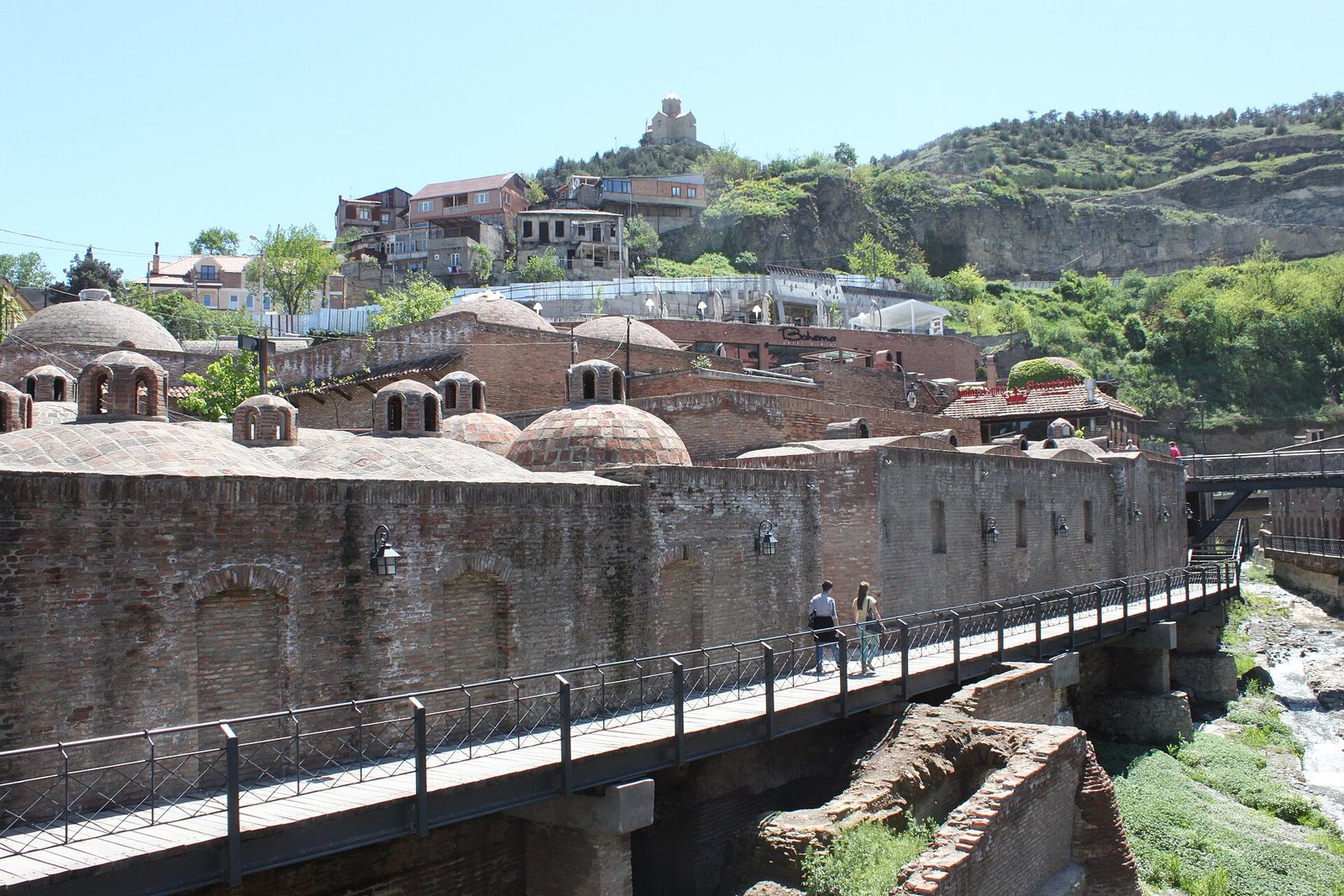
The domed bath district connects geology, urban history, and a still-living bathing tradition. Allow 2–3 hours. Reserve a reputable private room if privacy matters, clarify scrub services, and arrive early enough to find the entrance. Keep Abanotubani sulfur baths only when it serves the traveler’s Tbilisi priorities, not merely to lengthen the list.
Old Tbilisi and Narikala
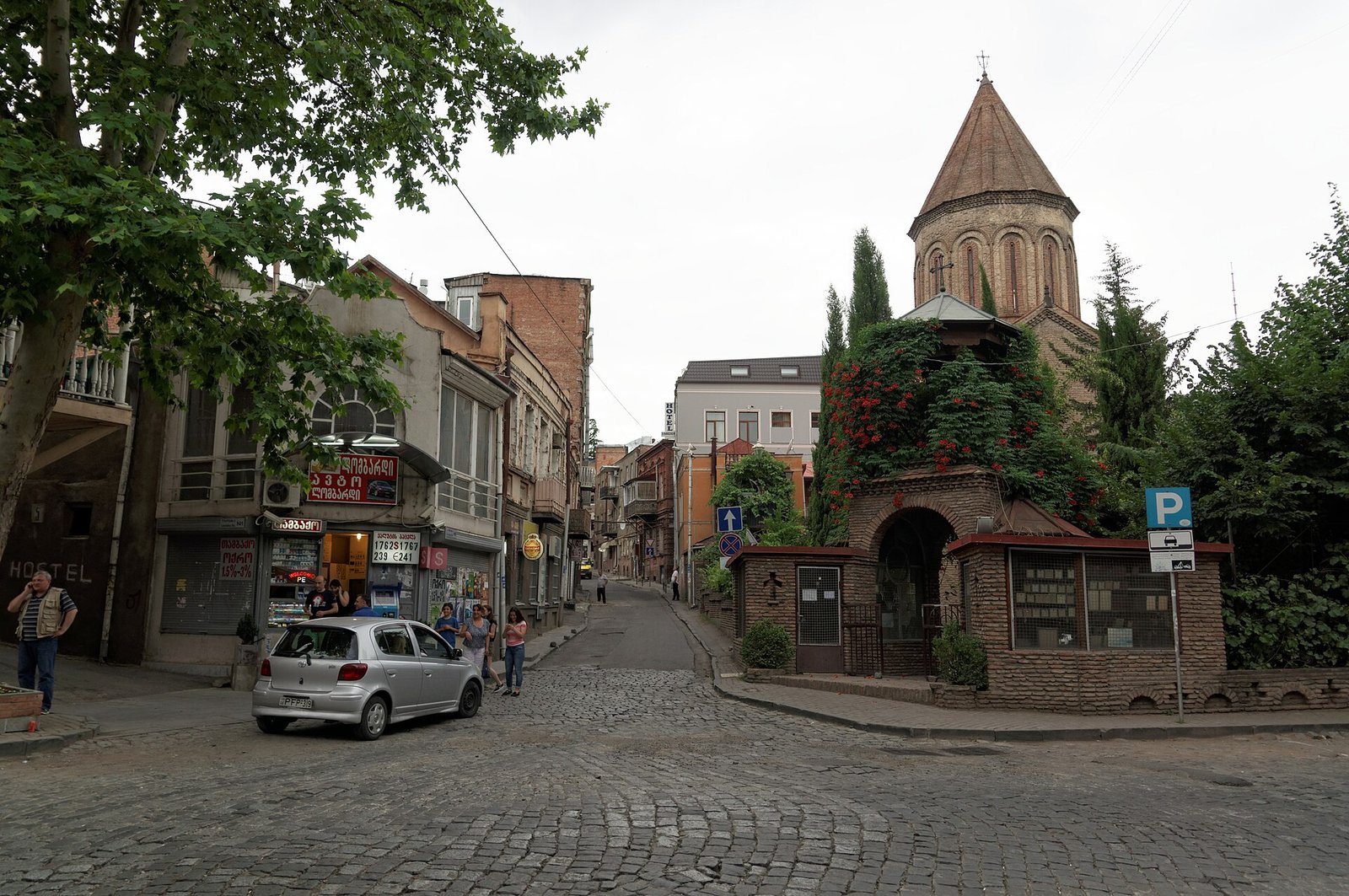
Courtyards, religious buildings, balconies, and hilltop views form the city’s most recognizable route. Allow 3–5 hours. Start early, use the cable car selectively, wear shoes for uneven slopes, and avoid entering worship during services. Keep Abanotubani sulfur baths only when it serves the traveler’s Tbilisi priorities, not merely to lengthen the list.
Dry Bridge and central museums
Flea-market browsing and museum collections reveal different layers of twentieth-century and contemporary Georgia. Allow 3–5 hours. Visit the market in daylight, keep belongings secure, and verify each museum’s closed day. Keep Abanotubani sulfur baths only when it serves the traveler’s Tbilisi priorities, not merely to lengthen the list.
Georgian wine and food
Qvevri wine, regional dishes, bakeries, and markets are central experiences rather than an evening afterthought. Allow 3–4 hours. Choose a responsible tasting, ask about pour size, reserve popular restaurants, and never combine drinking with a self-drive day. Keep Abanotubani sulfur baths only when it serves the traveler’s Tbilisi priorities, not merely to lengthen the list.
Chronicle of Georgia or Mtatsminda
A chosen panoramic outing adds scale beyond the compact historic center. Allow 3–4 hours. Select one according to weather and transport, arrange the return, and avoid isolated viewpoints after dark. Keep Abanotubani sulfur baths only when it serves the traveler’s Tbilisi priorities, not merely to lengthen the list.
A PRACTICAL ROUTE
Suggested itinerary
Old Tbilisi
Walk Abanotubani, religious landmarks, and Narikala, then keep dinner in the lower old city.
Rustaveli and museums
Use metro or walking for central collections, Dry Bridge, and Sololaki architecture.
Food, wine, and neighborhoods
Explore a market or guided tasting, then spend the evening in Vera without adding a distant monument.
Viewpoint or day-trip buffer
Choose Mtatsminda, Chronicle of Georgia, or a carefully verified regional excursion.
REALISTIC BUDGET
Estimated travel costs
Tbilisi costs move most with April–June or September–October, booking timing, taxes, and the specific room location in Sololaki. Treat Tbilisi’s dollar figures as orientation. They convert Georgian lari (GEL) at August 1, 2026 reference rates for Tbilisi, before later market movement or payment fees.
TRAVEL WELL
Practical travel tips
- Book a sulfur-bath room through a reputable establishment and clarify whether towels and scrubbing are included.
- Wear shoes with grip for polished stone, broken paving, and steep old-city lanes.
- Carry some lari for small businesses while using cards at established venues; always check the terminal amount.
- Do not attempt a wine-region day with a self-drive tasting plan; use a driver or tour.
- Solo female travelers should verify late rides in the app, avoid isolated hill paths after dark, and choose accommodation with reliable reviews.
- For Tbilisi, use licensed taxis, official transit, or well-reviewed ride-hailing after dark.
- For Tbilisi, keep phones and wallets secure in busy stations, markets, and nightlife districts.
- For Tbilisi, save the accommodation address offline and confirm the final train or bus before evening plans.
COMMON QUESTIONS
Tbilisi travel FAQ
How many days do you need in Tbilisi?
Tbilisi works best with 3–5 days for a first visit. A short Tbilisi trip should pair Abanotubani sulfur baths with one nearby priority; extra time belongs to meals, weather, or metro delays.
Is Tbilisi expensive?
In Tbilisi, a budget traveler can plan around GEL 80–140 (about US$31–53) per person per day before long-distance arrival costs. The largest Tbilisi premiums come from Sololaki, peak dates, private transport, and guided access to Abanotubani sulfur baths.
Do you need a car in Tbilisi?
A car is unnecessary and inconvenient in central Tbilisi. Metro, buses, walking, and verified rides cover the city; hire transport for regional days.
What is the best month to visit Tbilisi?
May often combines green hills and comfortable walking, while late September adds harvest atmosphere and warm evenings.
Is Tbilisi safe for solo female travelers?
Many solo female travelers can plan Tbilisi with ordinary destination-appropriate precautions. Solo female travelers should verify late rides in the app, avoid isolated hill paths after dark, and choose accommodation with reliable reviews. Before departing for Tbilisi, review current government advice alongside local weather and transport notices.
What should you book in advance for Tbilisi?
Reserve private baths, popular restaurants, wine experiences, and important day trips. Outdoor viewpoints and most city walks remain flexible.
KEEP EXPLORING
Related The Wander Muse guides
CHECK BEFORE DEPARTURE
Sources and official resources
Schedules, fares, access rules, closures, and entry systems affecting Tbilisi can change. Recheck the official resources below shortly before departure.