START HERE
Why visit Namibia
Namibia rewards deliberate road travel with immense desert landscapes, wildlife-rich Etosha, Atlantic fog, dark skies, and long horizons between small settlements. It suits experienced self-drivers, photographers, wildlife travelers, couples, families with older children, and visitors prepared for gravel roads, remote fuel stops, and early starts. Fourteen days allow Windhoek, Sossusvlei, Swakopmund, Damaraland, and Etosha with essential rest and transfer time; a shorter trip should remove a region rather than accelerate. This guide explains the dry and wet seasons, airport logistics, vehicle choices, overnight bases, realistic costs, and a route that avoids the most dangerous one-night dashes. The core planning principle is redundancy: carry water, refuel early, download maps, inspect tires, share the route, and reserve remote lodging. Distances are not difficult because they are empty; they are difficult because help and services are limited.
AT A GLANCE
Namibia quick travel summary
Vehicles, fuel, remote lodging, park fees, food, and guided activities drive the budget. Use these Namibian-dollar ranges as estimates and verify insurance, tire cover, deposits, cross-border terms, and current fees.
WHEN TO GO
Best time to visit
Dry season (May–August)
Cool, dry days and cold nights make this the most comfortable driving and wildlife period. Etosha waterholes concentrate animals, while popular lodges and vehicles sell out. Desert mornings can be near freezing. Reserve early, pack true warm layers, and expect dust. Shorter daylight requires conservative transfer plans and no late gravel-road arrivals.
Hot dry season (September–October)
Wildlife viewing remains strong, but heat intensifies and shade becomes essential. Prices and demand stay high. Afternoon driving and walks can be exhausting, while dust and wind reduce visibility. Start activities early, carry extra water, and avoid overloading a day with both a long transfer and a sunset drive. Fire risk may be elevated.
Early rains (November–December)
Temperatures are high and thunderstorms become possible, with highly variable rainfall. Roads can flood locally and wildlife disperses as water returns. Holiday dates affect demand. The landscape may green rapidly. Use a high-clearance plan where appropriate, never cross flowing water, and follow lodge and road advice rather than an outdated dry-season route.
Wet and green season (January–April)
Rain, heat, dramatic skies, newborn animals, birds, and greener landscapes define this period. Some gravel routes become damaged or impassable, while malaria risk is relevant in northern areas according to health advice. Prices can be lower outside holidays. Build flexible days, use refundable lodging, carry insect protection, and avoid remote driving after storms or dark.
ARRIVING
How to get there
Hosea Kutako International Airport lies east of Windhoek, requiring a pre-arranged transfer, authorized taxi, rental-car collection, or hotel shuttle. If renting, do not begin a long gravel journey immediately after an overnight flight; use Windhoek for supplies, vehicle inspection, cash, and rest. Walvis Bay Airport supports selected coastal routes, while limited domestic flights can reduce road time at a high cost. There is no passenger rail network suitable for a classic visitor circuit, and long-distance buses do not reach most parks and lodges. The easiest independent option is a reputable rental vehicle with comprehensive documented terms; guided small-group tours suit travelers uncomfortable with remote driving. Confirm after-hours procedures, emergency numbers, spare tires, jack, tools, and the exact fuel type before leaving the depot.
MOVING AROUND
Getting around
A well-maintained vehicle is essential. Major paved roads are straightforward, while gravel routes require lower speeds, greater following distance, and careful braking. Vehicle type depends on season and route; high clearance improves comfort, but four-wheel drive is not universally necessary. Follow the rental company’s speed limits because insurance may depend on them. Refuel whenever practical, record tire pressures, and inspect tires each morning. Mobile service is intermittent, making offline maps and shared plans essential. Never drive at night: wildlife, livestock, unlit vehicles, and road edges are difficult to see. Guided transfers and fly-in safaris reduce driving but cost more. Build at least two nights in major regions and avoid exceeding a conservative daylight distance.
CHOOSE A BASE
Where to stay
Windhoek and central highlands — best for first and final logistics
Windhoek provides vehicle depots, supermarkets, medical services, restaurants, and a controlled start to the route. It suits the first night after a long flight and the final night before departure. The airport is far from town, and urban accommodation is not a safari experience. Choose secure parking and avoid leaving visible luggage in the vehicle.
Sesriem, Swakopmund, and Damaraland — best for the western circuit
Sesriem positions travelers for Sossusvlei gates; Swakopmund offers coastal services and activities; Damaraland lodges break the long road north while adding geology, culture, and desert wildlife. Each requires at least two nights for a useful pace. Fuel and food are limited outside towns, and remote properties need advance meal and arrival arrangements.
Etosha rest camps or private reserves — best for wildlife
Inside-park camps maximize early and late access according to gate rules, while private reserves can provide guided drives and higher comfort. Both suit wildlife-focused travelers. Park rooms sell out, private lodges cost more, and waterhole activity is never guaranteed. Choose east and west or central bases to reduce repeated driving, confirming current gate and route access.
PLAN YOUR DAYS
Best things to do
Sossusvlei and Deadvlei
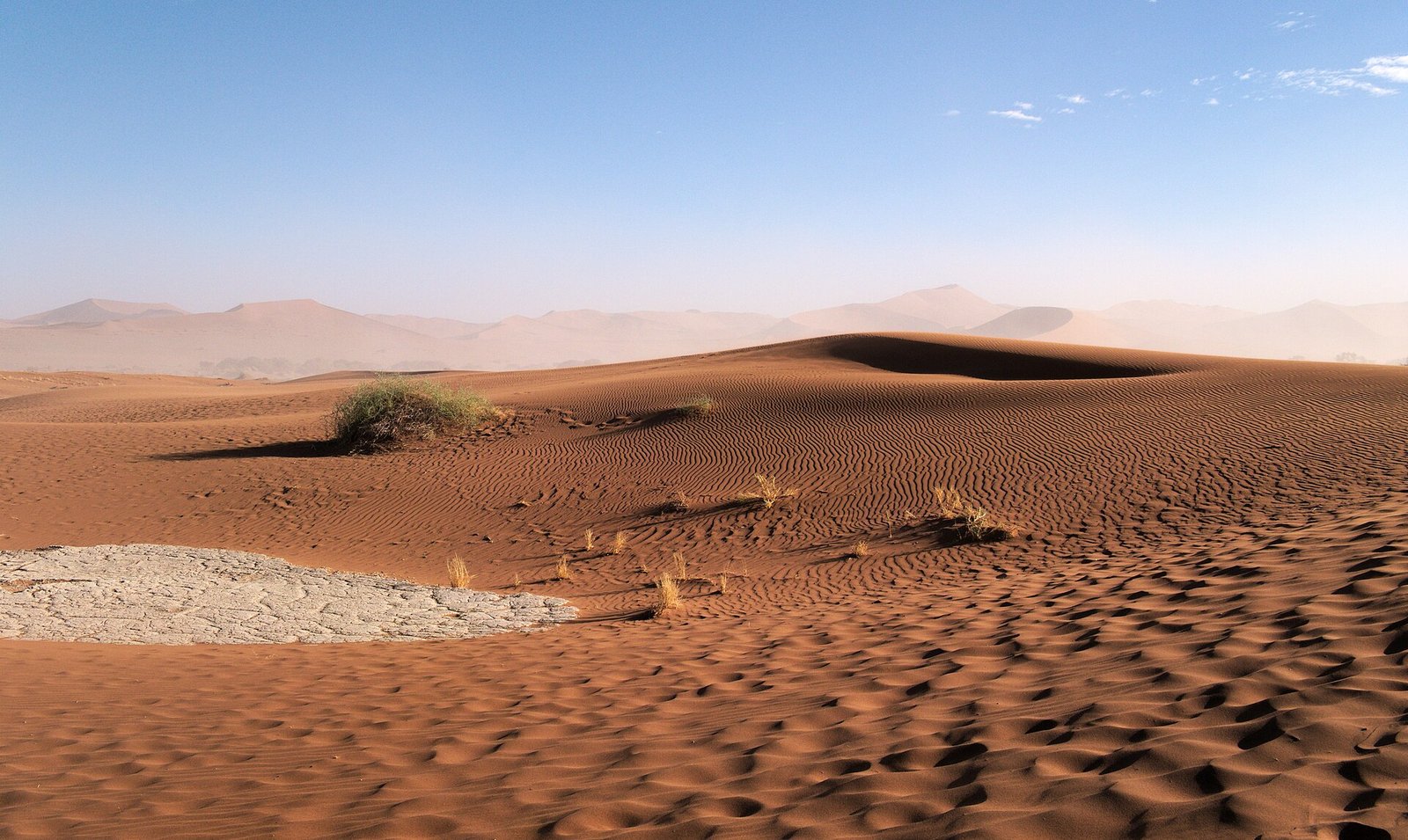
The dunes and clay pans require an early Sesriem start, park entry, and transport suited to the final sand section. Allow a full morning or day. Heat becomes dangerous quickly, and climbing dunes is strenuous. Carry abundant water, sun protection, and navigation. Use official or lodge guidance for shuttle arrangements, stay on permitted routes, and never underestimate the return walk from Deadvlei.
Swakopmund and the central coast
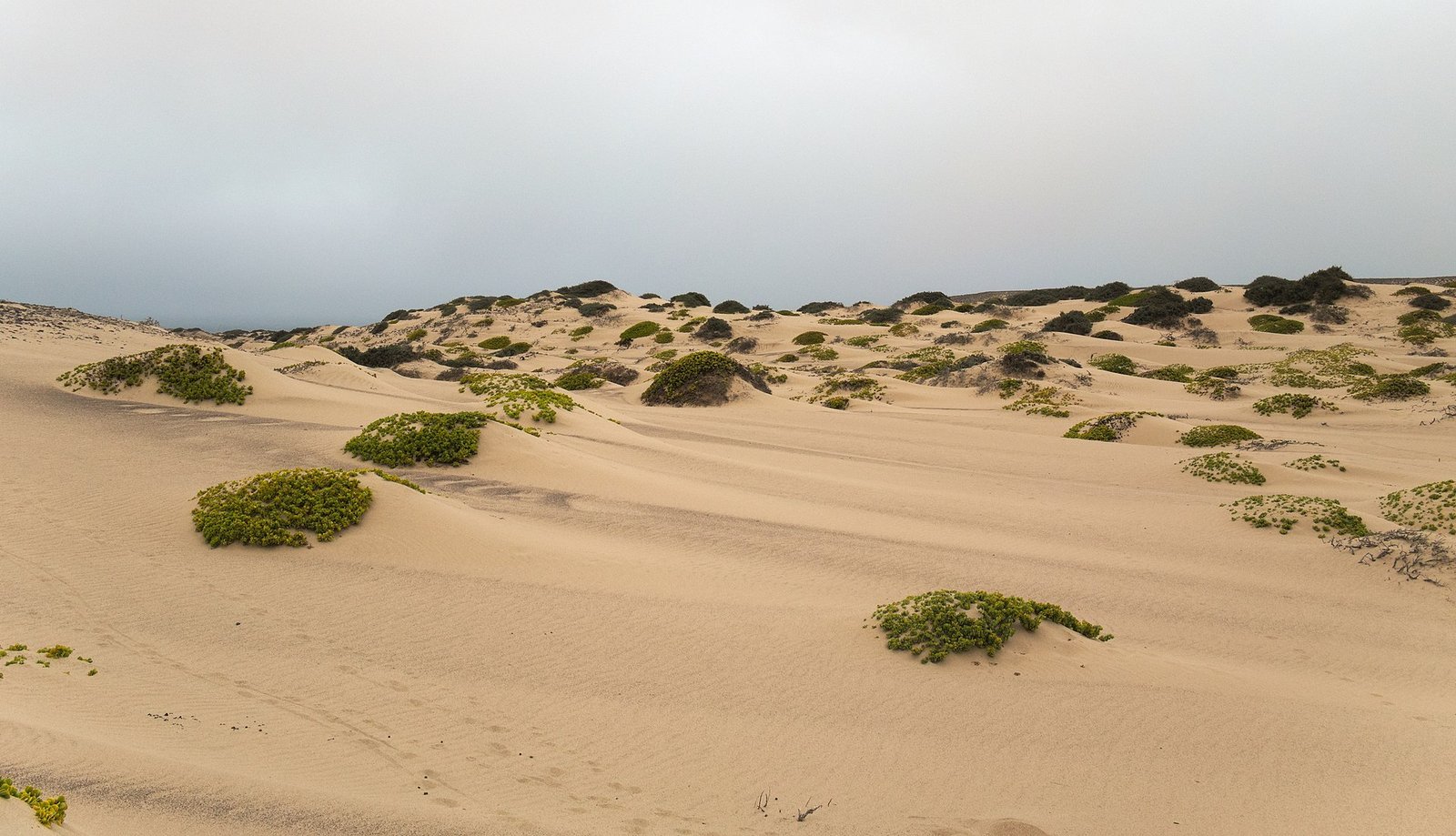
Swakopmund offers German-influenced architecture, restaurants, museums, and access to authorized desert and marine activities. Spend two nights to recover from driving and choose one operator-led experience. Coastal fog and cold wind surprise desert travelers. Quad biking, kayaking, and wildlife tours require safety and environmental standards. Never drive freely onto dunes or protected shore habitat.
Damaraland landscapes and heritage
Rock engravings, granite formations, community conservancies, and desert-adapted wildlife make Damaraland more than a transfer zone. Allocate two or three nights and use qualified local guides where required. Roads are slow, shade is limited, and wildlife sightings are uncertain. Respect heritage rules, never touch rock art, and ask before photographing people or cultural activities.
Etosha National Park
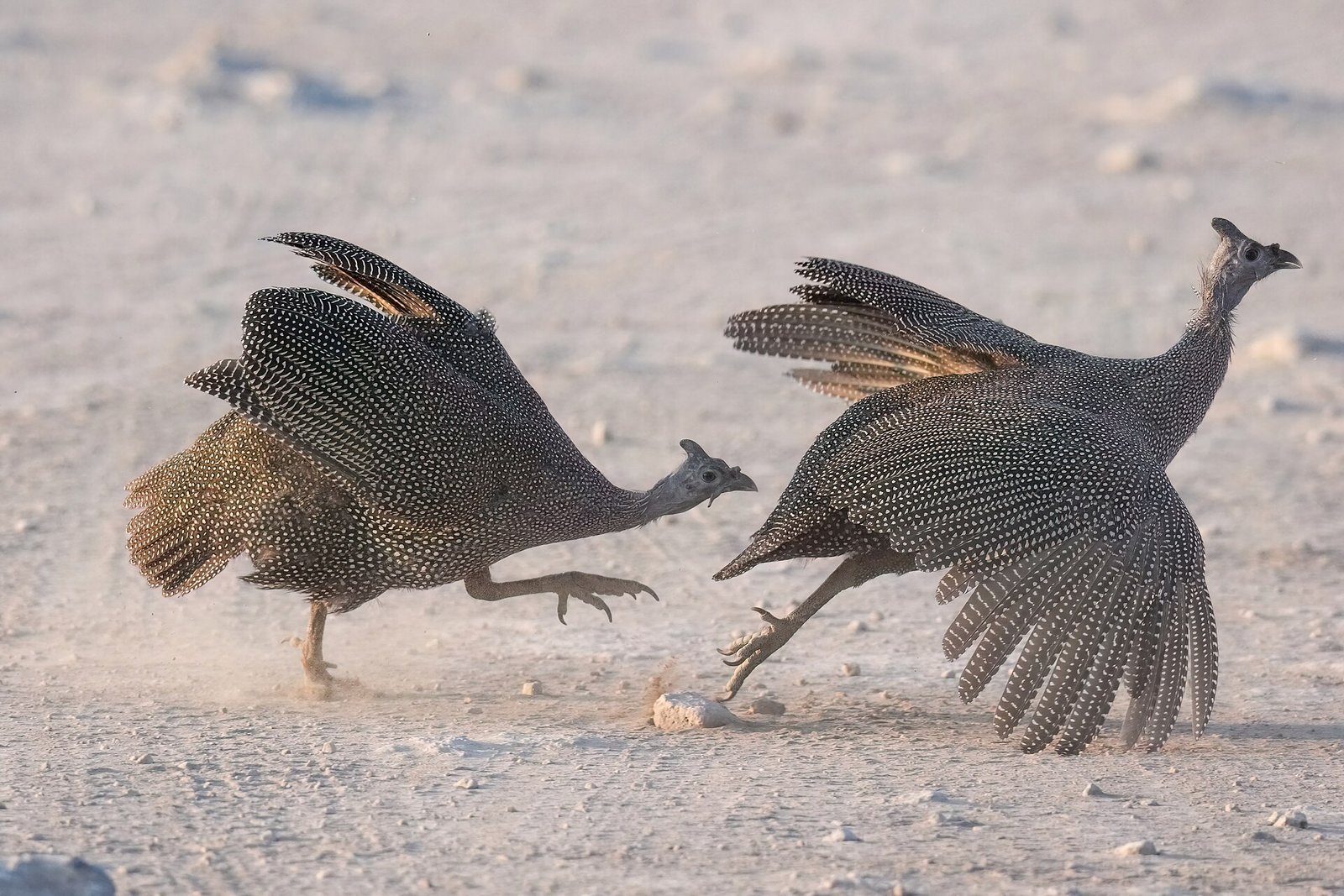
Etosha’s waterholes and road network support exceptional self-drive or guided wildlife viewing. Spend at least three nights across more than one suitable base. Obey gate times and speed limits, remain in vehicles except at designated places, and maintain distance. Carry food, water, and binoculars. A guide can interpret behavior and reduce driver fatigue; no route guarantees specific animals.
Responsible community and conservation experiences
Community conservancies, cultural visits, and guiding can direct tourism value locally when operators are transparent and respectful. Ask who leads, how revenue is shared, and what photography is appropriate. Allow time rather than treating a village as a roadside attraction. Avoid staged encounters that remove consent or complexity, and never distribute gifts to children without local guidance.
A PRACTICAL ROUTE
Suggested itinerary
Windhoek and vehicle preparation
Rest after arrival, inspect the vehicle, buy water and food, and learn emergency procedures before the first long road.
Sesriem and Sossusvlei
Drive south in daylight, stay two nights, and enter the dunes early on the second morning with a verified sand-transfer plan.
Swakopmund
Cross to the coast by a conservative route, use the second day for one authorized marine or desert activity, and service the vehicle.
Damaraland
Travel north with fuel and water, visit heritage or geology through official access, and avoid chasing wildlife off designated roads.
Etosha west or central
Enter the park before gate cutoff, use patient waterhole viewing, and take a guided drive if it reduces fatigue or adds interpretation.
Etosha east
Change bases within the park or nearby, exploring a different road network while obeying speed, wildlife, and closing rules.
Return toward Windhoek
Break the journey if necessary and stay near Windhoek or the airport before flying, never relying on a same-day remote departure.
REALISTIC BUDGET
Estimated travel costs
A camping or simple-room road trip shared by two can plan around N$1,800–3,200 per person per day. A mid-range route with a shared lodge room, full vehicle costs, park access, meals, and occasional guided activities commonly reaches N$4,500–8,500. Fly-in luxury costs far more. Compare one-way fees, insurance excess, glass and tire cover, extra drivers, meals, park fees, and deposits. Keep the Namibia budget in Namibian dollar (NAD), commonly interchangeable locally with South African rand notes. Rounded dollar equivalents for Namibia use August 1, 2026 reference rates; actual card statements will differ.
TRAVEL WELL
Practical travel tips
- Do not drive at night; wildlife, livestock, fatigue, and limited road edges make darkness exceptionally risky.
- Refuel early, carry extra water and food, and never assume the next rural station is open or supplied.
- Inspect both spare tires, jack, tools, and pressures before leaving the rental depot and each remote region.
- Follow rental-company gravel speed limits because insurance coverage may depend on compliance.
- Download offline maps, share the route, and keep emergency contacts outside the phone alone.
- Use official health advice for malaria, heat, food, water, and travel insurance before departure.
- Never leave a vehicle for wildlife, block animals, feed them, or drive outside permitted park roads.
- Solo drivers should choose shorter stages, check in with accommodation, and join guides for remote sections.
COMMON QUESTIONS
Namibia travel FAQ
How many days do you need for a Namibia road trip?
Fourteen days suit a classic Windhoek–Sossusvlei–coast–Damaraland–Etosha loop. Ten days require removing a region; three weeks allow a safer, slower route.
Do you need a four-wheel-drive vehicle?
Not for every classic dry-season route, but high clearance improves comfort and some roads or seasons require more capability. Confirm with the rental company and lodges.
What is the best month to visit Namibia?
June through September offers dry wildlife viewing and cooler travel, with cold nights and high demand. Green-season travel rewards flexibility and road caution.
Is Namibia expensive?
Vehicle, fuel, remote lodging, parks, and guided activities make it costly. Camping, self-catering, sharing a car, and early reservations reduce the total.
Is Namibia safe for solo travelers?
Many travel independently, but remoteness raises mechanical and medical risk. Solo visitors should use shorter stages, reliable vehicles, shared plans, and guided activities.
Can you drive from Sossusvlei to Swakopmund in one day?
Yes on common routes, but it is a long gravel day requiring fuel, daylight, and conservative speed. Confirm road conditions and avoid extra detours.
KEEP EXPLORING
Related The Wander Muse guides
CHECK BEFORE DEPARTURE
Sources and official resources
Schedules, fares, closures, and timed-entry systems affecting Namibia can change. Recheck the official resources below shortly before departure.