START HERE
Why visit The Peloponnese
The Peloponnese connects classical Greece, Byzantine towns, olive landscapes, and beaches without requiring island ferries. A well-paced visit connects Nafplio and Mycenae, Epidaurus, and Monemvasia without turning every day into a race. Nafplio suits the northeast; Monemvasia anchors the southeast; Kardamyli works for Mani; Olympia serves the west. The Peloponnese plan keeps Nafplio transfers realistic, leaves meal time near Nafplio and Palamidi, and stays readable on a phone. This guide is for history travelers, couples, hikers, beach seekers, and drivers who prefer mainland depth to a fast island-hopping schedule. The peninsula is large and mountainous; a successful first route chooses a coherent loop and accepts that Olympia, Mani, Monemvasia, and the Argolid cannot all be day trips from one hotel. The Peloponnese guide ties seasonal conditions to the main gateway, Nafplio, local-currency costs, and an itinerary centered on Nafplio and Palamidi.
AT A GLANCE
The Peloponnese quick travel summary
The Peloponnese prices are planning ranges. Confirm the final amount in Euro (EUR), including taxes, booking terms, and exactly what each The Peloponnese transport or activity ticket covers.
WHEN TO GO
Best time to visit
Spring (March–May)
In the Peloponnese, this period brings mild to warm days, flowers, and occasional rain. Easter and spring weekends bring moderate-to-high demand. For the Peloponnese, its main advantage is historic walks, gardens, and coastal routes; the disadvantage is that sea temperatures and ferry frequency may still be limited. Wildflowers and mild archaeological days are major advantages; Easter and holiday dates raise demand. Before an outdoor day in The Peloponnese, recheck official weather and the transport needed for Nafplio and Palamidi.
Summer (June–August)
In the Peloponnese, this period brings hot, dry weather, strong sun, and warm sea conditions. Rooms, boats, and restaurants reach peak demand and price. For the Peloponnese, its main advantage is beaches, evening streets, and long-day excursions; the disadvantage is that midday heat and crowds make ambitious sightseeing tiring. Long light and warm seas suit coast stops, but ancient sites become punishing at midday and rooms rise sharply. Before an outdoor day in The Peloponnese, recheck official weather and the transport needed for Nafplio and Palamidi.
Autumn (September–November)
In the Peloponnese, this period brings warm early-season water followed by cooler, less predictable weather. Prices ease after summer except on festival weekends. For the Peloponnese, its main advantage is swimming, food, and comfortable city walking; the disadvantage is that storms can interrupt ferries, roads, or exposed ruins. September balances swimming and walking, while later autumn storms can complicate mountain and coast roads. Before an outdoor day in The Peloponnese, recheck official weather and the transport needed for Nafplio and Palamidi.
Winter (December–February)
In the Peloponnese, this period brings cooler air, rain, wind, and short daylight. Ordinary weeks are quieter and cheaper. For the Peloponnese, its main advantage is local life, museums, and unhurried food experiences; the disadvantage is that reduced coastal services and poor-weather days limit the full itinerary. Low crowds favor ruins and town life, but short daylight, rain, and seasonal closures narrow a complete road trip. Before an outdoor day in The Peloponnese, recheck official weather and the transport needed for Nafplio and Palamidi.
ARRIVING
How to get there
Athens Airport offers the broadest flights and car-rental choice, with motorway access toward Corinth and Nafplio. Kalamata Airport is more efficient for Messinia and Mani when its seasonal network fits. KTEL buses connect major towns, but a multi-stop loop is far easier by car because cross-peninsula services may require awkward transfers. Rail coverage is limited for most visitor routes. Inspect the rental carefully, understand toll and fuel policy, download offline maps, and avoid collecting a car immediately after an overnight flight if the first drive is long. Reserve summer automatics early and confirm whether island or unpaved-road use is restricted.
MOVING AROUND
Getting around
A rental car is the practical default for a seven-to-ten-day loop. KTEL buses work for a slower trip linking selected major towns, while taxis can support short local gaps at considerable cost. Nafplio and Monemvasia are walkable once parked; Mani villages, beaches, and archaeological sites require driving. Roads range from motorway to narrow mountain lanes, and journey times matter more than distance. Parking should stay outside historic cores. Group the Argolid, southeastern coast, Mani, and Messinia into consecutive bases rather than returning across the peninsula. For a 7–10 days visit, use Nafplio for the arrival-focused days, group Nafplio and Palamidi with Mycenae, and protect Epidaurus for the period with the best conditions. Put Nafplio and Palamidi and Mycenae on different The Peloponnese stages; the separation protects meal time and a weather fallback. Accessible The Peloponnese bookings should confirm rental car access and the precise final approach to Nafplio and Palamidi.
CHOOSE A BASE
Where to stay
Nafplio — best for first-time visitors and the Argolid
The attractive old town gives easy access to Mycenae and Epidaurus with strong evening dining. It is busy on Athens weekends and too far for the southern peninsula.
Monemvasia — best for romantic history and the southeast
A night near or within the fortified town allows quieter early and late exploration. Luggage, stairs, parking, and premium historic rooms are the trade-offs.
Kardamyli or Areopoli — best for Mani landscapes and hiking
These bases put stone villages, coast, and mountain routes within reach. Roads are slower, public transport is limited, and many services are seasonal.
PLAN YOUR DAYS
Best things to do
Nafplio and Palamidi
A waterfront old town and hilltop fortress create the most approachable opening to the peninsula. Allow Half day. Climb early or use road access, verify fortress hours, and stay overnight rather than visiting only between ruins. Keep Nafplio and Palamidi only when it serves the traveler’s The Peloponnese priorities, not merely to lengthen the list.
Mycenae
The citadel and archaeological landscape provide essential Bronze Age context. Allow 2–3 hours. Arrive near opening, buy through the official system, and carry sun protection because shade is limited. Keep Nafplio and Palamidi only when it serves the traveler’s The Peloponnese priorities, not merely to lengthen the list.
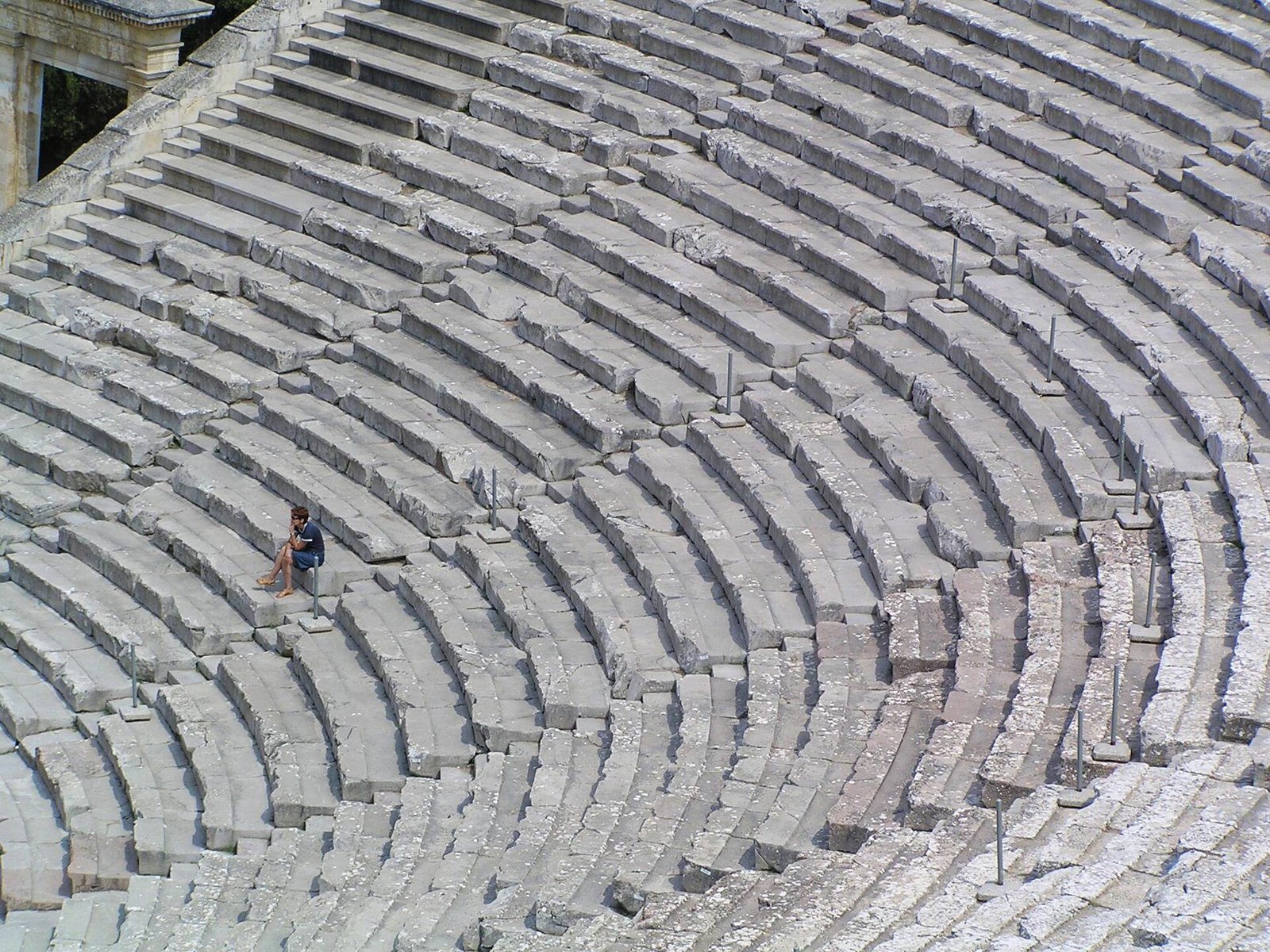
Epidaurus
The theater and sanctuary demonstrate ancient architecture and healing culture within the Argolid route. Allow 2–3 hours. Check performance dates separately from daytime admission and combine it geographically with Nafplio. Keep Nafplio and Palamidi only when it serves the traveler’s The Peloponnese priorities, not merely to lengthen the list.
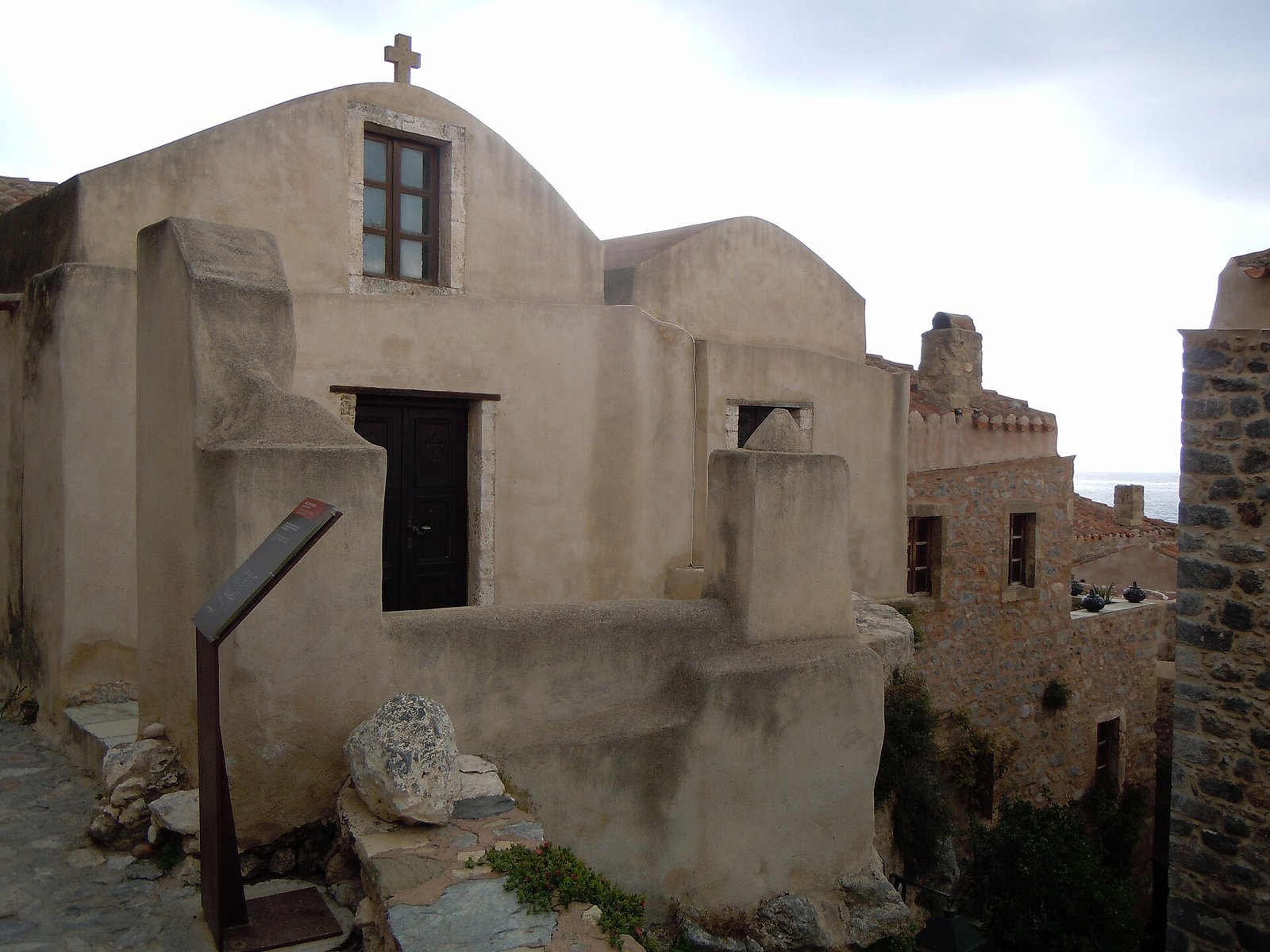
Monemvasia
A dramatic fortified rock preserves Byzantine streets, churches, and steep paths above the sea. Allow 3–5 hours. Explore before day visitors, wear strong shoes, and reserve historic-core accommodation only if luggage access is manageable. Keep Nafplio and Palamidi only when it serves the traveler’s The Peloponnese priorities, not merely to lengthen the list.
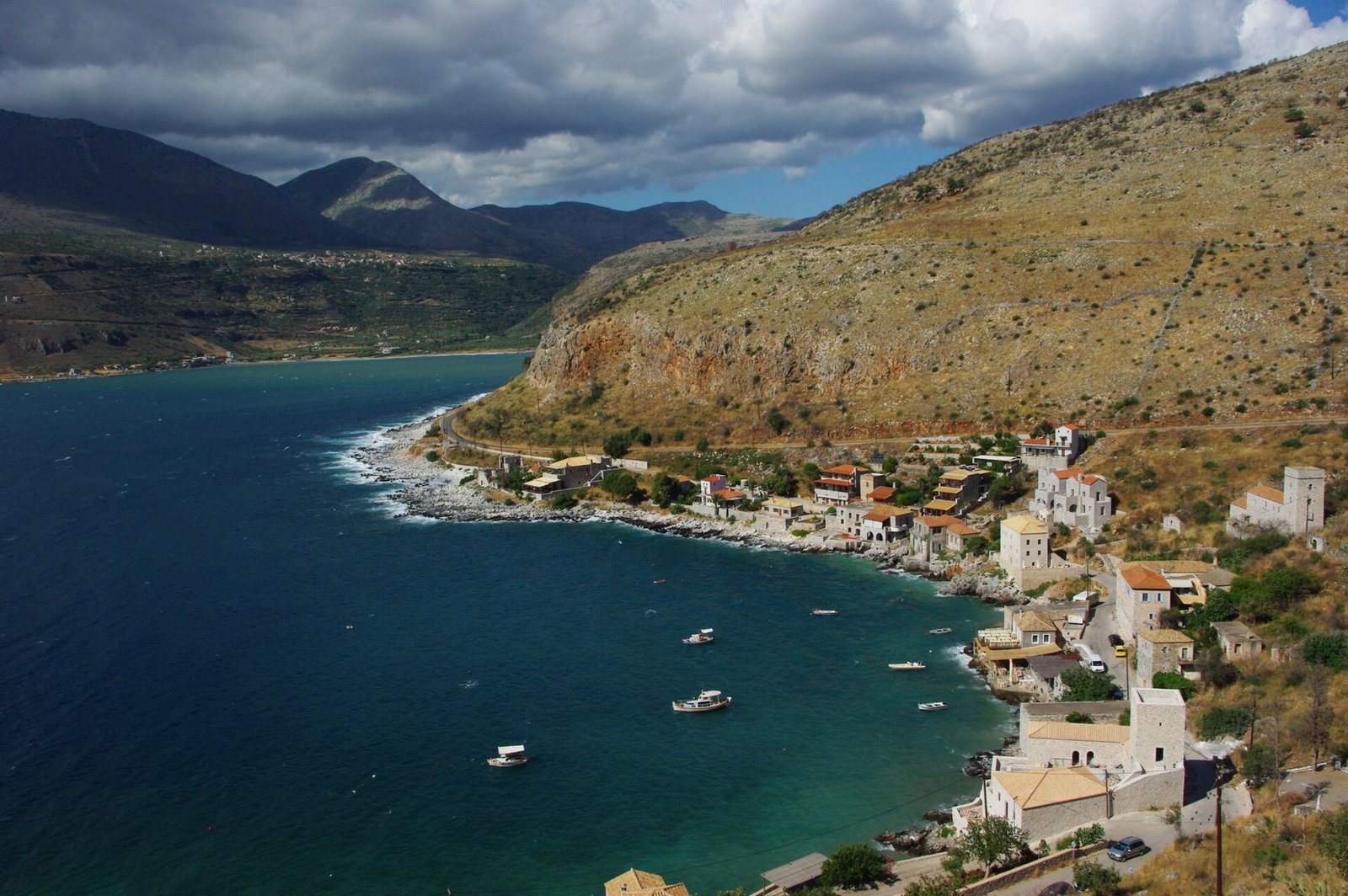
Mani Peninsula
Stone villages, coves, caves, and mountain scenery reward several slow days rather than a single long drive. Allow 2–3 days. Fuel early, avoid night driving on unfamiliar lanes, and verify cave boats, trails, and swimming conditions. Keep Nafplio and Palamidi only when it serves the traveler’s The Peloponnese priorities, not merely to lengthen the list.
A PRACTICAL ROUTE
Suggested itinerary
Athens to Nafplio
Collect the car rested, stop at Corinth only if timing permits, and settle before an old-town evening.
Mycenae and Nafplio
Visit the citadel early, return for Palamidi or waterfront time, and avoid adding Epidaurus.
Epidaurus and coast
Use a separate Argolid loop, with one beach or village stop after the sanctuary.
Nafplio to Monemvasia
Make the transfer the main task, reaching the fortified town before late afternoon.
Monemvasia
Explore in quiet hours and leave the hottest period for a meal or coast break.
Toward Mani
Drive west through selected coastal stops and sleep near Areopoli or Kardamyli.
Inner Mani
Choose a focused village and cove route without chasing every tower settlement.
Outer Mani or Messinia
Hike, visit a cave with verified operations, or continue toward Kalamata.
Departure buffer
Use the final day for a short regional stop and a conservative airport or Athens drive.
REALISTIC BUDGET
Estimated travel costs
The Peloponnese costs move most with April–June or September–October, booking timing, taxes, and the specific room location in Nafplio. Keep the Peloponnese budget in Euro (EUR). Rounded dollar equivalents for The Peloponnese use August 1, 2026 reference rates; actual card statements will differ.
TRAVEL WELL
Practical travel tips
- Do not build the route from map distance alone; mountain roads and photo stops make every transfer longer.
- Visit exposed archaeological sites near opening and carry more water than a normal city day.
- Keep the car outside historic cores and confirm lodging access before accepting a ‘central’ parking claim.
- Use the official heritage ticket platform and attraction sites for current opening information.
- Solo drivers should avoid long night transfers, share the day’s route, and keep fuel above half in remote areas.
- Drive mountain and coastal roads in daylight and never rush unfamiliar bends.
- Check heat, fire, ferry, and archaeological-site notices.
- Keep valuables out of sight and use official parking.
COMMON QUESTIONS
The Peloponnese travel FAQ
How many days do you need in The Peloponnese?
The Peloponnese works best with 7–10 days for a first visit. A short The Peloponnese trip should pair Nafplio and Palamidi with one nearby priority; extra time belongs to meals, weather, or rental car delays.
Is The Peloponnese expensive?
In the Peloponnese, a budget traveler can plan around €75–125 (about US$87–144) per person per day before long-distance arrival costs. The largest The Peloponnese premiums come from Nafplio, peak dates, private transport, and guided access to Nafplio and Palamidi.
Do you need a car in The Peloponnese?
A car is strongly recommended for a broad Peloponnese loop. Buses can support a narrower Nafplio or Kalamata-based trip with fewer rural stops.
What is the best month to visit The Peloponnese?
May usually provides long, mild days and flowers before peak heat; September is better when warm-sea swimming is the priority.
Is The Peloponnese safe for solo female travelers?
Many solo female travelers can plan The Peloponnese with ordinary destination-appropriate precautions. Solo drivers should avoid long night transfers, share the day’s route, and keep fuel above half in remote areas. For the Peloponnese, a final review of official advice, local conditions, and the route from the main gateway belongs in the departure checklist.
What should you book in advance for The Peloponnese?
Reserve summer cars, small historic hotels, major archaeological tickets when timed systems apply, and festival performances. Keep beach time flexible.
KEEP EXPLORING
Related The Wander Muse guides
CHECK BEFORE DEPARTURE
Sources and official resources
Schedules, fares, access rules, closures, and entry systems affecting The Peloponnese can change. Recheck the official resources below shortly before departure.