START HERE
Why visit Albanian Riviera
The Albanian Riviera runs between steep mountains and the Ionian Sea, combining clear coves, stone villages, lively beach towns, and major archaeological sites. It suits independent road-trippers, budget-conscious couples, beach travelers, hikers, and repeat Mediterranean visitors seeking a coast that still changes noticeably from one base to the next. Seven days can connect the Llogara Pass, Dhërmi, Himarë, and Sarandë without turning every day into a transfer. Travelers relying on buses should slow the route and use two bases. This guide covers arrival options, seasonal conditions, driving realities, accommodation areas, costs, and a practical southbound itinerary. The most important point is that infrastructure and peak-season demand have grown quickly: verify current road access, parking, beach rules, and room conditions instead of assuming older descriptions remain accurate.
AT A GLANCE
Albanian Riviera quick travel summary
Cash needs, summer prices, road conditions, and seasonal transport can change. Use the ranges as a planning framework and confirm the final lek amount, included services, and cancellation terms directly.
WHEN TO GO
Best time to visit
Spring (March–May)
March and early April are quiet, green, and changeable, with cool water and many seasonal businesses still closed. May usually offers comfortable walking weather, lighter traffic, and better accommodation value. Rain and road work remain possible. This period is excellent for Butrint, village walks, and empty viewpoints, but swimmers should expect cooler sea temperatures and verify boat operations.
Summer (June–August)
June combines warm water and long daylight with lower pressure than the main holiday peak. July and August bring heat, crowded beaches, traffic, nightlife, and the highest room and sunbed prices. Popular parking areas fill early. Reserve coastal accommodation, allow extra transfer time, and start exposed walks in the morning. Travelers seeking quiet should avoid the busiest Sarandë and Ksamil dates.
Fall (September–November)
September often provides warm sea conditions with easing crowds, making it one of the best months for a road trip. Services begin to reduce later in October, when rain and cooler evenings become more likely. Prices generally fall outside weekends. Combine swimming with archaeology and food stops, and avoid rigid boat plans when wind or reduced schedules intervene.
Winter (December–February)
The coast becomes very quiet, wet spells are more common, and many beach businesses close. Sarandë and larger towns retain year-round services, but small resort villages can feel empty. Winter suits cultural exploration and solitude rather than a conventional beach itinerary. A car adds flexibility, yet mountain weather and shorter daylight require conservative driving plans.
ARRIVING
How to get there
Tirana International Airport is the main international gateway. The overland journey to the central Riviera takes several hours, so most travelers either rent a car, arrange a transfer, or first stop in Tirana or Vlorë. A newer road may shorten sections of the route, but drive times remain sensitive to traffic, construction, and the chosen coastal turnoff. Travelers coming through Corfu can take a seasonal or year-round ferry connection to Sarandë according to the operator schedule, then continue north by bus, taxi, or rental car permitted for the intended route. Intercity buses and minibuses link larger towns, but departure points and frequencies require local confirmation. The easiest full-coast option is a rental car collected after arrival; the cheapest is usually public transport with fewer bases. Never build a same-day international connection around the last ferry or an unverified minibus.
MOVING AROUND
Getting around
Driving gives access to small coves, hill villages, trailheads, and accommodation outside town centers. Roads have improved, but narrow approaches, abrupt gradients, construction, livestock, and informal parking still demand patient daylight driving. Confirm that rental terms permit the exact route and photograph the vehicle at collection. Buses and minibuses are workable between Vlorë, Himarë, Sarandë, and other hubs, although they offer less control for beach stops and may not follow a published timetable. Local taxis and boat shuttles solve selected gaps; agree on the fare or booking terms first. Himarë is the most convenient slower base, while Sarandë has the broadest transport network. Walking works within each town, not between Riviera settlements. Avoid relying on a scooter unless experienced with steep roads and heat.
CHOOSE A BASE
Where to stay
Himarë — best for first-time visitors and a balanced coast stay
Himarë combines a town beach, restaurants, grocery shops, bus access, nearby coves, and a historic hillside settlement. It is central enough for day trips without the scale of Sarandë. Couples, solo travelers, and car-free visitors can use it well. Summer parking and waterfront noise are drawbacks, while outlying rooms may involve steep walks. Check the exact neighborhood and beach access before booking.
Sarandë — best for transport, nightlife, and Butrint access
Sarandë has the widest accommodation choice, ferry links, organized excursions, restaurants, and access to Butrint and Ksamil. It suits first or final nights, travelers arriving from Corfu, and visitors who want active evenings. The waterfront is heavily developed, traffic and noise rise in summer, and the closest urban beach is not the region’s quietest. A hillside view can mean demanding stairs.
Dhërmi or Qeparo — best for scenery, couples, and a quieter rhythm
Dhërmi pairs a stone village with a fashionable beach zone, while Qeparo offers a slower base and atmospheric upper settlement. Both suit travelers prioritizing landscape over transport convenience. Prices and nightlife vary sharply by date and exact property. Restaurants can be dispersed, gradients are real, and a car or planned taxi is helpful. Confirm whether accommodation is in the old village or at sea level.
PLAN YOUR DAYS
Best things to do
Llogara Pass and national-park landscapes
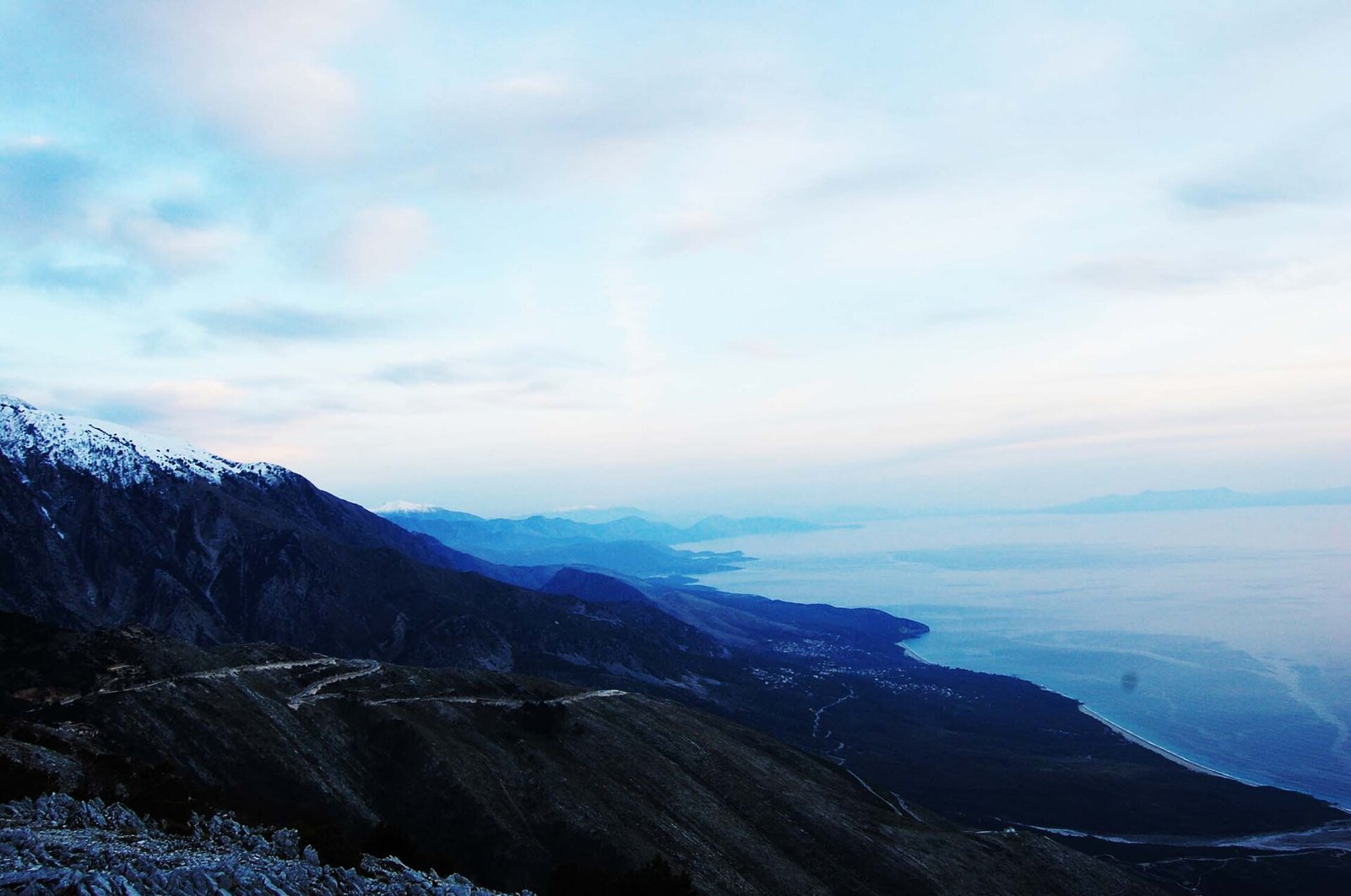
The mountain crossing reveals the scale of the Ionian coast before the road descends toward the Riviera. Allow two to four hours for viewpoints, a short walk, or a meal rather than treating the pass as a photo stop. Weather can obscure views, and roadside stopping must be safe and legal. Hikers should use current park information and carry layers because conditions differ from the beaches below.
Gjipe Canyon and beach
Gjipe combines a dramatic canyon with a cove reached by boat, a rough access route, or a walk whose difficulty depends on the starting point. Allow half a day and arrive early in summer. Carry water and suitable footwear, do not assume shade or services, and verify road and boat arrangements locally. It best suits active travelers comfortable with heat and uneven ground.
Himarë beaches and old town
The town makes an efficient base for pairing a morning swim with the elevated old settlement and nearby coastal stops. Allocate a full relaxed day. Visit the hilltop earlier or later to avoid the strongest heat, and use a taxi if the climb does not suit. Beach facilities and sunbed arrangements differ by cove, so ask before occupying a space.
Butrint National Park
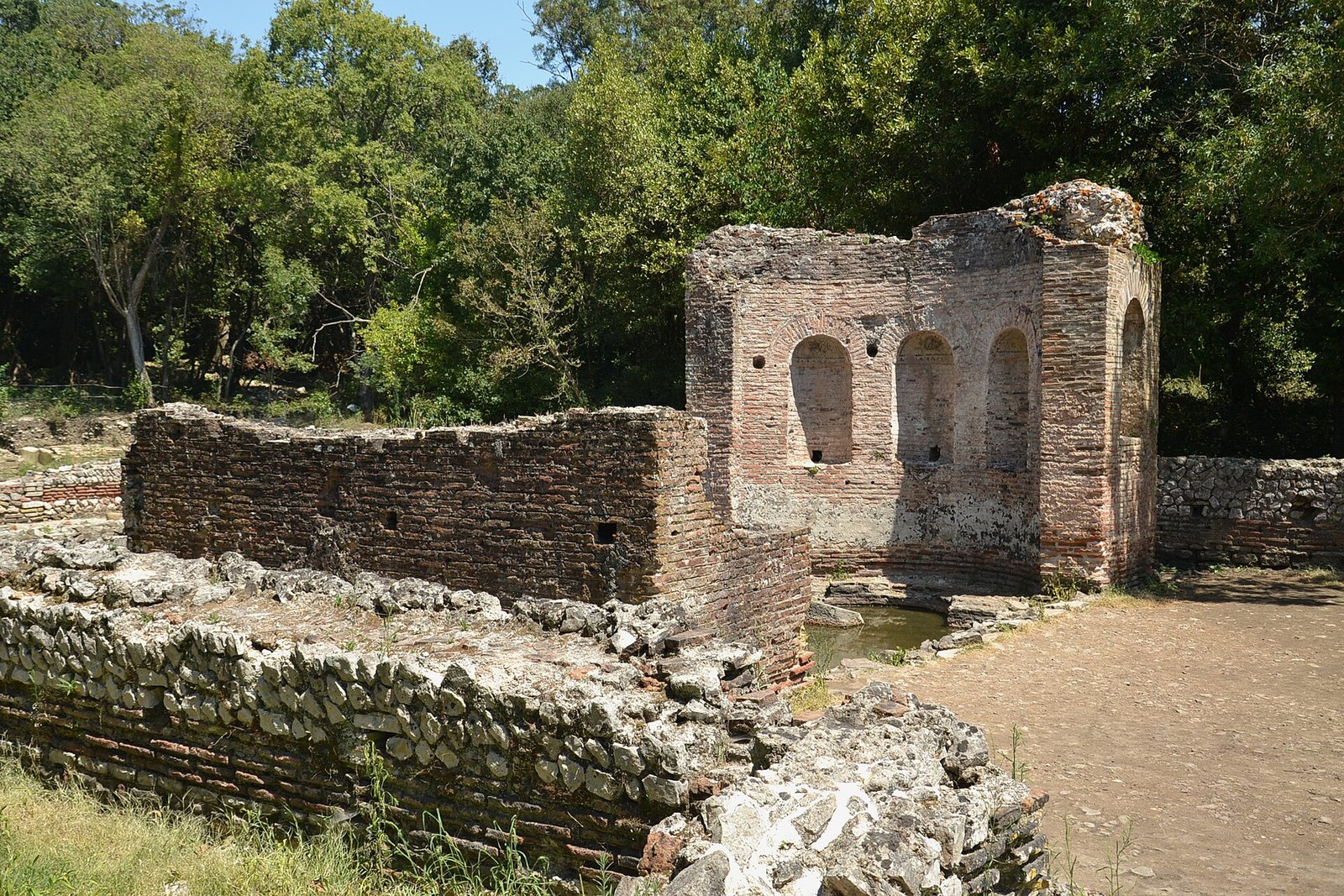
Butrint’s archaeological layers and wetland setting make it the coast’s essential cultural visit. Allow two to three hours, ideally near opening time before heat and tour groups build. Use official information for tickets and hours, wear shoes with grip, and carry water. The site suits history enthusiasts and families able to manage uneven surfaces; accessibility should be confirmed for current routes.
Ksamil, Blue Eye, and the southern coast
Ksamil’s water and islets are attractive but extremely busy in peak summer. Visit early, choose a legal beach setup, and expect commercial density rather than solitude. The Blue Eye spring can be combined on a separate inland loop if official access is open, but crowding and heat make timing important. Travelers seeking quiet may prefer lesser-known coves recommended by their verified accommodation.
A PRACTICAL ROUTE
Suggested itinerary
Tirana or Vlorë arrival
Collect transport and position yourself for the coast. Avoid forcing a long unfamiliar mountain drive after a late flight.
Llogara to Dhërmi
Cross the pass in daylight, pause at designated viewpoints, and descend to Dhërmi. Explore the village after the heat eases.
Dhërmi and Gjipe
Start early for Gjipe by the safest suitable access, then return for a slower afternoon near Dhërmi. Keep footwear and water in the day bag.
Move to Himarë
Travel south with one or two neighboring beach stops. Check into Himarë before walking the waterfront and arranging the next day.
Himarë and hill villages
Use the morning for the old town or a nearby cove, then enjoy an unhurried lunch and second swim without a major transfer.
Sarandë and Butrint
Continue south, leave luggage, and visit Butrint later only if hours and heat are suitable. Otherwise reverse the order and finish in Sarandë.
Ksamil or an inland detour
Choose an early Ksamil swim or a verified Blue Eye visit, then return with ample time for a ferry, onward drive, or final night.
REALISTIC BUDGET
Estimated travel costs
A budget traveler sharing simple rooms and using buses can plan around Lek 5,500–9,000 per person per day. A mid-range road trip with a shared double, rental car, restaurant meals, and occasional paid beaches or boat activities often reaches Lek 11,000–20,000. July and August accommodation can exceed these ranges. Compare the final lek price and included parking, breakfast, air-conditioning, cleaning, and beach services. For Albanian Riviera, let the final Albanian lek (ALL) total control the decision. For Albanian Riviera, its August 1, 2026 dollar conversion may differ at checkout.
TRAVEL WELL
Practical travel tips
- Do not trust old drive-time estimates blindly; construction, summer traffic, and narrow access roads can change a transfer.
- Carry lek in smaller notes because beach parking, family businesses, and local transport may not accept cards.
- Confirm air-conditioning, water pressure, parking, and the exact room location when booking smaller properties.
- Use modest clothing in villages and religious sites, keeping beachwear for the shore.
- Download offline maps and an Albanian language pack before entering less connected coastal stretches.
- Reserve peak-summer rooms and reputable boat trips, but retain a weather-flexible day.
- Avoid driving unfamiliar mountain or village roads after dark when road edges and pedestrians are harder to see.
- Solo travelers should use official taxis or accommodation-arranged transfers for late arrivals and share route details.
COMMON QUESTIONS
Albanian Riviera travel FAQ
How many days do you need on the Albanian Riviera?
Seven days suit a one-way route with three bases. Ten days allow slower beach time, a Tirana stop, or a return journey without long daily drives.
Do you need a car for the Albanian Riviera?
A car is the most practical way to reach scattered coves and villages. Buses can support a slower trip based in Himarë and Sarandë, supplemented by taxis or boats.
Is the Albanian Riviera expensive?
It often offers good value compared with established Mediterranean resort regions, but prime rooms, beach services, and transport rise substantially in July and August.
What is the best month to visit?
June works well for long days and warm water before the peak. September is also excellent because the sea remains warm while crowds usually begin to ease.
Can you travel from Corfu to the Albanian Riviera?
Yes, ferries connect Corfu with Sarandë according to current operator schedules. Leave a generous buffer before a flight and verify baggage, port, and check-in requirements.
Is the Albanian Riviera good for solo travelers?
Yes, especially when using established bases and daylight transport. Solo travelers should confirm late-arrival transfers, avoid isolated night walks, and keep someone informed of hiking or boat plans.
KEEP EXPLORING
Related The Wander Muse guides
CHECK BEFORE DEPARTURE
Sources and official resources
Schedules, fares, closures, and timed-entry systems affecting Albanian Riviera can change. Recheck the official resources below shortly before departure.