START HERE
Why visit Crete
Crete is Greece’s largest island, with Venetian harbors, Minoan sites, mountain villages, gorges, beaches, and a food culture strong enough to justify a trip independent of the rest of the country. It suits road trippers, couples, families, hikers, archaeology travelers, and visitors who want both coast and cultural depth. Seven days cover Chania, Heraklion, and selected beaches at a fast pace; nine or ten allow the south coast, Rethymno, and weather flexibility. This guide explains Crete’s two main airports, car and bus choices, accommodation bases, Knossos, gorge and beach logistics, realistic euro costs, and an itinerary that reduces repeated east–west driving. The key planning lesson is scale: Chania and Heraklion are several hours apart, while famous beaches and gorges require separate access plans, so choose two or three bases instead of one island-wide hotel.
AT A GLANCE
Crete quick travel summary
Crete budgets below are planning ranges, not quotes. Ferry dates, seasonal flights, car-hire terms, resort demand, and exchange rates can change the total, so confirm current details before booking.
WHEN TO GO
Best time to visit
Spring (March–May)
Spring brings green hills, wildflowers, cool evenings, and comfortable archaeological-site weather. Sea temperatures are lower and some resort services start gradually. Gorge opening depends on safety inspections, rain, and snowmelt. May is excellent for a mixed road trip. Carry layers and verify every seasonal boat or trail.
Summer (June–August)
Summer is hot, dry, crowded, and expensive at famous beaches. Inland sites and gorges become physically demanding, while wildfire risk and meltemi winds can affect ferries and boat trips. Reserve accommodation and vehicles, visit ruins at opening, and avoid strenuous midday activity. Air conditioning and shade are worth confirming.
Fall (September–November)
September and early October retain warm sea conditions with fewer families, making them excellent for beaches and road trips. Later autumn brings storms, shorter days, and reduced seasonal services. Gorge and ferry operation can stop due to weather. Keep coastal plans flexible and check road conditions after heavy rain.
Winter (December–February)
Winter is quiet, cool, and wet, with snow in the mountains and minimal beach-resort activity. Heraklion, Chania, Rethymno, museums, and food remain rewarding. Public transport frequency reduces and mountain roads can be difficult. Focus on towns and archaeology rather than an island-wide beach itinerary.
ARRIVING
How to get there
Heraklion International Airport is best for Knossos, the central and eastern island, while Chania International Airport serves western Crete, Chania, and many famous west-coast routes. Choosing different arrival and departure airports can reduce backtracking when rental terms allow one-way return. Ferries connect Crete with Piraeus and selected islands on seasonal schedules, with ports not always beside the final accommodation. KTEL buses link major cities and tourist areas, while airport buses use separate local systems. Confirm the exact terminal, port, and rental-office hours before booking a late arrival. Flights and ferries face wind or weather disruption, so keep an overnight buffer before an international connection and avoid a gorge hike immediately before departure.
MOVING AROUND
Getting around
A rental car provides the most flexibility for villages, beaches, archaeological sites, and multi-base routes, but mountain roads can be narrow, winding, and slow. Do not follow a navigation app onto an unsuitable track merely because it appears shorter. Regional KTEL buses connect Chania, Rethymno, Heraklion, and selected beaches or trail transfers; schedules vary seasonally and different operators cover different regions. Organized excursions simplify Balos, Samaria Gorge, and other complex one-way journeys. Ferries serve south-coast villages without continuous road access. Taxis suit airport and short local trips but become expensive across the island. Park outside old towns, follow local signs, and never block emergency or agricultural access.
CHOOSE A BASE
Where to stay
Chania — best for first-time western Crete
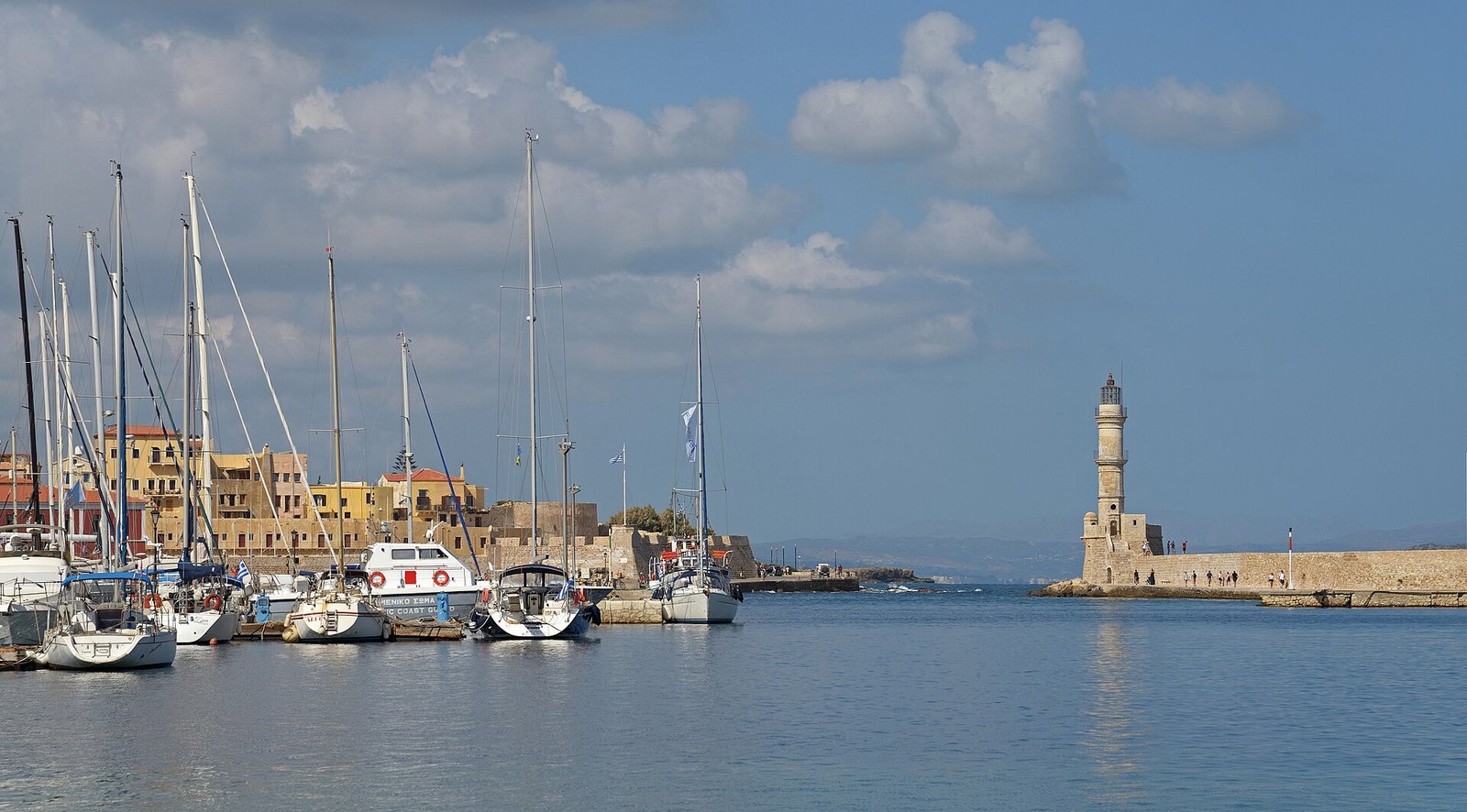
Chania’s Venetian harbor, old town, restaurants, and access to western beaches make it a highly attractive base. It suits couples, food travelers, and first visits. Old-town parking is limited, summer crowds are intense, and journeys to Heraklion or Knossos are long. Stay outside the pedestrian core if using a car daily.
Heraklion — best for archaeology and transport
Heraklion provides the main museum, Knossos access, airport and ferry connections, and a practical position for central Crete. It suits history travelers and short transit stays. The city is busier and less resort-like than Chania, while traffic and parking require planning. Choose a walkable center hotel and collect a car when leaving.
Rethymno or south coast — best for balance or quiet
Rethymno combines a historic center with a central position between the two main cities. South-coast bases offer beaches, villages, and a slower rhythm. Rethymno is still busy in summer, while southern areas have fewer services and longer airport transfers. They suit longer trips and travelers prioritizing atmosphere over rapid sightseeing.
PLAN YOUR DAYS
Best things to do
Chania Old Town and harbor
Venetian, Ottoman, Greek, and modern layers are visible through the harbor, lanes, market areas, museums, and neighborhoods. Allow a full day and explore early or after the main day-trip crowds. Public streets are free, while museums have set hours. Respect residents, avoid blocking narrow passages, and choose local businesses beyond the waterfront.
Knossos and Heraklion Archaeological Museum
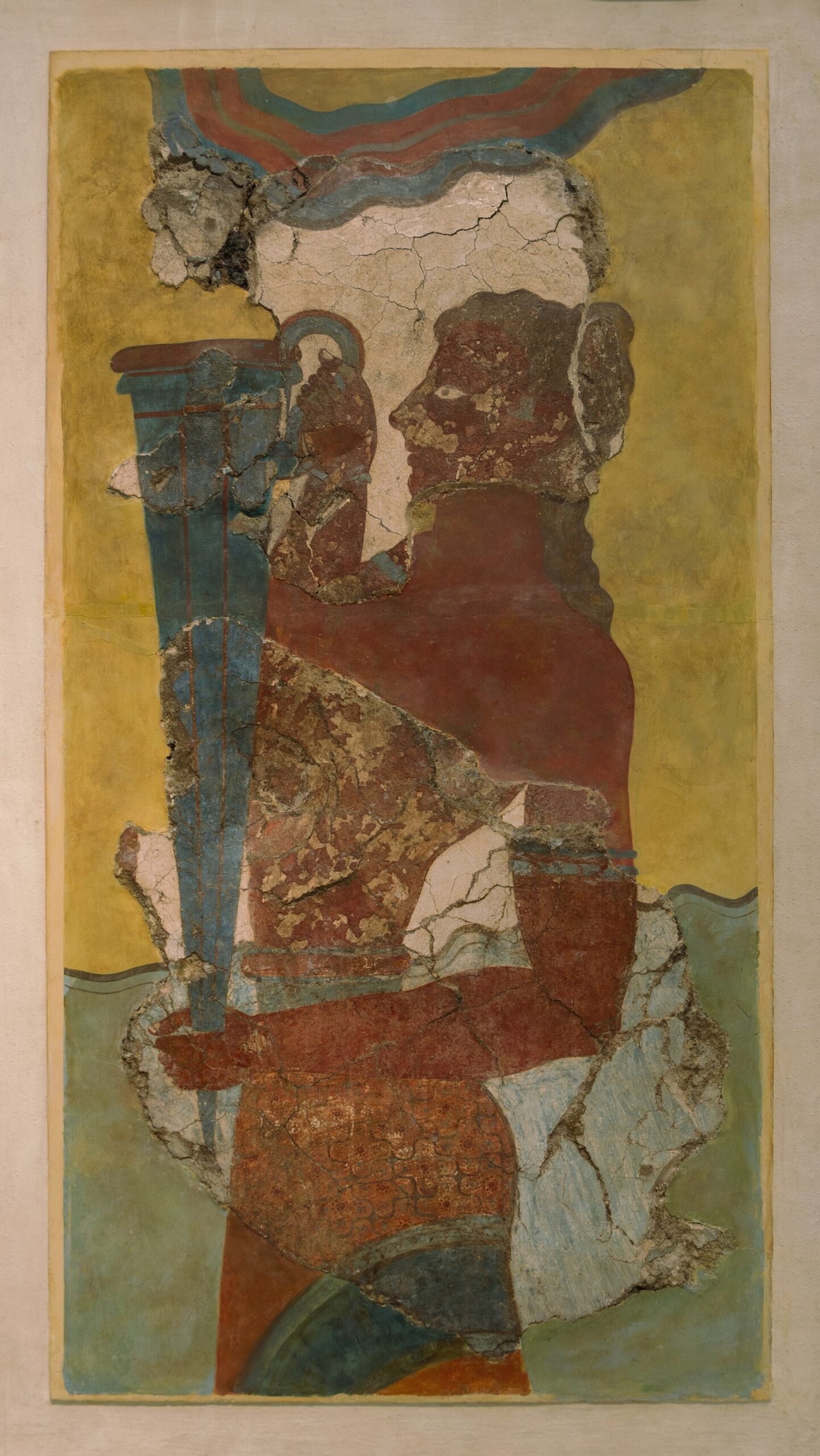
Knossos and the Heraklion museum work best as a combined Minoan-history day, with the site early and museum later. Allow two to three hours at each. Reserve or buy through official channels when possible, carry sun protection, and consider a qualified guide because extensive reconstruction can be confusing without context. Summer shade is limited.
Samaria Gorge
The full gorge is a long, strenuous, one-way undertaking that typically requires an early bus to the trailhead, a lengthy descent, a ferry, and a return bus. It opens seasonally only when conditions permit. Wear proper footwear, carry water within official guidance, and do not attempt it with unsuitable fitness or joint problems. Shorter gorge alternatives exist.
Balos, Elafonissi, or another west-coast beach
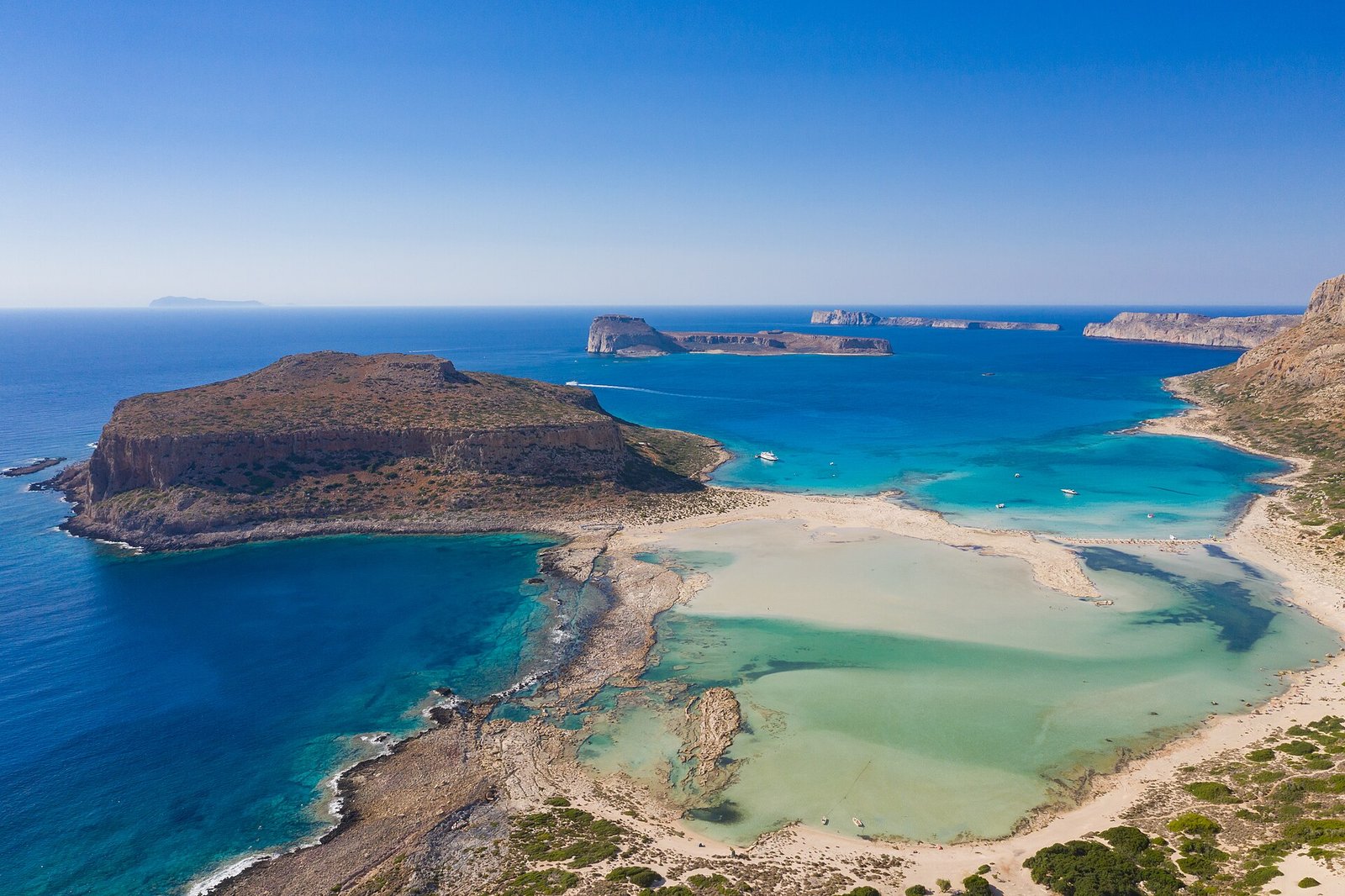
Crete’s famous beaches are far apart and each deserves its own day. Balos access may involve a boat or rough road and hike; Elafonissi requires a long drive and responsible dune behavior. Arrive early, follow current parking and marine conditions, and choose only one headline beach per day. Wind and crowds can reshape the experience.
Rethymno, south coast, or mountain villages
Rethymno’s old town, southern villages, monasteries, and inland food routes reveal a Crete beyond famous beaches. Dedicate a full day to one geographic corridor. Dress respectfully at religious sites, avoid drinking before mountain driving, and confirm whether a village business operates outside peak season. This is especially valuable on a nine- or ten-day trip.
A PRACTICAL ROUTE
Suggested itinerary
Chania
Explore the old town and harbor on arrival, then use a second day for museums, neighborhoods, and a nearby coast. Do not begin with a distant beach after a late flight.
Western beach
Choose Balos, Elafonissi, or another single beach according to wind, access, and crowd strategy. Reserve the correct boat or transport when needed.
Samaria or easier nature day
Attempt the full gorge only under official opening and suitable fitness. Otherwise choose Imbros, a shorter walk, or a village-and-coast route.
Rethymno
Move east with a full Rethymno stop or overnight, keeping the car outside pedestrian lanes. Avoid adding Heraklion attractions on the same day.
Heraklion and Knossos
Explore Heraklion’s museum and city on one day, then visit Knossos early on the other. A guide can help distinguish ancient remains from reconstruction.
South or central Crete
Stay on the south coast or explore one inland corridor with realistic mountain-road times. Keep swimming and boat plans flexible for wind.
Departure buffer
Return near the chosen airport, use a short town or beach stop, and avoid a remote road or ferry connection immediately before the flight.
REALISTIC BUDGET
Estimated travel costs
USD equivalents for Crete are rounded planning comparisons where shown. For Crete, check local tax, gratuity, accommodation fees, and cancellation terms before payment.
TRAVEL WELL
Practical travel tips
- Use different arrival and departure airports when it materially reduces backtracking, but confirm one-way rental fees before booking.
- Do not schedule Balos, Elafonissi, and Samaria Gorge on consecutive days without considering driving and physical fatigue.
- The full Samaria route is not a casual short walk. Verify official opening, transport chain, footwear, fitness, and heat.
- Respect beach dunes, pink sand, archaeological remains, and marine life. Never remove sand, stones, shells, or artifacts.
- Mountain driving is slow. Use daylight, maintain fuel, and ignore navigation shortcuts that become narrow or unpaved.
- Cards are common in towns, but cash remains useful for small villages, parking, and remote tavernas. Request a receipt.
- Dress modestly for monasteries and churches, greet local staff, and do not photograph worshippers without permission.
- Solo female travelers should choose well-reviewed lodging, share gorge or remote-beach plans, avoid isolated night arrivals, and carry offline navigation.
COMMON QUESTIONS
Crete travel FAQ
How many days do you need in Crete?
Seven days cover two bases and selected highlights. Nine or ten days allow Chania, a western beach, Rethymno, Heraklion, Knossos, and the south at a better pace.
Do you need a car in Crete?
A car is very useful for a broad island itinerary. Buses work between major cities and selected attractions, while organized transfers suit complex gorge or beach days.
Which Crete airport is best?
Chania is best for western Crete; Heraklion suits Knossos, central, and eastern routes. Using one of each can make a linear itinerary more efficient.
What is the best month to visit Crete?
May, June, September, and early October balance warm weather with lower peak crowds. Seasonal gorge, ferry, and beach services still require checking.
Is Samaria Gorge suitable for beginners?
The full route is long, rocky, and logistically complex. Fit beginners can complete it with preparation, but travelers with mobility, heat, or joint concerns should choose an easier alternative.
Is Crete safe for solo female travelers?
Many women travel independently. Plan late arrivals, mountain drives, gorge routes, and isolated beaches conservatively, and follow current local guidance.
KEEP EXPLORING
Related The Wander Muse guides
CHECK BEFORE DEPARTURE
Sources and official resources
Schedules, fares, closures, and timed-entry systems affecting Crete can change. Recheck the official resources below shortly before departure.