START HERE
Why visit Kotor
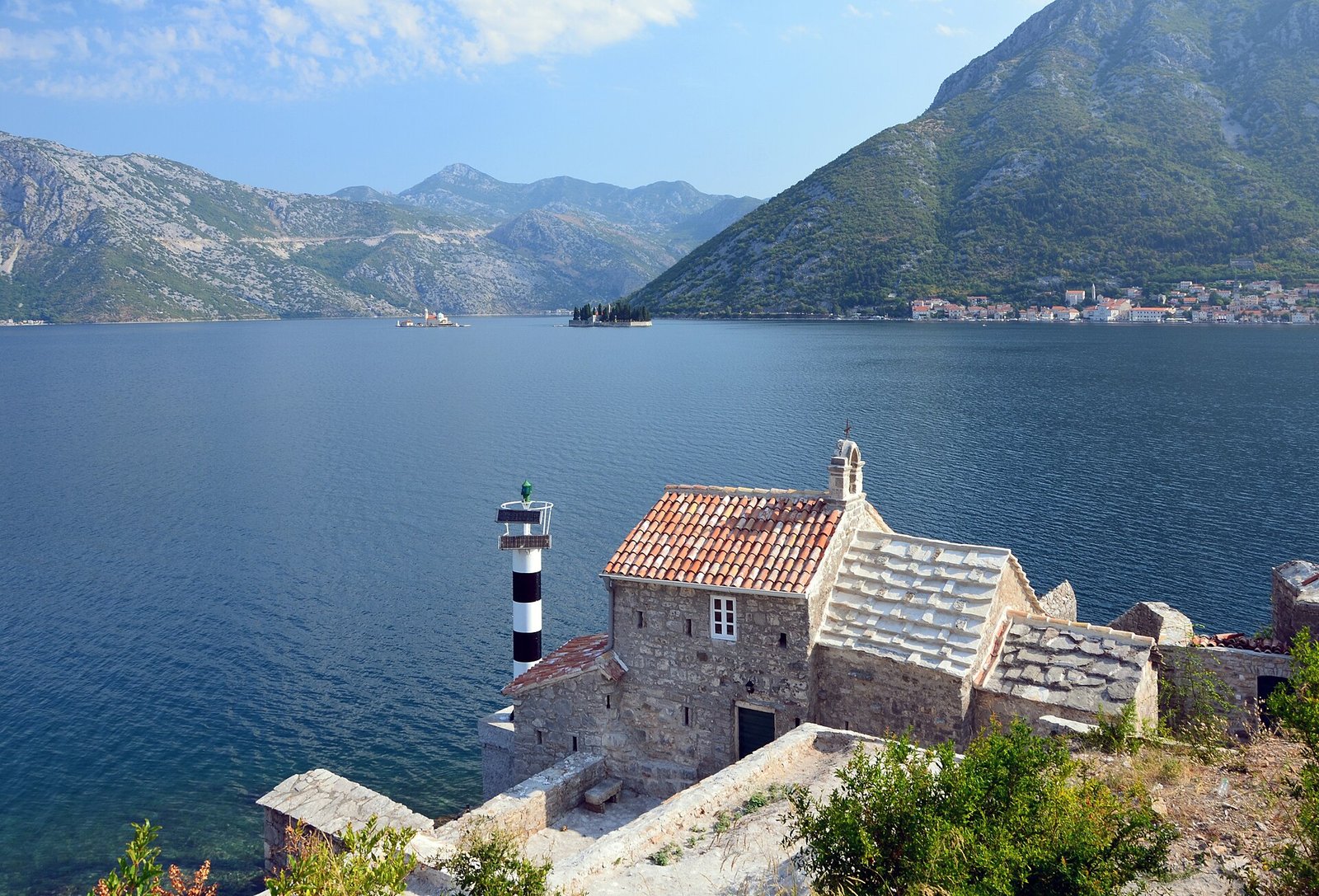
Kotor sits between a fortified old town and steep limestone mountains at the head of a winding Adriatic bay, creating one of Europe’s most dramatic compact destinations. It suits couples, photographers, hikers, history travelers, cruise extensions, and Balkan road trips, but it is most rewarding before and after day-visitor peaks. Five days allow Kotor’s walls, Perast, one boat or coastal day, and a mountain or village excursion without treating the bay as a drive-by view. This guide explains the seasons, airport and bus access, local transport, accommodation bases, realistic costs, and an efficient itinerary. The decisive planning factor is congestion: cruise arrivals, narrow roads, border queues, and limited parking can transform short distances. Stay within walking reach of the old town or a useful bay bus route, begin early, and never schedule a tight flight after a summer road transfer.
AT A GLANCE
Kotor quick travel summary
Summer lodging, taxis, boats, parking, and border transfers fluctuate sharply. Use these euro ranges as estimates and confirm routes, taxes, baggage, insurance, and cancellation terms.
WHEN TO GO
Best time to visit
Spring (March–May)
March and April are mild but rainy, with cool water and quieter streets. May usually offers greener mountains, comfortable walking, and increasing boat services before peak pressure. Easter holidays and cruise schedules affect crowds. Prices remain moderate on many dates. Carry rain protection, check mountain trail conditions, and expect sudden showers near the bay.
Summer (June–August)
Summer is hot, sunny, crowded, and expensive. Cruise days pack the old town, road queues build around the bay, and parking becomes difficult. Start walls and viewpoints near opening, reserve lodging and reputable boats, and rest during midday heat. Thunderstorms and wildfire restrictions can affect hikes. Never plan a same-day border transfer close to a flight.
Fall (September–November)
September often keeps warm sea conditions while family crowds ease. October can remain pleasant, but rain and shorter daylight increase; November is much quieter with reduced tourism services. Prices generally soften after September. This season suits walks and food, provided boat and mountain plans remain flexible. Pack layers and confirm restaurant schedules outside Kotor town.
Winter (December–February)
Winter is cool, rainy, and very quiet, with dramatic low clouds and limited boat or resort activity. Kotor remains inhabited, but smaller bay settlements reduce hours. Snow can affect mountain roads even when the coast is mild. Stay centrally, verify heating, and focus on old-town culture and slow drives rather than exposed summit hikes.
ARRIVING
How to get there
Tivat Airport is closest to Kotor by road, but it lacks a direct rail link and transport arrangements vary. Authorized taxis, pre-booked transfers, rental cars, and seasonal services should be checked through the airport and accommodation. Podgorica Airport provides more overland options but requires a longer mountain journey. Dubrovnik Airport can be practical for some international routes, yet the Croatia–Montenegro border creates unpredictable queues and entry requirements. Intercity buses connect Kotor with Podgorica, Budva, Dubrovnik, and other regional cities according to current schedules, baggage rules, and border conditions. The easiest arrival is a verified transfer from Tivat; buses are usually cheaper for regional routes. Confirm the exact bus station, keep euros for baggage or small fees, and allow several additional hours before any international flight in summer.
MOVING AROUND
Getting around
Kotor’s old town is pedestrianized and compact, while the waterfront settlements extend around a bay where road congestion is common. Local buses link Kotor with Dobrota, Perast, Risan, and selected areas, but frequencies and stops require current local confirmation. Boats provide scenic transport and excursions, though operators, routes, safety standards, and weather policies should be compared. Taxis are useful after the final bus; agree on the fare or ensure the meter is used. A rental car helps with Lovćen, Cetinje, or a wider Montenegro route, but parking near Kotor is scarce. Walking between nearby waterfront areas can be pleasant where sidewalks exist, but some road sections are unsafe. Base centrally and choose one side of the bay per day.
CHOOSE A BASE
Where to stay
Kotor Old Town — best for first-time atmosphere
Inside the walls, historic lanes, churches, restaurants, and early access to the fortifications sit outside the door. It suits short trips and travelers without a car. Church bells, bars, stone stairs, and delivery noise affect sleep, while many buildings lack elevators. Confirm luggage access and choose a quiet room away from the busiest squares.
Dobrota — best for bay views and quieter evenings
Dobrota stretches north along the waterfront with apartments, small beaches, restaurants, and views back toward Kotor. Couples and families can enjoy more space while remaining near town by foot, bus, or taxi. Sidewalk continuity and distance vary significantly, and some properties sit above steep roads. Map the exact walking route before booking.
Perast or Prčanj — best for scenery and a slower stay
Perast offers historic waterfront beauty and boat access to the islands; Prčanj provides a quieter opposite-shore base. Both suit repeat visitors and couples prioritizing atmosphere. Restaurant and transport choice is limited, cruise excursions crowd Perast midday, and reaching Kotor after dark needs planning. Stay overnight only if a slower bay rhythm outweighs convenience.
PLAN YOUR DAYS
Best things to do
Kotor Old Town
The gates, lanes, squares, churches, and Maritime Museum reward three to four hours of deliberate exploration. Begin early before organized groups arrive, then return in the evening when streets quiet. Individual interiors keep separate tickets and dress expectations. Use a responsible guide for Venetian, maritime, and regional context, and respect residents rather than treating doorways and laundry as decorative props.
Kotor fortifications and hillside route
The climb above town provides extraordinary bay views but includes many steps, exposed sun, and potentially slippery stone. Start near opening or late only with enough daylight, carry water, wear shoes with grip, and check the official route and fee. Heat, storms, poor fitness, or vertigo may make a lower section the wiser choice. Never use unofficial openings or damaged paths.
Perast and Our Lady of the Rocks
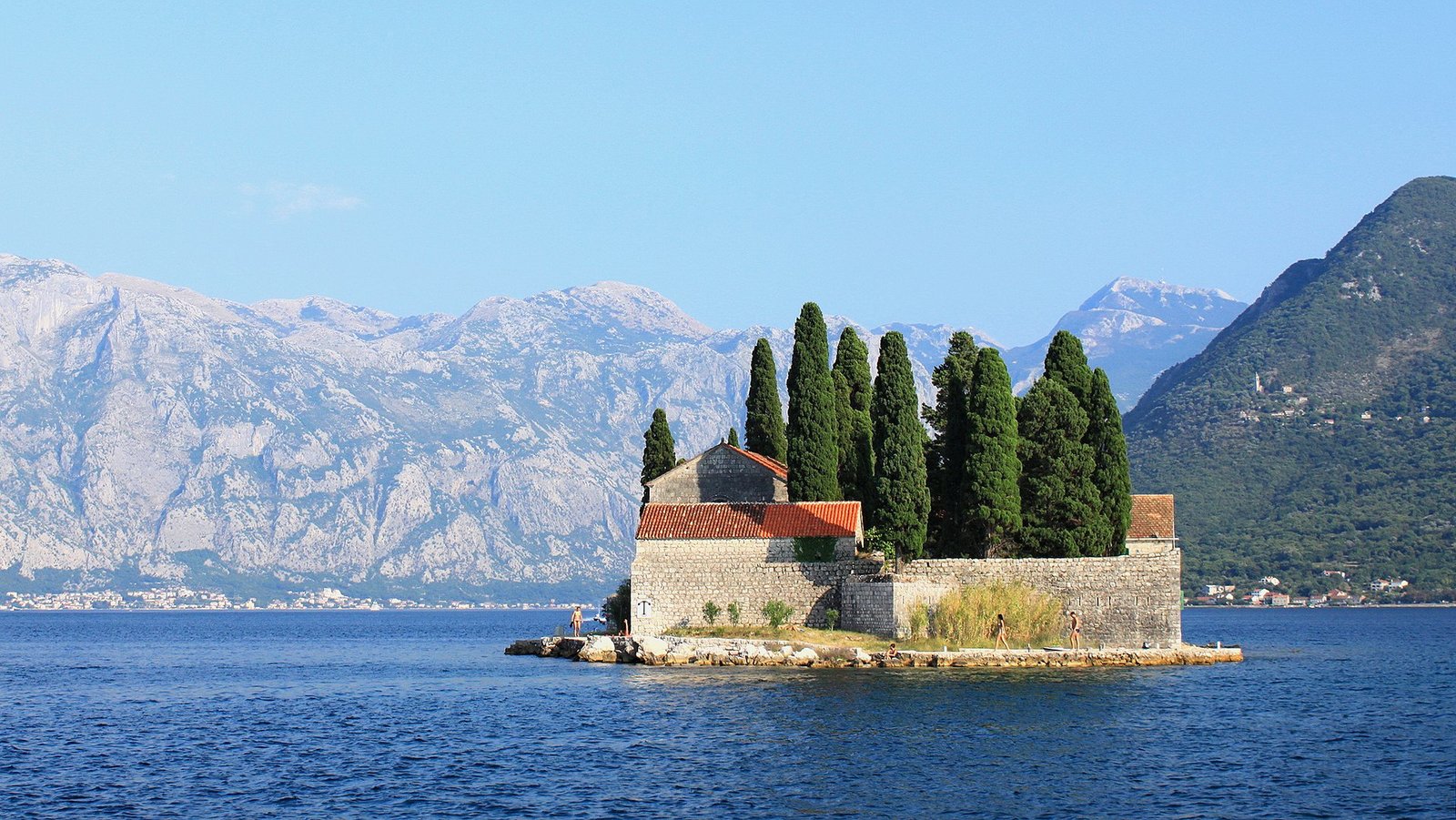
Perast’s waterfront and church architecture combine naturally with an authorized boat to the island church. Allow half a day, arriving early or later than cruise excursions. Confirm boat price, safety equipment, church access, and return arrangement before boarding. Dress respectfully and do not rush active religious spaces. Overnight guests receive the quietest version of the village.
Bay boat trip
A half- or full-day boat can reveal the bay’s scale and reach caves, swimming areas, or towns according to the chosen route. Compare passenger limits, licensed operation, shade, insurance, included stops, and weather policy. Wind and sea conditions may change the itinerary. Bring sun protection and a warm layer. Visitors with limited mobility should ask about gangways and boarding steps.
Lovćen National Park and Cetinje
The mountain road and former royal capital add natural and historical context beyond the coast. Allocate a full day by reputable tour or confident driver, checking park, mausoleum, road, and weather information. Hairpin roads and fog demand caution, while winter conditions may close access. This outing suits travelers with at least four days and should never be squeezed before a flight.
A PRACTICAL ROUTE
Suggested itinerary
Old Town orientation
Arrive, explore a compact set of squares and the waterfront, and identify the fortification entrance. Save the climb for a cool, rested morning.
Walls and Kotor history
Start the official fortification route early, descend for breakfast or lunch, and visit the Maritime Museum or churches after a long rest.
Perast
Take a current bus, taxi, or boat to Perast, visit the island church through an authorized operator, and return before late transport becomes uncertain.
Bay day
Choose a verified boat excursion or explore Dobrota and Prčanj without crossing the entire bay. Keep swimming decisions dependent on conditions.
Lovćen or Cetinje
Use a guided mountain day or rental car only in suitable weather, then return with ample daylight and no tight onward connection.
REALISTIC BUDGET
Estimated travel costs
A budget traveler in a simple room can plan around €70–120 per person per day. A mid-range stay with a shared bay hotel, restaurant dinner, taxis or boats, and paid sights commonly reaches €160–300. July and August cost more. Compare tourist registration, parking, breakfast, boat inclusions, border transfer fees, and whether a quote is per person or vehicle. Recalculate Kotor’s dollar comparison when booking. For Kotor, the figures here convert Euro (EUR) at August 1, 2026 reference rates and exclude later card charges.
TRAVEL WELL
Practical travel tips
- Check cruise schedules and begin the old town or walls early on high-arrival days.
- Carry water and sun protection for the fortifications; there is little shade and stone radiates heat.
- Register accommodation and pay any tourist tax through the proper process, confirming the host handles it.
- Use euros in small denominations for buses, baggage, boats, and minor purchases; card acceptance varies.
- Never build a tight flight connection around the Kotor–Dubrovnik road or summer bay traffic.
- Reserve reputable boat trips and confirm life jackets, passenger capacity, route, and weather cancellation policy.
- Dress respectfully in Orthodox and Catholic churches and ask before photographing ceremonies.
- Solo travelers should use lit central routes at night and avoid unofficial hillside shortcuts or isolated swimming spots.
COMMON QUESTIONS
Kotor travel FAQ
How many days do you need in Kotor?
Three days cover the old town, walls, and Perast. Five days allow a bay boat day and Lovćen or Cetinje without constant rushing.
What is the best month to visit Kotor?
May and September usually balance warm conditions with less pressure than July and August. Cruise schedules still affect the quietest hours.
Do you need a car in Kotor?
No for the old town, Perast, and selected bay outings. A car is useful for Lovćen or a broader Montenegro route but creates parking difficulty.
Is Kotor expensive?
Summer old-town and bay-view lodging can be expensive. Guesthouses, buses, bakeries, and shoulder-season travel keep a moderate visit possible.
Can you visit Kotor from Dubrovnik?
Yes by bus, tour, or car, but border queues can make a day trip unpredictable. An overnight stay gives more time and reduces pressure.
Is Kotor suitable for solo travelers?
Yes, particularly with a central base. Solo travelers should confirm late transport, avoid isolated paths after dark, and follow current regional and weather advice.
KEEP EXPLORING
Related The Wander Muse guides
CHECK BEFORE DEPARTURE
Sources and official resources
Schedules, fares, closures, and timed-entry systems affecting Kotor can change. Recheck the official resources below shortly before departure.