START HERE
Why visit Salerno
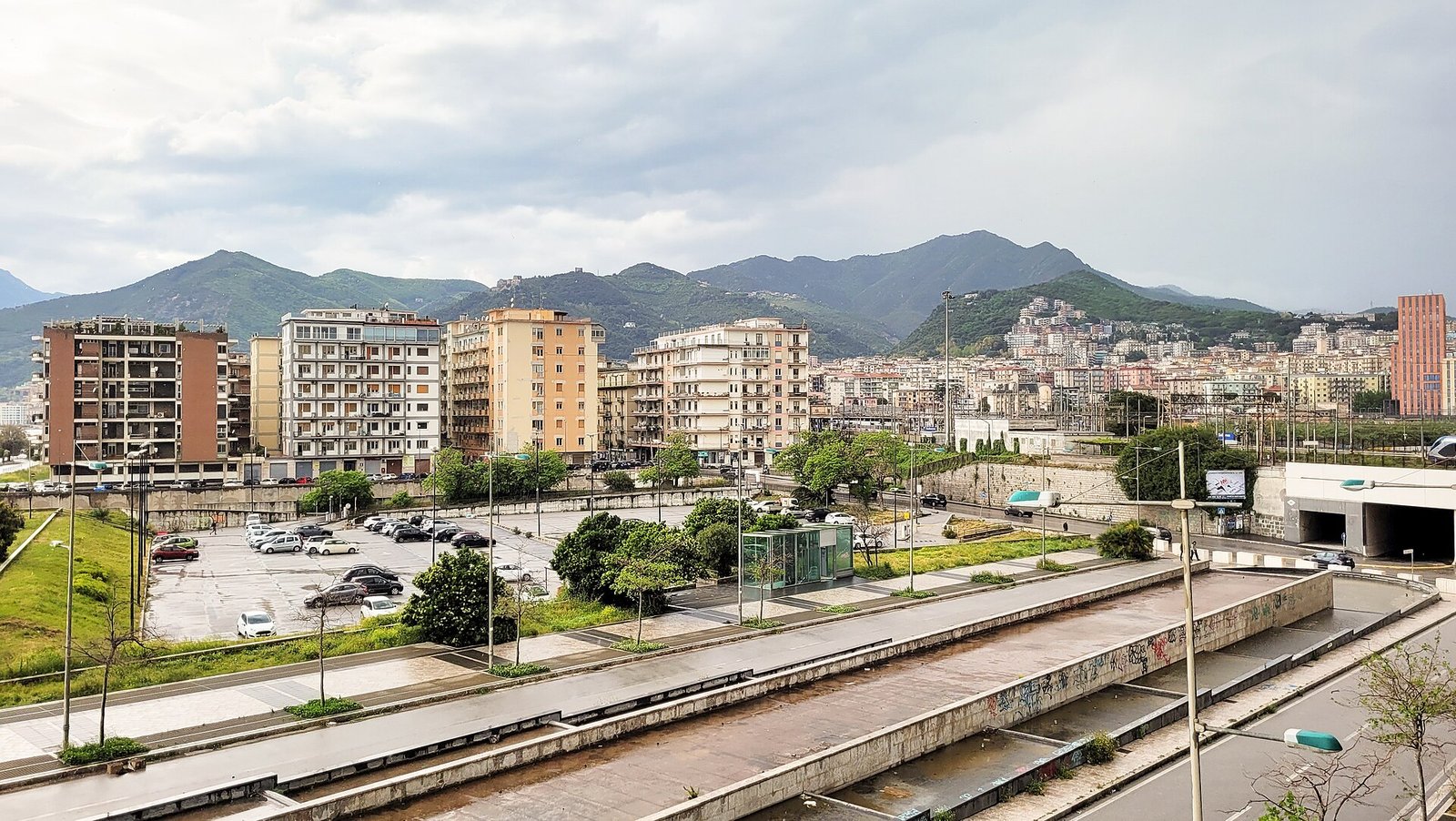
Salerno stands on its own for a handsome seafront, medieval lanes, and food, while offering a useful transport base for selected Amalfi Coast days. A well-paced visit connects Lungomare Trieste, Salerno Cathedral, and Giardino della Minerva without turning every day into a race. Centro Storico gives atmosphere; near the station is practical for ferries and trains; the eastern waterfront is quieter. The Salerno plan keeps Centro Storico transfers realistic, leaves meal time near Lungomare Trieste, and stays readable on a phone. It suits travelers who want a working Campanian city and better rail access than many cliffside towns, not only a cheaper bed for Amalfi. Ferries are weather- and season-dependent, buses can be crowded, and Pompeii belongs on the rail corridor rather than inside an overloaded coast day. The Salerno guide ties seasonal conditions to the main gateway, Centro Storico, local-currency costs, and an itinerary centered on Lungomare Trieste.
AT A GLANCE
Salerno quick travel summary
Salerno prices are planning ranges. Confirm the final amount in Euro (EUR), including taxes, booking terms, and exactly what each Salerno transport or activity ticket covers.
WHEN TO GO
Best time to visit
Spring (March–May)
In Salerno, this period brings mild to warm days, flowers, and occasional rain. Easter and spring weekends bring moderate-to-high demand. For Salerno, its main advantage is historic walks, gardens, and coastal routes; the disadvantage is that sea temperatures and ferry frequency may still be limited. Warm, bright days suit the city and coast, with growing ferry frequency and rapidly rising weekend demand. Before an outdoor day in Salerno, recheck official weather and the transport needed for Lungomare Trieste.
Summer (June–August)
In Salerno, this period brings hot, dry weather, strong sun, and warm sea conditions. Rooms, boats, and restaurants reach peak demand and price. For Salerno, its main advantage is beaches, evening streets, and long-day excursions; the disadvantage is that midday heat and crowds make ambitious sightseeing tiring. Heat, crowds, high coast prices, and full ferries reward early departures and an unhurried Salerno base. Before an outdoor day in Salerno, recheck official weather and the transport needed for Lungomare Trieste.
Autumn (September–November)
In Salerno, this period brings warm early-season water followed by cooler, less predictable weather. Prices ease after summer except on festival weekends. For Salerno, its main advantage is swimming, food, and comfortable city walking; the disadvantage is that storms can interrupt ferries, roads, or exposed ruins. The sea remains warm into September; storms increasingly disrupt ferries later in autumn. Before an outdoor day in Salerno, recheck official weather and the transport needed for Lungomare Trieste.
Winter (December–February)
In Salerno, this period brings cooler air, rain, wind, and short daylight. Ordinary weeks are quieter and cheaper. For Salerno, its main advantage is local life, museums, and unhurried food experiences; the disadvantage is that reduced coastal services and poor-weather days limit the full itinerary. Salerno feels local and affordable, but many coast boats reduce and daylight limits ambitious day trips. Before an outdoor day in Salerno, recheck official weather and the transport needed for Lungomare Trieste.
ARRIVING
How to get there
High-speed and regional trains make Salerno station the most useful arrival for many visitors coming from Rome, Naples, or Pompeii. Naples Airport has the broadest flight selection, with onward bus, train, taxi, or private transfer requiring a connection. QSR is closer but has a more limited route network, so verify current flights and ground transport directly. Long-distance buses also serve the area. Seasonal ferries depart from Salerno-area piers for selected coast towns, but the exact port and operating date matter. A car is unnecessary for the city and can become a liability on the Amalfi Coast; reserve rail and busy summer ferry segments through official channels.
MOVING AROUND
Getting around
Central Salerno is walkable from the station through the seafront and historic center. Local buses cover outer neighborhoods, while Trenitalia connects Pompeii, Naples, and other Campanian stops. Seasonal ferries can be the most scenic coast option but are cancelled by rough weather; SITA buses provide overland service with crowd and traffic limitations. Taxis are useful for luggage and late arrivals. Driving brings restricted zones, expensive parking, and difficult coast roads. First-time visitors should plan one Salerno day, one ferry or bus coast day, and one rail day rather than mixing all three systems daily. For a 3–5 days visit, use Centro Storico for the arrival-focused days, group Lungomare Trieste with Salerno Cathedral, and protect Giardino della Minerva for the period with the best conditions. Put Lungomare Trieste and Salerno Cathedral on different Salerno stages; the separation protects meal time and a weather fallback. Accessible Salerno bookings should confirm walking access and the precise final approach to Lungomare Trieste.
CHOOSE A BASE
Where to stay
Centro Storico — best for first-time atmosphere and dining
Historic lanes, the cathedral, bars, and the seafront are close. Stairs, church bells, nightlife noise, and vehicle restrictions require careful room selection.
Near Salerno station — best for transport convenience and budget
Rail, buses, ferries, and the modern center are easy to reach, ideal for day trips and luggage. The streets feel less atmospheric than the medieval core.
Eastern waterfront — best for quieter rooms and longer stays
A calmer residential seafront can offer value and space. Reaching the historic center and main departure points takes more time, so verify bus access.
PLAN YOUR DAYS
Best things to do
Lungomare Trieste
The long waterfront connects city life, gardens, sea views, and the approach to the historic center. Allow 1–2 hours. Walk in early morning or before sunset, and combine it with dinner rather than treating it as a separate transfer. Keep Lungomare Trieste only when it serves the traveler’s Salerno priorities, not merely to lengthen the list.
Salerno Cathedral
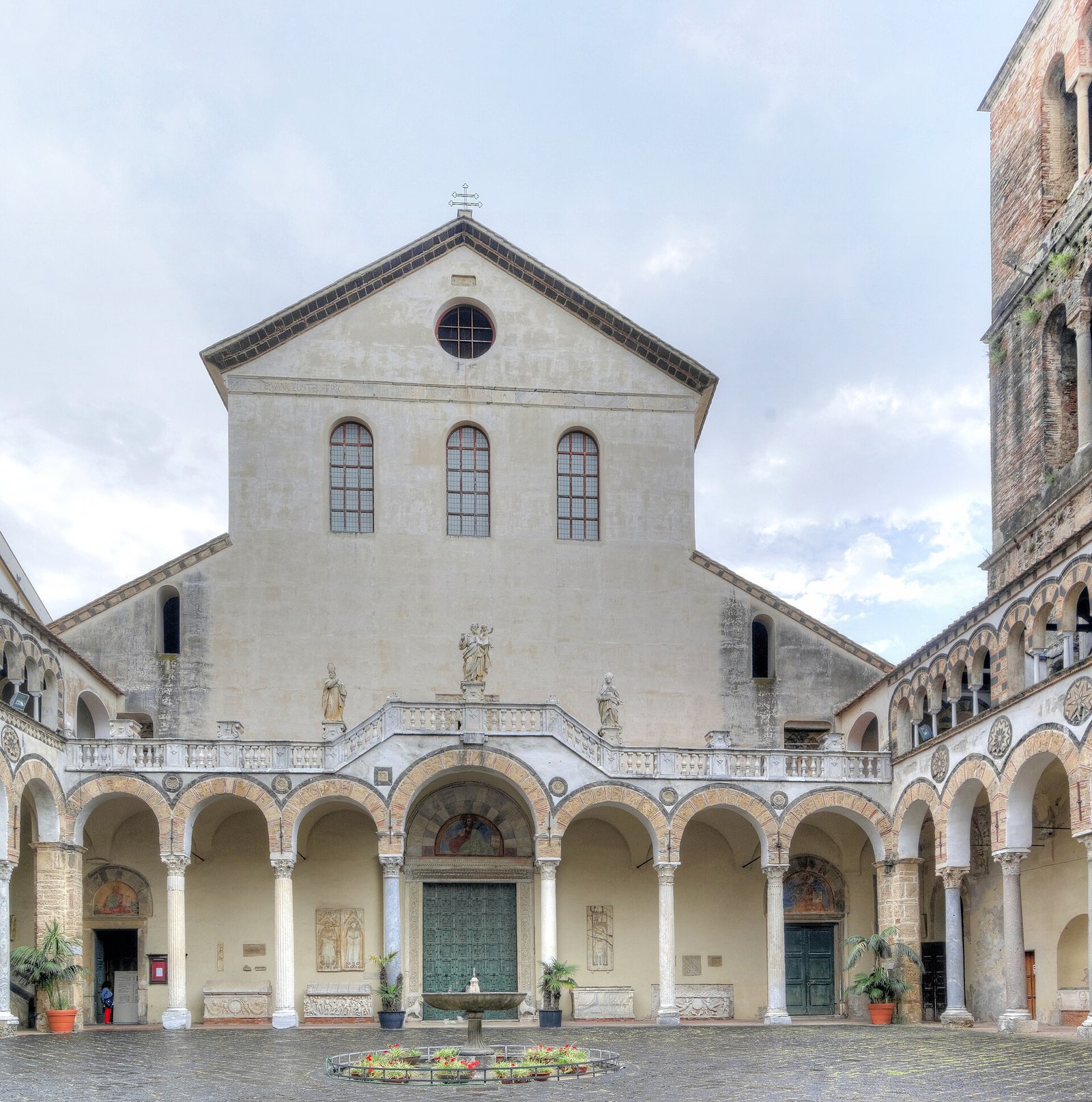
Medieval architecture, the crypt, and the surrounding lanes anchor the city’s historical identity. Allow 1–2 hours. Dress respectfully, avoid services, and check current opening access before planning an interior visit. Keep Lungomare Trieste only when it serves the traveler’s Salerno priorities, not merely to lengthen the list.
Giardino della Minerva
Terraces and medicinal-plant history provide a quiet hillside perspective above the old city. Allow 1–2 hours. Visit in cooler weather, wear shoes for slopes and steps, and verify seasonal hours. Keep Lungomare Trieste only when it serves the traveler’s Salerno priorities, not merely to lengthen the list.
Amalfi Coast ferry day
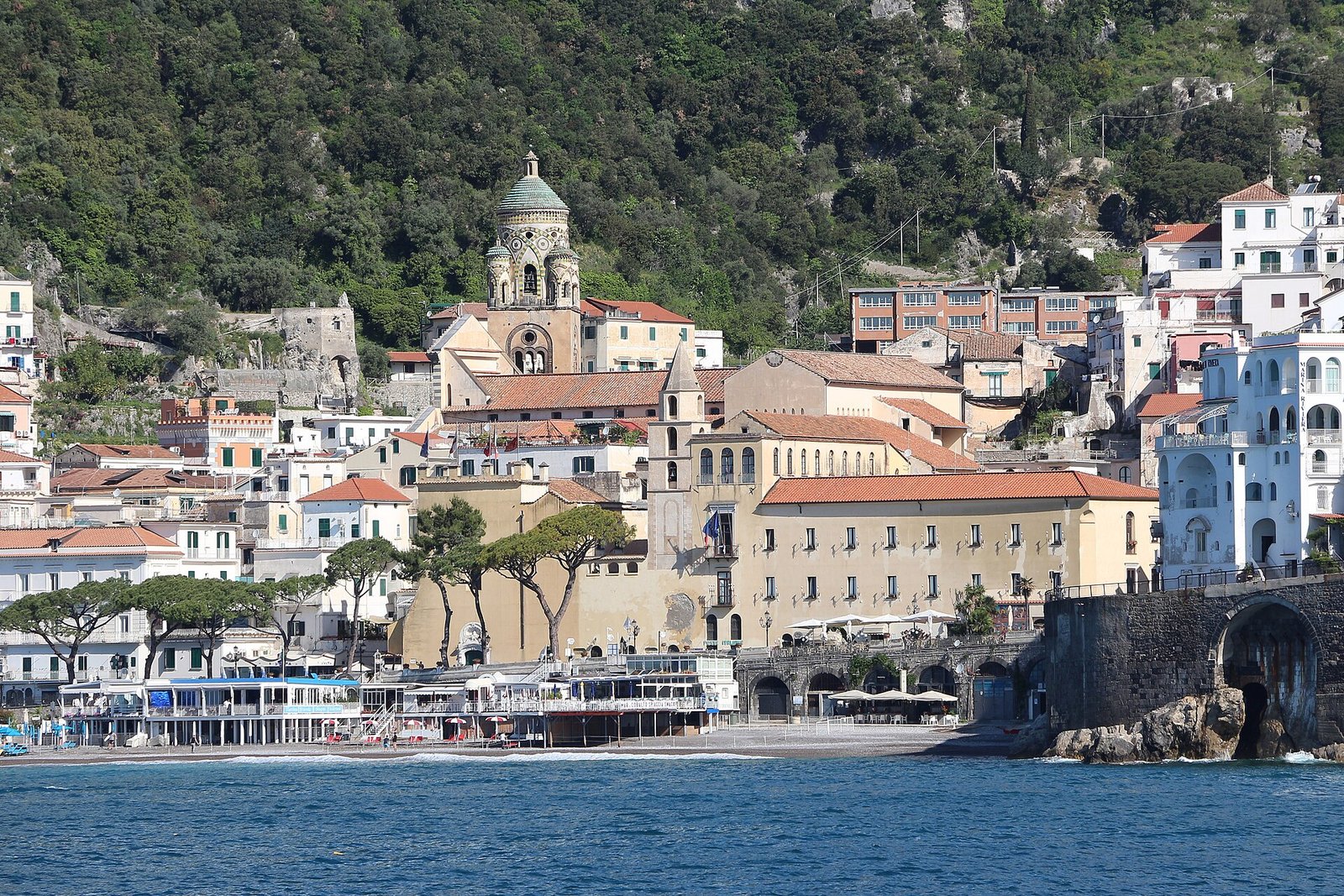
A boat connection can link selected coast towns without driving the congested cliff road. Allow Full day. Use official timetables, choose no more than two towns, and keep a bus or rail-informed backup for rough weather. Keep Lungomare Trieste only when it serves the traveler’s Salerno priorities, not merely to lengthen the list.
Pompeii by rail
The archaeological site is a logical independent day from Salerno when approached through the correct station and entrance. Allow 5–7 hours. Buy official entry, start early, carry water, and confirm the rail route and final return before departure. Keep Lungomare Trieste only when it serves the traveler’s Salerno priorities, not merely to lengthen the list.
A PRACTICAL ROUTE
Suggested itinerary
Salerno waterfront and old city
Walk from the station along the lungomare, visit the cathedral, and remain in the historic center for dinner.
Gardens and local neighborhoods
Climb toward the Minerva garden in cooler hours, then use the afternoon for markets or museums.
Amalfi Coast
Take the first practical ferry or bus, limit the day to one or two connected towns, and return with a backup plan.
Pompeii or flexible city time
Use rail for the archaeological site, or protect this day if sea weather cancelled the coast outing.
REALISTIC BUDGET
Estimated travel costs
Salerno costs move most with April–June or September–October, booking timing, taxes, and the specific room location in Centro Storico. Treat Salerno’s dollar figures as orientation. They convert Euro (EUR) at August 1, 2026 reference rates for Salerno, before later market movement or payment fees.
TRAVEL WELL
Practical travel tips
- Check the exact ferry pier, seasonal dates, and marine conditions on the operator’s official site.
- Do not attempt several Amalfi Coast towns in one day; transport queues can consume the experience.
- Use only official Pompeii ticket channels and confirm the station that matches the chosen entrance.
- Pack shoes for polished stone, slopes, and stairs even when the city plan looks urban.
- Solo travelers should choose a central, well-lit return route and avoid waiting alone at an unfamiliar pier after the final service.
- Use supervised beaches where available and respect currents and cliff closures.
- Keep bags secured in crowded historic centers and on ferries.
- Check heat, wind, ferry, and wildfire notices before coastal days.
COMMON QUESTIONS
Salerno travel FAQ
How many days do you need in Salerno?
Salerno works best with 3–5 days for a first visit. A short Salerno trip should pair Lungomare Trieste with one nearby priority; extra time belongs to meals, weather, or walking delays.
Is Salerno expensive?
In Salerno, a budget traveler can plan around €65–115 (about US$75–133) per person per day before long-distance arrival costs. The largest Salerno premiums come from Centro Storico, peak dates, private transport, and guided access to Lungomare Trieste.
Do you need a car in Salerno?
A car is unnecessary in Salerno and often inconvenient on the Amalfi Coast. Rail, ferry, bus, and occasional taxi create a better short-trip combination.
What is the best month to visit Salerno?
May often provides warm, long days before peak summer heat and the highest coastal crowd pressure.
Is Salerno safe for solo female travelers?
Many solo female travelers can plan Salerno with ordinary destination-appropriate precautions. Solo travelers should choose a central, well-lit return route and avoid waiting alone at an unfamiliar pier after the final service. Recheck official travel advice for Salerno, then compare it with the latest conditions affecting Lungomare Trieste.
What should you book in advance for Salerno?
Reserve high-speed rail, peak-season ferries, coast accommodation, Pompeii entry, and popular restaurants. Keep weather-sensitive boat plans refundable.
KEEP EXPLORING
Related The Wander Muse guides
CHECK BEFORE DEPARTURE
Sources and official resources
Schedules, fares, access rules, closures, and entry systems affecting Salerno can change. Recheck the official resources below shortly before departure.