START HERE
Why visit Sardinia
Northern Sardinia combines granite coves, translucent water, rugged islands, and inland villages within reach of Olbia. It rewards beach-focused couples, families, photographers, sailors, and road-trippers who want more variety than a single resort can provide. Seven days are enough to link Costa Smeralda, the La Maddalena archipelago, and one quieter southern or inland base; travelers without a car should choose fewer bases and plan around regional buses or organized excursions. This guide explains seasonal trade-offs, airport and ferry access, where to stay, realistic daily costs, and a route that avoids unnecessary backtracking. The central planning issue is distance: beaches that appear close on a map may require slow roads, parking searches, or boat connections. Reserve the most constrained transport and accommodation first, then keep individual beach days flexible for wind and sea conditions.
AT A GLANCE
Sardinia quick travel summary
Summer lodging, rental cars, ferries, and beach services fluctuate sharply. Treat the ranges below as planning estimates and confirm taxes, parking, cancellation terms, and boat conditions before payment.
WHEN TO GO
Best time to visit
Spring (March–May)
March and April can be mild but changeable, with rain, wind, and cool seawater. Visitor numbers and accommodation prices stay moderate, while some coastal restaurants and boat services operate limited schedules. May is warmer and greener, making it excellent for hiking, archaeology, and quiet drives. Pack layers and confirm seasonal businesses rather than assuming every beach service is open.
Summer (June–August)
June brings warm water and long days before the heaviest demand. July and especially August are hot, crowded, and expensive, with pressure on parking, ferries, restaurants, and rental cars. Beach and boat days are reliable when wind permits, but midday heat makes inland walks tiring. Reserve essential transport well ahead and arrive at popular coves early.
Fall (September–November)
September is a strong all-round choice: the sea remains warm, many services continue, and crowds usually ease after the Italian holiday peak. October can offer pleasant walking and swimming days, but rain and reduced ferry excursions become more likely. Prices generally soften. Build flexibility into island plans and prioritize archaeology or village meals when the coast is windy.
Winter (December–February)
Winter is quiet, cooler, and frequently windy, with limited resort activity and fewer tourism-oriented services. Olbia and year-round towns still function, but a classic beach holiday is unlikely. This period suits slow drives, local food, and archaeology more than island hopping. A car is useful, daylight is shorter, and travelers should verify lodging heating and restaurant opening days.
ARRIVING
How to get there
Olbia Costa Smeralda Airport is the most practical gateway for northeastern Sardinia. It sits only a few kilometers from Olbia, and local buses connect the terminal with the city and port area; official operator schedules should be checked for the travel date. Taxis and pre-booked transfers are easiest with bulky beach luggage, while collecting a rental car at the airport works best for a multi-base itinerary. Travelers arriving by sea can use ferries to Olbia or nearby Golfo Aranci from mainland Italian ports, with journey times varying by route and whether the sailing is daytime or overnight. From Cagliari or Alghero, overland travel takes several hours and connections may require a train or bus change. The easiest option is a direct flight or ferry into the northeast; the least expensive depends on season and luggage fees. Reserve vehicles and vehicle-ferry space early for July and August.
MOVING AROUND
Getting around
A rental car gives the most flexibility because many beaches, trailheads, agriturismi, and viewpoints sit beyond frequent public transport. Roads are generally paved, but coastal approaches can be narrow, congested, and slower than expected. Parking at famous coves is limited and may be paid or regulated; never block access roads or drive onto protected land. Regional buses connect Olbia with hubs such as San Teodoro, Palau, and towns on the Costa Smeralda, but frequencies vary by season and are not designed for rapid beach hopping. Ferries from Palau serve La Maddalena, while excursions reach islands and coves without a car. Base in Olbia for public-transport convenience, choose one resort for a car-free beach break, or rent a car for a seven-day circuit. Avoid scooters unless experienced with wind and uneven roads.
CHOOSE A BASE
Where to stay
Olbia — best for first-time logistics and travelers without a car
Olbia offers airport access, rail and bus connections, a walkable historic center, supermarkets, and a broad range of rooms. It is practical for late arrivals, early departures, and excursions, and rates can be lower than prestigious coastal resorts. The city is not itself the region’s best beach base, and evening atmosphere is urban rather than secluded. Choose accommodation near the center or a useful bus stop, not simply the cheapest peripheral address.
Costa Smeralda or Golfo Aranci — best for scenery and resort convenience
Porto Cervo and neighboring coastal settlements put coves, marinas, restaurants, and polished resort services close together. Golfo Aranci offers rail and ferry access with a more relaxed base. These areas suit couples and travelers prioritizing water, views, and short transfers. Summer prices are high, parking can be difficult, and nightlife varies by exact village. Confirm walking distance to a usable beach before booking.
San Teodoro, Palau, or inland Gallura — best for beaches, islands, or value
San Teodoro works for lively beaches and younger travelers; Palau is the efficient launch point for La Maddalena; inland Gallura offers agriturismi, granite landscapes, and better value away from the coast. Each choice favors a different day plan, so do not treat them as interchangeable. A car is useful, evening transport is limited, and remote lodging requires advance dinner planning.
PLAN YOUR DAYS
Best things to do
Costa Smeralda coves and coastal viewpoints
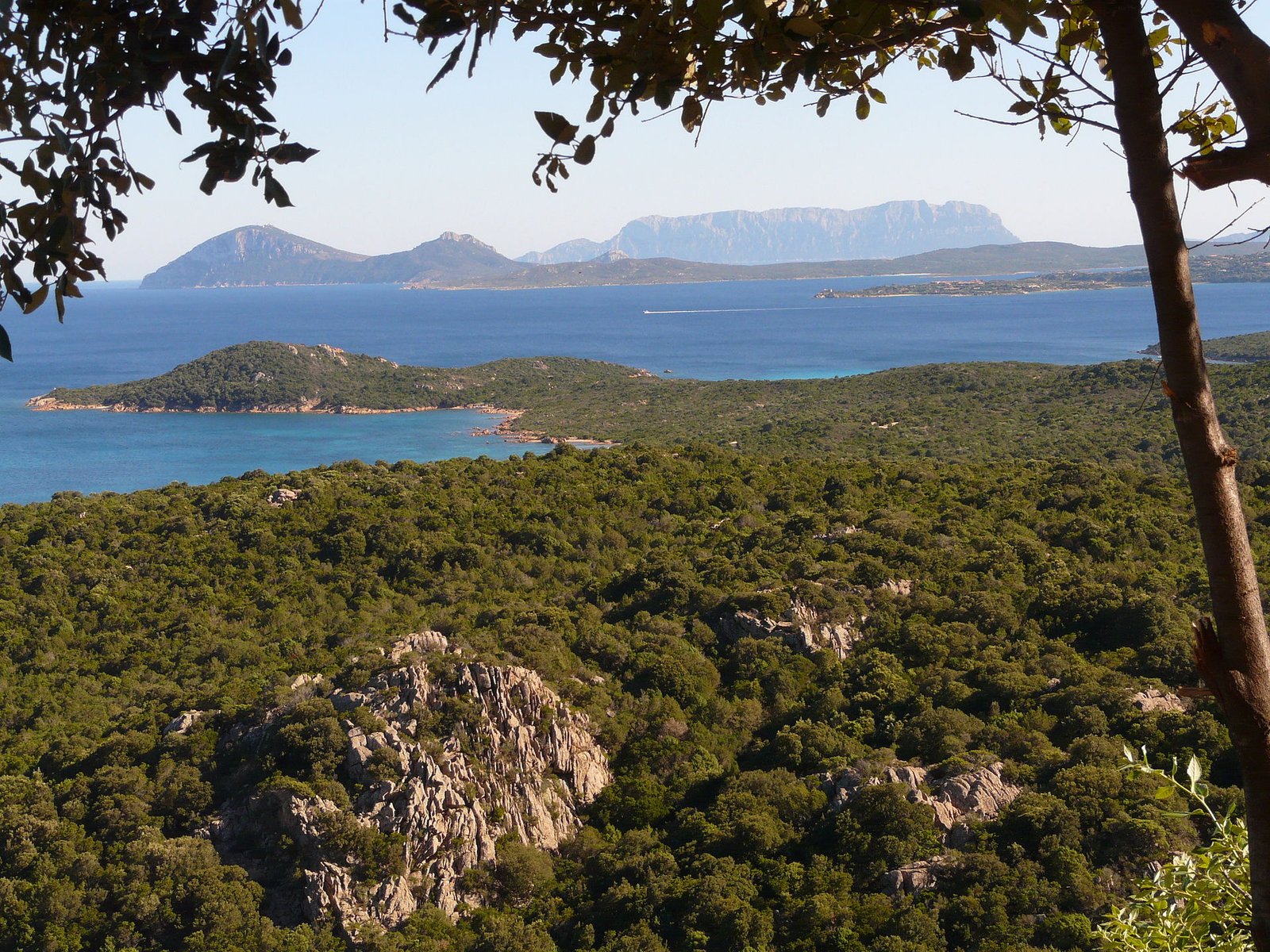
The northeast coast is defined by granite headlands and small turquoise coves rather than one continuous beach. Spend a half or full day pairing two nearby stops instead of racing between distant names. Early morning improves parking and calm conditions; late afternoon softens the light. Access and parking rules differ, and some beach services require reservations in peak periods. Families should check shelter and depth, while photographers should monitor wind direction.
La Maddalena archipelago
The national-park islands offer clear water, sculpted rock, and a stronger sense of open sea. Allow a full day. Independent travelers can take the ferry to La Maddalena and explore permitted roads, while boat excursions reach coves inaccessible by car. Reserve reputable trips in summer, verify what the fare includes, and follow park restrictions. Wind can reroute or cancel plans, so avoid scheduling the excursion immediately before a flight.
Tavolara and the protected marine area
The limestone island rising opposite Porto San Paolo creates one of the region’s most recognizable landscapes. A boat outing or guided marine activity usually needs half to a full day. Conditions and protected-area rules matter more than a fixed checklist. Book through an authorized operator, carry sun protection and water, and ask about landing arrangements. It is best for swimmers, paddlers, divers, and travelers comfortable with weather-dependent schedules.
Olbia’s historic center and nearby archaeology
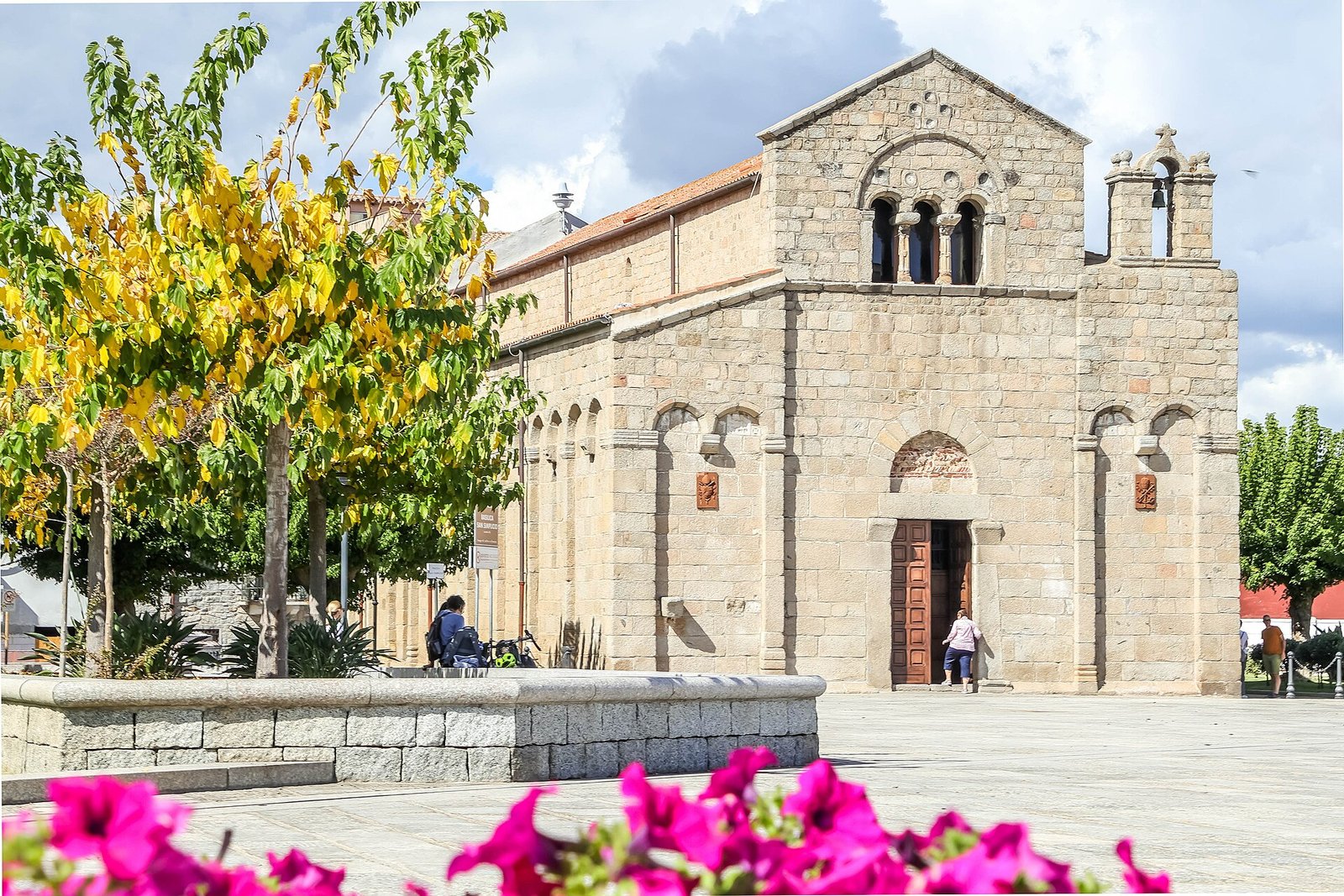
Olbia supplies useful context between beach days through its old streets, churches, museum collections, and remnants connected with ancient settlement and trade. Allow two to four hours, checking official opening hours before setting out. Pair the center with a relaxed meal rather than forcing it into a distant coastal day. Archaeology enthusiasts can add a verified nearby Nuragic or sacred-well site by car.
Inland Gallura villages and granite country
A day away from the shore reveals cork landscapes, stone villages, traditional food, and prehistoric sites. Select one coherent loop through places such as Arzachena, Luogosanto, or Tempio Pausania according to your base. Allow most of a day and start after checking site hours. The route suits food lovers and travelers seeking quieter scenery; a car is usually necessary, and lunch reservations help outside peak town hours.
A PRACTICAL ROUTE
Suggested itinerary
Arrive in Olbia
Collect a car or learn the bus route, settle into Olbia, and walk the center. Keep the evening light so a delayed flight or ferry does not disrupt reservations.
Costa Smeralda loop
Start at one chosen cove, pause at a coastal viewpoint, and continue to a second nearby beach or village. Avoid crossing the entire coast for a checklist.
Golfo Aranci and marine scenery
Use the morning for a beach or guided water activity, then return via a different coastal stop. Leave room for wind to change the order.
Move to Palau
Travel north through Arzachena, adding one archaeological site if open. Check into Palau before evening and confirm the next day’s boat or ferry.
La Maddalena day
Take a reserved excursion or ferry early. Spend the full day within the archipelago and keep the evening unscheduled in case sea conditions delay the return.
Inland Gallura
Drive a compact village and food loop away from the busiest coast. Visit one meaningful cultural site and allow time for a long local lunch.
Final swim and departure
Choose a beach close to the airport or port, allowing ample time for fuel, vehicle return, and seasonal traffic. Do not plan an island trip on departure day.
REALISTIC BUDGET
Estimated travel costs
A careful traveler using Olbia or an inland base can manage roughly €85–140 per person per day, excluding the flight or mainland ferry. A mid-range road trip with a shared double room, rental car, restaurant meals, and one boat day commonly reaches €180–350. August and high-profile resorts can exceed both ranges. Compare the total price after luggage, insurance, taxes, parking, fuel policy, and cleaning charges. Sardinia’s dollar figures use August 1, 2026 reference rates; recalculate them before payment.
TRAVEL WELL
Practical travel tips
- Do not plan multiple famous beaches in opposite directions on the same day; coastal traffic removes the apparent time saving.
- Reserve an automatic rental car early if required, because supply is smaller and summer rates rise quickly.
- Carry water, shade, and reef-conscious sun protection; many small coves have limited services.
- Keep swimwear for the beach and dress more fully in towns, churches, and restaurants.
- Cards are common, but carry some euros for parking machines, kiosks, or small rural businesses.
- Download offline maps because mobile coverage can weaken on remote roads and boat routes.
- Treat wind as a planning factor: ask locally which coast is more sheltered before committing to a beach.
- Travelers with limited mobility should verify sand access, gradients, gangways, and hotel steps directly.
COMMON QUESTIONS
Sardinia travel FAQ
How many days do you need in northern Sardinia?
Seven days allow Olbia, two coastal areas, La Maddalena, and one inland day. Ten days support slower beach time or an additional base without constant packing.
Do you need a car in Sardinia?
A car is strongly recommended for a multi-base northeast itinerary. A car-free trip is possible from Olbia or one resort using buses and excursions, but the beach choice will be narrower.
Is Costa Smeralda expensive?
It can be, especially in July and August and around luxury marinas. Staying in Olbia, Golfo Aranci, Palau, or inland villages and visiting by day can reduce lodging and dining costs.
What is the best month for Sardinia?
June offers warm weather and long days before the August peak. September often combines warm sea temperatures with somewhat lower crowds and prices.
Can you visit La Maddalena as a day trip?
Yes. Ferries from Palau support an independent visit, and organized boat trips visit selected coves. Weather, park rules, and summer demand should guide the choice.
Is northern Sardinia suitable for families?
Yes, provided families choose sheltered beaches, reserve appropriate rooms and vehicles, and avoid excessive daily driving. Ask about water depth and facilities at each beach.
KEEP EXPLORING
Related The Wander Muse guides
CHECK BEFORE DEPARTURE
Sources and official resources
Schedules, fares, closures, and timed-entry systems affecting Sardinia can change. Recheck the official resources below shortly before departure.