START HERE
Why visit Sicily
Sicily is a large Mediterranean island where Greek temples, Arab-Norman architecture, baroque towns, volcanic landscapes, beaches, and intensely local food sit several hours apart. It suits road trippers, archaeology and history travelers, couples, food lovers, and repeat visitors to Italy who can devote enough time to regional differences. Seven days cover one side at a fast pace; ten to twelve produce a far more coherent route between Palermo, Agrigento, the southeast, Catania, and Etna. This guide explains Sicily’s seasons, two main airports, rail-versus-car decisions, accommodation bases, major sites, realistic euro costs, and an itinerary that avoids crossing the island repeatedly. The essential decision is whether to drive: trains work well on selected coastal and city routes, while rural archaeological sites, beaches, and mountain areas often require a car or organized transfer.
AT A GLANCE
Sicily quick travel summary
Sicily budgets below are planning ranges, not quotes. The route length, car category, one-way fees, ferry choices, beach season, and exchange rates can change the total, so confirm current details before booking.
WHEN TO GO
Best time to visit
Spring (March–May)
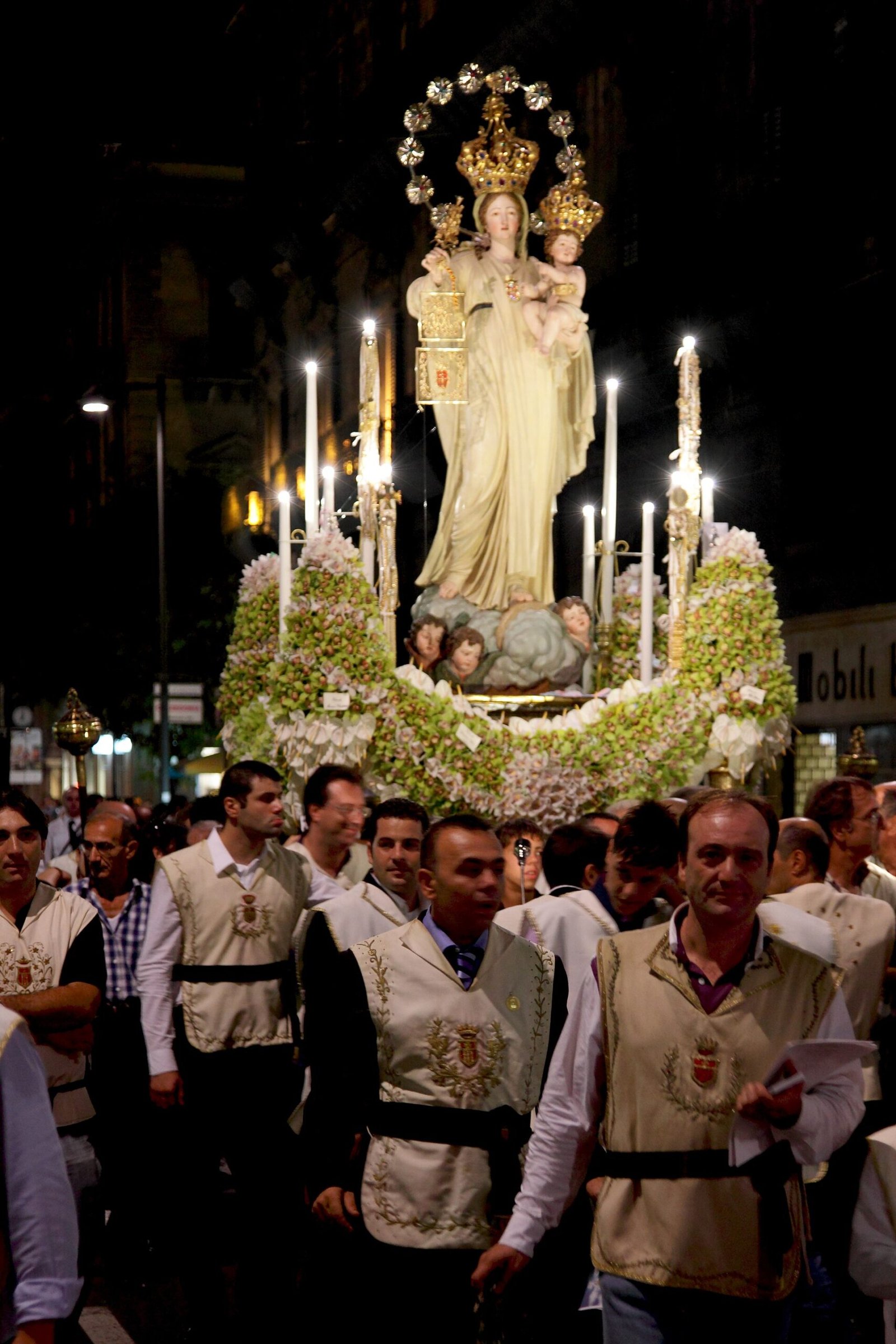
Spring brings green landscapes, wildflowers, comfortable archaeological-site weather, and cooler sea temperatures. Easter processions and holiday weekends increase demand. May is excellent for a circuit before peak heat. Pack layers for Etna and rain, and confirm seasonal ferry or beach services.
Summer (June–August)
Summer is hot, dry, crowded, and expensive along the coast. Inland temples and baroque streets can be exhausting at midday, while beaches and islands require reservations or early arrival. Schedule archaeological sites at opening, rest during peak heat, and ensure accommodation has effective air conditioning. Wildfire and transport disruption are possible.
Fall (September–November)
September retains warm sea conditions with fewer family crowds, while October is excellent for cities, ruins, and food. Storms can become more frequent and some island services reduce later in fall. Prices generally soften outside events. Keep ferry and Etna days flexible around weather.
Winter (December–February)
Winter is mild on the coast but cool and wet, with snow possible on Etna and limited resort services. Cities, food, mosaics, and archaeology remain rewarding with lighter crowds. Short daylight and closures complicate a full island circuit. Focus on two or three bases rather than attempting every coast.
ARRIVING
How to get there
Catania Airport is the primary gateway for eastern Sicily, Etna, Taormina, and Syracuse; Palermo Airport is more practical for the capital, western coast, and a west-to-east circuit. Both have public transport and road-transfer options whose timetables should be checked through official airport and rail sites. Trenitalia regional trains link major cities and selected airport stops, but some journeys are slow or require bus connections. Ferries arrive from mainland Italy and other islands at several ports. Open-jaw flights—arriving in Palermo and leaving from Catania, or the reverse—can save a full-day return drive. Drivers should confirm rental pickup hours, insurance, restricted-traffic-zone rules, and whether the itinerary needs an automatic transmission. Avoid collecting a car for central Palermo unless departure is immediate.
MOVING AROUND
Getting around
Regional trains are useful between Palermo, Cefalù, Messina, Taormina-Giardini, Catania, Syracuse, and other served towns, although the station may not be beside the historic center. Buses fill gaps but schedules and ticket sales vary by operator. A rental car gives the greatest freedom for Agrigento, Val di Noto towns, beaches, Etna foothills, and rural stays. Driving requires confidence with narrow streets, assertive traffic, tolls, and ZTL restricted zones. Park outside historic centers and confirm legal lots with the accommodation. Taxis and private transfers suit single difficult legs but are costly. Do not plan a rapid loop based solely on map distance; mountain and local roads take longer than expected.
CHOOSE A BASE
Where to stay
Palermo — best for western history and food
Palermo combines Arab-Norman monuments, markets, museums, and access to Monreale and Cefalù. It suits first-time visitors and food-focused travelers. Traffic and parking are difficult, summer heat is intense, and street atmosphere varies by block. Stay near a walkable historic route and delay rental-car pickup.
Catania or Taormina — best for Etna and eastern access
Catania provides transport, markets, nightlife, and a practical Etna gateway; Taormina offers dramatic views and a polished resort experience. Catania is busier and grittier, while Taormina is expensive and crowded. Choose Catania for logistics and Taormina for scenery and a slower stay.
Syracuse, Ortigia, or the Val di Noto — best for baroque towns
Ortigia combines historic lanes and waterfront evenings, while Noto, Ragusa, and Modica anchor the southeast. This region suits couples, architecture travelers, and road trips. Summer parking and heat are difficult, and visiting every baroque town in one day creates a rushed experience.
PLAN YOUR DAYS
Best things to do
Palermo and Monreale
Palermo’s cathedral, Palatine Chapel, markets, churches, and layered neighborhoods need at least two days. Monreale’s mosaics add a focused half day with transport planning. Reserve limited-entry interiors when available, dress for religious sites, and use licensed guides for historical context. Market visits should support vendors rather than treating daily life as spectacle.
Valley of the Temples
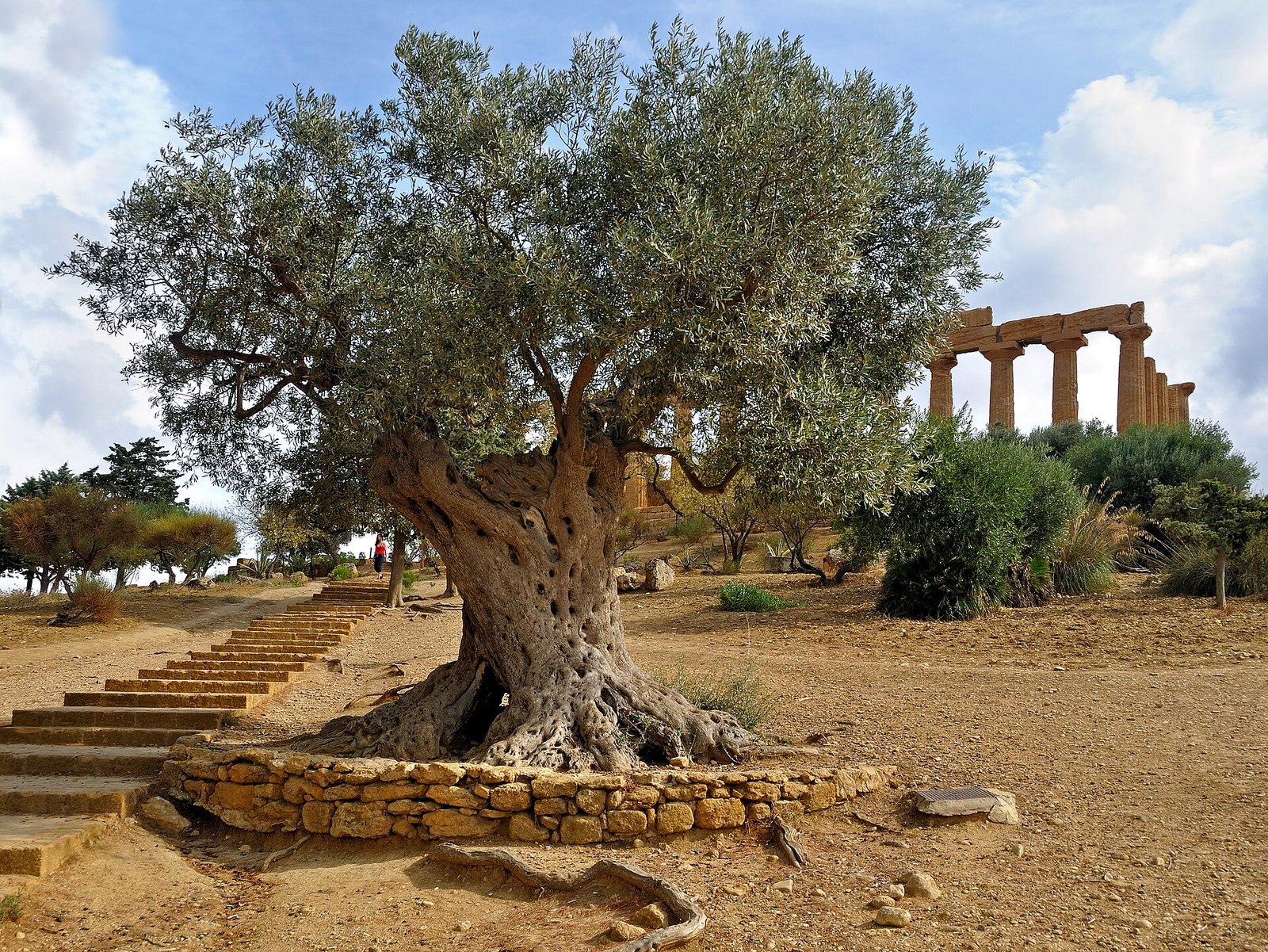
Agrigento’s archaeological park is one of Sicily’s defining ancient landscapes. Allow three to four hours and visit at opening or late afternoon outside winter. Shade is limited, distances are long, and entrances sit far apart. Buy through official channels, carry water, and check evening opening or shuttle arrangements rather than walking the exposed site at peak heat.
Mount Etna
Etna is an active volcano with rapidly changing access, weather, and eruption conditions. Experiences range from lower viewpoints to cable-car and authorized guided zones. Allow most of a day from Catania or Taormina. Wear real shoes and warm layers even in summer, follow civil-protection closures, and never enter restricted terrain independently.
Taormina and the ancient theatre
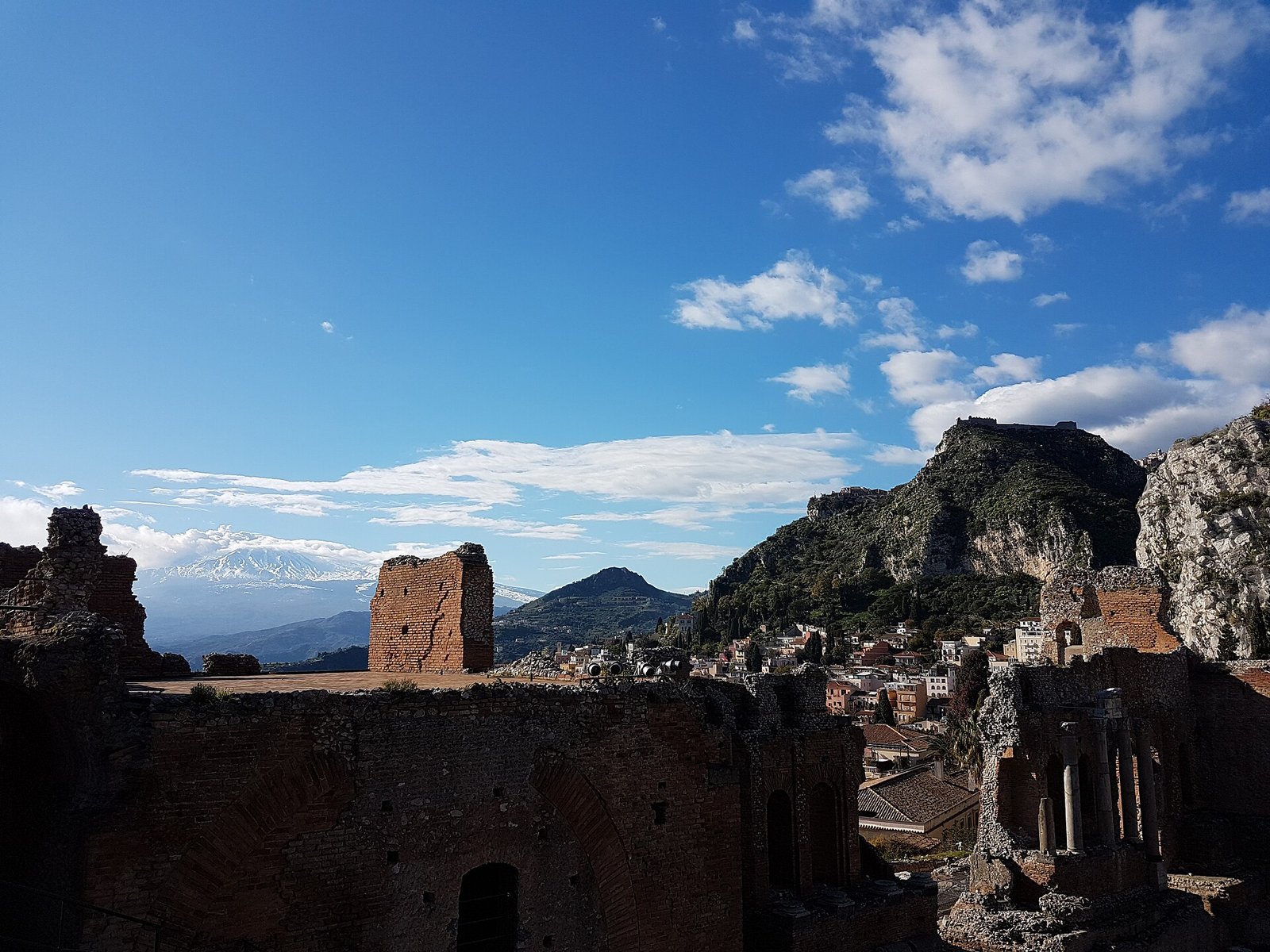
Taormina combines an ancient theater, mountain views, historic streets, and a steep coastal setting. Allow a full day or an overnight. Reserve the theater during busy periods and arrive before cruise and coach groups. Parking is outside much of the center, with buses or lifts completing the journey. It suits first visits but not budget-focused beach stays.
Syracuse and the southeast
Ortigia’s Greek and baroque layers, Syracuse’s archaeological park, and nearby Noto create several days of travel. Give Syracuse at least one full day and a separate day to one or two Val di Noto towns. Check midday closures, ZTL rules, and summer heat. A car helps regionally but should remain outside the historic centers.
A PRACTICAL ROUTE
Suggested itinerary
Palermo
Explore Arab-Norman monuments, one market, and the historic center by foot. Use the second day for Monreale or a focused museum and collect the rental car only when leaving.
Western or northern coast
Choose Cefalù or a western coastal stop according to the full route. Do not attempt both directions before driving toward Agrigento.
Agrigento
Enter the Valley of the Temples at a heat-smart time, rest nearby, and stay overnight rather than continuing across the island after a long site visit.
Val di Noto
Base in Ortigia, Noto, Ragusa, or Modica and group towns by road corridor. Visit no more than two major historic centers in one day.
Syracuse
Dedicate a full day to Ortigia and the archaeological area, keeping dinner within walking distance of the accommodation.
Catania and Etna
Explore Catania on one day and use a separate weather-flexible day for an official Etna excursion. Do not place the volcano immediately before a fixed flight.
Taormina and departure
Visit Taormina early, stay overnight if the budget allows, and depart through Catania. Extra days can support beaches or the Aeolian Islands under current ferry schedules.
REALISTIC BUDGET
Estimated travel costs
USD equivalents for Sicily are rounded planning comparisons where shown. For Sicily, check local tax, gratuity, accommodation fees, and cancellation terms before payment.
TRAVEL WELL
Practical travel tips
- Use an open-jaw airport plan when possible. Returning across Sicily solely for a flight can consume an entire day.
- Never drive into a ZTL because another car does. Cameras issue fines, and rental companies add administrative fees.
- Book Etna through an authorized operator appropriate to the access zone and obey closures. Volcanic conditions override every itinerary.
- Schedule temples and baroque streets outside peak summer heat. Shade and drinking fountains cannot be assumed.
- Cards are increasingly common, but cash remains useful for small businesses, parking, and markets. Request receipts where appropriate.
- Religious sites require covered shoulders and respectful behavior. Services and ceremonies can limit visitor access.
- Regional trains are useful but not comprehensive. Check station location and the last bus or taxi to the accommodation before purchase.
- Solo female travelers should select well-reviewed central lodging, avoid isolated parking at night, and share remote trail, beach, or volcano plans.
COMMON QUESTIONS
Sicily travel FAQ
How many days do you need in Sicily?
Seven days cover one part of the island at a brisk pace. Ten to twelve days are better for Palermo, Agrigento, the southeast, Catania, Etna, and Taormina.
Do you need a car in Sicily?
A car is highly useful for rural sites, beaches, and a broad circuit. Trains work for several coastal cities. Avoid driving and parking inside major historic centers.
Which Sicily airport is best?
Palermo is best for the capital and west; Catania serves Etna and the east. An open-jaw itinerary using both airports often creates the most efficient route.
What is the best month to visit Sicily?
May, June, September, and October balance weather and operating services. July and August suit beaches but bring extreme heat, crowds, and higher prices.
Is Sicily expensive?
Sicily can be less expensive than Italy’s most famous northern cities, but summer coasts, Taormina, rental cars, and tours increase costs. Inland food and longer stays may offer value.
Is Sicily safe for solo female travelers?
Many women travel independently. Use normal precautions, choose central lodging, avoid isolated night arrivals, and plan transport carefully in rural areas.
KEEP EXPLORING
Related The Wander Muse guides
CHECK BEFORE DEPARTURE
Sources and official resources
Schedules, fares, closures, and timed-entry systems affecting Sicily can change. Recheck the official resources below shortly before departure.