START HERE
Why visit Zadar
Zadar earns a place on a first or repeat trip for travelers who want Roman history, waterfront sunsets, island ferries, and national-park day trips. The strongest itinerary connects Sea Organ, Greeting to the Sun, and Roman Forum and St. Donatus without turning every day into a race. The peninsula puts major sights outside your door; Borik has resort beaches; Arbanasi is quieter and still close to town. This Zadar guide uses a realistic route, transparent planning ranges, and a slower schedule designed to be useful from a phone while you travel. It fits couples, solo travelers, history enthusiasts, and travelers combining Croatia’s coast with ferries or national parks. The peninsula is compact; the harder decisions concern island schedules, summer heat, cruise calls, and whether the next journey leaves from the city port or an outer terminal. The Zadar guide ties seasonal conditions to the main gateway, Historic peninsula, local-currency costs, and an itinerary centered on Sea Organ.
AT A GLANCE
Zadar quick travel summary
Zadar prices are planning ranges. Confirm the final amount in Euro (EUR), including taxes, booking terms, and exactly what each Zadar transport or activity ticket covers.
WHEN TO GO
Best time to visit
Spring (March–May)
In Zadar, this period brings mild to warm days, flowers, and occasional rain. Easter and spring weekends bring moderate-to-high demand. For Zadar, its main advantage is historic walks, gardens, and coastal routes; the disadvantage is that sea temperatures and ferry frequency may still be limited. Warm days and flowers suit walking, while ferry frequency and sea temperature increase gradually. Before an outdoor day in Zadar, recheck official weather and the transport needed for Sea Organ.
Summer (June–August)
In Zadar, this period brings hot, dry weather, strong sun, and warm sea conditions. Rooms, boats, and restaurants reach peak demand and price. For Zadar, its main advantage is beaches, evening streets, and long-day excursions; the disadvantage is that midday heat and crowds make ambitious sightseeing tiring. Peak heat, crowded sunsets, and high peninsula prices reward dawn sightseeing and advance island reservations. Before an outdoor day in Zadar, recheck official weather and the transport needed for Sea Organ.
Autumn (September–November)
In Zadar, this period brings warm early-season water followed by cooler, less predictable weather. Prices ease after summer except on festival weekends. For Zadar, its main advantage is swimming, food, and comfortable city walking; the disadvantage is that storms can interrupt ferries, roads, or exposed ruins. September keeps the sea warm with lighter crowds; autumn storms can still disrupt boats. Before an outdoor day in Zadar, recheck official weather and the transport needed for Sea Organ.
Winter (December–February)
In Zadar, this period brings cooler air, rain, wind, and short daylight. Ordinary weeks are quieter and cheaper. For Zadar, its main advantage is local life, museums, and unhurried food experiences; the disadvantage is that reduced coastal services and poor-weather days limit the full itinerary. Quiet streets and lower rates favor history, but wind, rain, and reduced island services limit a beach-led trip. Before an outdoor day in Zadar, recheck official weather and the transport needed for Sea Organ.
ARRIVING
How to get there
ZAD is a short drive from the city, with an airport bus, authorized taxi, rideshare where available, shuttle, and rental cars serving arrivals. The bus is generally the cheapest choice when it matches the flight; a taxi is easiest with luggage or a late arrival. Long-distance buses connect Split, Zagreb, and other Croatian cities. Ferry and catamaran departures use different Zadar-area ports, so the ticket’s exact terminal must be checked. A car is unnecessary on the peninsula and useful only for inland parks or a wider coastal road trip. Reserve summer vehicles and island tickets early, and never assume the last boat will wait for a delayed excursion.
MOVING AROUND
Getting around
The historic peninsula is best explored on foot, with Liburnija buses connecting Borik, the bus station, outer neighborhoods, and the airport service. Ferries and catamarans reach islands on schedules that vary by season and weather. Taxis fill gaps, while a rental car adds parking difficulty inside or near the peninsula. Bicycles suit the waterfront and selected routes but require secure storage. Travelers staying central can remain car-free and book one organized inland day; beach-focused visitors in Borik should learn the bus connection before relying on taxis every evening. For a 3–5 days visit, use Historic peninsula for the arrival-focused days, group Sea Organ with Greeting to the Sun, and protect Roman Forum and St. Donatus for the period with the best conditions. Put Sea Organ and Greeting to the Sun on different Zadar stages; the separation protects meal time and a weather fallback. Accessible Zadar bookings should confirm walking access and the precise final approach to Sea Organ.
CHOOSE A BASE
Where to stay
Historic peninsula — best for first-time visitors and nightlife
Roman sights, the Sea Organ, restaurants, and sunset walks are outside the door. Summer noise, limited vehicle access, stairs, and premium room rates are the trade-offs.
Borik or Diklo — best for beaches and families
These northern districts offer resort facilities, water access, and a slower rhythm. The old city requires bus, taxi, bicycle, or a longer walk.
Arbanasi or Kolovare — best for quiet convenience near the center
This southern area balances beaches and walking distance to the peninsula and bus station. Dining choice is thinner than inside the old city.
PLAN YOUR DAYS
Best things to do
Sea Organ
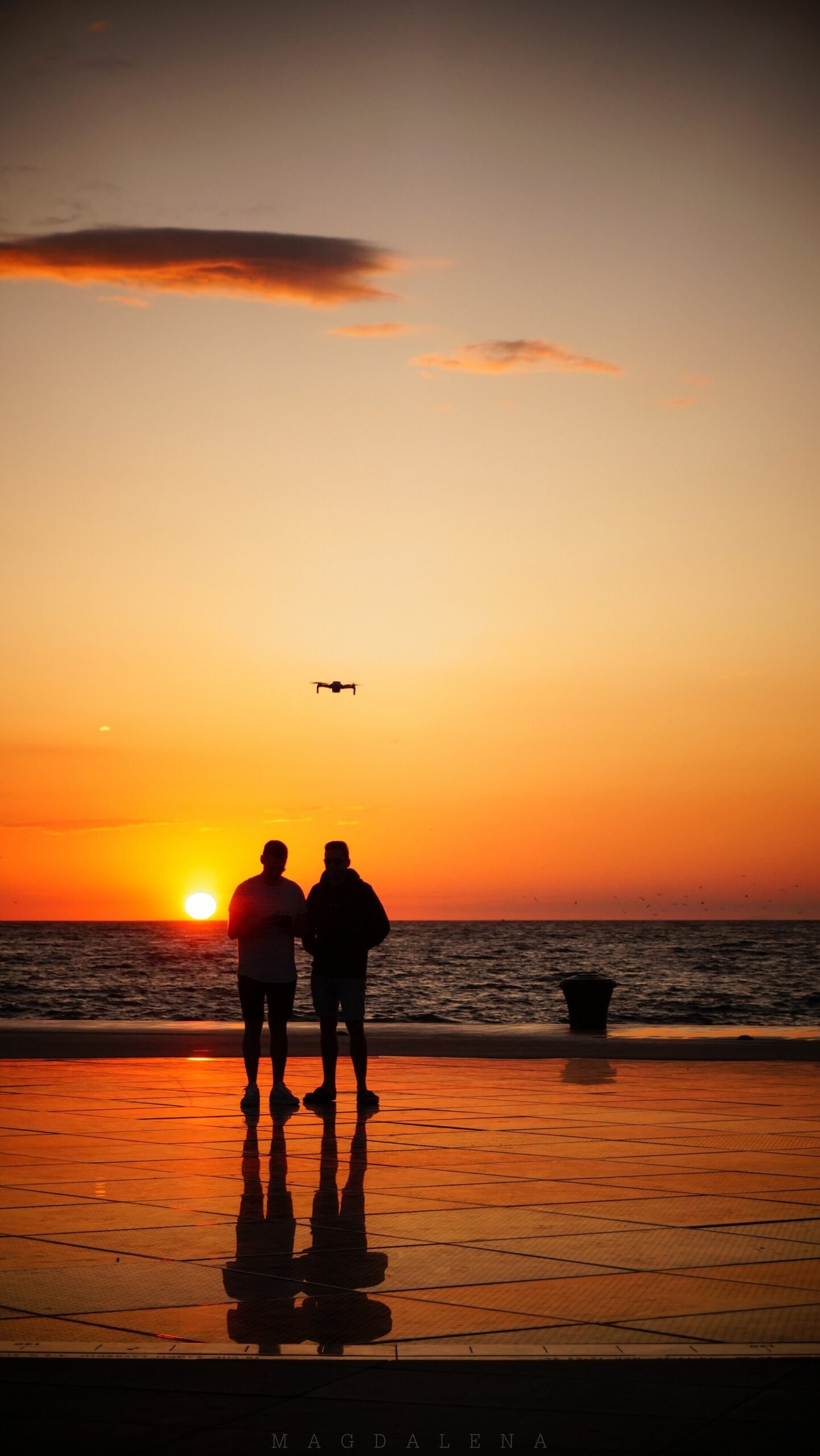
Wave-powered sound and open Adriatic views turn the waterfront into a place to linger rather than a single monument. Allow 45–90 minutes. Visit once in quiet morning light and again near sunset; no reservation is required, but summer evenings are crowded. Keep Sea Organ only when it serves the traveler’s Zadar priorities, not merely to lengthen the list.
Greeting to the Sun
The solar installation adds a playful night counterpart beside the Sea Organ. Allow 30–60 minutes. Arrive before sunset to understand both works and protect belongings in the dense evening crowd. Keep Sea Organ only when it serves the traveler’s Zadar priorities, not merely to lengthen the list.
Roman Forum and St. Donatus
Layers of Roman and early medieval history form the architectural core of old Zadar. Allow 2–3 hours. Use cooler morning hours, dress respectfully for religious sites, and check official entry times for towers and interiors. Keep Sea Organ only when it serves the traveler’s Zadar priorities, not merely to lengthen the list.
Ugljan or Dugi Otok
An island day adds villages, swimming, trails, and a slower Adriatic perspective. Allow Full day. Choose one island, buy the correct passenger or vehicle ticket, and verify the final return before leaving Zadar. Keep Sea Organ only when it serves the traveler’s Zadar priorities, not merely to lengthen the list.
Museum of Ancient Glass and old-city lanes
A focused collection and quieter streets broaden the historical visit beyond the main forum. Allow 2–3 hours. Check the museum’s closed day and combine it with nearby markets rather than crossing the peninsula repeatedly. Keep Sea Organ only when it serves the traveler’s Zadar priorities, not merely to lengthen the list.
A PRACTICAL ROUTE
Suggested itinerary
Old Zadar
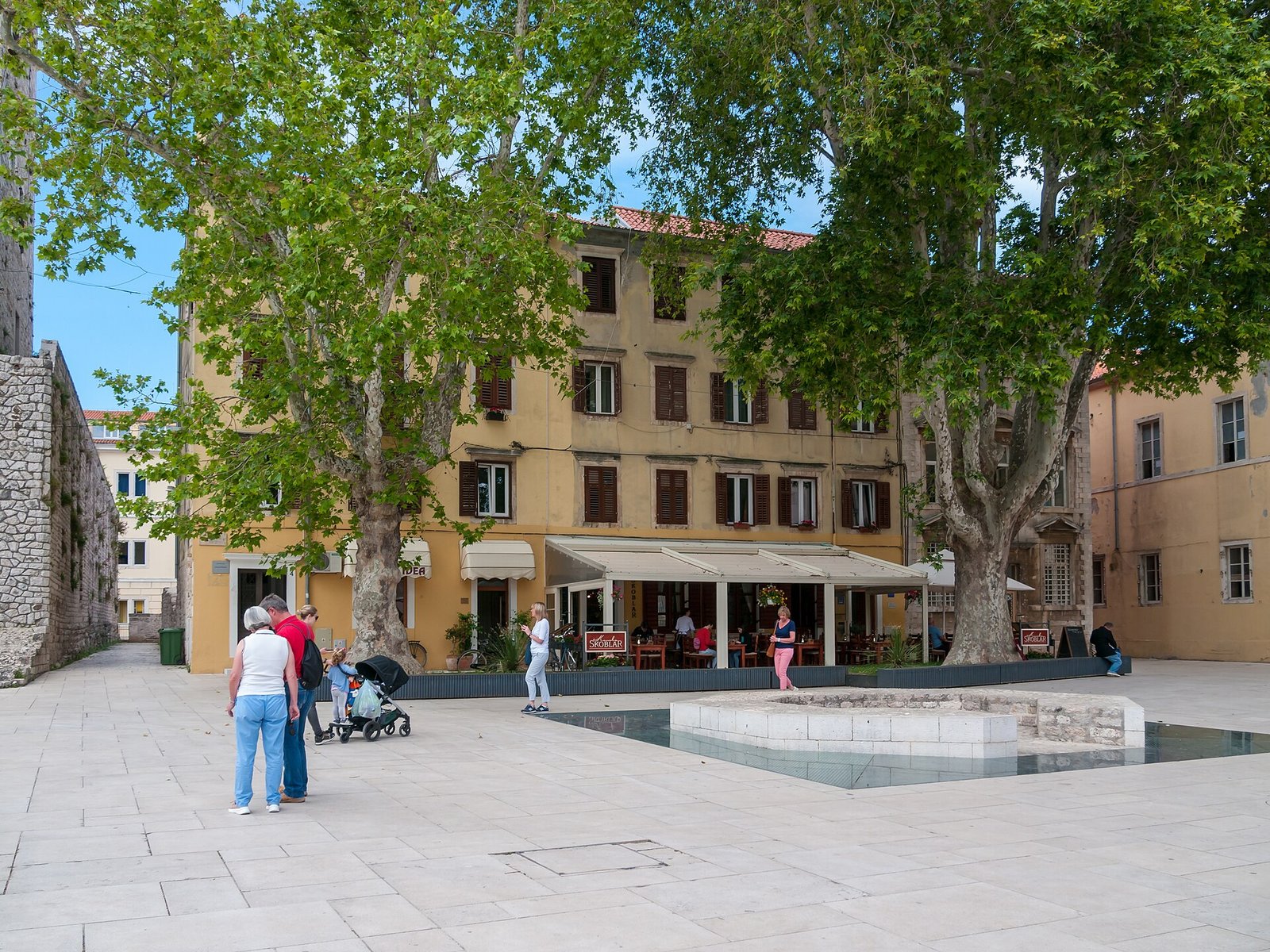
Walk the forum, churches, lanes, and market, then return to the waterfront for sunset.
Museums and beaches
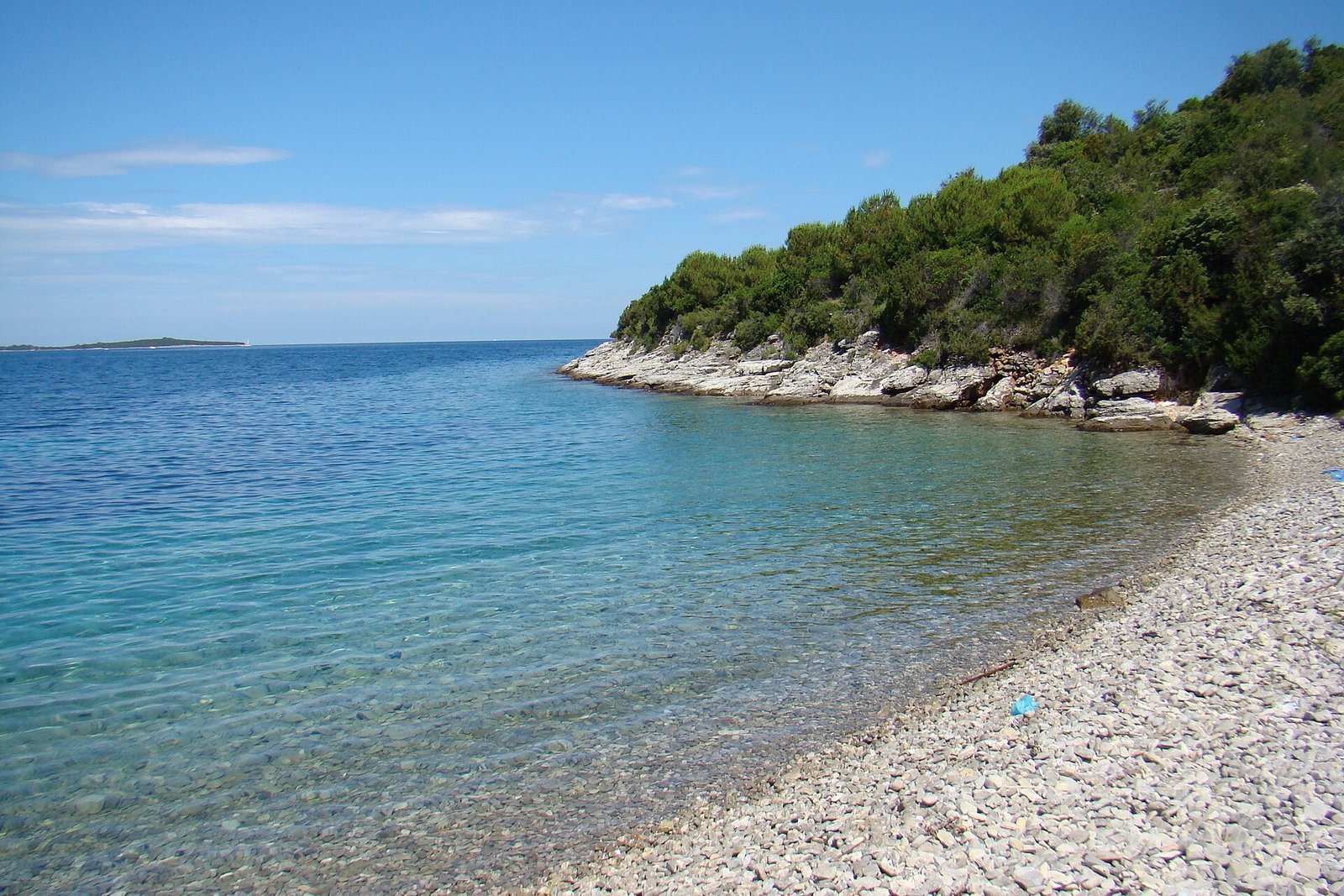
Use the morning for a museum, then choose Kolovare or Borik when heat makes stone streets tiring.
Island day
Take a verified early ferry to one island and protect the final return with a large buffer.
Flexible coast or park day
Choose an inland national-park excursion, kayaking, or additional peninsula time according to weather.
REALISTIC BUDGET
Estimated travel costs
Zadar costs move most with May–June or September, booking timing, taxes, and the specific room location in Historic peninsula. Keep the Zadar budget in Euro (EUR). Rounded dollar equivalents for Zadar use August 1, 2026 reference rates; actual card statements will differ.
TRAVEL WELL
Practical travel tips
- Confirm the exact port for every ferry or catamaran; ‘Zadar’ can refer to different terminals.
- Wear water shoes on rocky entries and never dive before checking depth and local conditions.
- Visit the Sea Organ twice—quiet morning and sunset—rather than judging it only in the peak crowd.
- Use official operator sites for national-park and island transport because seasonal schedules change.
- Solo female travelers should choose active central routes at night and arrange transport from remote beaches before sunset.
- Wear secure footwear on polished old-town stone.
- Check wind and ferry notices before island trips.
- Use marked trails and carry water in national parks.
COMMON QUESTIONS
Zadar travel FAQ
How many days do you need in Zadar?
Zadar works best with 3–5 days for a first visit. A short Zadar trip should pair Sea Organ with one nearby priority; extra time belongs to meals, weather, or walking delays.
Is Zadar expensive?
In Zadar, a budget traveler can plan around €65–110 (about US$75–127) per person per day before long-distance arrival costs. The largest Zadar premiums come from Historic peninsula, peak dates, private transport, and guided access to Sea Organ.
Do you need a car in Zadar?
A car is unnecessary for the peninsula and passenger island trips. Rent one for inland parks or a wider Dalmatian road trip, then choose lodging with parking.
What is the best month to visit Zadar?
September usually retains warm sea conditions with less pressure than July and August, although boat weather still needs checking.
Is Zadar safe for solo female travelers?
Many solo female travelers can plan Zadar with ordinary destination-appropriate precautions. Solo female travelers should choose active central routes at night and arrange transport from remote beaches before sunset. For Zadar, a final review of official advice, local conditions, and the route from the main gateway belongs in the departure checklist.
What should you book in advance for Zadar?
Reserve peak-summer rooms, island excursions, vehicle ferries, and national-park trips. Central outdoor sights remain flexible.
KEEP EXPLORING
Related The Wander Muse guides
CHECK BEFORE DEPARTURE
Sources and official resources
Schedules, fares, access rules, closures, and entry systems affecting Zadar can change. Recheck the official resources below shortly before departure.