START HERE
Why visit Ucluelet
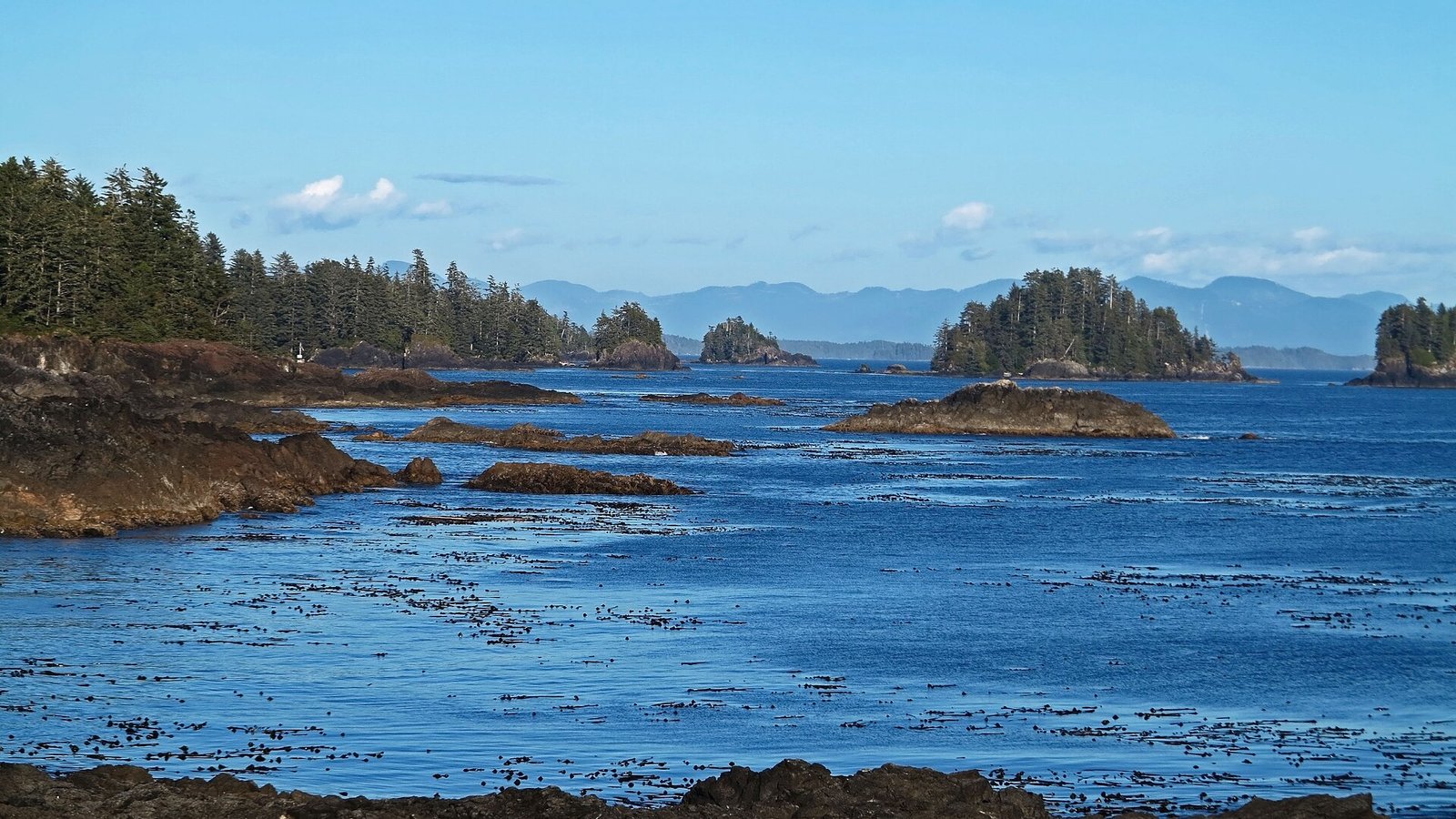
Ucluelet places rugged Pacific coves, cedar rainforest, working-harbor life, and the Wild Pacific Trail beside a quieter base than neighboring Tofino. It suits coastal hiking, storm watching, wildlife, couples, road trips, and quiet nature stays and works best when Wild Pacific Trail Lighthouse Loop and Pacific Rim National Park Reserve stay on separate compact days. A first visit works best when Wild Pacific Trail Lighthouse Loop, Pacific Rim National Park Reserve, and Barkley Sound wildlife trip are arranged around realistic transport and weather windows. The village center supports restaurants and tours, the Lighthouse Loop area gives immediate trail access, and the highway corridor works for cabins between Ucluelet and Pacific Rim. Ucluelet planning connects Tofino–Long Beach Airport (YAZ), or Nanaimo Airport (YCD) plus a long drive, rental car, Ucluelet village and harbor, and Wild Pacific Trail Lighthouse Loop with the six-row Canadian dollar (CAD) budget and 3–5 days route below. Before booking Ucluelet, use the linked authorities to verify opening days, rental car, and any timed entry for Wild Pacific Trail Lighthouse Loop.
AT A GLANCE
Ucluelet quick travel summary
Ucluelet prices are planning ranges rather than quotes. Before paying in Canadian dollar (CAD), check taxes, card charges, cancellation terms, and whether transport to Wild Pacific Trail Lighthouse Loop is included.
WHEN TO GO
Best time to visit
Spring (March–May)
Across Ucluelet, expect mild days, changeable rain, and lengthening daylight; conditions near Wild Pacific Trail Lighthouse Loop can vary. For Ucluelet, crowds and prices are moderate except around school and public holidays. For Ucluelet, this window favors Wild Pacific Trail Lighthouse Loop. Schedule it only after accounting for the fact that visitors in Ucluelet should pack a waterproof layer and expect cool mornings. Pacific storms, high wind, king tides, wildfire closures, and the Highway 4 corridor can interrupt access with little notice. Recheck Ucluelet weather and the operating status of Wild Pacific Trail Lighthouse Loop shortly before any weather-sensitive or reservation-dependent day.
Summer (June–August)
Across Ucluelet, expect the warmest weather and the longest usable days; conditions near Pacific Rim National Park Reserve can vary. This is the busiest and most expensive period for Ucluelet. Pacific Rim National Park Reserve is the most practical Ucluelet focus during this period. The limitation is that visitors in Ucluelet should reserve accommodation and timed attractions early. Pacific storms, high wind, king tides, wildfire closures, and the Highway 4 corridor can interrupt access with little notice. Recheck Ucluelet weather and the operating status of Wild Pacific Trail Lighthouse Loop shortly before any weather-sensitive or reservation-dependent day.
Autumn (September–November)
Across Ucluelet, expect cooler air, changing foliage, and shorter daylight; conditions near Barkley Sound wildlife trip can vary. Expect lighter crowds after early September. Barkley Sound wildlife trip is the most practical Ucluelet focus during this period. The limitation is that visitors in Ucluelet should check reduced hours and weather-sensitive services. Pacific storms, high wind, king tides, wildfire closures, and the Highway 4 corridor can interrupt access with little notice. Recheck Ucluelet weather and the operating status of Wild Pacific Trail Lighthouse Loop shortly before any weather-sensitive or reservation-dependent day.
Winter (December–February)
Across Ucluelet, expect cold conditions with the possibility of rain, snow, or storms; conditions near Ucluelet Aquarium can vary. Expect quiet periods interrupted by holiday peaks. This period creates better conditions for Ucluelet Aquarium in Ucluelet; the main drawback is that in Ucluelet, transport disruption and limited daylight require buffers. Pacific storms, high wind, king tides, wildfire closures, and the Highway 4 corridor can interrupt access with little notice. Recheck Ucluelet weather and the operating status of Wild Pacific Trail Lighthouse Loop shortly before any weather-sensitive or reservation-dependent day.
ARRIVING
How to get there
YAZ is the nearest airport, but flight and ground-transfer choices are limited. Many visitors rent a car from Nanaimo, Victoria, or Comox and drive Highway 4, a scenic route with narrow sections, construction, and winter hazards. Regional buses may operate on selected days; verify the current schedule and luggage rule. Fuel before the west-coast stretch, check DriveBC, and do not treat the estimated time as a guarantee. Travelers using a rental car should confirm gravel, animal, and roadside-assistance terms, especially outside the main season.
MOVING AROUND
Getting around
Ucluelet village and parts of the Wild Pacific Trail are walkable, while a car is practical for Pacific Rim beaches and Tofino. The multi-use path improves cycling between communities, though distance, rain, and darkness still matter. Taxis are limited and ride-hailing should not be assumed. Wildlife boats depart from the harbor under weather-dependent schedules. Parking is controlled at popular trailheads and national-park sites. Remain behind coastal barriers during storms because drift logs and rogue waves can reach far above ordinary surf. For a 3–5 days visit, group Wild Pacific Trail Lighthouse Loop with Pacific Rim National Park Reserve, then protect Barkley Sound wildlife trip for the strongest weather or access window. Wild Pacific Trail Lighthouse Loop and Pacific Rim National Park Reserve belong on separate compact Ucluelet stages; that leaves room for a delayed rental car connection. Accessible Ucluelet planning needs four checks: rental car boarding, surfaces, restrooms, and the final approach to Wild Pacific Trail Lighthouse Loop.
CHOOSE A BASE
Where to stay
Ucluelet village and harbor — best for first-time convenience
Restaurants, groceries, tour departures, and ordinary services are close. Some rooms face working-harbor noise and the Lighthouse Loop needs a longer walk or short drive.
Lighthouse Loop and Terrace Beach — best for immediate trail scenery
Cabins and lodges place the Wild Pacific Trail and forested coves near the door. Dining choices are limited and dark, wet road walks are not comfortable.
Highway 4 and Pacific Rim corridor — best for cabins and park access
A well-located property can split driving between Ucluelet, Long Beach, and Tofino. A car is essential and isolated properties require advance food planning.
PLAN YOUR DAYS
Best things to do
Wild Pacific Trail Lighthouse Loop
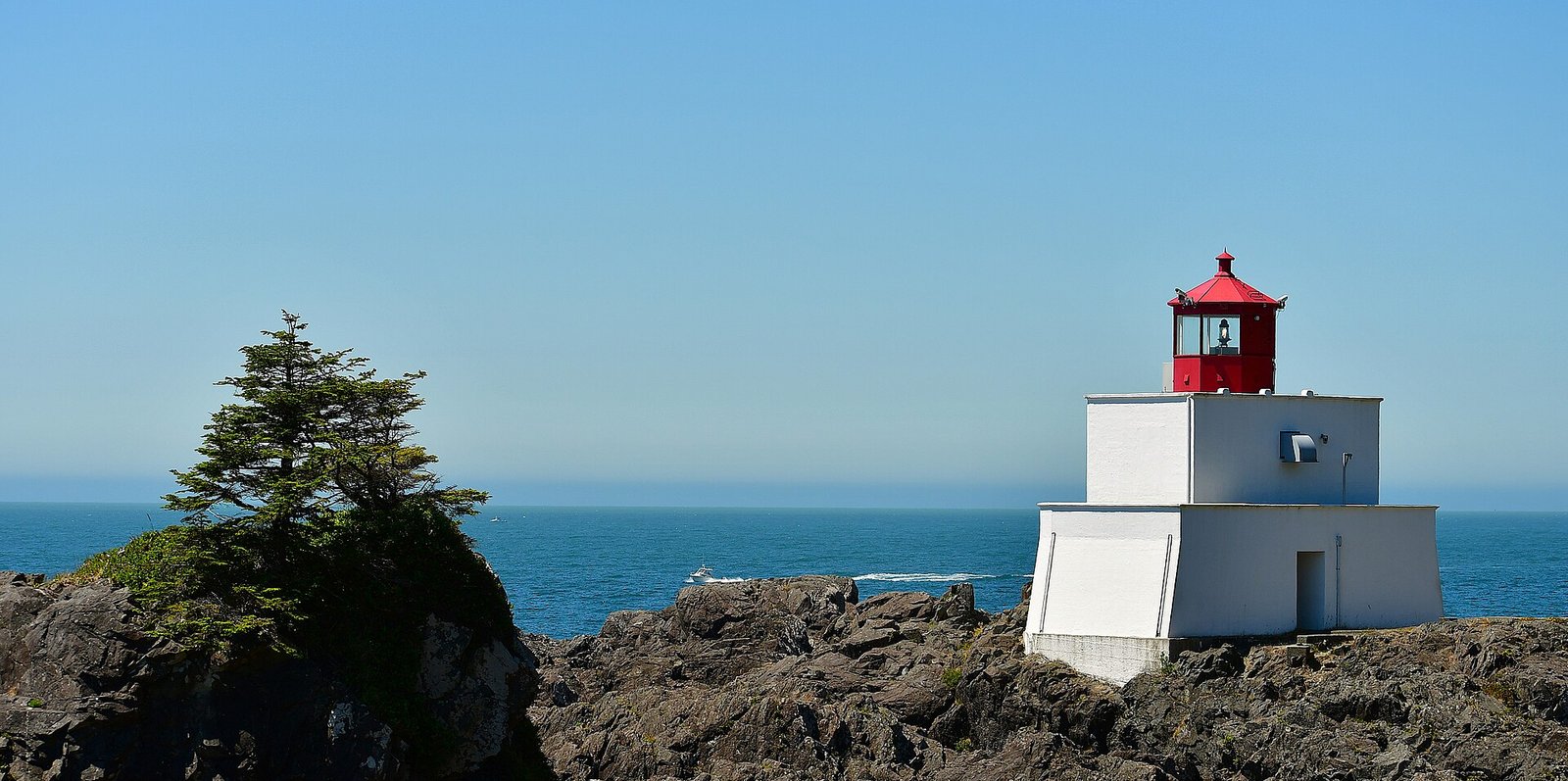
A well-built coastal path delivers headlands, forest, and Amphitrite Point without a technical hike. Allow 1.5–3 hours. Use daylight and stay behind barriers during high wind or swell. No reservation is needed. Trail access is free; donations support maintenance. Never climb onto wet rocks or drift logs below viewpoints. It is best suited to walkers, families, and storm watchers; on a short stay, keep Wild Pacific Trail Lighthouse Loop only when access and geography suit that day.
Pacific Rim National Park Reserve
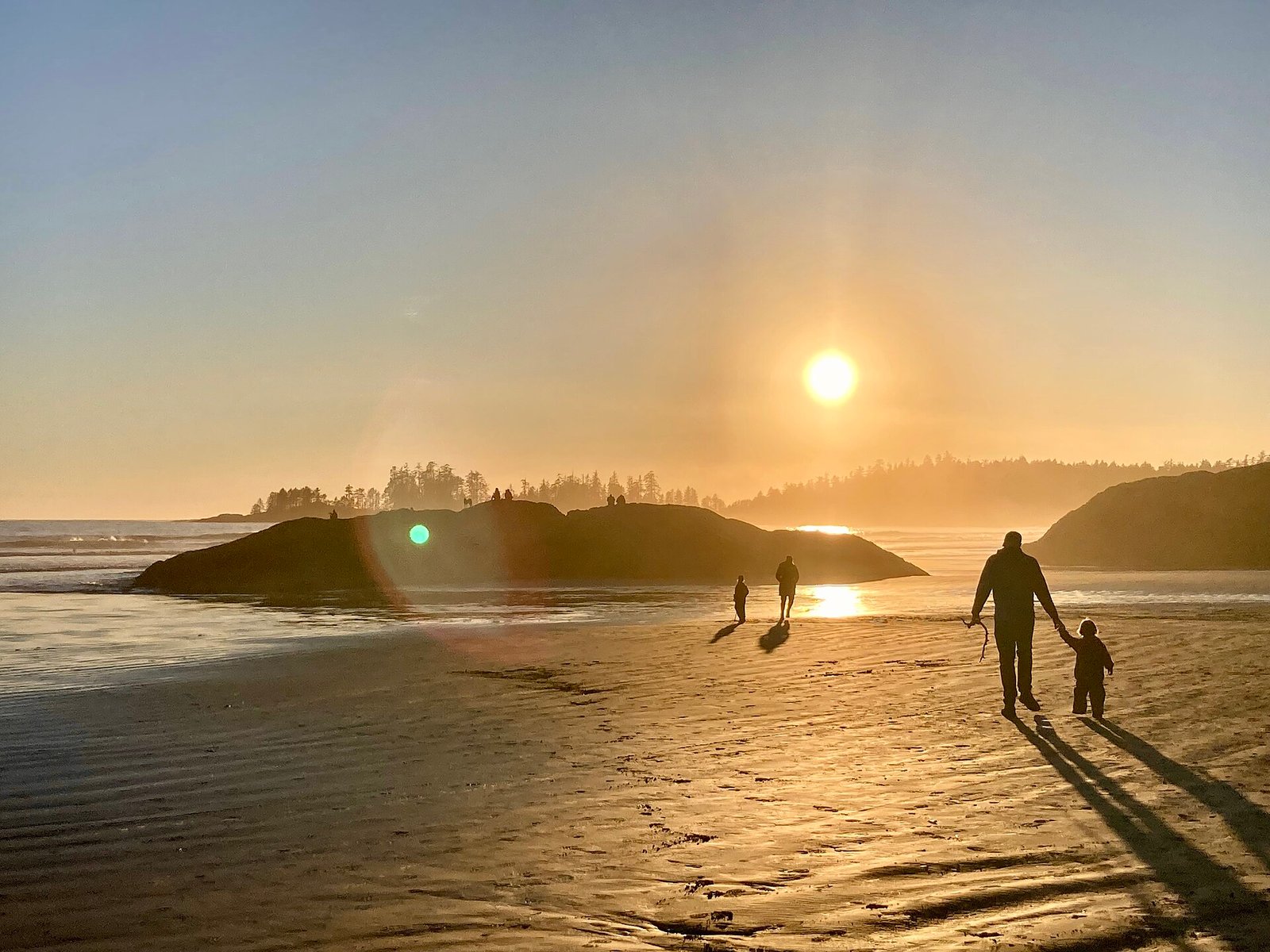
Long Beach and rainforest routes show the scale of the protected west coast. Allow Half to full day. Check park closures, parking, tides, and surf conditions. Some camping and programs need booking. National-park parking or admission rules apply. Respect closures and learn whose traditional territory you are visiting. It is best suited to beach walkers, surfers, and nature travelers; visitors with little time should retain Pacific Rim National Park Reserve only if it stays near another priority.
Barkley Sound wildlife trip
Boat routes may encounter whales, sea lions, birds, and complex island coastlines. Allow 3–5 hours. Choose the calmest forecast and disclose motion sensitivity. Advance booking with a licensed operator is recommended. Tour prices vary by vessel and duration. Select an operator that maintains legal wildlife distance. It is best suited to wildlife travelers and photographers; time-limited visitors should add Barkley Sound wildlife trip only when it fits the same area and current conditions.
Ucluelet Aquarium
A small seasonal aquarium interprets local marine ecosystems through a catch-and-release model. Allow 1–2 hours. Use a rainy period and verify the seasonal opening calendar. Busy days may benefit from advance entry. A paid admission ticket applies. Follow staff guidance and pair it with the harbor rather than a separate drive. It is best suited to families and marine-life learners; On a short Ucluelet visit, Ucluelet Aquarium should not force a cross-destination transfer.
Ancient Cedars or rainforest walk
Short forest routes reveal giant trees, wet understory, and the region’s ecology away from exposed surf. Allow 1–2.5 hours. Choose daylight after checking wind and tree-fall warnings. No reservation is normally needed. Public access is generally free. Stay on boardwalks and protect roots from widening foot traffic. It is best suited to rainy-day walkers and forest travelers; on a short stay, keep Ancient Cedars or rainforest walk only when access and geography suit that day.
A PRACTICAL ROUTE
Suggested itinerary
Village and Lighthouse Loop
Arrive before dark, check DriveBC and weather, walk only the safe loop segment, and eat near the harbor.
Pacific Rim coast
Use the best dry and tide window for Long Beach and a rainforest path without adding a rushed Tofino circuit.
Barkley Sound or aquarium
Take a licensed wildlife trip in calm conditions, or use the aquarium and forest routes when wind cancels boats.
Trail buffer and departure
Complete another Wild Pacific section, then leave Highway 4 margin rather than scheduling a fixed inland connection too tightly.
REALISTIC BUDGET
Estimated travel costs
Ucluelet costs move most with May–September for drier walking; November–March for storm watching, booking timing, taxes, and the exact position of a room in Ucluelet village and harbor. Keep the Ucluelet budget in Canadian dollar (CAD). Rounded dollar equivalents for Ucluelet use August 1, 2026 reference rates; actual card statements will differ.
TRAVEL WELL
Practical travel tips
- Check DriveBC, Parks Canada notices, tides, wind, and marine forecasts before every road or coast day.
- Stay behind barriers in storms; rogue waves and moving logs can reach seemingly safe rocks and beaches.
- Reserve summer rooms, rental cars, ferries, and wildlife tours well ahead.
- Carry rain protection, warm layers, waterproof footwear, food, and offline directions.
- Do not assume taxis or ride-hailing can rescue an isolated highway or trail plan.
- Respect Nuu-chah-nulth cultural guidance, private land, and signed community access.
- Keep food secured and follow bear, wolf, and cougar safety advice from local authorities.
- Solo travelers should avoid isolated beaches after dark and leave a route and return time for forest or coastal walks.
COMMON QUESTIONS
Ucluelet travel FAQ
How many days do you need in Ucluelet?
3–5 days is a practical first-visit range for Ucluelet. If 3–5 days is not available, keep one compact Ucluelet base and Wild Pacific Trail Lighthouse Loop; additional days are most useful as weather and transport buffers.
Is Ucluelet expensive?
In Ucluelet, a realistic daily planning range is CAD 150–250 (about US$107–178) budget; CAD 320–600 (about US$228–428) mid-range, per person. In Ucluelet, the biggest budget jumps usually come from room location, peak dates, private rental car, and guided access to Wild Pacific Trail Lighthouse Loop.
Do you need a car in Ucluelet?
A car is strongly recommended for Pacific Rim beaches and the Highway 4 arrival. The village and Wild Pacific Trail can be enjoyed on foot once settled.
What is the best month to visit Ucluelet?
September often offers a useful mix of lighter crowds and reasonable walking weather, while winter is best only for travelers intentionally seeking storms.
Is Ucluelet safe for solo female travelers?
Ucluelet is generally comfortable for solo women, but remote coasts and forests require route sharing, daylight planning, wildlife awareness, and reliable transport. Use current government guidance and destination notices—not an old booking page—to make the final Ucluelet risk check.
What should you book in advance for Ucluelet?
Reserve summer accommodation, rental cars, ferry or flight connections, campsites, and licensed wildlife tours.
KEEP EXPLORING
Related The Wander Muse guides
PLAN WITH CURRENT INFORMATION
Official resources
For Ucluelet, opening hours, fares, permits, weather rules, and transport arrangements can change. Use these official links to confirm what is operating during May–September for drier walking; November–March for storm watching, rather than relying on an older itinerary.