START HERE
Why visit Vancouver
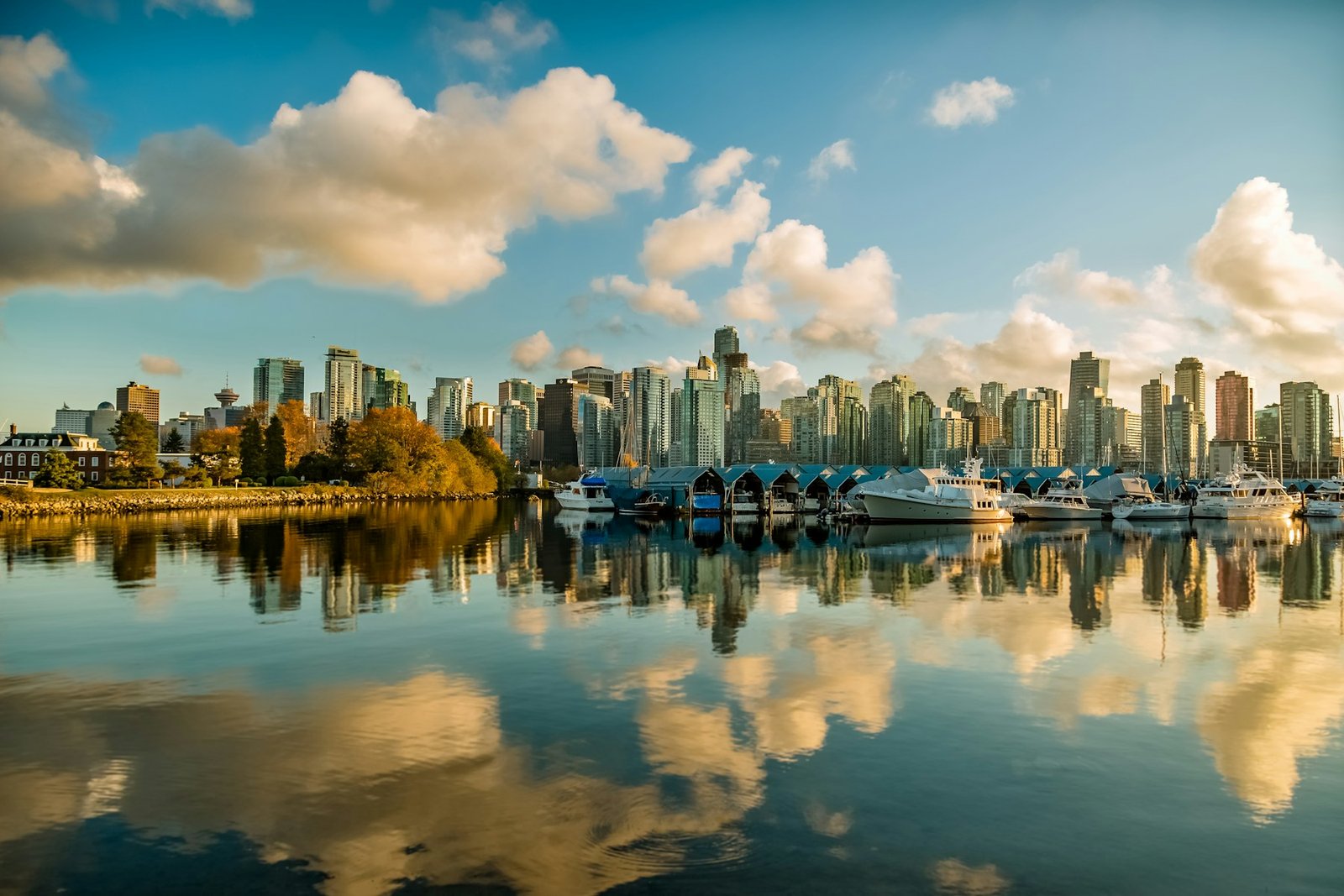
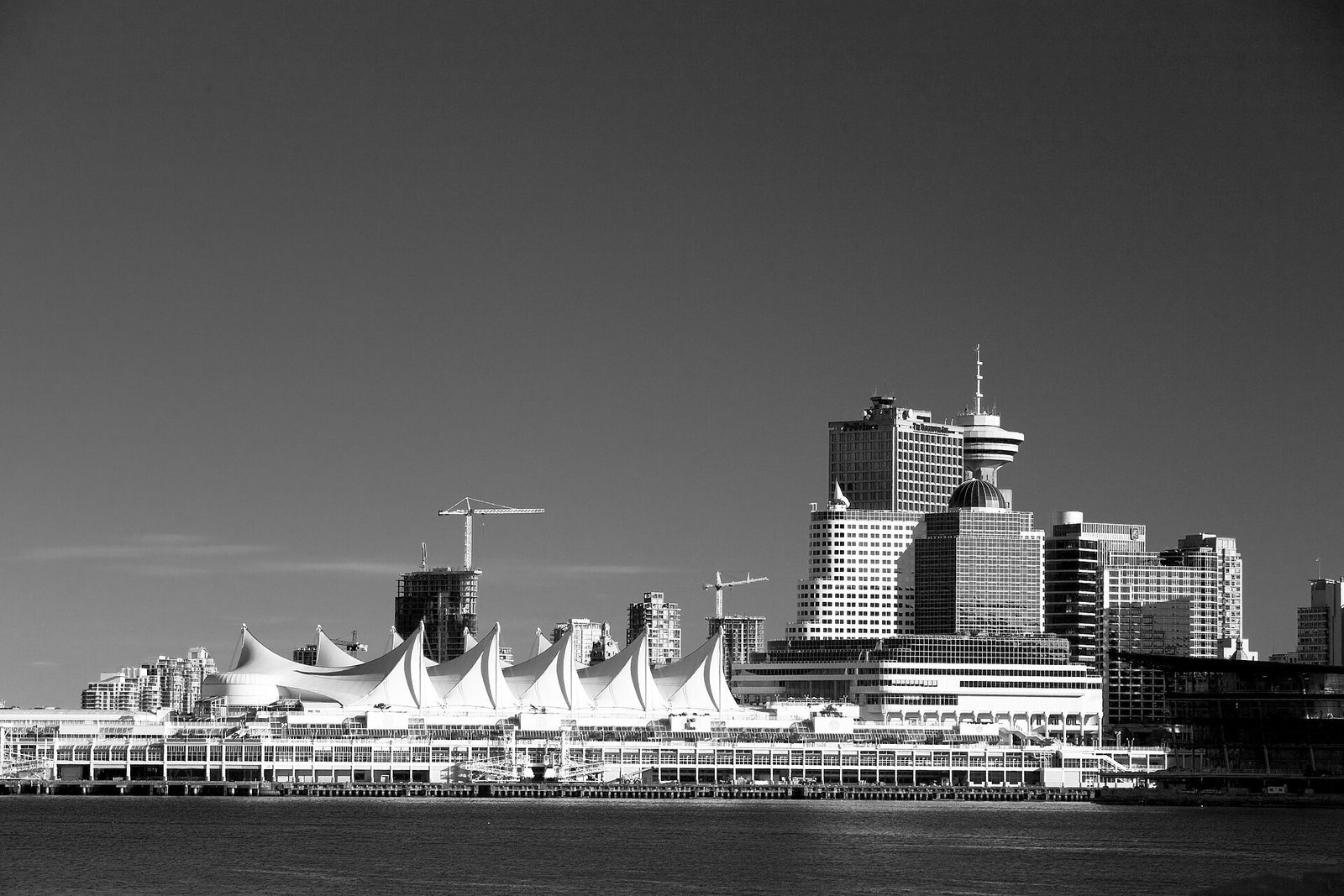
Vancouver combines ocean, mountains, urban forests, Indigenous culture, Asian food traditions, beaches, and transit-accessible neighborhoods within one weather-sensitive coastal city. It suits urban nature, food, couples, families, mountains, cycling, cruises, and solo travel and works best when Stanley Park and seawall and Museum of Anthropology or Indigenous cultural experience stay on separate compact days. A first visit works best when Stanley Park and seawall, Museum of Anthropology or Indigenous cultural experience, and Granville Island are arranged around realistic transport and weather windows. Downtown and Coal Harbour suit first visits, Yaletown offers dining and transit, and Mount Pleasant or Commercial Drive provides neighborhood value and food. Vancouver planning connects Vancouver International Airport (YVR), Pacific Central Station, or Canada Place cruise terminal, skytrain, Downtown or Coal Harbour, and Stanley Park and seawall with the six-row Canadian dollar (CAD) budget and 4–5 days route below. Before booking Vancouver, use the linked authorities to verify opening days, skytrain, and any timed entry for Stanley Park and seawall.
AT A GLANCE
Vancouver quick travel summary
Vancouver prices are planning ranges rather than quotes. For Vancouver, compare the final checkout total—not only the advertised price—and verify every transfer or ticket inclusion.
WHEN TO GO
Best time to visit
Spring (March–May)
Across Vancouver, expect mild days, changeable rain, and lengthening daylight; conditions near Stanley Park and seawall can vary. For Vancouver, crowds and prices are moderate except around school and public holidays. Stanley Park and seawall is the most practical Vancouver focus during this period. The limitation is that visitors in Vancouver should pack a waterproof layer and expect cool mornings. Atmospheric rivers, wildfire smoke, mountain snow, cruise peaks, bridge traffic, and seasonal trail access create different city and alpine conditions. Recheck Vancouver weather and the operating status of Stanley Park and seawall shortly before any weather-sensitive or reservation-dependent day.
Summer (June–August)
Across Vancouver, expect the warmest weather and the longest usable days; conditions near Museum of Anthropology or Indigenous cultural experience can vary. This is the busiest and most expensive period for Vancouver. For Vancouver, this window favors Museum of Anthropology or Indigenous cultural experience. Schedule it only after accounting for the fact that visitors in Vancouver should reserve accommodation and timed attractions early. Atmospheric rivers, wildfire smoke, mountain snow, cruise peaks, bridge traffic, and seasonal trail access create different city and alpine conditions. Recheck Vancouver weather and the operating status of Stanley Park and seawall shortly before any weather-sensitive or reservation-dependent day.
Autumn (September–November)
Across Vancouver, expect cooler air, changing foliage, and shorter daylight; conditions near Granville Island can vary. Expect lighter crowds after early September. This period creates better conditions for Granville Island in Vancouver; the main drawback is that visitors in Vancouver should check reduced hours and weather-sensitive services. Atmospheric rivers, wildfire smoke, mountain snow, cruise peaks, bridge traffic, and seasonal trail access create different city and alpine conditions. Recheck Vancouver weather and the operating status of Stanley Park and seawall shortly before any weather-sensitive or reservation-dependent day.
Winter (December–February)
Across Vancouver, expect cold conditions with the possibility of rain, snow, or storms; conditions near North Shore mountain day can vary. Expect quiet periods interrupted by holiday peaks. North Shore mountain day is the most practical Vancouver focus during this period. The limitation is that in Vancouver, transport disruption and limited daylight require buffers. Atmospheric rivers, wildfire smoke, mountain snow, cruise peaks, bridge traffic, and seasonal trail access create different city and alpine conditions. Recheck Vancouver weather and the operating status of Stanley Park and seawall shortly before any weather-sensitive or reservation-dependent day.
ARRIVING
How to get there
YVR connects to Downtown and Richmond by Canada Line, plus taxis, rideshare, buses, and rental cars. The train is usually quickest and cheapest for station-adjacent hotels, while a taxi is easier for families or heavy luggage. Pacific Central serves intercity rail and coaches, and cruise passengers use Canada Place in Downtown. Buy transit through official TransLink channels and understand the airport add-fare and stored-value rules. A rental car is unnecessary in the city and creates expensive parking; collect one only for a regional road trip.
MOVING AROUND
Getting around
SkyTrain, buses, and SeaBus connect Downtown, North Shore gateways, Richmond, and many neighborhoods. Walking and cycling work well around the seawall and compact districts, but bicycles need lights, locks, helmets under applicable rules, and confidence in traffic. Small passenger ferries serve False Creek under separate fares. Taxis and rideshare fill late gaps. North Shore mountain attractions require bus, shuttle, or car and should not be stacked across different bridges. Keep one rain or smoke-adjusted indoor day. For a 4–5 days visit, group Stanley Park and seawall with Museum of Anthropology or Indigenous cultural experience, then protect Granville Island for the strongest weather or access window. Stanley Park and seawall and Museum of Anthropology or Indigenous cultural experience belong on separate compact Vancouver stages; that leaves room for a delayed skytrain connection. Accessible Vancouver planning needs four checks: skytrain boarding, surfaces, restrooms, and the final approach to Stanley Park and seawall.
CHOOSE A BASE
Where to stay
Downtown or Coal Harbour — best for first-time visitors
Waterfront, Stanley Park, cruise terminal, SkyTrain, restaurants, and walkability maximize convenience. Hotels, parking, and food are expensive, and block atmosphere varies.
Yaletown — best for dining and transit
Canada Line, seawall, restaurants, and compact streets suit couples and short stays. Nightlife noise and premium apartments affect value.
Mount Pleasant or Commercial Drive — best for food and neighborhood value
Independent restaurants, breweries, transit, and local streets support longer stays. Stanley Park and North Shore trips require connections.
PLAN YOUR DAYS
Best things to do
Stanley Park and seawall
Forest, beaches, viewpoints, and cultural sites form a major urban landscape rather than a quick loop. Allow 4–7 hours. Use clear daylight and check seawall closures. No park reservation is usual; attractions and rentals may. Park access is free; bicycles and facilities vary. Follow one-way cycling sections and respect culturally significant sites. It is best suited to families, cyclists, and first-time visitors; visitors with little time should retain Stanley Park and seawall only if it stays near another priority.
Museum of Anthropology or Indigenous cultural experience
Collections and Indigenous-led interpretation can provide necessary context for the lands and cultures of the region. Allow 2–4 hours. Check current reopening, exhibition, and program schedules. Official advance tickets may help. Paid admission and guided programs vary. Prioritize Indigenous voices and follow photography restrictions. It is best suited to culture, art, and history travelers; on a short stay, keep Museum of Anthropology or Indigenous cultural experience only when access and geography suit that day.
Granville Island
Public market, studios, food, and False Creek access create a compact daytime district. Allow 3–5 hours. Arrive before lunch crowds by transit, bicycle, or passenger ferry. No district reservation is needed; workshops and dining may. Public access is free; ferry, food, and activities vary. Do not drive in circles searching for limited parking. It is best suited to food, family, and craft travelers; On a short Vancouver visit, Granville Island should not force a cross-destination transfer.
North Shore mountain day
Grouse, Capilano-area attractions, or public trails can add forest and elevation close to the city. Allow 5–8 hours. Choose one destination by snow, rain, smoke, and fitness. Commercial attractions and shuttles may require booking. Transit, lift, admission, and equipment costs vary. Do not confuse a city forecast with mountain conditions. It is best suited to active, family, and scenery travelers; time-limited visitors should add North Shore mountain day only when it fits the same area and current conditions.
Richmond food and Steveston
Asian dining, markets, waterfront history, and fishing-community context form a strong Canada Line and bus day. Allow 5–7 hours. Use daytime business hours and reserve a priority meal. Restaurants or special tours may require booking. Neighborhood walking is free; food and museums vary. Travel with an appetite but avoid ordering beyond the group’s needs. It is best suited to food and repeat visitors; visitors with little time should retain Richmond food and Steveston only if it stays near another priority.
A PRACTICAL ROUTE
Suggested itinerary
Downtown waterfront
Arrive by Canada Line, walk Coal Harbour and a short central circuit, and rest after travel.
Stanley Park
Use walking, transit, or a safe bicycle plan for the park, then keep the evening in the West End.
Granville and culture
Visit Granville Island before lunch and one museum or neighborhood afterward without crossing the harbor.
North Shore
Choose one mountain or forest destination under current conditions and return before bridge peak.
Richmond or neighborhoods
Use Canada Line and buses for food and Steveston, or retain a rain and smoke buffer.
REALISTIC BUDGET
Estimated travel costs
Vancouver costs move most with May–September, booking timing, taxes, and the exact position of a room in Downtown or Coal Harbour. Treat Vancouver’s dollar figures as orientation. They convert Canadian dollar (CAD) at August 1, 2026 reference rates for Vancouver, before later market movement or payment fees.
TRAVEL WELL
Practical travel tips
- Check Environment Canada, wildfire smoke, TransLink, and mountain notices before exposed days.
- Use transit in the city and avoid paying Downtown parking unless a regional car is essential.
- Add sales tax and restaurant tips to displayed prices when planning.
- Lock bicycles securely and remove lights or accessories when parked.
- Respect Indigenous lands, names, cultural sites, and photography guidance.
- Pack a waterproof layer and retain one museum or food day for heavy rain or smoke.
- Reserve summer rooms, cruise-night stays, mountain attractions, and priority restaurants early.
- Solo women generally travel comfortably; use active late routes and standard precautions around quiet stations and parks.
COMMON QUESTIONS
Vancouver travel FAQ
How many days do you need in Vancouver?
4–5 days is a practical first-visit range for Vancouver. If 4–5 days is not available, keep one compact Vancouver base and Stanley Park and seawall; additional days are most useful as weather and transport buffers.
Is Vancouver expensive?
In Vancouver, a realistic daily planning range is C$125–200 (about US$89–143) budget; C$300–540 (about US$214–385) mid-range, per person. Costs rise fastest when a Vancouver trip combines the most convenient base with peak-season rooms and privately arranged outings.
Do you need a car in Vancouver?
No. SkyTrain, buses, SeaBus, walking, cycling, ferries, and rides cover the city. Rent only for a regional road trip.
What is the best month to visit Vancouver?
June and September often offer useful daylight with less peak pressure than July and August, though rain and smoke remain possible.
Is Vancouver safe for solo female travelers?
Vancouver is generally comfortable for solo women. Use normal urban precautions, active late routes, and conservative mountain decisions. Recheck official travel advice for Vancouver, then compare it with the latest conditions affecting Stanley Park and seawall.
What should you book in advance for Vancouver?
Reserve summer rooms, cruise-night stays, museum slots, North Shore attractions, bicycles, and priority restaurants.
KEEP EXPLORING
Related The Wander Muse guides
PLAN WITH CURRENT INFORMATION
Official resources
For Vancouver, opening hours, fares, permits, weather rules, and transport arrangements can change. Recheck current Vancouver operating information below, especially before reserving Museum of Anthropology or Indigenous cultural experience.