START HERE
Why visit Muskoka
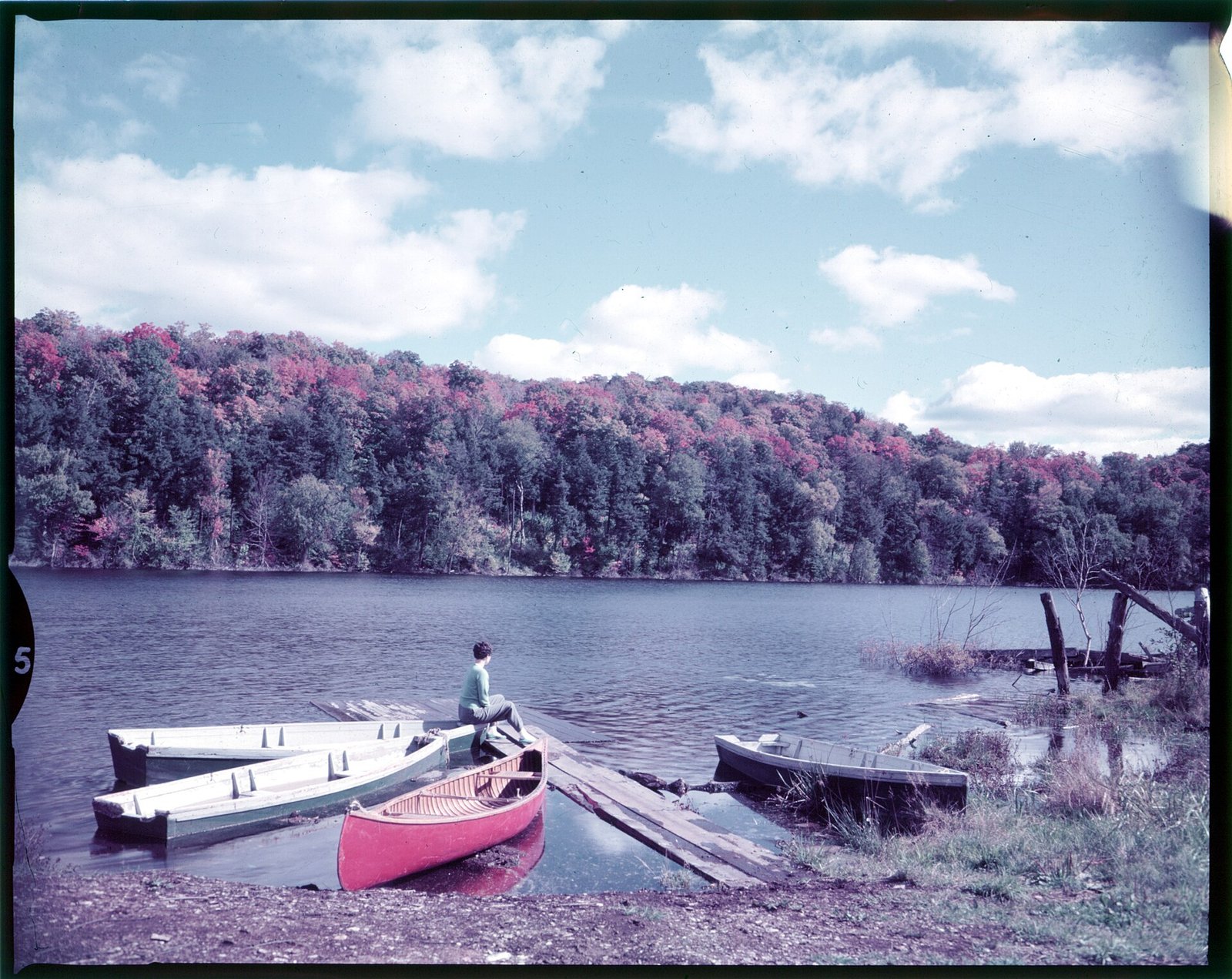
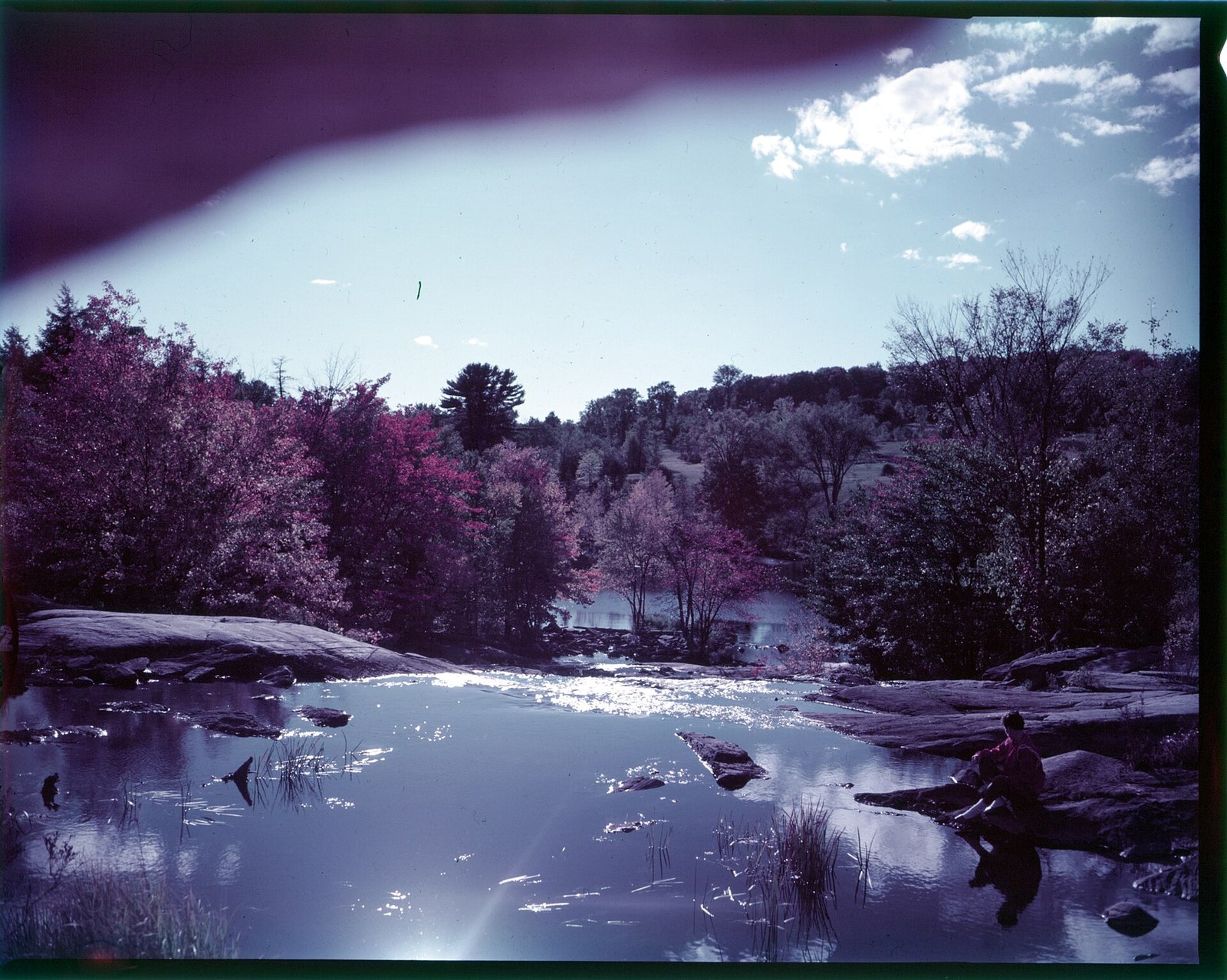
Muskoka is an interconnected Ontario cottage region of granite shorelines, forest, small towns, lakes, paddling, and seasonal road trips rather than a single resort destination. It suits lakes, cottages, paddling, families, couples, road trips, and autumn scenery and works best when Lake Muskoka cruise and Hardy Lake Provincial Park stay on separate compact days. A first visit works best when Lake Muskoka cruise, Hardy Lake Provincial Park, and Bracebridge waterfalls are arranged around realistic transport and weather windows. Gravenhurst is best for cruises and first-time access, Bracebridge provides central services and waterfalls, and Huntsville suits the northern lakes and Arrowhead. Muskoka planning connects Toronto Pearson International Airport (YYZ), then roughly 2–3 hours by road, rental car, Gravenhurst, and Lake Muskoka cruise with the six-row Canadian dollar (CAD) budget and 4–6 days route below. Before booking Muskoka, use the linked authorities to verify opening days, rental car, and any timed entry for Lake Muskoka cruise.
AT A GLANCE
Muskoka quick travel summary
Muskoka prices are planning ranges rather than quotes. Check the cancellation rule and full inclusions before booking Hardy Lake Provincial Park; small surcharges can materially change the total.
WHEN TO GO
Best time to visit
Spring (March–May)
Across Muskoka, expect mild days, changeable rain, and lengthening daylight; conditions near Lake Muskoka cruise can vary. For Muskoka, crowds and prices are moderate except around school and public holidays. Lake Muskoka cruise is the most practical Muskoka focus during this period. The limitation is that visitors in Muskoka should pack a waterproof layer and expect cool mornings. Blackflies, mosquitoes, wildfire smoke, lake conditions, winter snow, and fall-weekend traffic affect the experience by season. Recheck Muskoka weather and the operating status of Lake Muskoka cruise shortly before any weather-sensitive or reservation-dependent day.
Summer (June–August)
Across Muskoka, expect the warmest weather and the longest usable days; conditions near Hardy Lake Provincial Park can vary. This is the busiest and most expensive period for Muskoka. For Muskoka, this window favors Hardy Lake Provincial Park. Schedule it only after accounting for the fact that visitors in Muskoka should reserve accommodation and timed attractions early. Blackflies, mosquitoes, wildfire smoke, lake conditions, winter snow, and fall-weekend traffic affect the experience by season. Recheck Muskoka weather and the operating status of Lake Muskoka cruise shortly before any weather-sensitive or reservation-dependent day.
Autumn (September–November)
Across Muskoka, expect cooler air, changing foliage, and shorter daylight; conditions near Bracebridge waterfalls can vary. Expect lighter crowds after early September. For Muskoka, this window favors Bracebridge waterfalls. Schedule it only after accounting for the fact that visitors in Muskoka should check reduced hours and weather-sensitive services. Blackflies, mosquitoes, wildfire smoke, lake conditions, winter snow, and fall-weekend traffic affect the experience by season. Recheck Muskoka weather and the operating status of Lake Muskoka cruise shortly before any weather-sensitive or reservation-dependent day.
Winter (December–February)
Across Muskoka, expect cold conditions with the possibility of rain, snow, or storms; conditions near Arrowhead Provincial Park can vary. Expect quiet periods interrupted by holiday peaks. This period creates better conditions for Arrowhead Provincial Park in Muskoka; the main drawback is that in Muskoka, transport disruption and limited daylight require buffers. Blackflies, mosquitoes, wildfire smoke, lake conditions, winter snow, and fall-weekend traffic affect the experience by season. Recheck Muskoka weather and the operating status of Lake Muskoka cruise shortly before any weather-sensitive or reservation-dependent day.
ARRIVING
How to get there
Most international visitors reach Muskoka by rental car from Toronto. Seasonal coach or bus services may stop in major towns, but a car remains useful for cottage roads, parks, and dispersed trailheads. Highway 11 carries heavy Friday and Sunday traffic in summer and fall-color peaks. Confirm whether a rental property uses a paved year-round road, includes parking, and provides safe water access. Fuel and buy groceries before a remote stay, and do not schedule a tight Pearson departure after a Sunday return.
MOVING AROUND
Getting around
Towns are individually walkable, while the region between them is designed around roads and lakes rather than frequent public transit. A rental car is the practical default; designate a sober driver after brewery or dockside evenings. Cruises and water taxis follow seasonal routes and cannot replace ordinary road transport. Paddlers need fitted flotation devices, a weather check, and a conservative route. Winter drivers require appropriate tires and current provincial road information. Cottage driveways and docks may be steep or inaccessible, so confirm mobility details before booking. For a 4–6 days visit, group Lake Muskoka cruise with Hardy Lake Provincial Park, then protect Bracebridge waterfalls for the strongest weather or access window. Lake Muskoka cruise and Hardy Lake Provincial Park belong on separate compact Muskoka stages; that leaves room for a delayed rental car connection. Accessible Muskoka planning needs four checks: rental car boarding, surfaces, restrooms, and the final approach to Lake Muskoka cruise.
CHOOSE A BASE
Where to stay
Gravenhurst — best for first-time lake cruises
The Muskoka Wharf, steamship departures, restaurants, and southern access make this an easy gateway. Summer events and waterfront rooms command premium prices.
Bracebridge — best for central services and value
Groceries, waterfalls, restaurants, and a central road position suit families and self-catering stays. It feels more like a practical town than a lakeside resort.
Huntsville — best for northern lakes and parks
A walkable center, nearby lakes, and access toward Arrowhead support outdoor itineraries. The drive from Toronto is longer and fall weekends are congested.
PLAN YOUR DAYS
Best things to do
Lake Muskoka cruise
A historic or modern cruise reveals islands, boathouses, and shoreline scale that roads cannot show. Allow 2–4 hours. Choose a clear day and verify seasonal departures. Advance booking is recommended in summer and fall. Paid cruise fares vary by route. Bring a wind layer and arrive early for parking. It is best suited to first-time visitors and families; On a short Muskoka visit, Lake Muskoka cruise should not force a cross-destination transfer.
Hardy Lake Provincial Park
Forest and rocky shoreline trails provide a strong day hike between towns. Allow 2–5 hours. Use daylight and check insects, smoke, and wet rock. No ordinary reservation is usually needed. Parking or provincial rules may apply. Carry water and stay off fragile shoreline vegetation. It is best suited to hikers and fall-color travelers; time-limited visitors should add Hardy Lake Provincial Park only when it fits the same area and current conditions.
Bracebridge waterfalls
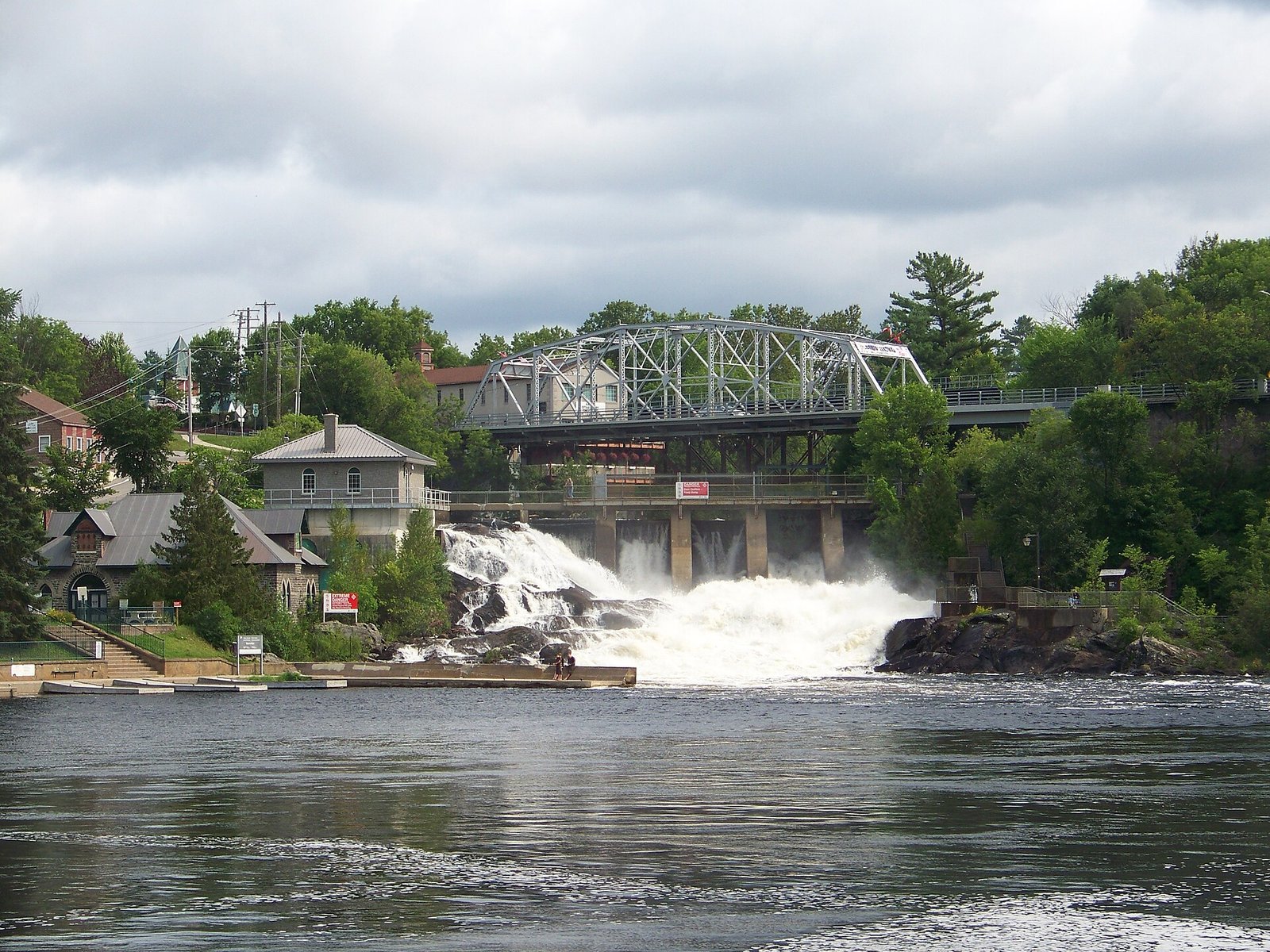
Several falls and river viewpoints bring nature directly into the town circuit. Allow 1–3 hours. Visit after checking flow and safe viewpoints. No reservation is needed for public areas. Most public viewpoints are free. Never cross barriers or climb wet rock. It is best suited to families and shorter itineraries; visitors with little time should retain Bracebridge waterfalls only if it stays near another priority.
Arrowhead Provincial Park
Trails, paddling, beaches, fall color, and winter activities make this a year-round northern anchor. Allow Half to full day. Check capacity, fire, snow, and activity conditions. Day-use reservations may be required at busy periods. Provincial park fees apply. Carry insect protection and follow bear-aware food rules. It is best suited to families and active travelers; on a short stay, keep Arrowhead Provincial Park only when access and geography suit that day.
Paddling or cottage lake day
A carefully chosen calm-water route delivers the slow rhythm that defines Muskoka. Allow 3–6 hours. Start in calm morning conditions and monitor wind or storms. Reserve equipment or a guide in peak summer. Rentals and launches vary. Wear a fitted PFD and avoid unfamiliar open water alone. It is best suited to paddlers, families, and slow travelers; On a short Muskoka visit, Paddling or cottage lake day should not force a cross-destination transfer.
A PRACTICAL ROUTE
Suggested itinerary
Gravenhurst gateway
Arrive before weekend traffic peaks, buy supplies, and walk the wharf without scheduling a tight cruise.
Lake cruise
Use the clearest forecast for a reserved cruise, then remain near Gravenhurst for food and shoreline time.
Bracebridge and Hardy Lake
Visit town waterfalls, complete a condition-appropriate trail, and avoid repeated north–south driving.
Huntsville and Arrowhead
Move north for the park and town, checking capacity and activity status before departure.
Paddle or weather buffer
Use calm water for a rental or guided paddle, or retain a flexible cottage and food day before the Toronto return.
REALISTIC BUDGET
Estimated travel costs
Muskoka costs move most with June–September for lakes; late September–October for fall color, booking timing, taxes, and the exact position of a room in Gravenhurst. Keep the Muskoka budget in Canadian dollar (CAD). Rounded dollar equivalents for Muskoka use August 1, 2026 reference rates; actual card statements will differ.
TRAVEL WELL
Practical travel tips
- Reserve summer and fall-color rooms, cottages, cruises, and park access well ahead.
- Check smoke, fire restrictions, storms, lake wind, and provincial road conditions daily.
- Wear a fitted PFD for every paddle and never rely on warm air as proof that water is safe.
- Carry blackfly and mosquito protection, especially in late spring and early summer.
- Confirm cottage road, dock, water, heating, cleaning, and accessibility details before paying.
- Avoid Sunday-afternoon highway timing when a same-day Toronto flight matters.
- Secure food and follow bear-aware campsite and cottage practices.
- Solo travelers should avoid isolated water routes without a float plan and confirmed return time.
COMMON QUESTIONS
Muskoka travel FAQ
How many days do you need in Muskoka?
4–6 days is a practical first-visit range for Muskoka. If 4–6 days is not available, keep one compact Muskoka base and Lake Muskoka cruise; additional days are most useful as weather and transport buffers.
Is Muskoka expensive?
In Muskoka, a realistic daily planning range is CAD 160–270 (about US$114–192) budget; CAD 360–700 (about US$257–499) mid-range, per person. Room choice and reserved transport matter more to the Muskoka total than small savings on meals or local fares.
Do you need a car in Muskoka?
A car is strongly recommended because towns, parks, cottages, and trailheads are widely dispersed. Seasonal coaches help only selected routes.
What is the best month to visit Muskoka?
September often combines warm-enough outdoor days with early color and less peak-summer pressure, though weather changes quickly.
Is Muskoka safe for solo female travelers?
Muskoka is generally comfortable for solo women, but remote roads and water require a float plan, daylight arrival, and shared itinerary. A final review of official advice, local conditions, and the route from Toronto Pearson International Airport (YYZ), then roughly 2–3 hours by road belongs in the departure checklist.
What should you book in advance for Muskoka?
Reserve cottages, summer weekends, fall-color rooms, cruises, park access, and paddling equipment.
KEEP EXPLORING
Related The Wander Muse guides
PLAN WITH CURRENT INFORMATION
Official resources
For Muskoka, opening hours, fares, permits, weather rules, and transport arrangements can change. The official sources below are the final reference for Muskoka schedules, restrictions, and visitor rules.