START HERE
Why visit Seattle
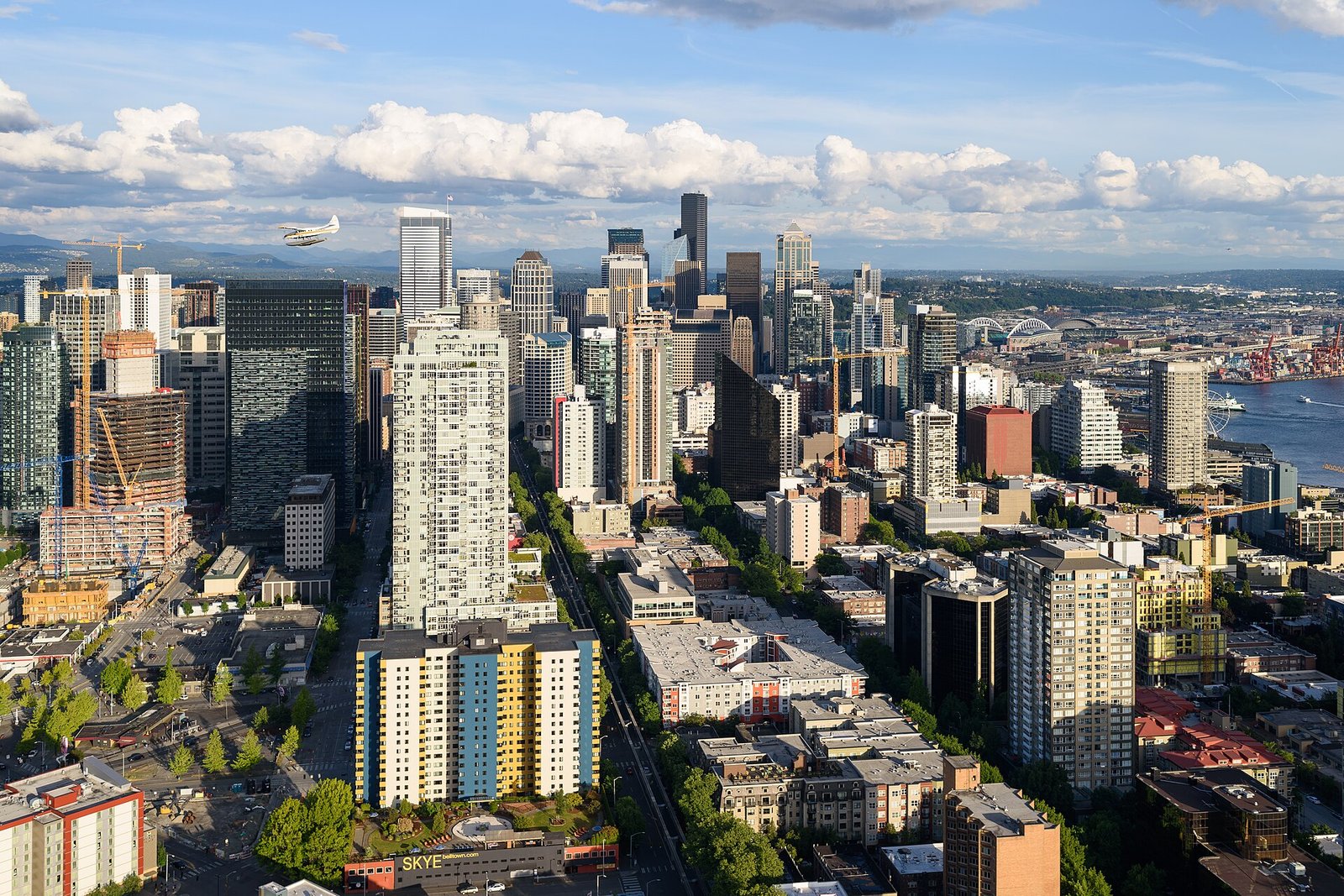
Seattle pairs a dense market-and-museum core with water, mountain views, ferries, and neighborhoods that each feel like a separate small town. It works particularly well for food lovers, urban hikers, design and music fans, solo travelers, and visitors using the city as a gateway to the Pacific Northwest. Three days cover Pike Place Market, Seattle Center, and one neighborhood; four to six allow a ferry ride, deeper museums, or a carefully planned national-park extension. This guide explains the seasonal trade-offs, Sea-Tac transfer, transit system, accommodation areas, reservation priorities, costs, and a route designed around hills and geography. The essential planning fact is that “rainy” does not mean constant heavy rain: light showers and low cloud are common outside summer, so flexible layers and a clear-day priority list matter more than waiting for a perfect forecast.
AT A GLANCE
Seattle quick travel summary
Seattle budgets below are planning ranges, not quotes. For Seattle, exchange rates, taxes, seasonal demand, event dates, and operator terms can change the final amount, so confirm current details before booking.
WHEN TO GO
Best time to visit
Spring (March–May)
Spring mixes cool showers, flowering parks, and increasingly long daylight. Crowds and hotel prices are lower than in peak summer, although event weekends vary. May often offers a useful balance for city walks and ferries. Carry a waterproof shell rather than relying on an umbrella in wind, and keep mountain-view activities flexible because cloud can obscure the skyline.
Summer (June–August)
Summer usually has the driest weather, longest days, and best access to regional trails, producing high demand and expensive lodging. Pike Place Market, ferries, and waterfront attractions become crowded by midday. Reserve central hotels and major excursions early, visit the market in the morning, and expect wildfire smoke to be a possible regional disruption late in the season.
Fall (September–November)
September can retain summer conditions with fewer family crowds, while October and November become wetter, darker, and cooler. Prices may soften outside events. Early fall is excellent for neighborhoods and ferries; later fall favors museums, coffee, and food-focused plans. Check trail and mountain road conditions before any day trip, and do not assume city weather reflects conditions at elevation.
Winter (December–February)
Winter is cool, wet, and dark rather than consistently snowy in the city, with snow and ice still capable of disrupting steep streets and transit. Lower demand can improve hotel value. Museums, markets, music venues, and restaurants form a strong itinerary, but short daylight limits scenic excursions. Carry waterproof shoes and reflective clothing for evening walks.
ARRIVING
How to get there
Seattle-Tacoma International Airport connects to downtown on Link light rail. The official journey to central stations is commonly around 40 minutes, with additional time for the walk from the terminal and final hotel transfer. It is usually the easiest and most predictable option for light luggage. Taxis and verified ride services are more convenient for groups, mobility needs, or accommodation far from rail, but road congestion can be significant. Amtrak trains arrive at King Street Station beside the International District, while intercity buses use several locations. Cruise passengers must confirm the exact terminal because Seattle’s cruise facilities are not in one place. Buy rail or bus tickets through official systems and allow buffer time when a stadium event affects the downtown corridor.
MOVING AROUND
Getting around
Link light rail connects the airport, downtown, Capitol Hill, the University District, and points north and south. King County Metro buses reach neighborhoods not on rail; real-time information is important because traffic affects surface routes. The monorail is a convenient short link between downtown and Seattle Center, not a citywide network. Walking is practical within the center, but hills between the waterfront and higher avenues are steep. Washington State Ferries are transport as well as an experience, with schedules and vehicle queues that vary. A rental car is unnecessary for the city and parking is costly, but it may be useful for regional trips after leaving the central hotel. Bike and scooter use suits confident riders on appropriate routes; wet rails and hills require caution.
CHOOSE A BASE
Where to stay
Downtown or Pike Place — best for first-time visitors
This base puts the market, waterfront, museums, and multiple transit lines within easy reach. It minimizes travel for a short stay and works well without a car. Rooms and parking are expensive, tourist streets become quiet unevenly at night, and hills can be tiring. Check the exact entrance and late-night route before booking.
Belltown or Seattle Center — best for attractions and nightlife
Belltown offers restaurants and nightlife between Pike Place and Seattle Center; the Uptown side is convenient for the Space Needle, Chihuly, and Climate Pledge Arena. It suits couples and event visitors. Noise, weekend activity, and block-by-block atmosphere are the main trade-offs.
Capitol Hill or Ballard — best for neighborhood character
Capitol Hill has light rail, cafés, nightlife, and LGBTQ+ culture with easy central access. Ballard offers breweries, the locks, and a more relaxed northwest-city feel but relies more on buses. Both suit repeat visitors and longer stays. Choose Capitol Hill for transport convenience and Ballard for quieter evenings.
PLAN YOUR DAYS
Best things to do
Pike Place Market
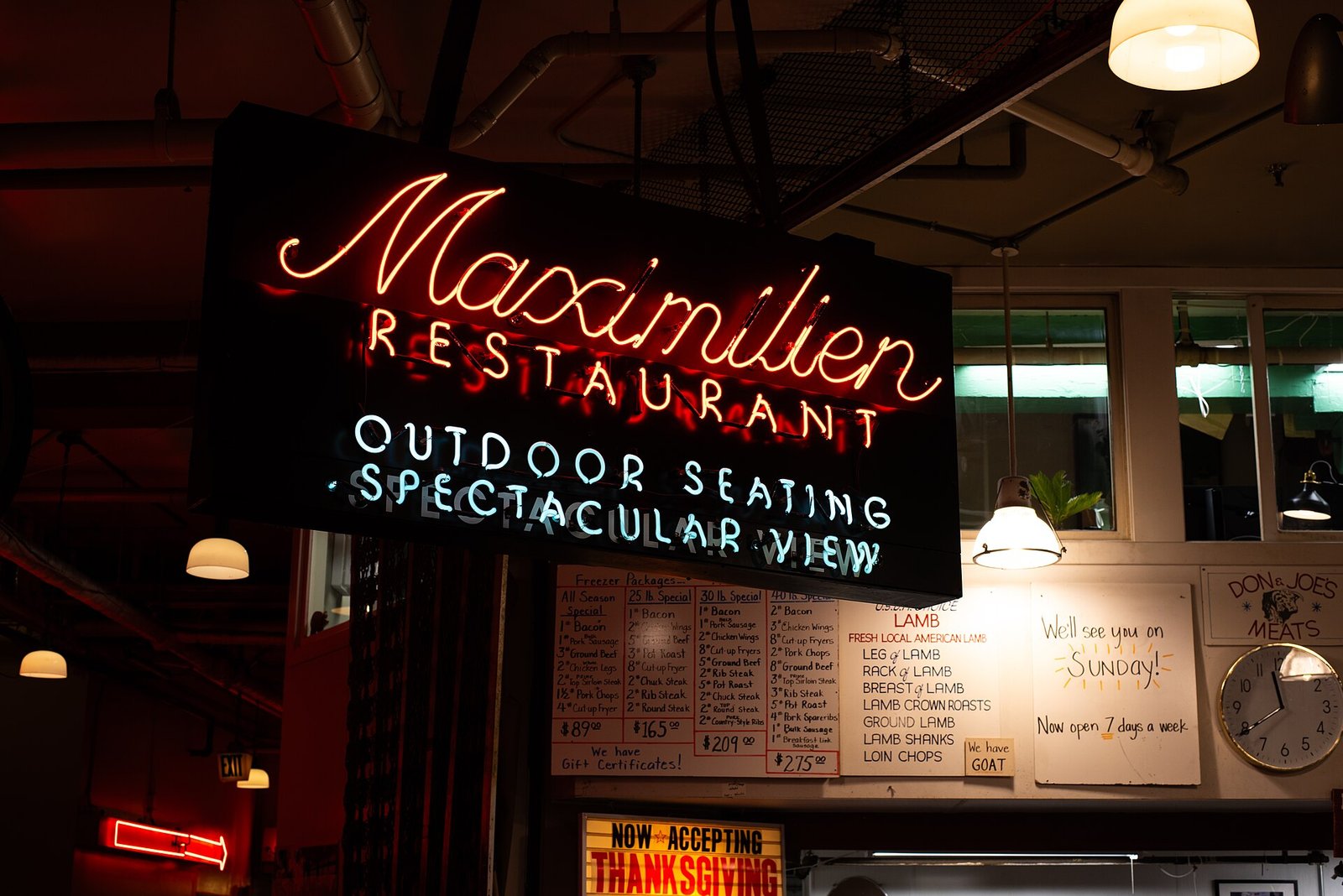
The market is a working food and retail community, not just the famous fish counter. Allow two to three hours for lower levels, craft stalls, produce, and a meal. Arrive near opening on a weekday for easier movement, and follow market etiquette by not blocking narrow aisles. Entry is free; tours and food purchases cost extra. It suits nearly every visitor, with elevators available between some levels.
Seattle Center
The Space Needle, Chihuly Garden and Glass, Museum of Pop Culture, and public spaces share one campus. Choose one or two paid attractions rather than rushing all of them. Allow three to five hours and reserve timed entry for observation or exhibitions in peak season. Late afternoon can combine interior visits with evening skyline light, but visibility depends on cloud and smoke.
Seattle waterfront and Pioneer Square
The redeveloped waterfront, ferry views, historic Pioneer Square, and nearby museums make a coherent half day. Check current construction and pedestrian routes, then join a qualified history tour if underground spaces interest you. Daylight is best for architecture and navigation. Pioneer Square’s street conditions vary by block, so remain aware without treating the neighborhood or its residents as an attraction.
Washington State ferry trip
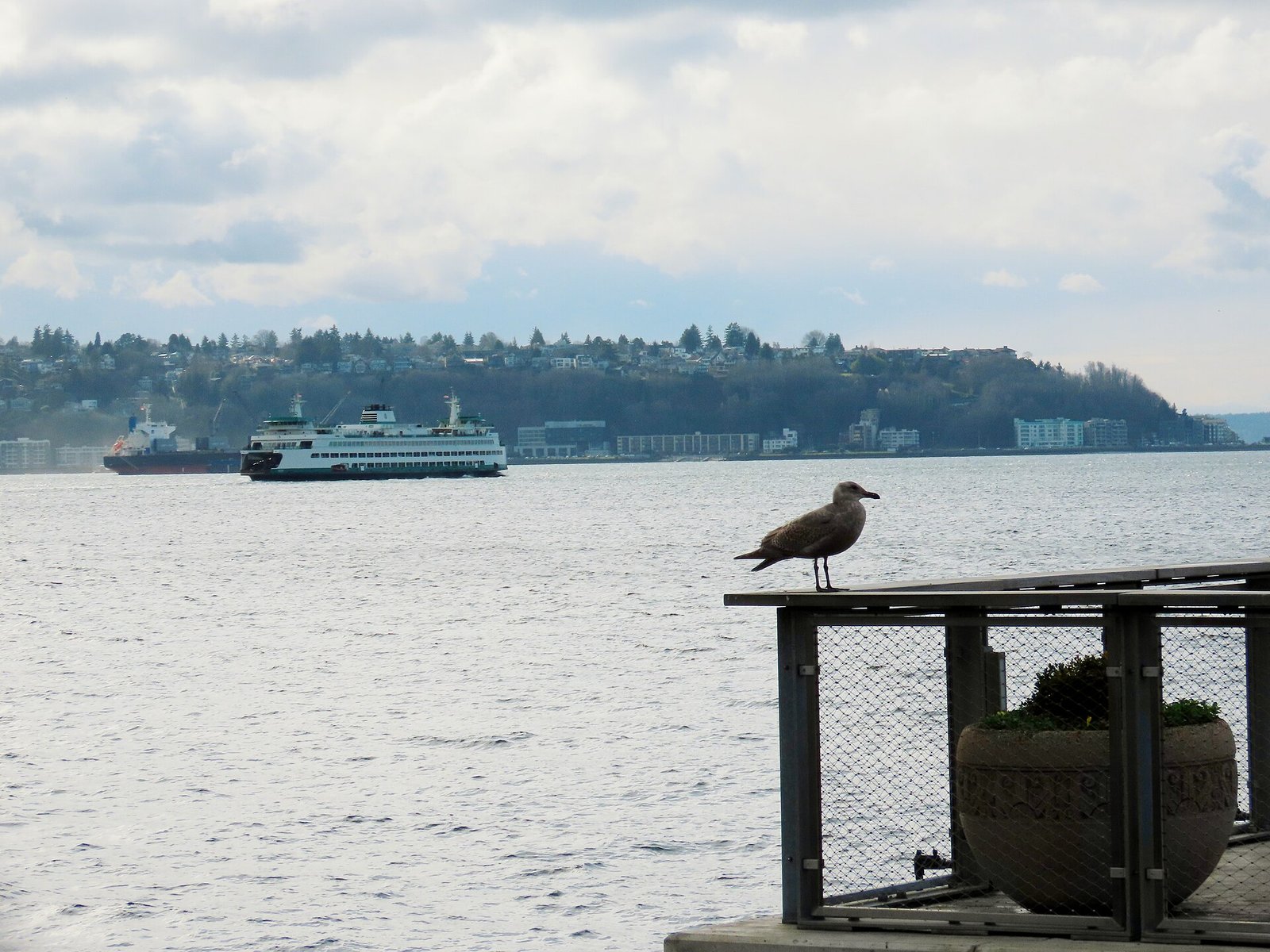
A walk-on ferry journey offers water and skyline views without the logistics of a full excursion. Bainbridge Island is a common option, but schedule frequency, weather, and return time must be verified. Allow half a day for the crossing and a short island walk. Arrive early in summer; walk-on passengers avoid vehicle queues. Bring a windproof layer even on a warm day.
Neighborhood and regional nature time
Discovery Park, Ballard Locks, Green Lake, or the Washington Park Arboretum add accessible green space within the city. A national-park day requires much more planning: distances, ferries, mountain roads, snow, permits, and daylight can make a casual “day trip” unrealistic. Choose one city park for a half day, or dedicate a separate overnight plan to larger landscapes.
A PRACTICAL ROUTE
Suggested itinerary
Market and waterfront
Visit Pike Place Market near opening, continue downhill to the waterfront, and explore Pioneer Square in daylight. Finish with dinner downtown or in the International District.
Seattle Center and Capitol Hill
Reserve one major Seattle Center attraction for the morning or early afternoon, then use the monorail and light rail to reach Capitol Hill for cafés, parks, and an evening venue.
Ferry day
Take a morning walk-on ferry, spend a few hours at the destination without overloading the plan, and return with enough daylight for changing weather. Keep a museum alternative if ferry conditions deteriorate.
Ballard or urban nature
Combine Ballard Locks with the neighborhood’s shops and food, or choose Discovery Park for a longer walk. Avoid crossing to several distant neighborhoods in the same day.
Museums or regional extension
Add the Museum of Flight, Asian Art Museum, or deeper neighborhood time. For Olympic National Park or Mount Rainier, use a separate, researched overnight plan rather than assuming every landmark is close to Seattle.
REALISTIC BUDGET
Estimated travel costs
USD equivalents for Seattle are rounded planning comparisons where shown. For Seattle, check local tax, gratuity, accommodation fees, and cancellation terms before payment.
TRAVEL WELL
Practical travel tips
- Use the clearest forecast window for viewpoints or ferries and keep museums flexible; mountain visibility can change within hours.
- A waterproof shell with a hood is more useful than a heavy coat for much of the year. Waterproof footwear matters on long walking days.
- Pike Place is a working market. Keep narrow aisles moving, ask before photographing vendors closely, and buy directly from small producers when possible.
- Do not underestimate hills. Use elevators, transit, or the monorail strategically, especially with luggage or limited mobility.
- Cards are accepted almost everywhere, but carry a small backup and remember that restaurant tax and gratuity are added to displayed prices.
- Check smoke and air-quality alerts in late summer, plus ferry and mountain-road notices before leaving the city.
- Save transit and ferry schedules offline. Prepaid U.S. eSIMs work well for unlocked phones, but coverage can weaken in remote regional parks.
- Solo female travelers should choose active, well-lit routes after dark, wait near other passengers, and use verified transport when the final uphill walk is quiet.
COMMON QUESTIONS
Seattle travel FAQ
How many days do you need in Seattle?
Three days cover the main urban highlights at a steady pace. Four to six days allow a ferry, more neighborhoods, and weather flexibility, but large national parks deserve separate planning.
What is the best month to visit Seattle?
July and August offer the driest weather but the highest prices. May, June, and September can provide a better balance if you accept more variable conditions.
Do you need a car in Seattle?
No for a city itinerary. Light rail, buses, walking, and ferries cover the main areas. Rent a car only when a carefully planned regional route requires it.
Is Seattle always rainy?
No. Rain often arrives as light showers, and summers can be dry. Cloud, short winter daylight, and wet surfaces affect sightseeing more than constant heavy rain.
Can you visit Mount Rainier on a day trip from Seattle?
It is possible in suitable conditions, but driving time, traffic, snow, parking, permits, and limited daylight make it demanding. An overnight or guided plan is often more realistic.
Is Seattle safe for solo female travelers?
Many women visit independently. Use standard city awareness, understand the route before walking at night, and choose populated stops or verified rides when an area feels quiet.
KEEP EXPLORING
Related The Wander Muse guides
CHECK BEFORE DEPARTURE
Sources and official resources
Schedules, fares, closures, and timed-entry systems affecting Seattle can change. Recheck the official resources below shortly before departure.