START HERE
Why visit Tacoma
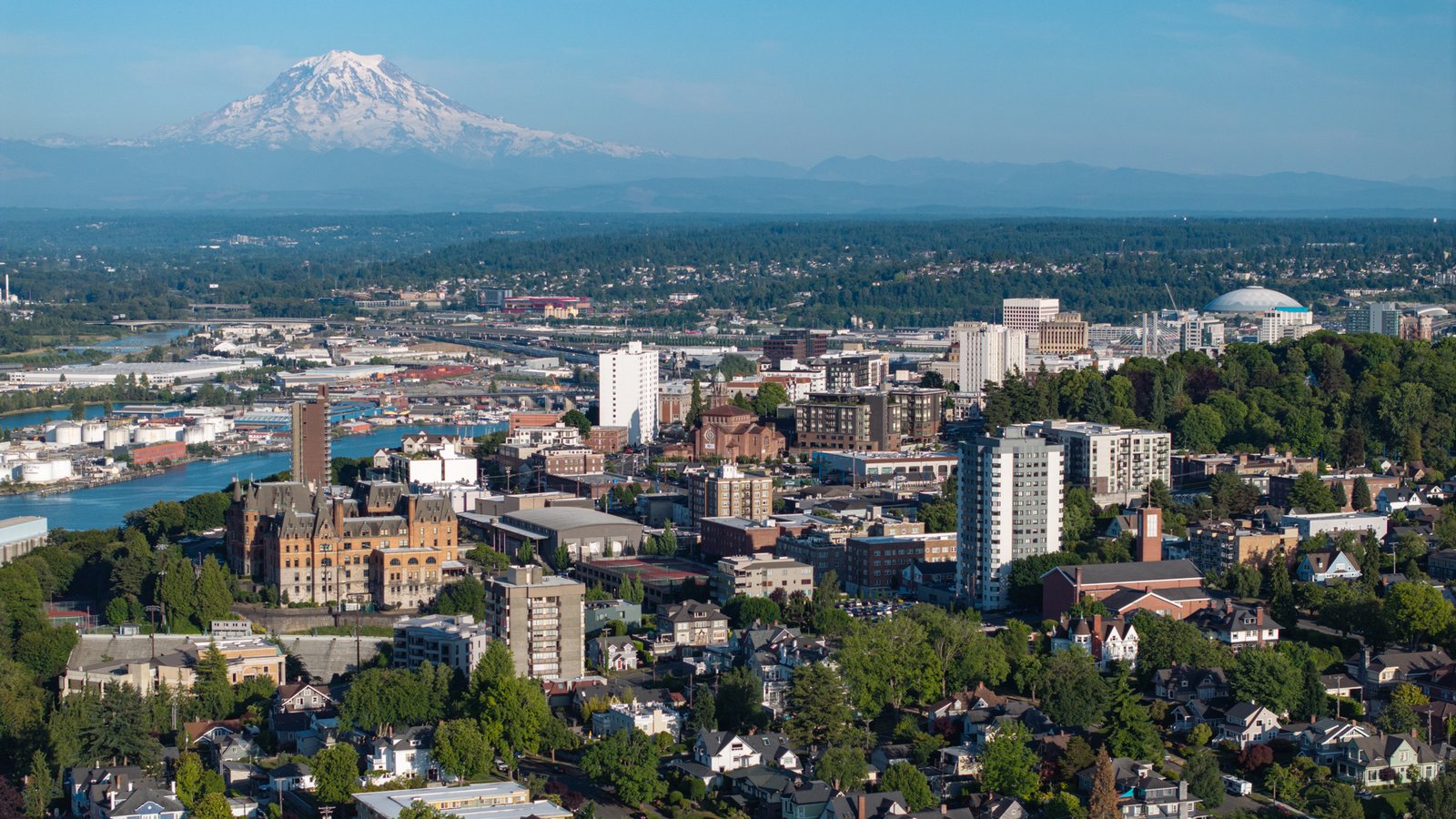
Tacoma combines a nationally important glass-art district, an active waterfront, forested Point Defiance, and a practical Puget Sound base with Mount Rainier on clear days. It suits glass art, museums, waterfronts, food, families, couples, and mount rainier extensions and works best when Museum of Glass and Washington State History Museum stay on separate compact days. A first visit works best when Museum of Glass, Washington State History Museum, and Point Defiance Park are arranged around realistic transport and weather windows. Downtown is best for museums and light rail, Stadium District offers neighborhood character, and Ruston places long waterfront walks outside the door. Tacoma planning connects Seattle–Tacoma International Airport (SEA); Tacoma Dome Station for regional rail and bus, sounder or amtrak rail, Downtown and Museum District, and Museum of Glass with the six-row US dollar (USD) budget and 3–4 days route below. Before booking Tacoma, use the linked authorities to verify opening days, sounder or amtrak rail, and any timed entry for Museum of Glass.
AT A GLANCE
Tacoma quick travel summary
Tacoma prices are planning ranges rather than quotes. Check the cancellation rule and full inclusions before booking Washington State History Museum; small surcharges can materially change the total.
WHEN TO GO
Best time to visit
Spring (March–May)
Across Tacoma, expect mild days, changeable rain, and lengthening daylight; conditions near Museum of Glass can vary. For Tacoma, crowds and prices are moderate except around school and public holidays. This period creates better conditions for Museum of Glass in Tacoma; the main drawback is that visitors in Tacoma should pack a waterproof layer and expect cool mornings. Marine cloud, wildfire smoke, mountain snow, timed-entry rules, and ferry or rail work can alter viewpoints and day trips. Recheck Tacoma weather and the operating status of Museum of Glass shortly before any weather-sensitive or reservation-dependent day.
Summer (June–August)
Across Tacoma, expect the warmest weather and the longest usable days; conditions near Washington State History Museum can vary. This is the busiest and most expensive period for Tacoma. Washington State History Museum is the most practical Tacoma focus during this period. The limitation is that visitors in Tacoma should reserve accommodation and timed attractions early. Marine cloud, wildfire smoke, mountain snow, timed-entry rules, and ferry or rail work can alter viewpoints and day trips. Recheck Tacoma weather and the operating status of Museum of Glass shortly before any weather-sensitive or reservation-dependent day.
Autumn (September–November)
Across Tacoma, expect cooler air, changing foliage, and shorter daylight; conditions near Point Defiance Park can vary. Expect lighter crowds after early September. Point Defiance Park is the most practical Tacoma focus during this period. The limitation is that visitors in Tacoma should check reduced hours and weather-sensitive services. Marine cloud, wildfire smoke, mountain snow, timed-entry rules, and ferry or rail work can alter viewpoints and day trips. Recheck Tacoma weather and the operating status of Museum of Glass shortly before any weather-sensitive or reservation-dependent day.
Winter (December–February)
Across Tacoma, expect cold conditions with the possibility of rain, snow, or storms; conditions near Ruston Way waterfront can vary. Expect quiet periods interrupted by holiday peaks. For Tacoma, this window favors Ruston Way waterfront. Schedule it only after accounting for the fact that in Tacoma, transport disruption and limited daylight require buffers. Marine cloud, wildfire smoke, mountain snow, timed-entry rules, and ferry or rail work can alter viewpoints and day trips. Recheck Tacoma weather and the operating status of Museum of Glass shortly before any weather-sensitive or reservation-dependent day.
ARRIVING
How to get there
SEA is the main airport. The most economical route generally combines regional transit with Tacoma Dome Station, while a direct shuttle, taxi, or rental car is simpler with luggage or late arrival. Sounder commuter rail is useful only on its operating schedule; Amtrak and intercity buses serve Tacoma on separate timetables. Check the exact station and final hotel connection rather than assuming continuous rail. A car is unnecessary for a museum weekend and useful for Mount Rainier, where seasonal roads, reservations, and long drives require a separate plan.
MOVING AROUND
Getting around
Tacoma Link connects downtown and Hilltop, with buses filling local gaps. The museum district and portions of the waterfront are walkable, but steep grades and long distances separate Ruston, Point Defiance, and downtown. Ride-hailing is practical after museums and events. A car helps at Point Defiance and is essential for a self-drive Mount Rainier day; parking becomes constrained at popular trailheads. Cyclists can use waterfront routes while preparing for hills and wet surfaces. For a 3–4 days visit, group Museum of Glass with Washington State History Museum, then protect Point Defiance Park for the strongest weather or access window. Museum of Glass and Washington State History Museum belong on separate compact Tacoma stages; that leaves room for a delayed sounder or amtrak rail connection. Accessible Tacoma planning needs four checks: sounder or amtrak rail boarding, surfaces, restrooms, and the final approach to Museum of Glass.
CHOOSE A BASE
Where to stay
Downtown and Museum District — best for first-time culture
Glass, history, rail, and light-rail stops make this the easiest car-light base. Some blocks become quiet after business hours and event noise varies.
Stadium District — best for neighborhood dining and character
Historic streets, local cafés, and a position between downtown and the north end suit couples. Hills and limited late transit make some walks less convenient.
Ruston and Point Defiance edge — best for waterfront and families
The promenade, views, parks, and newer dining create an easy outdoor base. Rooms cost more and downtown museums require a ride.
PLAN YOUR DAYS
Best things to do
Museum of Glass
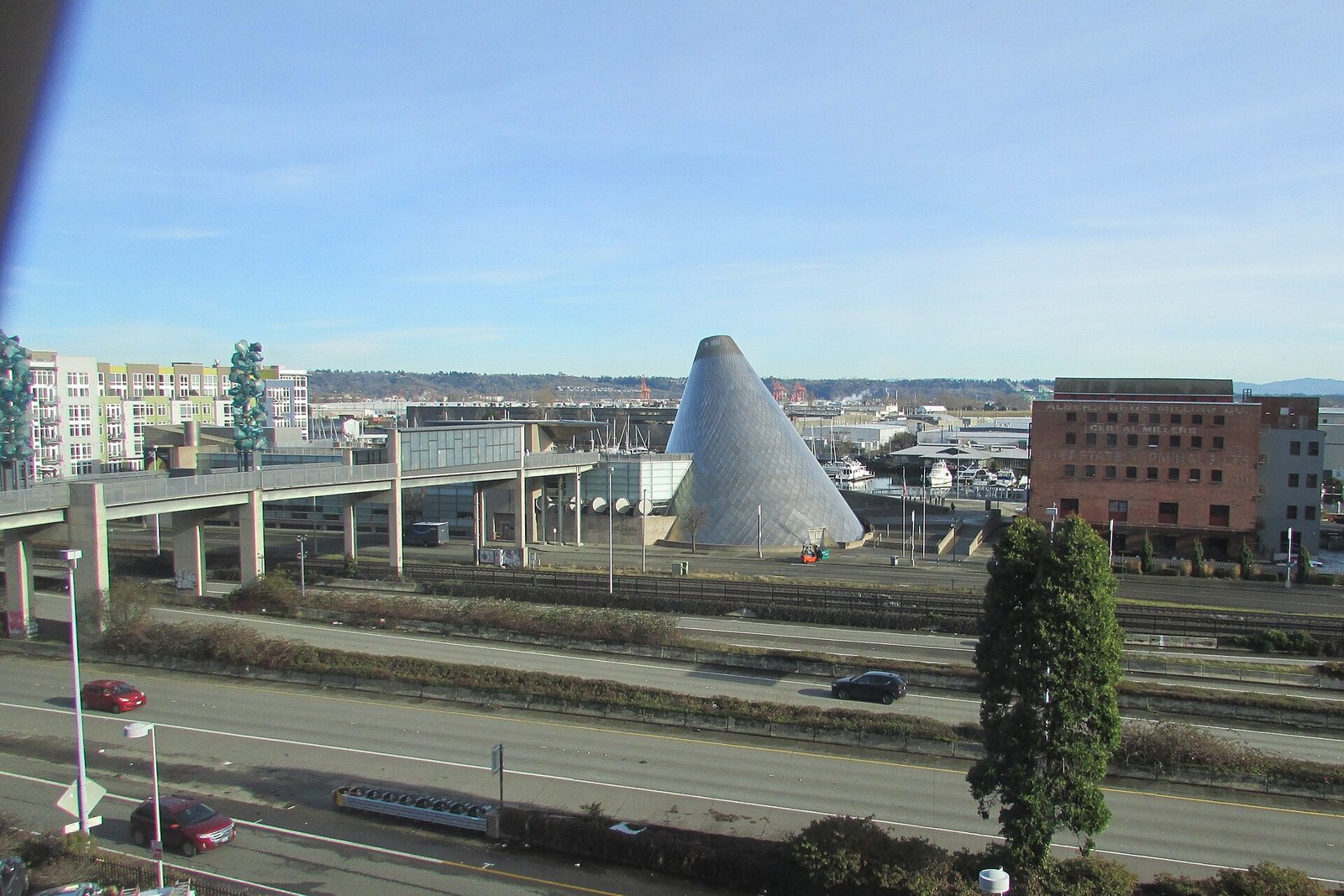
Working hot-shop demonstrations and exhibitions connect Tacoma’s identity with contemporary glass. Allow 2–3 hours. Check demonstration and closure schedules before arrival. Advance tickets can help on busy weekends. Paid museum admission applies. Cross the Chihuly Bridge of Glass as part of the same district visit. It is best suited to art travelers, families, and rainy days; On a short Tacoma visit, Museum of Glass should not force a cross-destination transfer.
Washington State History Museum
Regional exhibits add Indigenous, transport, migration, and industry context beside the glass district. Allow 1.5–3 hours. Visit on the same day as nearby museums to reduce transfers. Special programs may require registration. Paid admission applies with possible combination options. Do not attempt every downtown museum in one afternoon. It is best suited to history travelers and families; time-limited visitors should add Washington State History Museum only when it fits the same area and current conditions.
Point Defiance Park
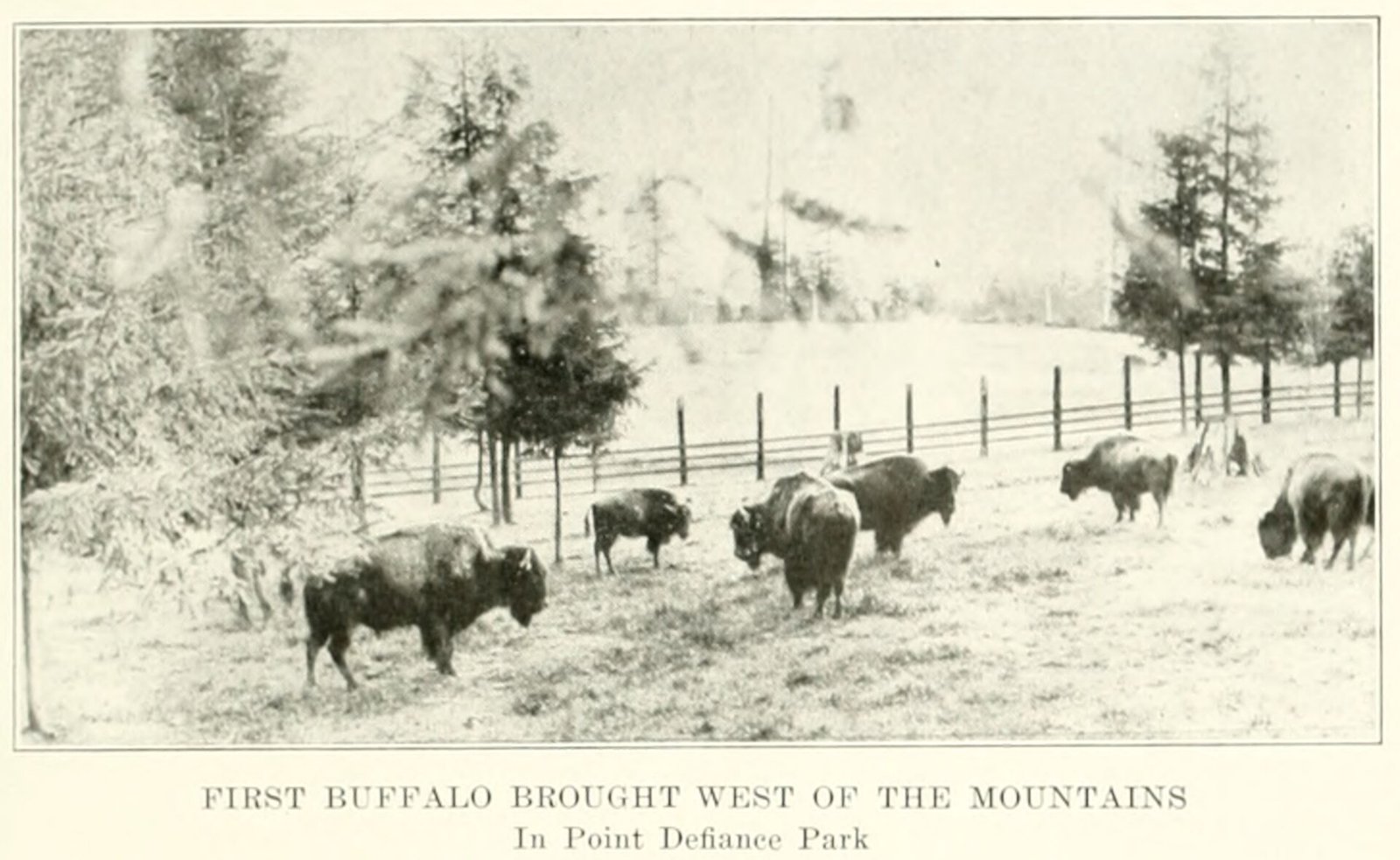
Forest drives, shoreline walks, gardens, and viewpoints form one of the largest urban nature experiences in the region. Allow 3–6 hours. Use daylight and check road, trail, and facility status. Ordinary park access needs no reservation; attractions may. Park areas are mainly free. Secure food and follow wildlife and trail closures. It is best suited to families, walkers, and cyclists; visitors with little time should retain Point Defiance Park only if it stays near another priority.
Ruston Way waterfront
A long promenade provides Puget Sound views, restaurants, and a low-intensity outdoor day. Allow 2–4 hours. Use clear afternoon or sunset conditions and bring a wind layer. No reservation is needed for the public path. Walking is free; parking and dining vary. Watch cyclists and use marked crossings. It is best suited to couples and recovery days; on a short stay, keep Ruston Way waterfront only when access and geography suit that day.
Mount Rainier day trip
On a clear, open-road day, the national park adds glaciers, subalpine meadows, and major trails. Allow Full day. Check timed-entry rules, road status, smoke, and snow before departure. Park reservations may apply by season and corridor. National-park admission and transport are separate. Choose one park area rather than attempting a complete mountain circuit. It is best suited to prepared road-trippers with an extra day; On a short Tacoma visit, Mount Rainier day trip should not force a cross-destination transfer.
A PRACTICAL ROUTE
Suggested itinerary
Museum District
Arrive via Tacoma Dome, use light rail, and visit one major museum plus the Bridge of Glass without overloading the first day.
Point Defiance
Spend a half or full day in forest and shoreline areas, returning before dark for a neighborhood dinner.
Ruston and Stadium
Walk a chosen waterfront segment, explore Stadium District, and use transit or a ride for the hilly return.
Rainier or culture buffer
Drive to one open national-park area in a good forecast, or retain Tacoma museums and food when mountain visibility or roads fail.
REALISTIC BUDGET
Estimated travel costs
Tacoma costs move most with May–September, booking timing, taxes, and the exact position of a room in Downtown and Museum District. Keep the Tacoma budget in US dollar (USD). Rounded dollar equivalents for Tacoma use August 1, 2026 reference rates; actual card statements will differ.
TRAVEL WELL
Practical travel tips
- Check Sound Transit, Pierce Transit, and Sounder schedules separately because service patterns differ.
- Group the downtown museums together and verify weekly closure days before buying multiple tickets.
- Use a waterproof layer and shoes with traction on wet hills, forest paths, and waterfront surfaces.
- For Mount Rainier, verify reservation rules, roads, smoke, snow, and the chosen corridor on the official park site.
- Do not leave luggage or museum purchases visible inside a parked vehicle.
- Use established rides after late events when downtown blocks become quiet.
- Reserve summer Rainier lodging or guided activities well ahead, but keep weather flexibility.
- Solo travelers can use central transit comfortably while applying ordinary night awareness and full backcountry precautions in the park.
COMMON QUESTIONS
Tacoma travel FAQ
How many days do you need in Tacoma?
3–4 days is a practical first-visit range for Tacoma. If 3–4 days is not available, keep one compact Tacoma base and Museum of Glass; additional days are most useful as weather and transport buffers.
Is Tacoma expensive?
In Tacoma, a realistic daily planning range is US$100–175 budget; US$220–410 mid-range, per person. Room choice and reserved transport matter more to the Tacoma total than small savings on meals or local fares.
Do you need a car in Tacoma?
No car is needed for downtown museums and central neighborhoods. Rent one for Point Defiance convenience or a carefully planned Mount Rainier day.
What is the best month to visit Tacoma?
July and September often provide the best chance of clear outdoor days, although smoke and marine cloud can still affect views.
Is Tacoma safe for solo female travelers?
Tacoma is manageable for solo women with normal city awareness. Use known rides after late events and apply mountain safety on any Rainier extension. A final review of official advice, local conditions, and the route from Seattle–Tacoma International Airport (SEA); Tacoma Dome Station for regional rail and bus belongs in the departure checklist.
What should you book in advance for Tacoma?
Reserve summer accommodation, important museum programs, Mount Rainier entry if required, and any guided mountain or water activity.
KEEP EXPLORING
Related The Wander Muse guides
PLAN WITH CURRENT INFORMATION
Official resources
For Tacoma, opening hours, fares, permits, weather rules, and transport arrangements can change. Before leaving for Tacoma, confirm the details that affect Museum of Glass directly with the official links below.