START HERE
Why visit Sri Lanka
A two-week-friendly Sri Lanka route balancing cultural sites, hill-country rail, ethical safaris, coast, and transfer time. Sri Lanka works best for travelers interested in heritage, wildlife, hill-country rail, beaches, tea landscapes, food, and multi-region travel, and becomes easier when Colombo or Negombo, Cultural Triangle, and Kandy and hill country are scheduled by area and current Sri Lanka conditions. A first visit should connect Cultural Triangle, Kandy and hill country, and National-park safari while keeping transfers between Colombo or Negombo and Cultural Triangle realistic. Colombo or Negombo suits arrival logistics, Kandy or hill-country town works for culture and rail, and South or east coast base is strongest for beaches by season. Sri Lanka planning links Bandaranaike International (CMB) and train to Colombo or Negombo, Cultural Triangle, a six-row LKR budget, and the route below. In Sri Lanka, the route leaves room for a meal near Colombo or Negombo, weather changes around Cultural Triangle, and unplanned Sri Lanka time. Keep arrival near Colombo or Negombo, place Cultural Triangle in the strongest booking or weather window, and leave the final Sri Lanka day light enough for departure. Colombo or Negombo gives the Sri Lanka route a practical rhythm around Cultural Triangle, with a delay buffer before the final connection. Before leaving for Sri Lanka, verify current opening days, train, and reservation rules for Cultural Triangle.
AT A GLANCE
Sri Lanka quick travel summary
Sri Lanka prices are planning ranges rather than quotes. For Sri Lanka, compare the final checkout total—not only the advertised price—and verify every transfer or ticket inclusion.
WHEN TO GO
Best time to visit
Dry-season core (December–February)
Across Sri Lanka, expect sunny spells, lower rainfall, and generally calmer water; conditions near Cultural Triangle can vary. Expect peak demand and high room pressure. The main advantages are island hopping, beaches, diving, and inland exploring; the main trade-off is that boats and popular rooms should be reserved early. two monsoon systems, wildlife hazards, rough seas, heat, rail disruption, and long road transfers can affect a carefully planned day. Recheck official Sri Lanka conditions shortly before any exposed outing or fixed booking, especially Cultural Triangle.
Late dry season (March–May)
Across Sri Lanka, expect hotter days, strong sun, and gradually increasing humidity; conditions near Kandy and hill country can vary. Demand is high around holidays. The main advantages are clear-water trips, early hikes, and long beach days; the main trade-off is that heat exposure and limited shade require careful pacing. two monsoon systems, wildlife hazards, rough seas, heat, rail disruption, and long road transfers can affect a carefully planned day. Recheck official Sri Lanka conditions shortly before any exposed outing or fixed booking, especially Cultural Triangle.
Wet season (June–September)
Across Sri Lanka, expect frequent rain, rougher seas, and tropical-storm risk; conditions near National-park safari can vary. For Sri Lanka, crowds and prices are lower visitor demand with local holiday spikes. The main advantages are slower travel, surfing in selected areas, and flexible inland days; the main trade-off is that ferries, flights, and boat tours can be delayed or canceled. two monsoon systems, wildlife hazards, rough seas, heat, rail disruption, and long road transfers can affect a carefully planned day. Recheck official Sri Lanka conditions shortly before any exposed outing or fixed booking, especially Cultural Triangle.
Transition (October–November)
Across Sri Lanka, expect shifting winds, mixed sunshine, and periods of heavy rain; conditions near Galle and southern coast can vary. Demand is moderate. The main advantages are good-value stays with a flexible plan; the main trade-off is that marine forecasts and refundable bookings matter more than fixed itineraries. two monsoon systems, wildlife hazards, rough seas, heat, rail disruption, and long road transfers can affect a carefully planned day. Recheck official Sri Lanka conditions shortly before any exposed outing or fixed booking, especially Cultural Triangle.
ARRIVING
How to get there
Bandaranaike International (CMB) anchors the arrival plan; choose a connection that reaches Colombo or Negombo with a real luggage buffer. Choose a documented connection from Bandaranaike International (CMB) that still operates at the arrival hour and reaches the booked Sri Lanka base without an improvised final leg. In Sri Lanka, Colombo or Negombo arrivals should compare luggage and traffic with the total Sri Lanka fare. Use an official operator for the long-distance Sri Lanka leg, then recheck its final departure and connection buffer.
MOVING AROUND
Getting around
Train, public and private bus, licensed driver, taxi, tuk-tuk, domestic flight, and walking form the practical transport mix in Sri Lanka. Give Cultural Triangle its own compact Sri Lanka area; move to Kandy and hill country only when that transfer stays short in Sri Lanka. Protect the best weather or reservation window for Cultural Triangle, then combine Kandy and hill country with nearby stops. two monsoon systems, wildlife hazards, rough seas, heat, rail disruption, and long road transfers can alter the Sri Lanka route; keep Kandy and hill country as the usable alternative. Accessible Sri Lanka planning should check the train boarding point, restroom access, and final approach to Cultural Triangle.
CHOOSE A BASE
Where to stay
Colombo or Negombo — best for arrival logistics
Airport access, city culture, and transport links create a practical first stop. Colombo or Negombo varies block by block in Sri Lanka; verify luggage access, nighttime transport, noise, and refunds.
Kandy or hill-country town — best for culture and rail
Temples, tea landscapes, and mountain transport anchor the interior. Kandy or hill-country town varies block by block in Sri Lanka; verify luggage access, nighttime transport, noise, and refunds.
South or east coast base — best for beaches by season
Choosing the coast with better weather creates a calmer finish. A South or east coast base label in Sri Lanka is not enough: compare the final walk, room entry, and quiet hours.
PLAN YOUR DAYS
Best things to do
Cultural Triangle
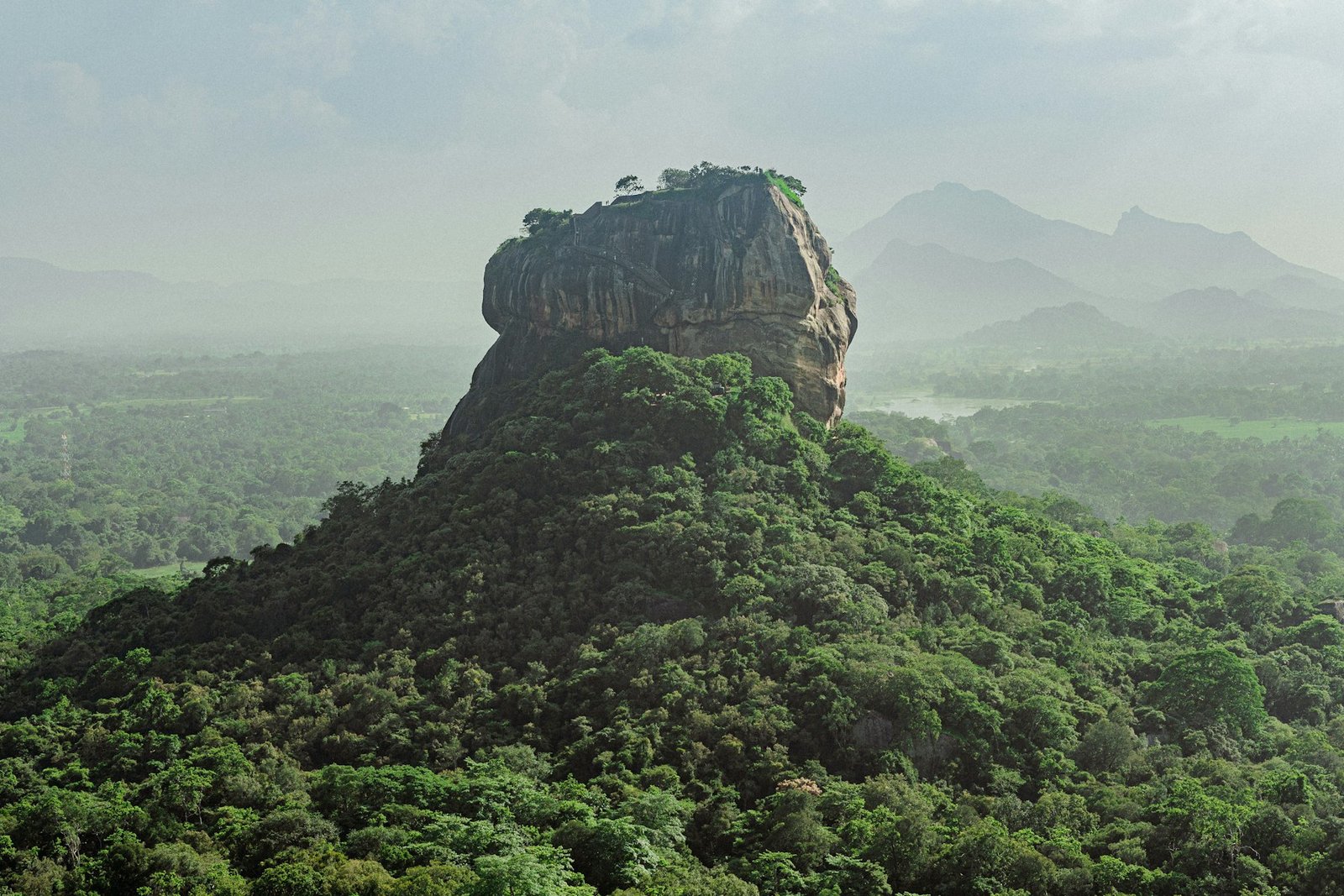
Ancient cities, caves, temples, and rock landscapes require several days. Allow two to four days. Use licensed guides where useful. Confirm Cultural Triangle access, reservation rules, and inclusions through the responsible Sri Lanka source. If weather or energy deteriorates, drop Cultural Triangle before compressing the rest of the Sri Lanka route.
Kandy and hill country
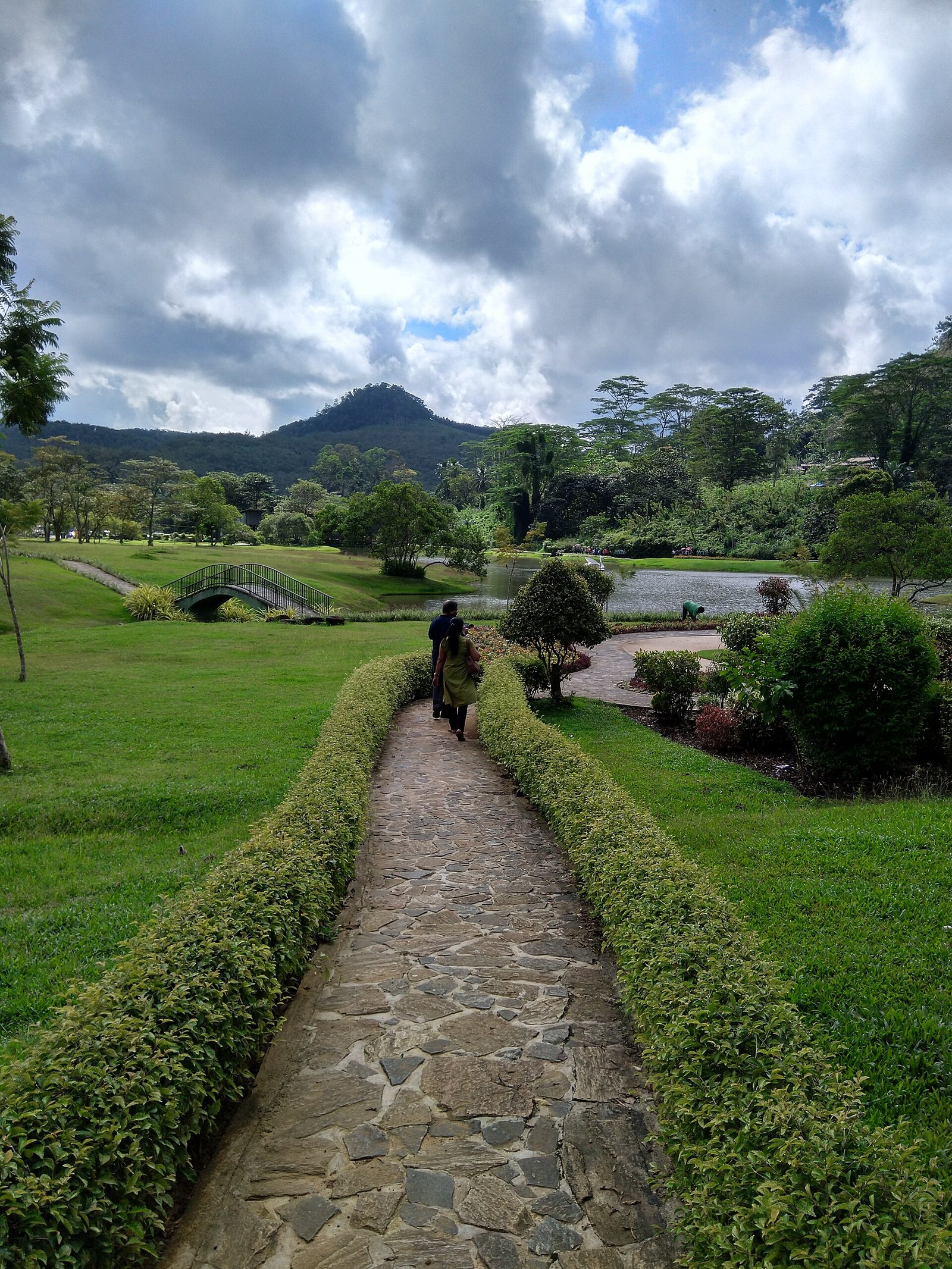
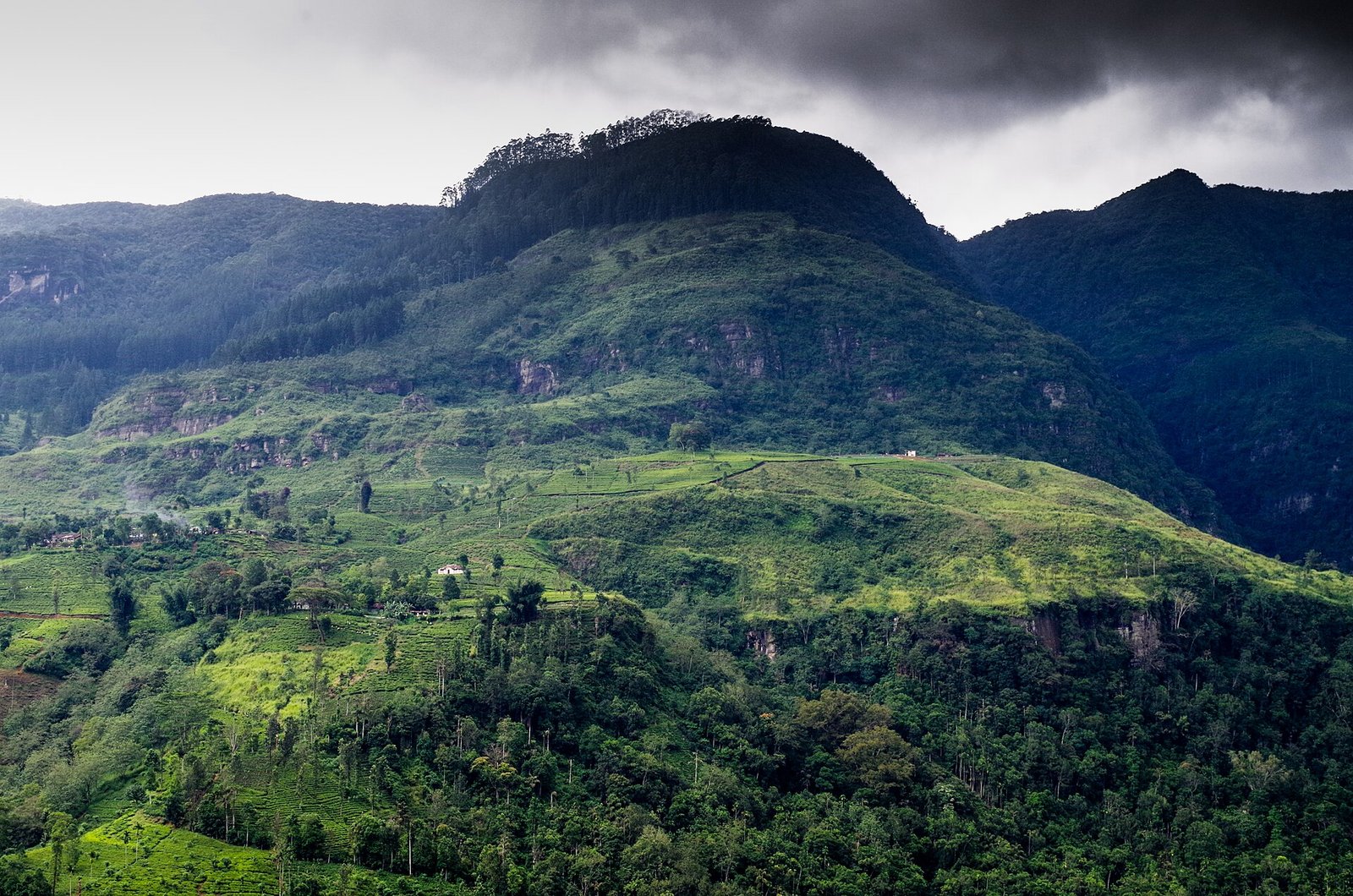
Sacred sites, gardens, tea estates, and scenic rail connect the interior. Allow two to four days. Reserve legitimate seats. Confirm Cultural Triangle access, reservation rules, and inclusions through the responsible Sri Lanka source. Kandy and hill country should remain only if it fits the same Sri Lanka area without rushing another priority.
National-park safari
Elephants, birds, and habitats can be observed through a responsible drive. Allow half day. Never demand crowding or chasing. Confirm Cultural Triangle access, reservation rules, and inclusions through the responsible Sri Lanka source. On a short Sri Lanka trip, keep National-park safari only when the day’s access and energy support it.
Galle and southern coast
Fort heritage, food, beaches, and towns support a flexible route. Allow two to four days. Check swimming flags. Confirm Cultural Triangle access, reservation rules, and inclusions through the responsible Sri Lanka source. If weather or energy deteriorates, drop Galle and southern coast before compressing the rest of the Sri Lanka route.
East coast or northern extension
Seasonal beaches, temples, cities, and communities broaden a longer visit. Allow three or more days. Match the extension to monsoon conditions. Confirm Cultural Triangle access, reservation rules, and inclusions through the responsible Sri Lanka source. East coast or northern extension should remain only if it fits the same Sri Lanka area without rushing another priority.
A PRACTICAL ROUTE
Suggested itinerary
Arrive and orient
Settle into Colombo or Negombo and orient around Colombo or Negombo; leave Cultural Triangle for its planned day.
Cultural Triangle
Start Cultural Triangle in its strongest Sri Lanka window; keep the rest of that day near Colombo or Negombo.
Kandy and hill country
Build the day around this experience and National-park safari, allowing a real meal and transport buffer.
Galle and southern coast
Explore this geographic cluster and keep the evening close to Kandy or hill-country town rather than crossing Sri Lanka again.
Flexible Sri Lanka day
Use the remaining conditions for East coast or northern extension, revisit a favorite area, or preserve this as a disruption buffer.
REALISTIC BUDGET
Estimated travel costs
Sri Lanka costs move most with December–March for south/west; May–September for east, booking timing, taxes, and the precise location of a room in Colombo or Negombo. Keep the Sri Lanka budget in LKR. Rounded dollar equivalents for Sri Lanka use August 1, 2026 reference rates; actual card statements will differ.
TRAVEL WELL
Practical travel tips
- Choose the coast according to current monsoon conditions
- Reserve train seats through official or authorized channels
- Reject safaris that crowd or chase wildlife
- Follow religious-site clothing and shoe rules
- Keep screenshots of the Sri Lanka accommodation address, official bookings, and last dependable transport.
- Recheck two monsoon systems, wildlife hazards, rough seas, heat, rail disruption, and long road transfers before every exposed or long-distance day in Sri Lanka.
- Use documented Sri Lanka transport and share any late return or remote visit to Cultural Triangle with someone you trust.
- Protect one flexible block in the Sri Lanka itinerary instead of filling every hour with reservations.
COMMON QUESTIONS
Sri Lanka travel FAQ
How many days do you need in Sri Lanka?
10–14 days is a practical first-visit range for Sri Lanka. A trip shorter than 10–14 days should prioritize one base and Cultural Triangle; use additional days for rest, weather changes, or transport delays.
Is Sri Lanka expensive?
A realistic daily planning range is LKR 16,000–LKR 28,000 (about US$52–91) budget; LKR 42,000–LKR 82,000 (about US$137–267) mid-range, per person. Costs rise fastest when a Sri Lanka trip combines the most convenient base with peak-season rooms and privately arranged outings.
Do you need a car in Sri Lanka?
Self-driving is possible for eligible visitors, but trains, buses, taxis, and a licensed driver are more practical.
What is the best month to visit Sri Lanka?
February often works well for a south-and-west route; the east coast needs another window.
Is Sri Lanka safe for solo female travelers?
Sri Lanka can work well for prepared solo women. For Sri Lanka, document the ride to Cultural Triangle, carry valuables discreetly, share remote plans, and follow current advice.
What should you book in advance for Sri Lanka?
Reserve peak rooms, rail seats, responsible safaris, licensed drivers, and heritage guides.
KEEP EXPLORING
Related The Wander Muse guides
PLAN WITH CURRENT INFORMATION
Official resources
For Sri Lanka, opening hours, fares, permits, weather rules, and transport arrangements can change. The official sources below are the final reference for Sri Lanka schedules, restrictions, and visitor rules.