START HERE
Why visit Samoa
Samoa combines volcanic waterfalls, powerful ocean scenery, beach fales, village hospitality, and living fa’a Samoa culture across Upolu and Savai’i. It suits polynesian culture, waterfalls, beaches, families, couples, road trips, and slow travel and works best when To Sua Ocean Trench and Robert Louis Stevenson Museum stay on separate compact days. A first visit works best when To Sua Ocean Trench, Robert Louis Stevenson Museum, and South Upolu waterfalls are arranged around realistic transport and weather windows. Apia is practical for arrival and museums, South Upolu suits beaches and natural sites, and Savai’i deserves several separate nights rather than a rushed ferry day. Samoa planning connects Faleolo International Airport (APW), rental car, Apia, and To Sua Ocean Trench with the six-row Samoan tālā (WST) budget and 7–10 days route below. Before booking Samoa, use the linked authorities to verify opening days, rental car, and any timed entry for To Sua Ocean Trench.
AT A GLANCE
Samoa quick travel summary
Samoa prices are planning ranges rather than quotes. Ask for the complete Samoa price in writing, including taxes, payment fees, booking terms, and any connection from Faleolo International Airport (APW).
WHEN TO GO
Best time to visit
Dry season (May–October)
Across Samoa, expect lower humidity, cooler evenings, and the most reliable road conditions; conditions near To Sua Ocean Trench can vary. For Samoa, visitor demand is at its peak, especially in July and August. For Samoa, this window favors To Sua Ocean Trench. Schedule it only after accounting for the fact that visitors in Samoa should reserve cars, ferries, and preferred rooms early. Sunday observance, village events, cyclones, heavy rain, ferry conditions, and locally managed site hours shape the route. Recheck Samoa weather and the operating status of To Sua Ocean Trench shortly before any weather-sensitive or reservation-dependent day.
Shoulder months (April and November)
Across Samoa, expect warm conditions with a growing chance of showers; conditions near Robert Louis Stevenson Museum can vary. Expect moderate crowds and more room flexibility. Robert Louis Stevenson Museum is the most practical Samoa focus during this period. The limitation is that visitors in Samoa should leave weather-dependent activities movable. Sunday observance, village events, cyclones, heavy rain, ferry conditions, and locally managed site hours shape the route. Recheck Samoa weather and the operating status of To Sua Ocean Trench shortly before any weather-sensitive or reservation-dependent day.
Wet season (December–March)
Across Samoa, expect humid heat, heavy showers, and possible cyclones; conditions near South Upolu waterfalls can vary. Demand is lower outside holiday periods. This period creates better conditions for South Upolu waterfalls in Samoa; the main drawback is that in Samoa, insurance and flexible bookings matter more than small savings. Sunday observance, village events, cyclones, heavy rain, ferry conditions, and locally managed site hours shape the route. Recheck Samoa weather and the operating status of To Sua Ocean Trench shortly before any weather-sensitive or reservation-dependent day.
Holiday and event weeks
Across Samoa, expect conditions determined by the surrounding season; conditions near Savai’i lava and coast circuit can vary. For Samoa, crowds and prices are busy flights, ferries, and family travel. For Samoa, this window favors Savai’i lava and coast circuit. Schedule it only after accounting for the fact that in Samoa, Sunday, public-holiday, or village schedules may reduce services. Sunday observance, village events, cyclones, heavy rain, ferry conditions, and locally managed site hours shape the route. Recheck Samoa weather and the operating status of To Sua Ocean Trench shortly before any weather-sensitive or reservation-dependent day.
ARRIVING
How to get there
APW lies west of Apia, with taxis, hotel transfers, rental cars, and selected buses depending on arrival time. Travelers driving must obtain the locally required permit or endorsement and confirm left-side road rules with the rental company. Samoa Shipping Corporation ferries connect Upolu and Savai’i on scheduled sailings, with vehicle space requiring advance planning in busy periods. Arrive early, verify check-in and weather status, and never build an international flight around the final possible ferry. Most natural sites are community-managed rather than centrally ticketed.
MOVING AROUND
Getting around
A rental car offers the most practical island circuit, while brightly painted buses are inexpensive and culturally interesting but do not follow a visitor-style timetable. Taxis work for airport and Apia trips when the fare is clear. Roads can be narrow, unlit, crossed by animals, and affected by rain; avoid long drives after dark. Ferries are essential for Savai’i, and a vehicle reservation may be needed. Village land and attractions use local entry rules, so stop at the designated fale, ask permission, and pay the posted fee. For a 7–10 days visit, group To Sua Ocean Trench with Robert Louis Stevenson Museum, then protect South Upolu waterfalls for the strongest weather or access window. To Sua Ocean Trench and Robert Louis Stevenson Museum belong on separate compact Samoa stages; that leaves room for a delayed rental car connection. Accessible Samoa planning needs four checks: rental car boarding, surfaces, restrooms, and the final approach to To Sua Ocean Trench.
CHOOSE A BASE
Where to stay
Apia — best for arrival, culture, and services
Markets, museums, restaurants, and transport offices simplify the first or final nights. It is not the best base for repeating distant south-coast drives.
South Upolu — best for beaches and natural sites
Beach fales and access to To Sua, waterfalls, and coastal scenery create a slower stay. Food, cash, and evening transport require planning.
Savai’i — best for a deeper island journey
Lava fields, blowholes, villages, and quiet coasts reward several nights. Ferry logistics and longer drives make a day trip inadequate.
PLAN YOUR DAYS
Best things to do
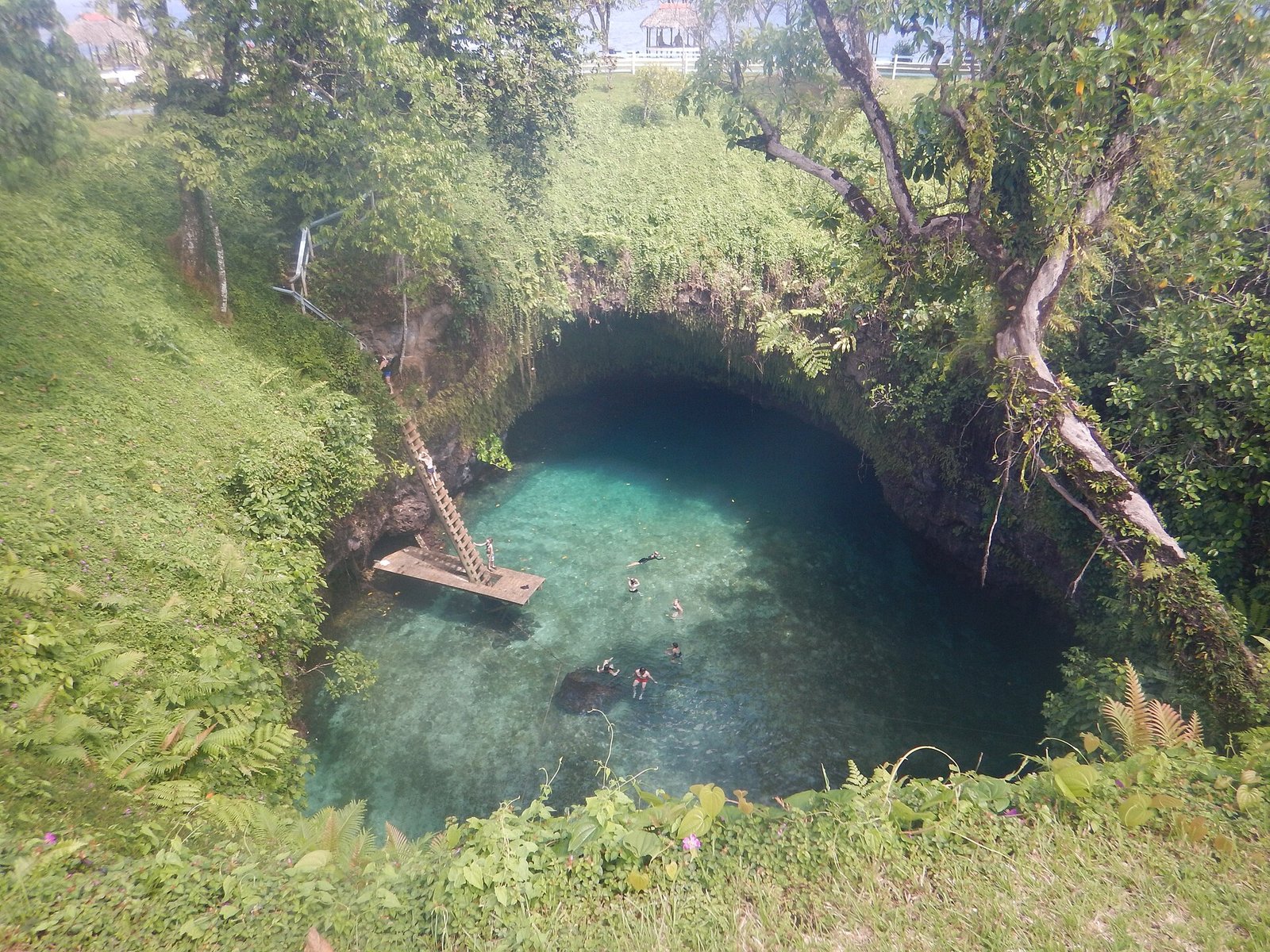
To Sua Ocean Trench
A dramatic swimming hole and surrounding coast form one of Samoa’s best-known natural sites. Allow 2–3 hours. Visit in calm daylight and check current ladder and water conditions. No ordinary reservation is usually needed. A community entry fee applies. Do not descend if mobility, swell, or confidence makes the ladder unsafe. It is best suited to confident swimmers and landscape travelers; time-limited visitors should add To Sua Ocean Trench only when it fits the same area and current conditions.
Robert Louis Stevenson Museum
The writer’s former home and hillside setting provide history and a measured Apia cultural stop. Allow 1.5–3 hours. Check opening days and use cooler morning hours. Tours may run at set times. Paid admission applies. Dress respectfully and allow time for the grounds. It is best suited to history and literature travelers; On a short Samoa visit, Robert Louis Stevenson Museum should not force a cross-destination transfer.
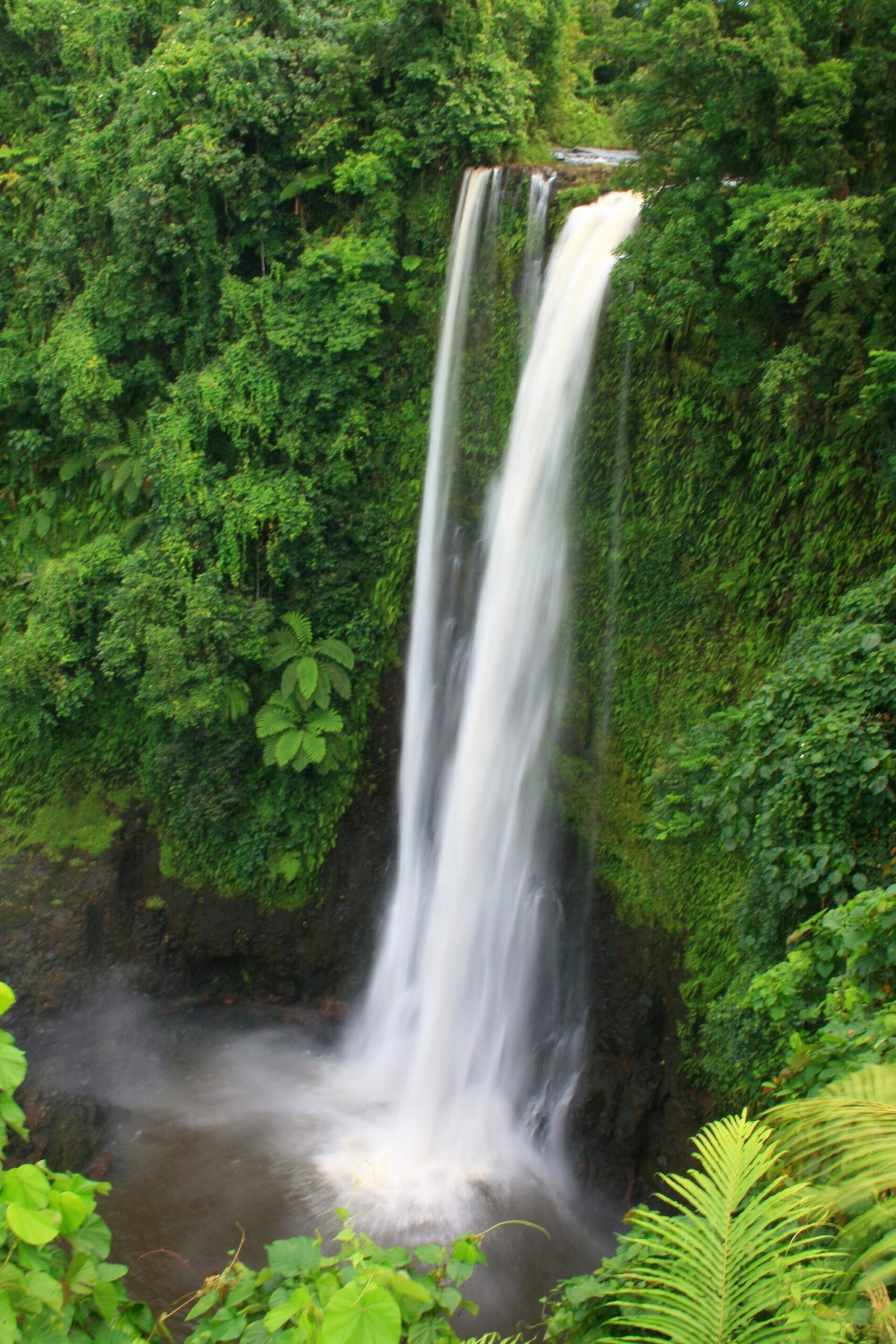
South Upolu waterfalls
Selected falls reveal lush volcanic interiors but each has different access and swimming rules. Allow Half day. Check rain and local guidance before entering water. Pay community fees at the authorized point. Fees vary by site. Never swim when locals warn of strong flow. It is best suited to families and nature travelers; on a short stay, keep South Upolu waterfalls only when access and geography suit that day.
Savai’i lava and coast circuit
Lava fields, blowholes, caves, and quiet villages make the larger island a journey of its own. Allow 2–4 days. Travel in daylight and confirm local opening days. Vehicle ferry space and some guides need booking. Ferry, fuel, and community fees apply. Do not stand in blowhole danger zones or enter caves unprepared. It is best suited to road-trippers and repeat visitors; visitors with little time should retain Savai’i lava and coast circuit only if it stays near another priority.
Village and Sunday experience
Respectful participation in church, meals, or village life can reveal fa’a Samoa beyond natural attractions. Allow Half day. Follow host guidance and Sunday restrictions. Arrange through accommodation or a community contact. Donations or hosted-meal costs vary. Dress conservatively and never photograph worship without permission. It is best suited to culture-focused travelers; time-limited visitors should add Village and Sunday experience only when it fits the same area and current conditions.
A PRACTICAL ROUTE
Suggested itinerary
Apia arrival
Use an arranged transfer, obtain driving requirements, and keep the first market or museum visit light.
Apia culture
Visit the Stevenson Museum and markets, then prepare cash and supplies for the coast.
South Upolu
Move to a beach-fale base, stopping at one waterfall rather than rushing the whole coast.
To Sua and coast
Visit in safe conditions, follow community rules, and leave the afternoon unhurried.
Ferry to Savai’i
Arrive early for the booked vehicle ferry and keep the first Savai’i drive short.
Savai’i south and west
Choose lava fields, blowholes, and villages in one geographic circuit.
Savai’i north
Use daylight for coastal and forest sites, respecting local closures and fees.
Savai’i slow day
Retain a beach, village, or weather-buffer day rather than taking another island crossing.
Return to Upolu
Use a reserved ferry with enough margin and sleep where the airport transfer is reliable.
Departure buffer
Keep the final day close to the hotel and confirm APW check-in and transport.
REALISTIC BUDGET
Estimated travel costs
Samoa costs move most with May–October, booking timing, taxes, and the exact position of a room in Apia. Samoa’s dollar figures use August 1, 2026 reference rates; recalculate them before payment.
TRAVEL WELL
Practical travel tips
- Carry tālā for community entry fees and pay at the designated fale or authorized point.
- Ask permission before entering village land, photographing people, or attending worship.
- Dress conservatively away from resort beaches and especially on Sunday.
- Confirm the local driving permit, left-side road rules, insurance, and ferry vehicle booking.
- Avoid night driving because roads are dark and may contain pedestrians or animals.
- Monitor cyclone, heavy-rain, ferry, and swimming conditions through official channels.
- Keep the final night on Upolu when a ferry delay could threaten the international flight.
- Solo women should use arranged late arrivals and communicate plans clearly with hosts in remote areas.
COMMON QUESTIONS
Samoa travel FAQ
How many days do you need in Samoa?
7–10 days is a practical first-visit range for Samoa. If 7–10 days is not available, keep one compact Samoa base and To Sua Ocean Trench; additional days are most useful as weather and transport buffers.
Is Samoa expensive?
In Samoa, a realistic daily planning range is WST 190–330 (about US$69–120) budget; WST 520–950 (about US$189–345) mid-range, per person. The main premiums are well-placed accommodation, travel during May–October, and private or guided versions of To Sua Ocean Trench.
Do you need a car in Samoa?
A car is the practical choice for multi-base Upolu and Savai’i, while buses work for flexible travelers without fixed timing.
What is the best month to visit Samoa?
June through September usually offers drier island-driving conditions, with July and August bringing stronger visitor demand.
Is Samoa safe for solo female travelers?
Samoa is generally welcoming to solo women. Respect village norms, arrange late transfers, avoid night driving, and tell hosts before independent outings. Before departing for Samoa, review current government advice alongside local weather and transport notices.
What should you book in advance for Samoa?
Reserve peak flights, vehicle ferries, rental cars, beach fales, dive trips, and any hosted cultural experience.
KEEP EXPLORING
Related The Wander Muse guides
PLAN WITH CURRENT INFORMATION
Official resources
For Samoa, opening hours, fares, permits, weather rules, and transport arrangements can change. Recheck current Samoa operating information below, especially before reserving Robert Louis Stevenson Museum.