

START HERE
Why visit Bali
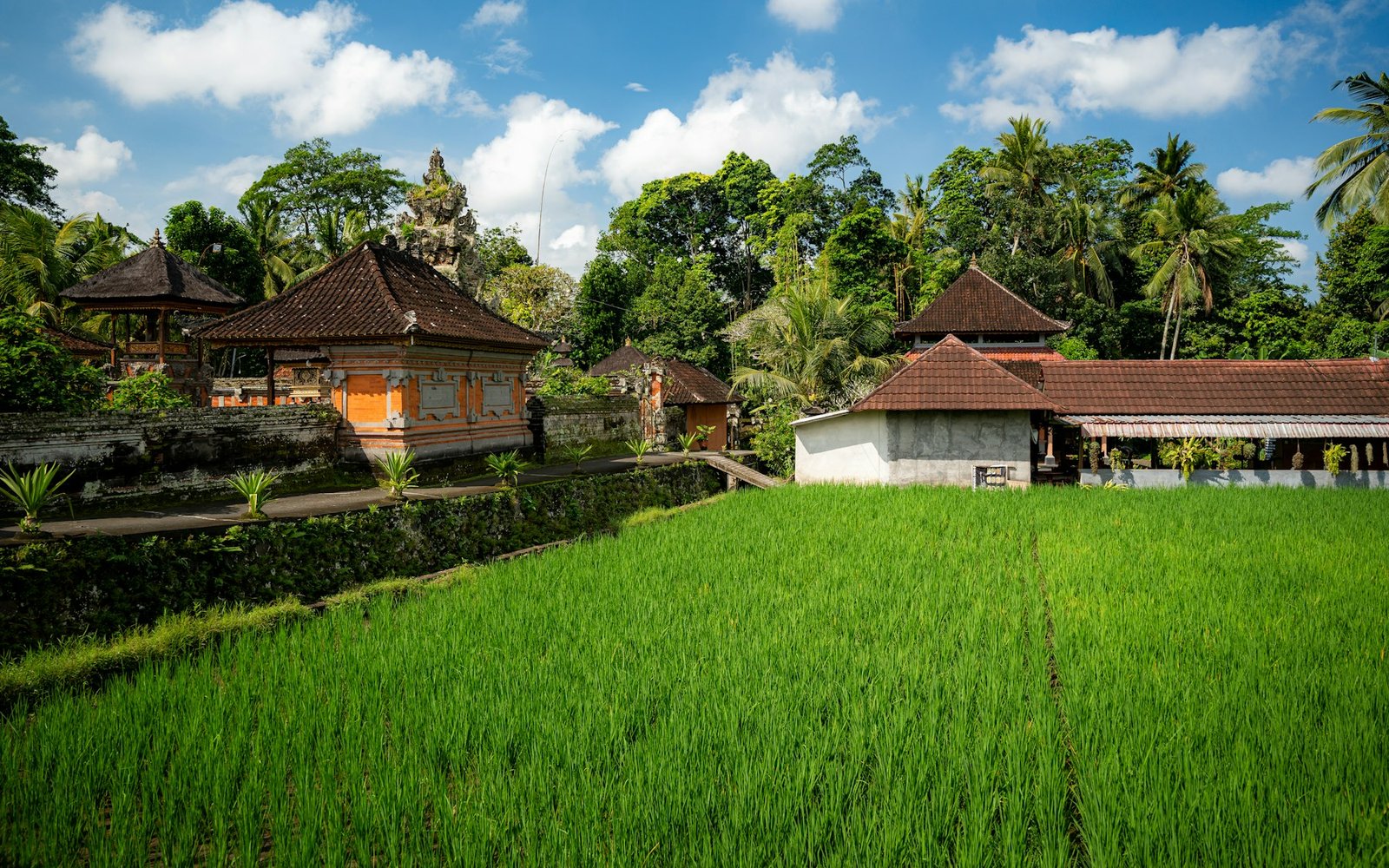
Bali layers temple culture, rice-country landscapes, surf coasts, food, and contemporary design across an island where traffic makes short map distances misleading. It suits culture, food, beaches, wellness, couples, solo travel, surfing, and multi-base island trips and works best when Ubud temples and dance and Tegallalang or quieter rice landscapes stay on separate compact days. A first visit works best when Ubud temples and dance, Tegallalang or quieter rice landscapes, and Sidemen village routes are arranged around realistic transport and weather windows. Ubud suits culture and central day trips, Sidemen offers a slower landscape base, and Sanur or Uluwatu provides coast time without commuting daily across the island. Bali planning connects I Gusti Ngurah Rai International Airport (DPS), near Denpasar, prearranged driver, Ubud, and Ubud temples and dance with the six-row Indonesian rupiah (IDR) budget and 7–10 days route below. Before booking Bali, use the linked authorities to verify opening days, prearranged driver, and any timed entry for Ubud temples and dance.
AT A GLANCE
Bali quick travel summary
Bali prices are planning ranges rather than quotes. Ask for the complete Bali price in writing, including taxes, payment fees, booking terms, and any connection from I Gusti Ngurah Rai International Airport (DPS), near Denpasar.
WHEN TO GO
Best time to visit
Dry season (May–October)
May to October is generally drier, less humid, and easier for road travel, although short showers still occur. July and August bring the strongest demand and traffic. Temples, rice landscapes, beaches, and volcano-area days are easier to schedule with early starts. Sea crossings and summit access remain weather-dependent. Reserve key bases, but keep any fast boat or sunrise hike movable.
Shoulder months (April and November)
April and November are transitional months, with warm weather, mixed rain, and better room availability outside holidays. Culture, waterfalls, and quieter coast time can combine well. Conditions vary sharply between Bali’s north, south, and mountains. Heavy showers may flood roads or roughen strait crossings. Check the specific district forecast rather than treating the island as one weather zone.
Wet season (December–March)
December to March is Bali’s wettest and most humid period, with frequent downpours, thunderstorms, rough seas, and holiday congestion around year-end. Bali is near the equator and is not normally planned around a cyclone season. Cultural visits and short outings can fit clear windows, but a rigid island circuit is fragile. Use refundable boat bookings and allow extra road time after heavy rain.
Holiday and event weeks
Nyepi, Galungan, Kuningan, and other religious or holiday periods follow calendars that do not map neatly to one weather season. Ceremonies can enrich a visit while closing roads, businesses, or the airport. Confirm dates and local expectations early. Dress respectfully, avoid obstructing processions, and treat village access rules as part of the itinerary rather than an inconvenience.
ARRIVING
How to get there
DPS is the island’s international gateway. A prearranged driver or official airport taxi is easiest for the first transfer because ride-hailing pickup zones and local restrictions can be confusing. Sanur is practical for boats to Nusa Penida and Lembongan, while Padangbai serves selected eastern routes; fast boats depend on sea conditions and should be bought from recognized operators with clear port and luggage details. Bali has no intercity passenger railway. Travelers moving to Ubud, Sidemen, or the north should judge travel time using local traffic, not distance, and avoid scheduling a distant hotel immediately after a late arrival.
MOVING AROUND
Getting around
Private drivers are efficient for full-day regional loops, while licensed taxis and ride-hailing work best for shorter trips where pickup is permitted. Public buses exist on limited corridors but do not support most visitor itineraries. Scooters are common yet expose inexperienced riders to dense traffic, rain, poor surfaces, and insurance exclusions; rent only with the proper license, helmet, and training. Walking works inside small centers but sidewalks disappear quickly. Plan two or three bases rather than driving from one hotel to every coast, and keep boat days movable when sea warnings develop. For a 7–10 days visit, group Ubud temples and dance with Tegallalang or quieter rice landscapes, then protect Sidemen village routes for the strongest weather or access window. Ubud temples and dance and Tegallalang or quieter rice landscapes belong on separate compact Bali stages; that leaves room for a delayed prearranged driver connection. Accessible Bali planning needs four checks: prearranged driver boarding, surfaces, restrooms, and the final approach to Ubud temples and dance.
CHOOSE A BASE
Where to stay
Ubud — best for first-time culture and central Bali
Temples, dance, restaurants, and access to rice landscapes make it the strongest cultural base. Central traffic is intense and distant beach day trips consume hours.
Sidemen — best for scenery and slow travel
Rice terraces, village walks, and views toward Mount Agung offer a quieter alternative to central Ubud. Dining and transport are limited, so a driver and well-chosen accommodation matter.
Sanur or Uluwatu — best for coast convenience or cliffs
Sanur offers a walkable sunrise coast and boat port, while Uluwatu suits surf beaches and dramatic sunsets. Sanur lacks the cliff landscape; Uluwatu requires wheels and has fragmented beach access.
PLAN YOUR DAYS
Best things to do
Ubud temples and dance
Water temples, palace spaces, and evening performance connect living ritual with art when visited respectfully. Allow 3–5 hours across selected stops. Use cooler morning hours and check ceremony access before entering. Popular performances should be reserved through recognized sellers. Temple donations, sarong rules, and performance tickets vary. Follow dress requirements and never step in front of worshippers or offerings. It is best suited to culture travelers and first-time visitors; time-limited visitors should add Ubud temples and dance only when it fits the same area and current conditions.
Tegallalang or quieter rice landscapes
Terraced agriculture is most meaningful when paired with an early walk and context rather than a staged photo stop. Allow 1.5–3 hours. Arrive early before heat and coach traffic. No major reservation is needed, but community fees may apply. Access and parking charges vary by route. Stay on permitted paths and avoid intrusive photography of workers. It is best suited to walkers and landscape photographers; On a short Bali visit, Tegallalang or quieter rice landscapes should not force a cross-destination transfer.
Sidemen village routes
Low-traffic lanes, fields, weaving, and Mount Agung views support a slower rural stay. Allow Half day. Walk with a local guide in morning light and carry rain protection. A guide can be arranged through the accommodation. Guided walks and craft visits use local fees. Do not enter fields or ceremonies without permission. It is best suited to slow travelers and repeat visitors; on a short stay, keep Sidemen village routes only when access and geography suit that day.
Uluwatu coast and temple
Cliff viewpoints, surf beaches, and a sea temple create a strong southern-Bali day when traffic is contained. Allow 5–8 hours. Choose one or two beaches and arrive before a timed sunset performance. Reserve priority venues and use official temple ticketing. Beach parking, temple entry, and performance tickets are separate. Secure glasses and phones around macaques and follow temple dress rules. It is best suited to couples, surfers, and sunset travelers; visitors with little time should retain Uluwatu coast and temple only if it stays near another priority.
Nusa island day or overnight
Nusa Lembongan and Nusa Penida add marine scenery, but fast boats, rough roads, and crowded viewpoints require realistic pacing. Allow Full day or 2 nights. Travel only when sea conditions and return timing are safe. Book a recognized boat and verified island transport. Boat, harbor, driver, and activity fees are separate. An overnight often works better than a rushed same-day circuit. It is best suited to marine travelers with schedule flexibility; time-limited visitors should add Nusa island day or overnight only when it fits the same area and current conditions.
A PRACTICAL ROUTE
Suggested itinerary
Arrival and local orientation
Use an official transfer to Sanur or Ubud, withdraw rupiah from a trusted machine, and keep dinner within walking distance.
Ubud culture
Visit one temple circuit early, take a midday rest, and reserve an evening dance rather than crossing regions.
Rice country
Walk a terrace or village route in the morning and use a driver for only nearby craft or water-temple stops.
Ubud slow day
Choose a cooking class, art museum, or wellness morning, leaving traffic-heavy attractions out of the schedule.
Transfer to Sidemen
Make the base change part of the route with one logical stop, then spend the afternoon around the village.
Sidemen landscape
Walk with a local guide, visit a responsible craft workshop, and keep time for changing mountain weather.
Move to the south coast
Transfer to Sanur or Uluwatu without adding an ambitious boat trip on the same day.
South-coast cluster
Combine no more than two beaches with Uluwatu temple and a reserved performance if conditions are good.
Boat day or beach buffer
Use the best sea window for a recognized Nusa operator, or retain a beach-and-food day on Bali when warnings develop.
Departure margin
Choose a final activity near the hotel, then allow a large traffic buffer for DPS and its check-in procedures.
REALISTIC BUDGET
Estimated travel costs
Bali costs move most with May–June or September, booking timing, taxes, and the exact position of a room in Ubud. For Bali, let the final Indonesian rupiah (IDR) total control the decision. For Bali, its August 1, 2026 dollar conversion may differ at checkout.
TRAVEL WELL
Practical travel tips
- Pay the official Bali tourist levy only through the authorized provincial channel and retain the receipt.
- Group days by region; Ubud-to-Uluwatu and other cross-island commutes can consume much of a day.
- Wear a sarong and sash where required, walk around offerings, and never interrupt a ceremony for a photograph.
- Do not rent a scooter without the proper license, helmet, experience, and insurance coverage.
- Use reputable ATMs attached to banks, shield the PIN, and decline unfavorable card-terminal currency conversion.
- Drink treated water, use sun and mosquito protection, and carry a light rain layer even in the drier months.
- Reserve fast boats, priority performances, and special stays early while retaining weather-flexible terms.
- Solo female travelers should share driver details, use established transport at night, and choose bright, well-reviewed accommodation access.
COMMON QUESTIONS
Bali travel FAQ
How many days do you need in Bali?
7–10 days is a practical first-visit range for Bali. If 7–10 days is not available, keep one compact Bali base and Ubud temples and dance; additional days are most useful as weather and transport buffers.
Is Bali expensive?
In Bali, a realistic daily planning range is IDR 900,000–1,800,000 (about US$50–100) budget; IDR 2,700,000–5,500,000 (about US$150–305) mid-range, per person. The main premiums are well-placed accommodation, travel during May–June or September, and private or guided versions of Ubud temples and dance.
Do you need a car in Bali?
A car rental is rarely necessary. A driver is better for regional days, taxis work locally, and only properly licensed experienced riders should consider a scooter.
What is the best month to visit Bali?
May, June, and September often balance drier weather with less pressure than July and August, though traffic and ceremonies still affect plans.
Is Bali safe for solo female travelers?
Bali is popular with solo women. Use reputable transport, avoid isolated roads after dark, protect drinks and valuables, and do not ride a scooter without proper preparation. Before departing for Bali, review current government advice alongside local weather and transport notices.
What should you book in advance for Bali?
Reserve the first transfer, special hotels, fast boats, popular performances, and any licensed guide or driver needed on a fixed date.
KEEP EXPLORING
Related The Wander Muse guides
PLAN WITH CURRENT INFORMATION
Official resources
For Bali, opening hours, fares, permits, weather rules, and transport arrangements can change. Before leaving for Bali, confirm the details that affect Ubud temples and dance directly with the official links below.