START HERE
Why visit Kochi, Kerala
Kochi layers Portuguese, Dutch, Jewish, Arab, and Indian histories around an active harbor, linking atmospheric Fort Kochi with modern Ernakulam and Kerala’s backwaters. It suits heritage, food, art, backwater connections, couples, solo travel, and first-time south india and works best when Fort Kochi waterfront and Mattancherry Palace and Jew Town stay on separate compact days. A first visit works best when Fort Kochi waterfront, Mattancherry Palace and Jew Town, and Kathakali performance are arranged around realistic transport and weather windows. Fort Kochi is best for first-time atmosphere, Mattancherry supports heritage and value, and Ernakulam provides rail, Metro, shopping, and onward transport. Kochi, Kerala planning connects Cochin International Airport (COK); Ernakulam Junction or Town railway stations, kochi metro, Fort Kochi, and Fort Kochi waterfront with the six-row Indian rupee (INR) budget and 3–5 days route below. Before booking Kochi, Kerala, use the linked authorities to verify opening days, kochi metro, and any timed entry for Fort Kochi waterfront.
AT A GLANCE
Kochi, Kerala quick travel summary
Kochi, Kerala prices are planning ranges rather than quotes. Before paying in Indian rupee (INR), check taxes, card charges, cancellation terms, and whether transport to Fort Kochi waterfront is included.
WHEN TO GO
Best time to visit
Dry season (November–February)
November to February is Kochi’s driest and coolest period, with lower humidity, comfortable evenings, and the strongest visitor demand. Fort Kochi walks, museums, performances, and day trips are easiest to arrange. Christmas and festival dates increase prices. Reserve central accommodation early, carry sun protection, and verify performance schedules because they are not daily year-round.
Hot pre-monsoon (March–May)
March to May is increasingly hot and humid, with intense afternoons and pre-monsoon thunderstorms. Room pressure may be lower outside holidays. Early heritage walks and air-conditioned cultural stops are more realistic than an all-day outdoor route. Build in a midday rest, carry water, and expect rain or heat to slow road transfers well before the main monsoon begins.
Southwest monsoon (June–September)
June to September is the southwest monsoon, bringing heavy rain, high humidity, rough seas, and localized flooding. Prices can be lower, but road and boat schedules become less dependable. Museums, food, and short Fort Kochi walks can fill safe weather windows. This is not Kochi’s dry road-trip season. Use flexible reservations and follow flood, ferry, and weather notices.
Retreating monsoon (October–November)
October and early November form the retreating-monsoon transition, with lingering heavy showers followed by improving conditions. Demand rises as the drier season approaches. Green landscapes and cultural touring can be rewarding, but one clear morning does not guarantee stable travel. Keep boat outings movable and protect enough time for airport or railway transfers after rain.
ARRIVING
How to get there
COK lies northeast of central Kochi and connects by airport bus, taxi, app ride, and arranged transfer; Metro connections may require a road segment. Ernakulam’s rail stations serve routes across Kerala and India, while Fort Kochi sits across the water or a longer road trip. Confirm the exact station, terminal, and hotel-side jetty before arrival. Prepaid or app-based airport transport is simplest with luggage. Travelers continuing to Alleppey or Munnar should book through official rail, bus, or reputable car channels and avoid agents who redirect the plan to commission stops.
MOVING AROUND
Getting around
Fort Kochi and Mattancherry are best explored by walking, auto-rickshaw, and short rides, while ferries and Water Metro routes connect harbor districts on current schedules. Kochi Metro is useful in Ernakulam but does not enter every heritage lane. Agree an auto-rickshaw meter or fare and decline unwanted shopping stops. A rental car is unnecessary in the city; a car with driver can help on onward Kerala routes. Heat and monsoon rain make long midday walks uncomfortable, and jetties require care on wet steps. For a 3–5 days visit, group Fort Kochi waterfront with Mattancherry Palace and Jew Town, then protect Kathakali performance for the strongest weather or access window. Fort Kochi waterfront and Mattancherry Palace and Jew Town belong on separate compact Kochi, Kerala stages; that leaves room for a delayed kochi metro connection. Accessible Kochi, Kerala planning needs four checks: kochi metro boarding, surfaces, restrooms, and the final approach to Fort Kochi waterfront.
CHOOSE A BASE
Where to stay
Fort Kochi — best for first-time atmosphere
Waterfront history, cafés, galleries, and performance venues are concentrated in a walkable district. Rooms cost more during events and the airport or rail transfer is longer.
Mattancherry — best for heritage and value
Palace, spice streets, and Jew Town provide depth close to Fort Kochi. Some lanes close early and evening transport needs planning.
Ernakulam — best for rail, Metro, and convenience
Modern hotels, shopping, stations, and onward transport suit short or business-linked stays. It lacks Fort Kochi’s historic atmosphere and requires ferry or road movement.
PLAN YOUR DAYS
Best things to do
Fort Kochi waterfront
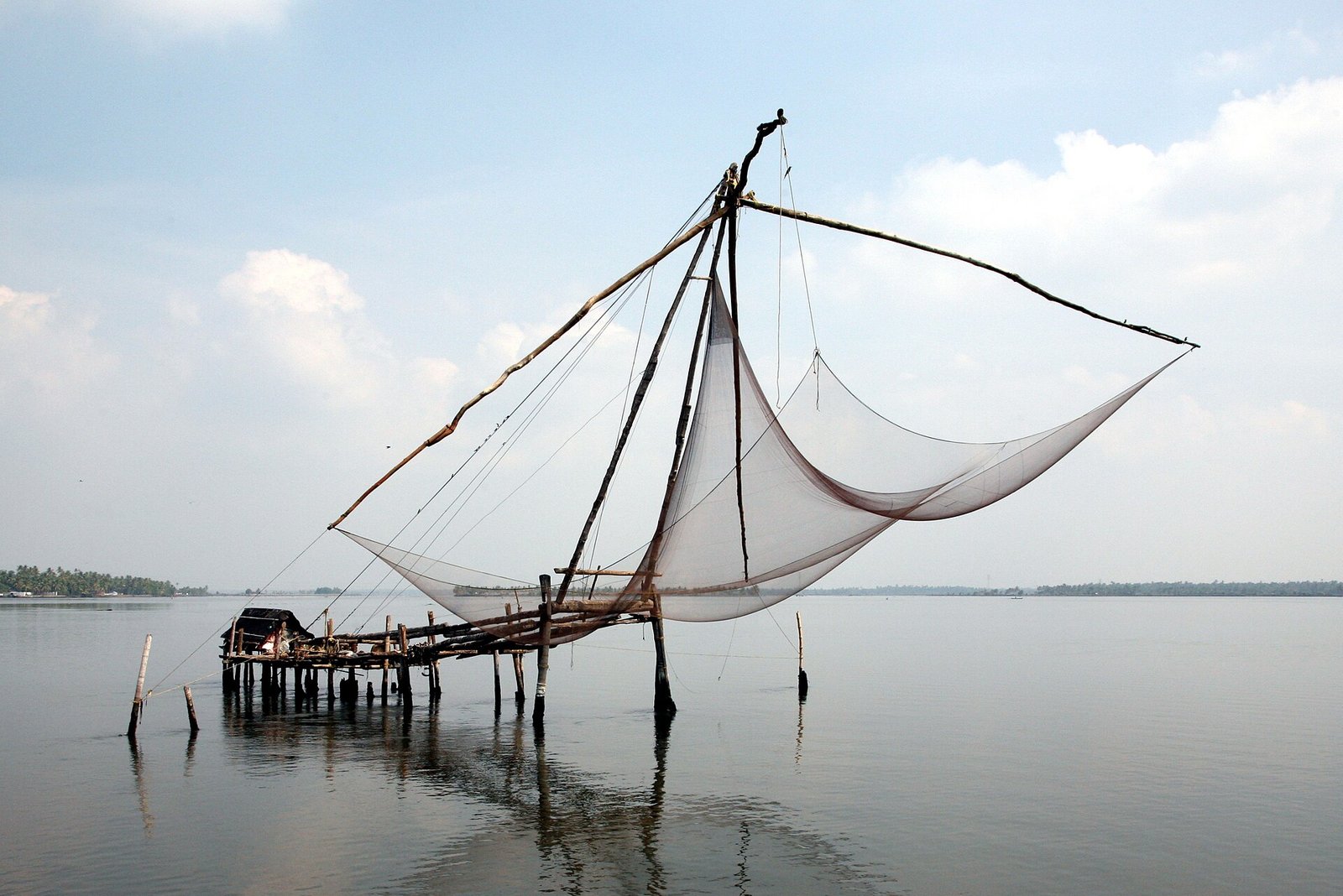
Fishing nets, churches, colonial streets, and harbor views provide an orientation to the port’s layered history. Allow 3–5 hours. Start early before heat and tour traffic. No reservation is needed for public streets. Walking is free; individual sites vary. Ask before photographing workers and avoid unsafe shoreline edges. It is best suited to first-time visitors and photographers; on a short stay, keep Fort Kochi waterfront only when access and geography suit that day.
Mattancherry Palace and Jew Town
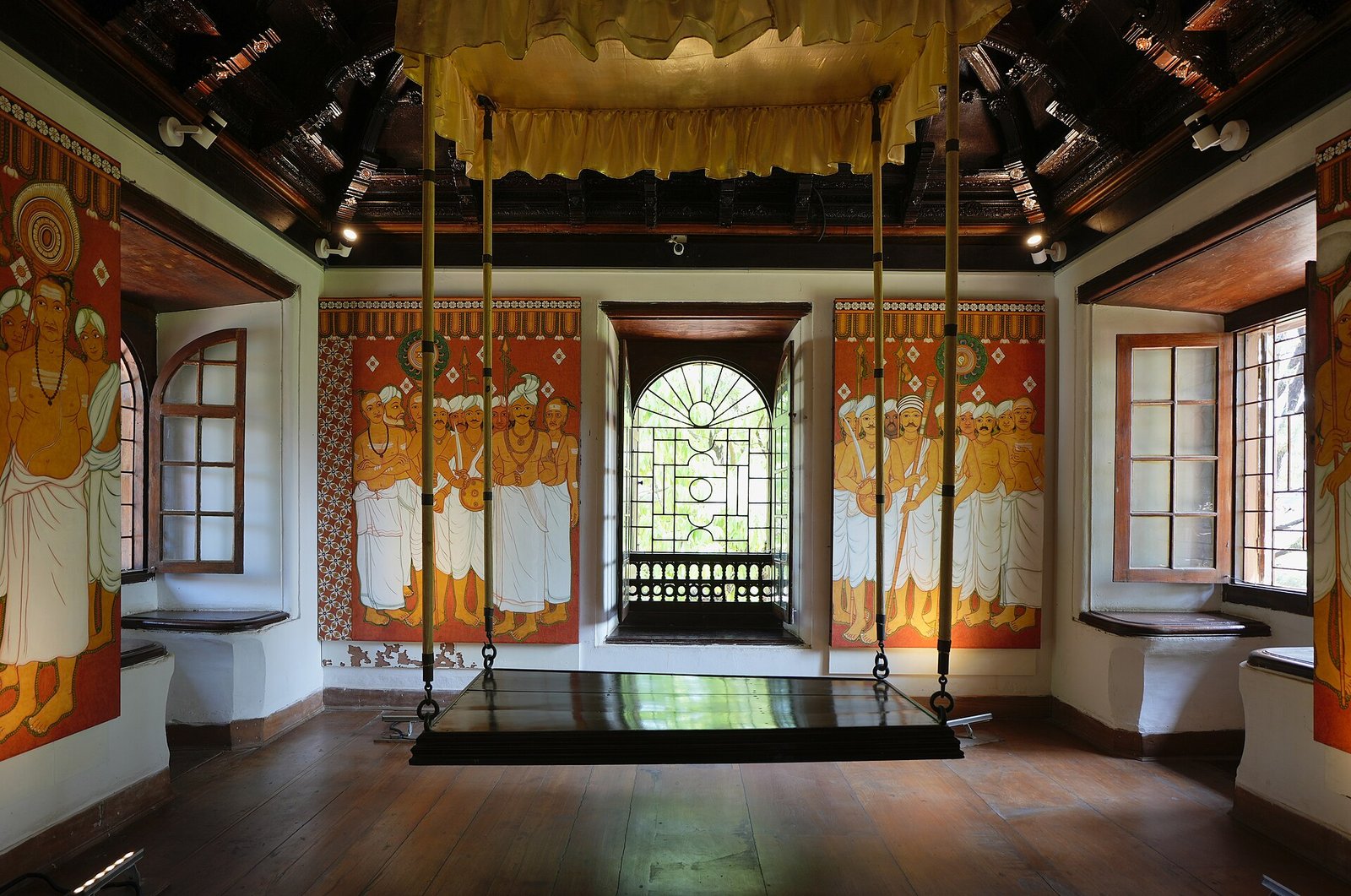
Murals, royal history, spice streets, and Jewish heritage require careful timing because opening days differ. Allow 2–4 hours. Check palace and synagogue calendars in advance. Groups or special programs may need booking. Admission is modest and site-specific. Dress respectfully and do not assume every religious site permits photography. It is best suited to history and culture travelers; visitors with little time should retain Mattancherry Palace and Jew Town only if it stays near another priority.
Kathakali performance
Makeup preparation, gesture, music, and performance introduce a sophisticated Kerala theatrical tradition. Allow 2–3 hours. Arrive for the demonstration before the main performance. Reserve established venues in high season. Paid tickets vary by seating and program. Attend as a cultural performance, not a staged photo opportunity. It is best suited to performing-arts travelers and families; time-limited visitors should add Kathakali performance only when it fits the same area and current conditions.
Kochi Biennale venues when scheduled
Contemporary art uses warehouses and heritage buildings across the city during official editions. Allow Half to full day. Check official dates, venue hours, and heat. Tickets may be required by edition. Passes and individual venues vary. Group nearby venues instead of crossing the harbor repeatedly. It is best suited to art and design travelers; On a short Kochi, Kerala visit, Kochi Biennale venues when scheduled should not force a cross-destination transfer.
Backwater or Muziris day
A carefully chosen small-scale route adds waterways or archaeological heritage beyond the city. Allow Full day. Select a reputable operator and avoid an unrealistic distant circuit. Advance booking is recommended. Transport, boat, guide, and meals vary. Prefer low-impact boats and clear inclusions. It is best suited to slow travelers with an extra day; on a short stay, keep Backwater or Muziris day only when access and geography suit that day.
A PRACTICAL ROUTE
Suggested itinerary
Fort Kochi orientation
Use a prepaid or app transfer, walk the waterfront in cooler hours, and keep the first dinner nearby.
Mattancherry
Check palace and synagogue openings, use a short rickshaw route, and avoid midday heat.
Art and performance
Choose museums or official Biennale venues, then attend a reserved Kathakali program.
Backwaters or Muziris
Use a reputable full-day route, or retain a ferry-and-food day when rain or transport disrupts the excursion.
REALISTIC BUDGET
Estimated travel costs
Kochi, Kerala costs move most with November–February, booking timing, taxes, and the exact position of a room in Fort Kochi. For Kochi, Kerala, let the final Indian rupee (INR) total control the decision. For Kochi, Kerala, its August 1, 2026 dollar conversion may differ at checkout.
TRAVEL WELL
Practical travel tips
- Check palace, synagogue, museum, and performance closure days before arranging the heritage route.
- Use prepaid or app-based airport transport and verify the plate and driver.
- Carry rupees for ferries, small restaurants, and rickshaws while checking card terminals.
- Dress modestly for religious sites and ask before photographing worship or workers.
- Drink treated water and use heat, sun, and mosquito protection.
- Agree a rickshaw meter or fare and decline commission-driven shopping detours.
- Use official rail and ferry sources, especially during holidays and monsoon disruption.
- Solo female travelers should use established transport after dark and choose active, well-reviewed accommodation access.
COMMON QUESTIONS
Kochi, Kerala travel FAQ
How many days do you need in Kochi, Kerala?
3–5 days is a practical first-visit range for Kochi, Kerala. If 3–5 days is not available, keep one compact Kochi, Kerala base and Fort Kochi waterfront; additional days are most useful as weather and transport buffers.
Is Kochi, Kerala expensive?
In Kochi, Kerala, a realistic daily planning range is ₹3,000–5,500 (about US$31–57) budget; ₹8,000–15,000 (about US$83–155) mid-range, per person. In Kochi, Kerala, the biggest budget jumps usually come from room location, peak dates, private kochi metro, and guided access to Fort Kochi waterfront.
Do you need a car in Kochi, Kerala?
No. Metro, ferries, rickshaws, taxis, and walking cover the city. Use a car with driver only for an onward regional trip.
What is the best month to visit Kochi, Kerala?
January often provides lower humidity and comfortable heritage walking, though peak-season rooms need early booking.
Is Kochi, Kerala safe for solo female travelers?
Kochi is commonly visited by solo women. Use verified rides after dark, dress appropriately for sites, and choose active streets around the accommodation. Use current government guidance and destination notices—not an old booking page—to make the final Kochi, Kerala risk check.
What should you book in advance for Kochi, Kerala?
Reserve peak hotels, Kathakali, Biennale events, trains, airport transfers, and any backwater or Muziris excursion.
KEEP EXPLORING
Related The Wander Muse guides
PLAN WITH CURRENT INFORMATION
Official resources
For Kochi, Kerala, opening hours, fares, permits, weather rules, and transport arrangements can change. Use the linked authorities to recheck Kochi, Kerala access, opening times, and transport before departure.