
START HERE
Why visit Prince Edward Island
Prince Edward Island rewards travelers who slow down for red-soil roads, lighthouses, seafood harbors, and long evening light. A well-paced visit connects Prince Edward Island National Park, Green Gables Heritage Place, and North Cape Coastal Drive without turning every day into a race. Charlottetown is best for dining and culture; Cavendish suits the north shore; Summerside or a cottage base works for western exploration. The Prince Edward Island plan keeps Charlottetown transfers realistic, leaves meal time near Prince Edward Island National Park, and stays readable on a phone. PEI is ideal for couples, families, cyclists, Anne of Green Gables readers, and seafood-focused road trippers. Its distances look small, yet lighthouse roads, beach stops, seasonal openings, and slow scenic drives make a one-base dash less satisfying than a carefully paced island loop. The Prince Edward Island guide ties seasonal conditions to the main gateway, Charlottetown, local-currency costs, and an itinerary centered on Prince Edward Island National Park.
AT A GLANCE
Prince Edward Island quick travel summary
Prince Edward Island prices are planning ranges. Confirm the final amount in Canadian dollar (CAD), including taxes, booking terms, and exactly what each Prince Edward Island transport or activity ticket covers.
WHEN TO GO
Best time to visit
Spring (March–May)
In Prince Edward Island, this period brings cool changeable weather, greening landscapes, and cold sea temperatures. Seasonal businesses reopen gradually and prices remain moderate. Its main advantage is towns, trails, and quiet coastal drives; the disadvantage is that limited hours and rain reduce full-service touring. Late spring brings green landscapes and fewer crowds, but many seasonal businesses open gradually and water remains cold. Before an outdoor day in Prince Edward Island, recheck official weather and the transport needed for Prince Edward Island National Park.
Summer (June–August)
In Prince Edward Island, this period brings the warmest days, longest light, and full visitor services. Cottages, cars, ferries, and restaurants reach peak prices. Its main advantage is beaches, cycling, and complete coastal loops; the disadvantage is that popular sites and lodging require advance booking. Warm days, long light, and full services create the peak; beaches, cottages, and restaurants require advance planning. Before an outdoor day in Prince Edward Island, recheck official weather and the transport needed for Prince Edward Island National Park.
Autumn (September–November)
In Prince Edward Island, this period brings color, harvest conditions, shorter light, and increasing storm risk. Prices soften as services begin reducing. Its main advantage is food, scenic roads, and quiet towns; the disadvantage is that weather and closures narrow later trips. September can be excellent for color, food, and quieter roads, while storms and reduced hours become more likely later. Before an outdoor day in Prince Edward Island, recheck official weather and the transport needed for Prince Edward Island National Park.
Winter (December–February)
In Prince Edward Island, this period brings cold, snow, wind, and many seasonal closures. Demand is low outside specialist winter travel. Its main advantage is local culture and a highly focused stay; the disadvantage is that a standard coast-and-beach itinerary is not practical. Winter is beautiful but highly specialized, with many visitor services closed and road weather limiting a normal coastal itinerary. Before an outdoor day in Prince Edward Island, recheck official weather and the transport needed for Prince Edward Island National Park.
ARRIVING
How to get there
YYG is close to Charlottetown and offers rental cars, taxis, and limited ground options; reserving a vehicle early is important in summer. Drivers can reach PEI through the Confederation Bridge from New Brunswick, while Northumberland Ferries operates a seasonal Nova Scotia route subject to its current schedule and weather. Intercity bus services should be verified for the exact date. T3 Transit covers Charlottetown and selected regional or seasonal routes but does not replace a car for every lighthouse and beach. Note how bridge or ferry charges are collected, confirm one-way rental rules, and avoid scheduling a same-day flight immediately after a long western-island drive.
MOVING AROUND
Getting around
A rental car is the most practical way to cover national-park coasts, small harbors, North Cape, and changing weather. T3 Transit helps in Charlottetown and on selected routes, while cycling is rewarding on the Confederation Trail and suitable roads for prepared riders. Walking works in Charlottetown, Summerside, and small centers, not between island highlights. Parking is generally easier than in large cities, but popular beaches and Green Gables fill. Slow farm equipment, wildlife, fog, and narrow scenic roads require conservative driving. Split east, central north shore, and west into logical days rather than tracing every coastal lane. For a 5–7 days visit, use Charlottetown for the arrival-focused days, group Prince Edward Island National Park with Green Gables Heritage Place, and protect North Cape Coastal Drive for the period with the best conditions. Put Prince Edward Island National Park and Green Gables Heritage Place on different Prince Edward Island stages; the separation protects meal time and a weather fallback. Accessible Prince Edward Island bookings should confirm rental car access and the precise final approach to Prince Edward Island National Park.
CHOOSE A BASE
Where to stay
Charlottetown — best for first-time visitors and dining
The compact capital offers restaurants, theater, history, and airport convenience. Every far-coast day requires a return drive, and summer rooms can be expensive.
Cavendish or North Rustico — best for families and north-shore beaches
This base is close to national-park beaches and Green Gables. It is highly seasonal, busy in summer, and quieter to the point of limited choice outside peak months.
Summerside or western PEI — best for budget and western exploration
A western base reduces the drive to North Cape and Acadian communities. It has fewer famous attractions and less evening variety than Charlottetown.
PLAN YOUR DAYS
Best things to do
Prince Edward Island National Park
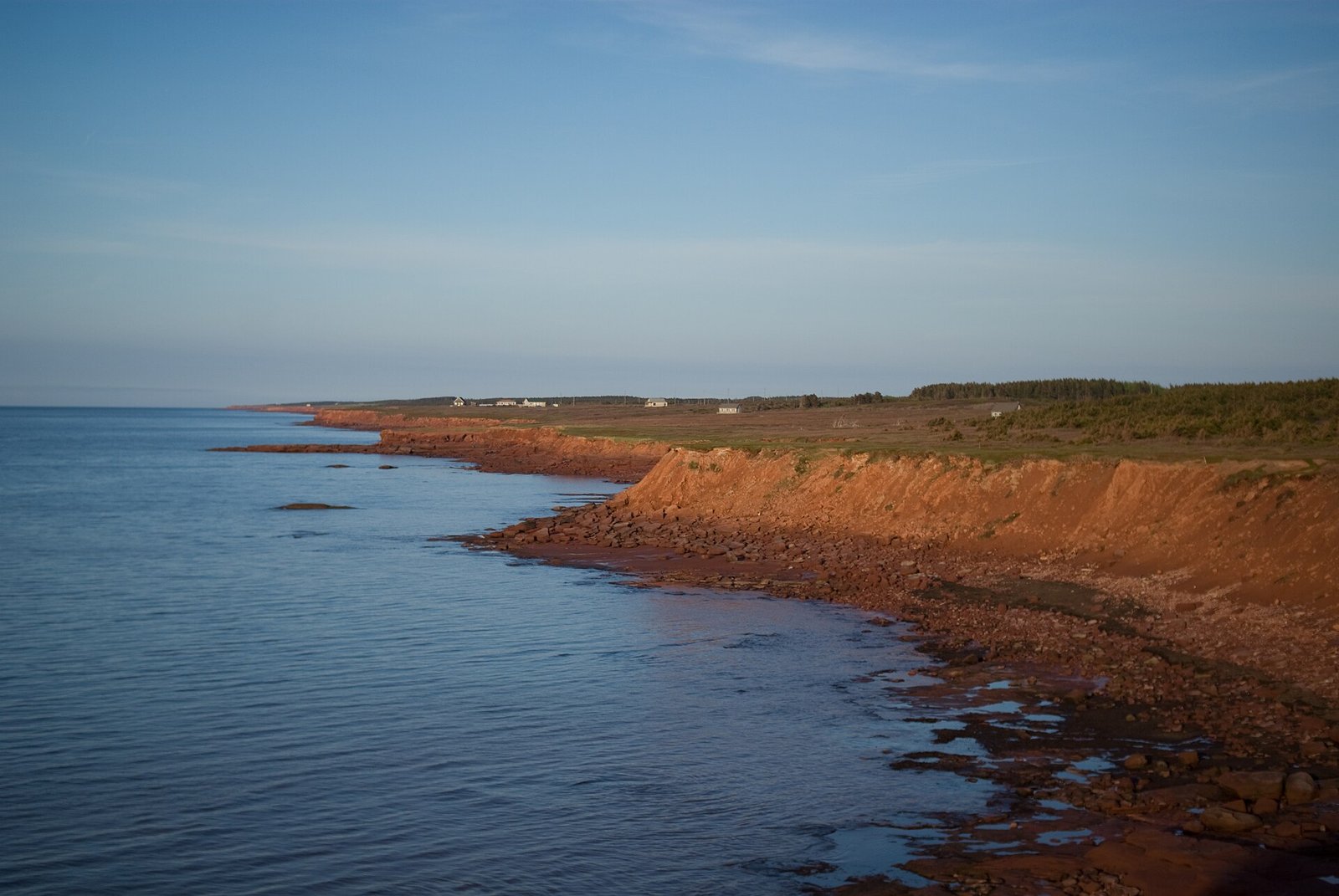
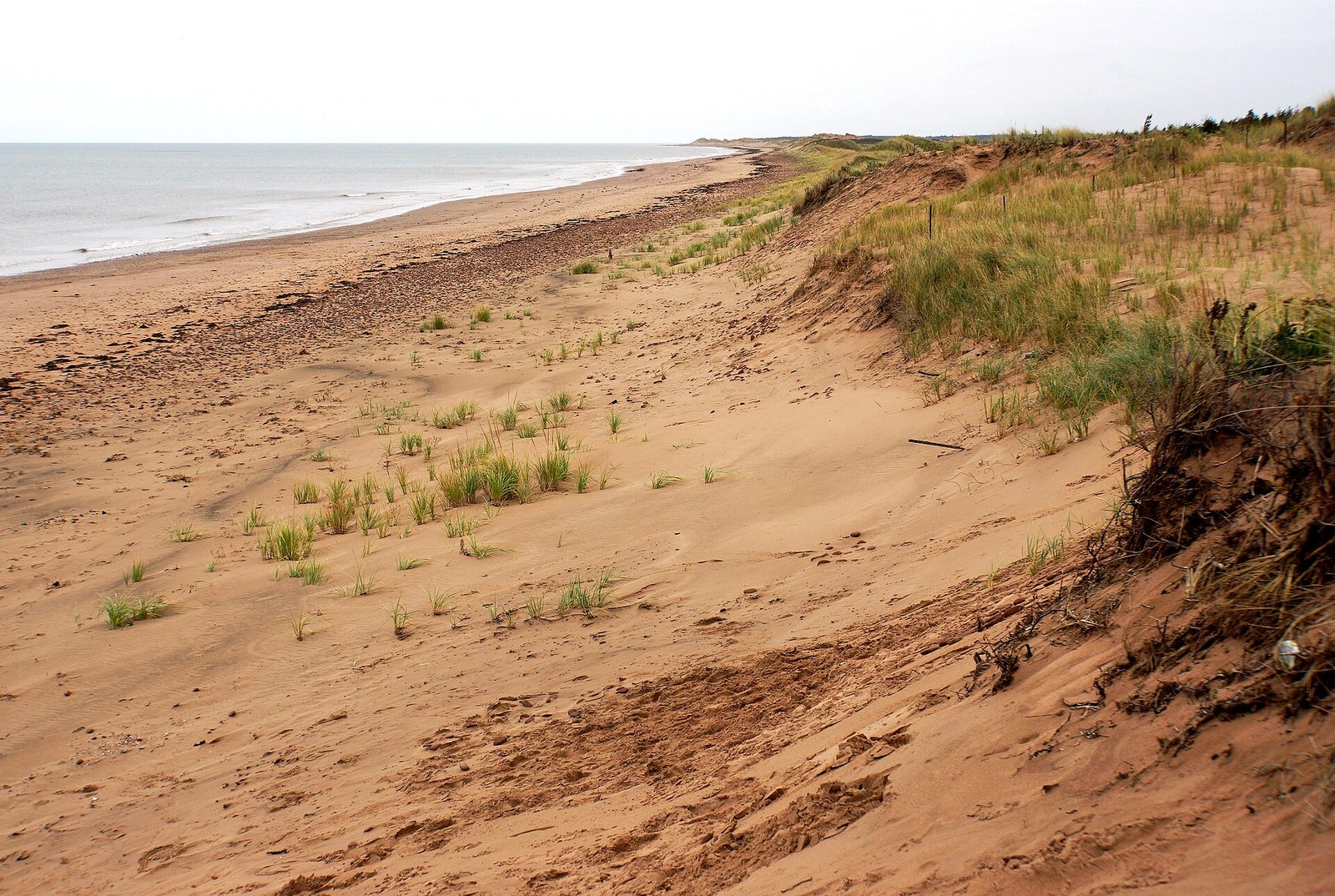
Dunes, red cliffs, beaches, and coastal trails define the island’s best-known landscape. Allow Half or full day. Check Parks Canada access, surf, erosion closures, and parking; use boardwalks to protect fragile dunes. Keep Prince Edward Island National Park only when it serves the traveler’s Prince Edward Island priorities, not merely to lengthen the list.
Green Gables Heritage Place
Literary history and the surrounding landscape provide context beyond a simple photo stop. Allow 2–3 hours. Arrive early in summer, check Parks Canada hours, and combine the visit with nearby north-shore stops. Keep Prince Edward Island National Park only when it serves the traveler’s Prince Edward Island priorities, not merely to lengthen the list.
North Cape Coastal Drive
Lighthouses, wind-shaped coast, and small communities reward travelers who dedicate a western-island day. Allow Full day. Start with fuel, verify seasonal openings, and resist adding an eastern-island destination to the same route. Keep Prince Edward Island National Park only when it serves the traveler’s Prince Edward Island priorities, not merely to lengthen the list.
Charlottetown
Historic streets, waterfront, food, and performing arts support a complete car-free day. Allow 4–6 hours. Walk in the morning, reserve theater or dinner in summer, and use the day as a break from driving. Keep Prince Edward Island National Park only when it serves the traveler’s Prince Edward Island priorities, not merely to lengthen the list.
Points East Coastal Drive
Beaches, lighthouses, small towns, and quieter roads create a contrasting eastern loop. Allow Full day. Select a short chain of stops, check ferry or attraction hours, and return before fatigue undermines the scenic drive. Keep Prince Edward Island National Park only when it serves the traveler’s Prince Edward Island priorities, not merely to lengthen the list.
A PRACTICAL ROUTE
Suggested itinerary
Charlottetown
Walk the center and waterfront, eat locally, and collect the rental car only when it improves the plan.
Central north shore
Visit Green Gables and one national-park beach, keeping dune walks for the best light.
Eastern PEI
Drive a focused Points East loop with no more than three major stops.
Charlottetown buffer
Use a weather day for museums, theater, food, or a short south-shore outing.
Summerside and Acadian coast
Move west, pause in Summerside, and reach the next base before evening.
North Cape
Dedicate a full day to the western coast, lighthouses, and small communities.
Return and departure
Choose the bridge, ferry, or airport route with a large weather and traffic buffer.
REALISTIC BUDGET
Estimated travel costs
Prince Edward Island costs move most with June–September, booking timing, taxes, and the specific room location in Charlottetown. Prince Edward Island’s dollar figures use August 1, 2026 reference rates; recalculate them before payment.
TRAVEL WELL
Practical travel tips
- Never walk on protected dunes outside designated boardwalks; erosion damage is serious and lasting.
- Reserve summer cars and cottages early because island inventory is limited relative to peak demand.
- Check beach water, surf, fog, and storm information through Parks Canada or provincial sources.
- Fuel before a long rural loop and download maps where mobile coverage may weaken.
- Solo drivers should share the day’s coastal route, avoid fatigued night driving, and choose active beaches when swimming.
- Respect surf, tide, cliff, and dune restrictions around exposed coasts.
- Build buffers around ferries or flights and keep essentials in hand luggage.
- Use licensed operators for boats and wildlife encounters.
COMMON QUESTIONS
Prince Edward Island travel FAQ
How many days do you need in Prince Edward Island?
Prince Edward Island works best with 5–7 days for a first visit. A short Prince Edward Island trip should pair Prince Edward Island National Park with one nearby priority; extra time belongs to meals, weather, or rental car delays.
Is Prince Edward Island expensive?
In Prince Edward Island, a budget traveler can plan around C$ 120–200 (about US$86–143) per person per day before long-distance arrival costs. The largest Prince Edward Island premiums come from Charlottetown, peak dates, private transport, and guided access to Prince Edward Island National Park.
Do you need a car in Prince Edward Island?
A car is the easiest way to see PEI beyond Charlottetown. Transit and cycling can support a slower niche trip but do not reach every coastal stop.
What is the best month to visit Prince Edward Island?
September often offers comfortable driving, harvest food, and lighter crowds, though some seasonal services reduce hours later in the month.
Is Prince Edward Island safe for solo female travelers?
Many solo female travelers can plan Prince Edward Island with ordinary destination-appropriate precautions. Solo drivers should share the day’s coastal route, avoid fatigued night driving, and choose active beaches when swimming. Use current government guidance and destination notices—not an old booking page—to make the final Prince Edward Island risk check.
What should you book in advance for Prince Edward Island?
Reserve summer accommodation, rental cars, theater, ferries, and popular experiences. National-park conditions still need checking on the day.
KEEP EXPLORING
Related The Wander Muse guides
CHECK BEFORE DEPARTURE
Sources and official resources
Schedules, fares, access rules, closures, and entry systems affecting Prince Edward Island can change. Recheck the official resources below shortly before departure.