
START HERE
Why visit Cape Cod
Cape Cod extends through more than a dozen distinct towns, from historic Upper Cape villages to the dunes and ocean beaches of the National Seashore and lively Provincetown. It suits families, couples, cyclists, beach travelers, history enthusiasts, and New England road-trippers, but it is not one compact resort. Seven days allow two bases, ocean and bay coasts, a rail-trail or village day, and weather flexibility without spending every afternoon in Route 6 traffic. This guide explains the sharp seasonal changes, arrival from Boston, driving and bus options, accommodation areas, realistic costs, and an efficient route. The key planning decision is geography: an attractive room at the wrong end of the Cape can create hours of repeated driving. Choose bases around priorities, reserve summer lodging and ferries early, and treat ocean conditions as more important than a beach photograph.
AT A GLANCE
Cape Cod quick travel summary
Summer lodging, parking, ferries, rental cars, and beach access cost substantially more. Use these as planning ranges and verify resident-only restrictions, taxes, deposits, and cancellation rules.
WHEN TO GO
Best time to visit
Spring (March–May)
March and April are cold, windy, and quiet, with many seasonal businesses closed or on limited hours. May brings milder days, blossoms, and growing services before summer demand. Ocean water remains very cold. Prices can be attractive outside holiday weekends. Pack wind and rain layers, verify restaurants, and use the season for villages, cycling, and uncrowded National Seashore walks.
Summer (June–August)
Summer has the broadest services, warmest beach weather, busy towns, and the highest prices. July and August traffic, parking limits, beach fees, and minimum stays require early planning. Ocean rip currents, sharks, fog, and thunderstorms remain real. Arrive at beaches early, use lifeguarded areas, reserve ferries, and avoid changing bases on peak Saturday traffic.
Fall (September–November)
September often combines warm water, open businesses, and lighter family crowds, making it a strong all-round month. October suits foliage, villages, and cycling but has cooler water and reduced seasonal hours. November becomes quiet and windy. Prices soften outside holiday weekends. Check ferry and restaurant schedules and use shorter daylight carefully.
Winter (December–February)
Winter is cold, stormy, and very quiet, with coastal flooding or severe wind possible. Year-round towns maintain some lodging and restaurants, but a classic beach vacation is unavailable. The season suits solitude, writing retreats, museums, and dramatic shore views from safe locations. Verify heating, road conditions, and closures, and never approach surf barriers during a storm.
ARRIVING
How to get there
Most long-distance travelers arrive through Boston Logan Airport, then drive, use a bus, or connect to limited regional air and rail services. Road travel to the Cape crosses the Sagamore or Bourne bridges, where summer weekend traffic can add substantial time. Intercity buses serve several towns, seasonal passenger rail may operate from Boston on announced dates, and Cape Cod Gateway Airport in Hyannis has selected flights. Ferries from Hyannis, Woods Hole, and other terminals connect islands according to operator schedules. The easiest multi-town trip is a rental car collected outside the busiest central Boston area; car-free visitors should base in Hyannis or Provincetown and plan buses, bicycles, and tours. Never schedule a tight Logan flight after a summer drive from the Outer Cape.
MOVING AROUND
Getting around
A car offers the greatest flexibility for villages, trailheads, beaches, and two-base itineraries, but traffic and parking dominate peak summer. Route 6 is the main spine, while slower roads require patience and attention to cyclists. Cape Cod Regional Transit Authority buses and seasonal services connect key towns, though they do not support every beach or late dinner. The Cape Cod Rail Trail is excellent for cycling between selected areas; rent an appropriate bicycle and use lights and helmets. Ferries can connect Boston or the islands to specific Cape towns. Parking permits and beach access differ by municipality, with some lots restricted to residents. Confirm rules before driving and never park on dunes or private roads.
CHOOSE A BASE
Where to stay
Hyannis or Yarmouth — best for first-time logistics and families
The Mid-Cape provides ferries, buses, shopping, restaurants, beaches, and a broad lodging range. It suits families, island add-ons, and travelers without a fully rural itinerary. The area is commercial and traffic-heavy, and beaches differ by exact town. Choose a property close to the ferry or road corridor actually needed rather than expecting a picturesque village everywhere.
Chatham or Orleans — best for a balanced Lower Cape base
These towns provide attractive centers, restaurants, beaches, and access toward both bay and ocean sides. They suit couples, families, and travelers splitting the Cape into two bases. Summer rooms and parking are expensive, while evening reservations matter. Chatham feels polished; Orleans offers more road and trail convenience. Map beach permit requirements before booking.
Wellfleet, Truro, or Provincetown — best for dunes, arts, and the Outer Cape
The Outer Cape puts National Seashore landscapes, galleries, cycling, nightlife, and dramatic beaches close together. Provincetown works well without a car and has ferries from Boston; Wellfleet and Truro are quieter. Prices and minimum stays peak in summer, roads narrow, and services disperse outside town centers. Reserve early and verify late transport.
PLAN YOUR DAYS
Best things to do
Cape Cod National Seashore
Protected ocean beaches, dunes, wetlands, historic structures, and trails define the Outer Cape. Spend at least a full day across one or two neighboring areas rather than driving every seashore stop. Use National Park Service information for fees, closures, lifeguards, accessibility, and wildlife guidance. Ocean conditions are powerful; swim only where and when official advice supports it.
Provincetown
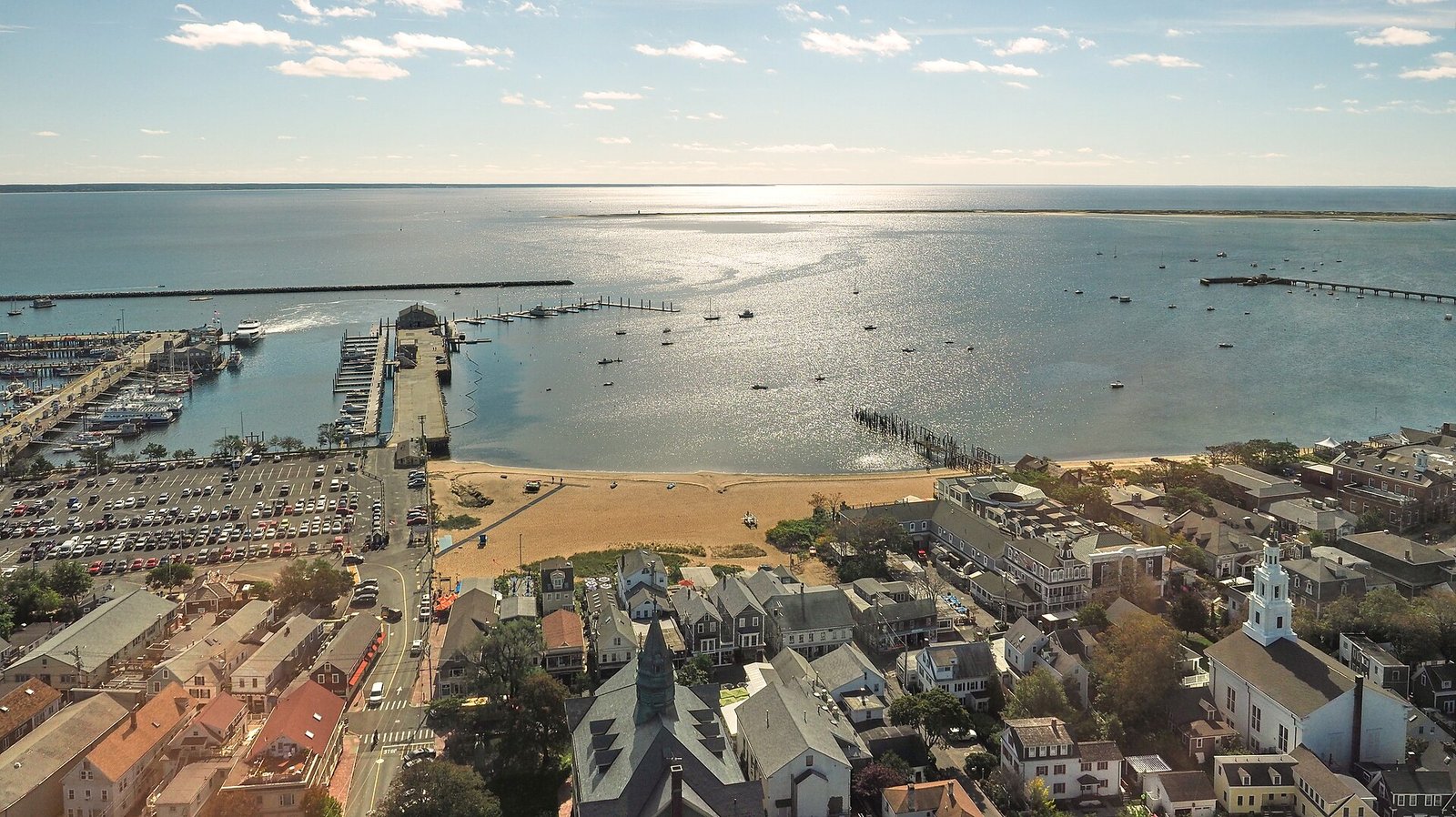
Provincetown combines galleries, maritime and LGBTQ+ history, restaurants, dunes, and a compact waterfront. Allow a full day or two nights. Arrive by ferry, bus, or early car because summer parking is limited. Book sought-after shows and rooms, respect residential streets, and move beyond Commercial Street with a museum, guided history walk, or authorized dune experience.
Chatham and the Lower Cape
Chatham’s center, lighthouse area, fish pier surroundings, and coastal landscapes provide a classic Cape day. Allow half to a full day, using designated viewing spaces and current parking rules. Seals and fishing activity should be observed without interference. Combine the town with one nearby beach or nature area, not a rushed cross-Cape route.
Cape Cod Rail Trail
The paved trail crosses forests, ponds, and towns for more than a casual boardwalk ride. Choose a round-trip segment suited to fitness, bicycle type, weather, and food stops. Allow three to five hours. Rentals are available near several access points, but reserve in summer. Yield, signal, wear a helmet, and take special care at road crossings.
Whale watching or island ferry day
Authorized whale-watching trips and ferries to Martha’s Vineyard or Nantucket can fill a full day. Choose one based on departure port, weather, seasickness tolerance, and the wider route. Reserve in summer and check cancellation policies. A ferry day should not be placed immediately before a flight. Responsible wildlife operators maintain distance and follow marine guidance.
A PRACTICAL ROUTE
Suggested itinerary
Upper or Mid-Cape arrival
Cross the bridges outside peak traffic if possible, check in near Hyannis or Yarmouth, and keep the evening within one village.
Mid-Cape and rail trail
Ride a selected trail section or explore one bay-side village, avoiding an unnecessary Outer Cape return journey.
Move to the Lower Cape
Travel toward Chatham or Orleans with one planned stop, check in before beach traffic, and learn local parking rules.
Chatham and coast
Explore Chatham early, use designated wildlife viewpoints, and spend the afternoon at one suitable nearby beach.
National Seashore
Enter one Outer Cape sector early, combine a beach with a trail or visitor center, and follow all ocean warnings.
Provincetown
Spend a full day in Provincetown for history, galleries, food, and an optional authorized dune or whale activity.
Weather-flexible finish
Use the final day for a missed beach, village, or museum close to the exit route, leaving a large Boston travel buffer.
REALISTIC BUDGET
Estimated travel costs
A camper or simple-room traveler sharing a car can plan around US$130–220 per person per day. A mid-range summer road trip with a shared hotel, restaurant dinner, parking, and one paid activity commonly reaches US$300–550. Waterfront weekends can cost more. Compare lodging tax, minimum stays, beach permits, parking, ferry baggage, rental insurance, and cancellation policies.
TRAVEL WELL
Practical travel tips
- Choose bases before attractions; repeated driving between Hyannis and Provincetown wastes vacation time.
- Check municipal beach parking and permit rules because access differs by town and lot.
- Swim only in appropriate lifeguarded areas, obey shark and rip-current guidance, and never approach seals.
- Reserve summer lodging, bicycles, ferries, and whale trips early, keeping marine days weather-flexible.
- Carry layers and wind protection even on warm days because fog and Atlantic breeze cool beaches quickly.
- Use cards widely but keep cash for small parking, farm stands, tips, or older seasonal businesses.
- Protect dunes by staying on boardwalks and marked paths; do not climb fencing for photographs.
- Solo travelers should share beach or cycling plans and avoid isolated shorelines after dark or during storms.
COMMON QUESTIONS
Cape Cod travel FAQ
How many days do you need on Cape Cod?
Five days allow a focused one-base trip. Seven or eight days support two bases, the National Seashore, Provincetown, and weather flexibility.
Do you need a car on Cape Cod?
A car is strongly recommended for a multi-town trip. Car-free stays work best in Provincetown or Hyannis using ferries, buses, bicycles, and planned tours.
What is the best month to visit Cape Cod?
June offers long days before the heaviest July and August pressure. September often combines warm water with fewer school-holiday visitors.
Is Cape Cod expensive?
Summer lodging, seafood restaurants, parking, and activities are expensive. Campsites, shoulder seasons, groceries, and free village or trail days lower costs.
Can you visit Cape Cod as a day trip from Boston?
Yes for one town by ferry, bus, or car, but summer traffic makes a broad driving loop impractical. An overnight stay is much more rewarding.
Is Cape Cod suitable for families?
Yes, with beaches, cycling, museums, and villages. Families should choose lifeguarded water, verify room and parking needs, and limit long drives.
KEEP EXPLORING
Related The Wander Muse guides
CHECK BEFORE DEPARTURE
Sources and official resources
Schedules, fares, closures, and timed-entry systems affecting Cape Cod can change. Recheck the official resources below shortly before departure.