START HERE
Why visit Acadia and Bar Harbor
Acadia National Park compresses granite peaks, forest paths, carriage roads, lakes, and a rocky Atlantic shoreline onto and around Mount Desert Island. Bar Harbor adds restaurants, lodging, and transport that make the landscape accessible without sacrificing a lively town base. The area suits hikers, families, photographers, cyclists, wildlife watchers, and road-trippers, but it rewards careful timing more than a long checklist. Five days allow two mountain or coast days, one carriage-road or lake day, and weather flexibility. This guide explains park reservations, seasonal conditions, transport, bases, realistic costs, and a route that limits repeated driving. The key planning constraint is popularity: parking, lodging, campsites, and Cadillac Summit Road access are limited at busy times. Confirm current National Park Service requirements before departure and keep one alternative trail or shuttle stop ready.
AT A GLANCE
Acadia and Bar Harbor quick travel summary
Lodging, campsites, rental cars, and reservation rules change by season. These are planning ranges; verify current park passes, vehicle reservations, accessibility, shuttle dates, and cancellation terms on official sites.
WHEN TO GO
Best time to visit
Spring (March–May)
March and April are cold, muddy, and quiet, with snow or ice possible on higher and shaded trails. Seasonal roads and businesses may open gradually. Late May brings greener landscapes and increasing services, though fog, rain, and cool nights remain common. Prices are below peak summer, and crowds are lighter. Wear waterproof footwear and check trail and road conditions before every outing.
Summer (June–August)
Summer provides the broadest services, Island Explorer operations, warmest weather, and long days. It also brings traffic, crowded trailheads, high lodging prices, and mosquitoes or ticks. Ocean water remains cold. Reserve lodging and required vehicle access early, begin popular hikes in the morning, and use buses where practical. Afternoon thunderstorms, fog, and sudden temperature changes still require layers.
Fall (September–November)
September often combines stable hiking weather with fewer families after school resumes, though lodging remains expensive. Foliage increases demand from late September into October, and cold evenings arrive quickly. Seasonal transport and businesses begin reducing hours later in fall. This period is excellent for hiking and photography, but daylight is shorter and leaf-weekend parking pressure can rival summer.
Winter (December–February)
Winter is cold, snowy, icy, and extremely quiet. Many park roads and visitor services close to vehicles, while designated routes may support walking, skiing, or snowshoeing when conditions permit. Bar Harbor retains limited year-round services. This trip suits experienced winter travelers more than first-time park visitors. Carry traction, emergency layers, and a conservative turnaround plan; never rely on summer route descriptions.
ARRIVING
How to get there
Hancock County–Bar Harbor Airport is the closest commercial airport, but its schedule is limited and seasonal patterns vary. Bangor International Airport offers more connections and is roughly an hour or more from Bar Harbor by road, depending on traffic and weather. Rental cars, pre-booked shuttles, and seasonal bus services should be compared before purchasing a flight. Drivers commonly reach Mount Desert Island via Maine State Route 3; summer congestion can lengthen the final approach. There is no direct passenger rail service to Bar Harbor, though rail-and-bus combinations may work through Maine or Boston with substantial extra time. The easiest option for a group visiting remote park sectors is a rental car; a summer visitor staying centrally can combine an airport transfer with Island Explorer buses. Confirm vehicle-reservation requirements separately from the general park entrance pass, because one does not automatically include the other.
MOVING AROUND
Getting around
The free seasonal Island Explorer network connects Bar Harbor, campgrounds, village centers, and many park destinations, reducing parking stress. Routes and operating periods change, so consult the current schedule and identify the last return bus. A car remains useful for dawn starts outside bus hours, the western side of Mount Desert Island, and the Schoodic Peninsula, but parking lots fill early and roadside parking is restricted. Carriage roads are ideal for walking and cycling; rent an appropriate bicycle and yield according to posted rules. Bar Harbor is walkable, and the Shore Path offers an easy outing. Taxis and rideshare availability are limited compared with major cities. Build each day around one park sector, use buses for popular corridors, and never assume a trailhead has legal overflow parking.
CHOOSE A BASE
Where to stay
Bar Harbor — best for first-time visitors and car-light travel
Bar Harbor offers the largest selection of restaurants, shops, tours, and seasonal bus connections, with easy evening walks after a park day. It suits first-time visitors, families, and travelers arriving without a car. Summer rates, crowds, and noise are high, and parking at centrally located lodging may be limited. Choose a property near a useful Island Explorer stop and confirm parking before booking.
Southwest Harbor or Bass Harbor — best for quiet and western trails
The island’s western side has a slower atmosphere and good access to places such as Wonderland, Ship Harbor, and Acadia Mountain. It appeals to repeat visitors, couples, and travelers who value calm evenings. Restaurant choice and shuttle frequency are more limited, and reaching the Park Loop Road takes longer. A car is usually helpful, especially outside the main season.
Ellsworth or Trenton — best for value and regional access
Mainland bases can cost less and make sense for late airport arrivals, longer Maine road trips, or families needing larger rooms. They offer supermarkets and road access toward Bangor or the Schoodic region. The disadvantage is a daily drive onto Mount Desert Island, where congestion may erase the savings in time. Start early and avoid commuting back and forth during the same day.
PLAN YOUR DAYS
Best things to do
Ocean Path, Sand Beach, and Thunder Hole
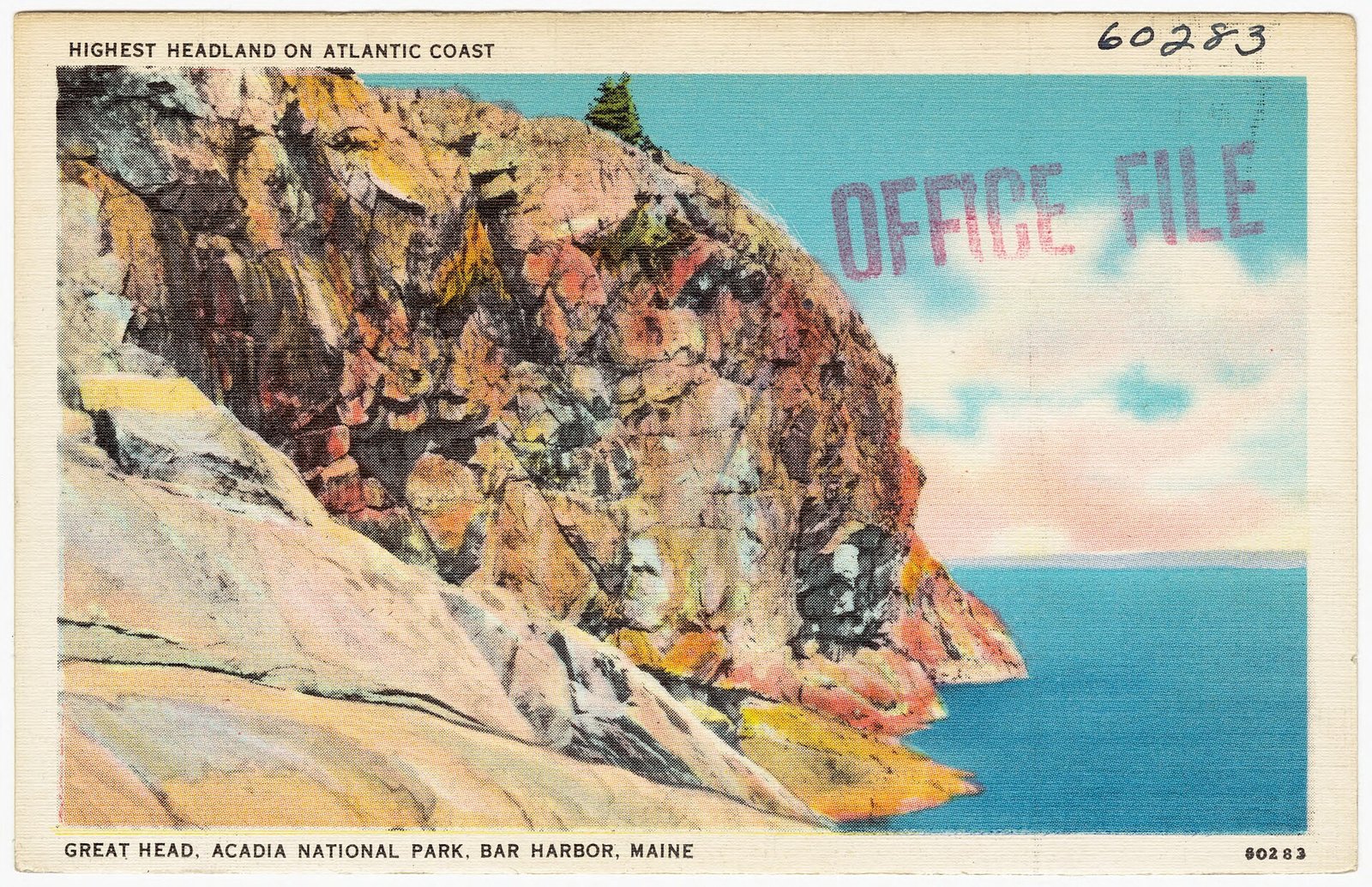
This shoreline corridor delivers granite cliffs, spruce forest, and several iconic coastal viewpoints within one compact sector. Walk part or all of Ocean Path and allow two to four hours, longer with photography. Start early or use the seasonal bus because parking fills quickly. Thunder Hole depends on tide and sea conditions and is never guaranteed to perform. Stay behind barriers and keep children away from wet exposed rock.
Cadillac Mountain
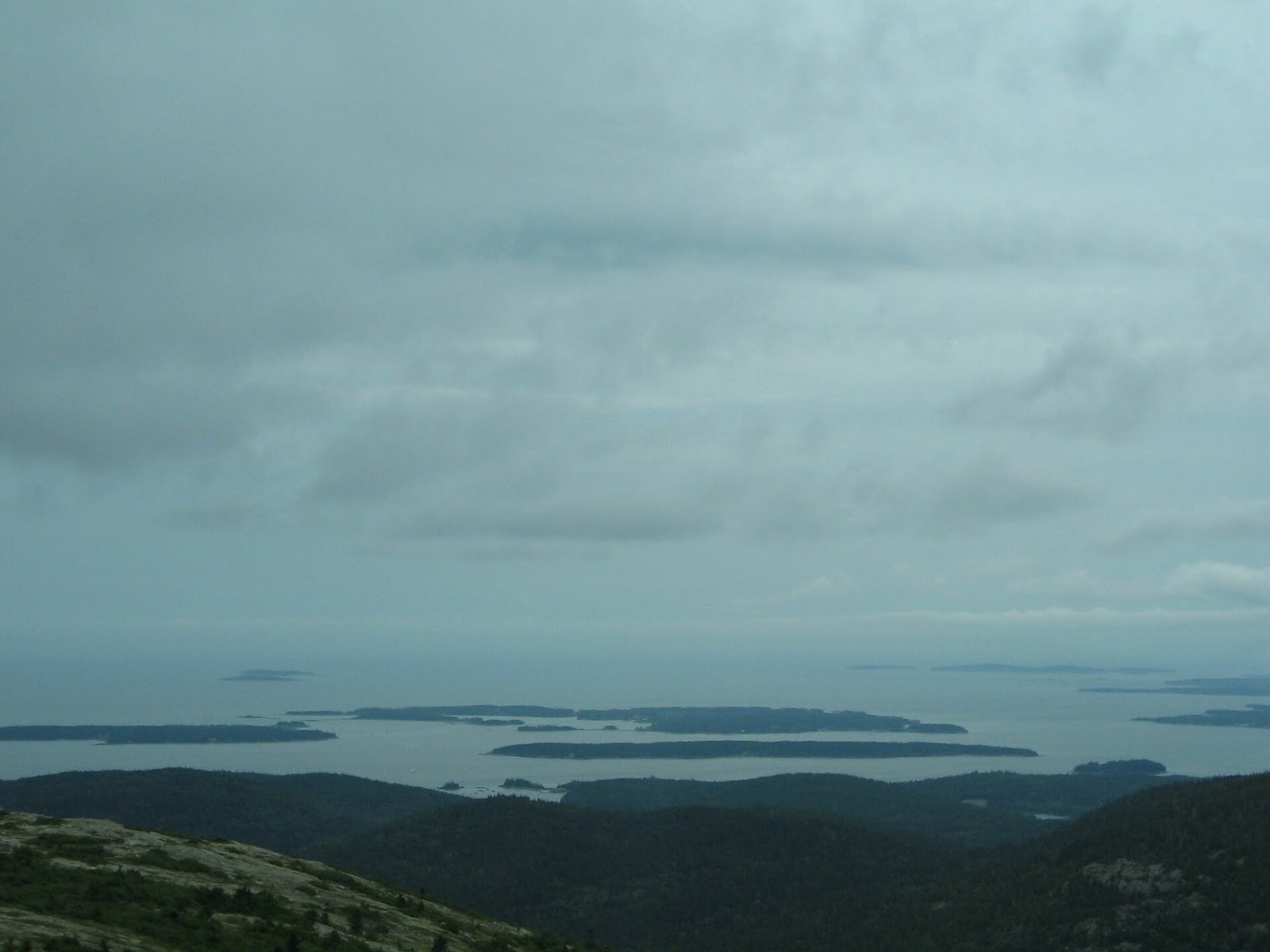
Cadillac provides broad island and ocean views by road or hiking trail. Vehicle access to the summit road requires a separate reservation during the designated season, and the reservation does not replace the park pass. Allow 90 minutes for a drive visit or several hours for a hike. Sunrise is popular but weather can erase the view; dress for wind and darkness and never stop outside permitted areas.
Jordan Pond and the carriage roads
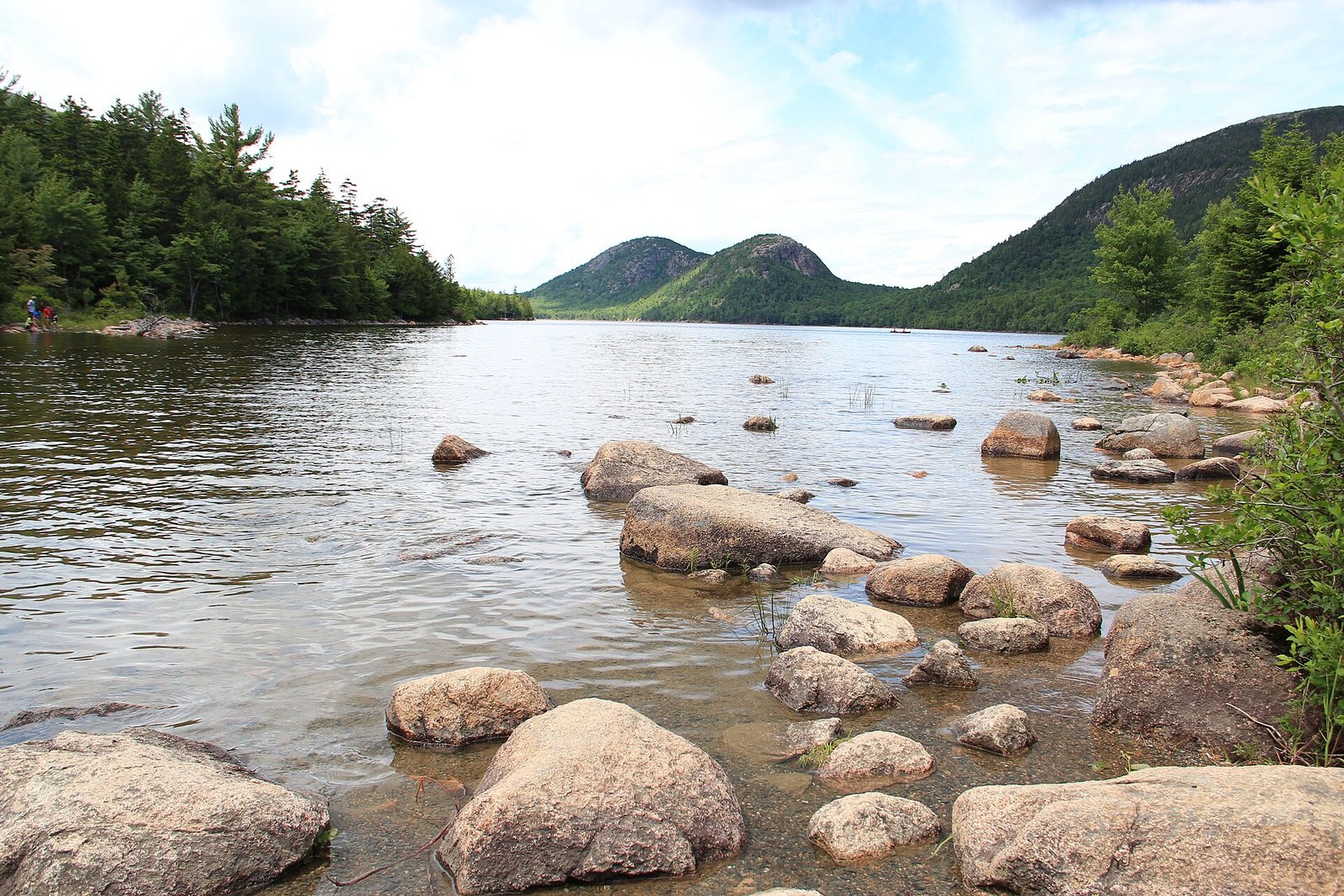
Jordan Pond combines mountain reflections, a shoreline path, and access to the historic carriage-road network. Allow two to four hours for a walk or half a day by bicycle. Parking is constrained, making the Island Explorer especially useful. Restaurant reservations and operating arrangements should be checked directly. The area suits families and cyclists, though roots and uneven shoreline sections require attention.
Beehive, Precipice, or a lower-risk summit trail
Acadia’s iron-rung routes are exciting but exposed and unsuitable for many hikers, wet weather, small children, or anyone uncomfortable with heights. Precipice access can close for nesting peregrine falcons. Choose a trail based on current conditions and ability, not social-media popularity. Allow two to four hours and carry water. Gorham Mountain or other verified routes may offer a more forgiving alternative.
Schoodic Peninsula
Schoodic offers powerful surf, granite headlands, cycling, and a quieter national-park experience on the mainland. Allocate a full day from Bar Harbor because the road journey or seasonal ferry-plus-bus connection takes time. Check transport schedules and pack food when services are limited. It is especially worthwhile for repeat visitors, cyclists, and travelers seeking space away from Mount Desert Island’s busiest corridor.
A PRACTICAL ROUTE
Suggested itinerary
Bar Harbor orientation
Check in, obtain current park information, walk the Shore Path, and identify your nearest shuttle stop. Keep the first evening free for weather and transport adjustments.
Park Loop Road coast
Use an early bus or legal parking for Sand Beach, then follow Ocean Path toward key viewpoints. Add an inland stop only if energy and transport timing allow.
Jordan Pond and carriage roads
Walk the pond or rent a bicycle for a planned carriage-road loop. Reserve any meal and return the bicycle well before closing.
Mountain day
Use a secured Cadillac vehicle reservation or select a suitable hiking route. Match exposure to conditions and keep a lower-elevation alternative ready.
Western island or Schoodic
Choose one quieter sector for coastal walks, villages, or cycling. Do not combine both; finish with enough daylight for the return journey.
REALISTIC BUDGET
Estimated travel costs
A camper or simple-room traveler using the seasonal bus can plan around US$110–190 per person per day. A mid-range visit with a shared hotel room, rental car, restaurant dinner, and occasional tour commonly reaches US$240–450. Foliage weekends and midsummer can cost more. Confirm lodging taxes, park passes, vehicle reservations, parking, equipment, and cancellation policies before comparing totals.
TRAVEL WELL
Practical travel tips
- Buy the correct park entrance pass and, when required, a separate Cadillac Summit Road vehicle reservation.
- Download official maps and shuttle schedules before entering areas with weak mobile reception.
- Carry insulating and waterproof layers even on a warm Bar Harbor morning; coastal fog changes conditions quickly.
- Check for trail closures, peregrine restrictions, storm damage, and icy surfaces on the day of the hike.
- Pack out food and waste, keep distance from wildlife, and inspect for ticks after grass or forest walks.
- Do not stand on wet shoreline ledges for photographs; waves can reach far beyond the apparent edge.
- Reserve campsites and summer lodging early, and never create an informal campsite inside the park.
- Visitors with mobility needs should review official accessibility notes for paths, buses, restrooms, and viewpoints.
COMMON QUESTIONS
Acadia and Bar Harbor travel FAQ
How many days do you need in Acadia National Park?
Four days cover the main coast, one mountain area, and Jordan Pond. Five or six days provide weather flexibility and time for the western island or Schoodic Peninsula.
Do you need a car in Acadia?
Not for every summer day if you stay in Bar Harbor and use Island Explorer buses. A car is useful for airport transfers, early starts, western Mount Desert Island, and Schoodic.
Do you need reservations for Acadia?
A park entrance pass is required, and Cadillac Summit Road vehicles need a separate reservation during the announced season. Campsites and lodging should also be reserved; verify current rules officially.
What is the best month to visit Acadia?
June offers long days and full services before the heaviest summer pressure. September has excellent hiking weather and somewhat lighter crowds, while early October attracts foliage visitors.
Is Acadia suitable for children?
Yes, with carriage roads, shoreline stops, ranger activities, and easier trails. Avoid exposed rung routes unless every participant has the ability, confidence, and suitable conditions.
Can you visit Acadia without hiking?
Yes. Scenic roads, buses, carriage-road outings, accessible viewpoints, boat trips, and Bar Harbor provide a rewarding visit, though current accessibility details should be checked.
KEEP EXPLORING
Related The Wander Muse guides
CHECK BEFORE DEPARTURE
Sources and official resources
Schedules, fares, closures, and timed-entry systems affecting Acadia and Bar Harbor can change. Recheck the official resources below shortly before departure.