START HERE
Why visit Montréal
Montréal combines a French-speaking cultural identity with North American scale, layered architecture, neighborhood food, major festivals, and generous public space. Old Montréal provides the postcard views, but Plateau streets, Mile End cafés, markets, museums, and Mount Royal make the city worth a longer stay. It suits couples, solo travelers, food lovers, design enthusiasts, and first-time visitors to Québec who want an urban trip that feels distinct from other Canadian cities. Three days cover the essentials; four or five give room for neighborhoods, weather changes, and a slower evening culture. This guide explains seasonal extremes, airport transport, Metro use, accommodation areas, costs, language etiquette, reservations, and an efficient itinerary. The most important preparation is seasonal: humid summer festivals and serious winter cold create almost opposite trips, so choose footwear, daily pacing, and accommodation location for the actual month.
AT A GLANCE
Montréal quick travel summary
Montréal budgets below are planning ranges, not quotes. For Montréal, exchange rates, taxes, seasonal demand, event dates, and operator terms can change the final amount, so confirm current details before booking.
WHEN TO GO
Best time to visit
Spring (March–May)
March can still be snowy, and thaw season brings wet sidewalks and variable temperatures. May becomes greener and far more comfortable for walking. Crowds and prices are usually moderate outside holiday and event dates. Waterproof footwear is essential early in the season. Markets, museums, and café routes work well while parks recover from winter.
Summer (June–August)
Warm to hot weather, long evenings, festivals, terraces, and cycling make summer highly attractive. Popular weekends bring large crowds and expensive central rooms. Reserve festival tickets and accommodation, carry water, and expect humidity and thunderstorms. Street closures can improve the pedestrian experience while changing bus and taxi routes.
Fall (September–November)
September and early October often deliver crisp walking weather, active cultural programming, and fall color on Mount Royal. Prices can remain high around events, then fall as the weather cools. Later autumn is colder and darker, with increasing rain or early snow. This is an excellent period for food markets, parks, and architecture.
Winter (December–February)
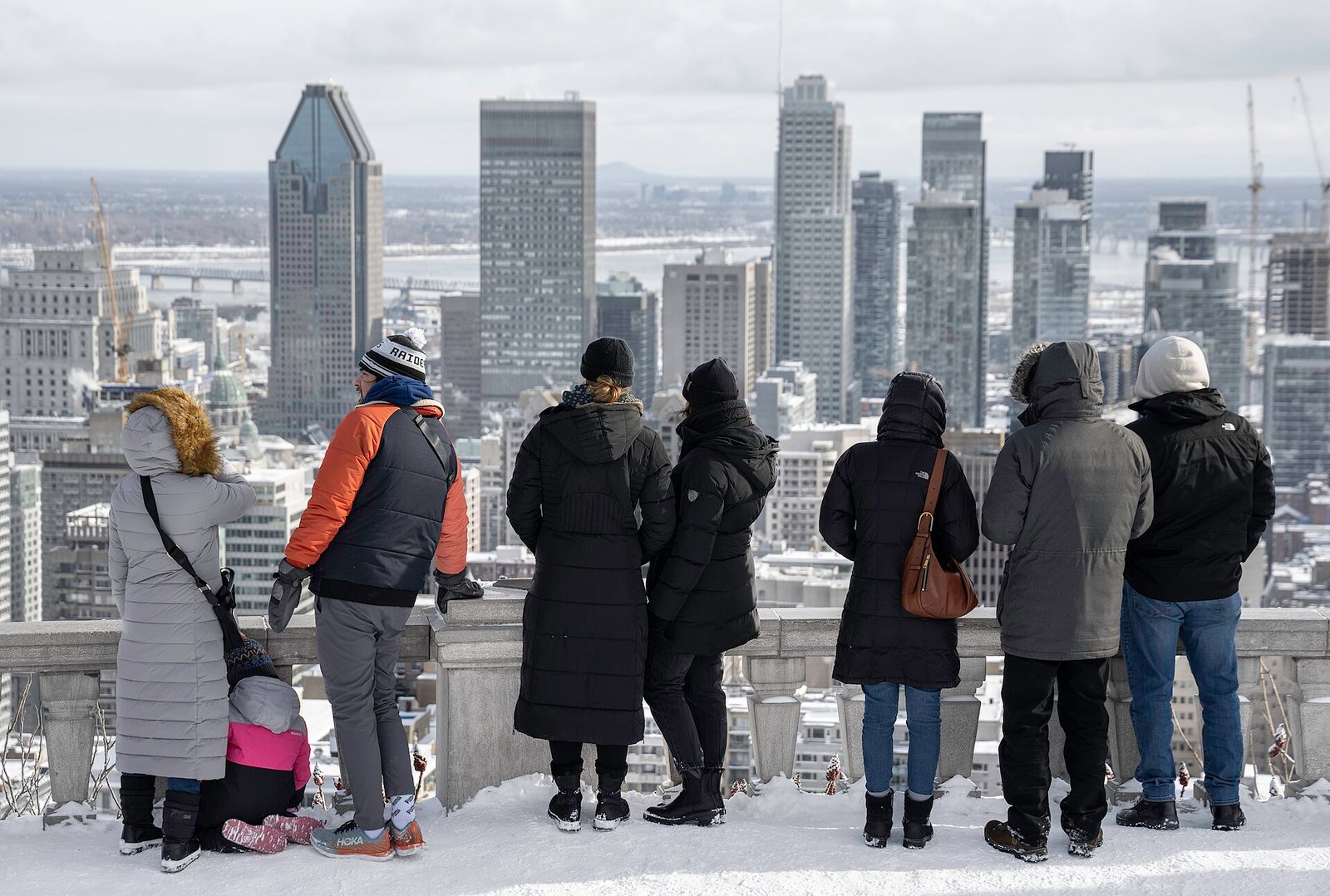
Montréal winter is cold, snowy, and icy, with wind chill requiring serious clothing. The city remains active through festivals, skating, food, museums, and the underground pedestrian network. Rates can be favorable outside holidays, but storms affect flights and walking. Wear insulated waterproof boots and plan shorter outdoor segments between warm stops.
ARRIVING
How to get there
Montréal–Trudeau International Airport is the main air gateway. The 747 airport bus connects YUL with the city and integrates with the transit fare system, but routes, downtown stops, and ticket rules should be checked through the STM before travel. Taxis have regulated arrangements from the airport, while verified ride apps may use designated pickup areas. VIA Rail and intercity trains arrive at Central Station, convenient for downtown and Metro connections; buses use separate terminals. From Toronto, compare rail journey time with the full airport process. A rental car is unnecessary for the central itinerary and difficult to park during snow removal or festivals. Buy tickets through official operators and keep winter disruption buffer before flights or onward trains.
MOVING AROUND
Getting around
The STM Metro is fast and easy for central districts, with buses filling gaps to parks, markets, and neighborhoods. Current day and multi-day fares can be useful, especially when an airport bus is included under specific conditions; verify the rules before purchase. Walking is rewarding in Old Montréal, Plateau, and Mile End, but hills, cobbles, snow, and ice affect accessibility. BIXI bikes are practical in the warmer season for confident riders. Taxis and ride apps cover late returns, while construction and festival closures can alter pickup points. A car is unnecessary unless leaving the city. Travelers needing step-free access must check individual Metro stations because the network is not uniformly accessible.
CHOOSE A BASE
Where to stay
Old Montréal — best for first-time atmosphere
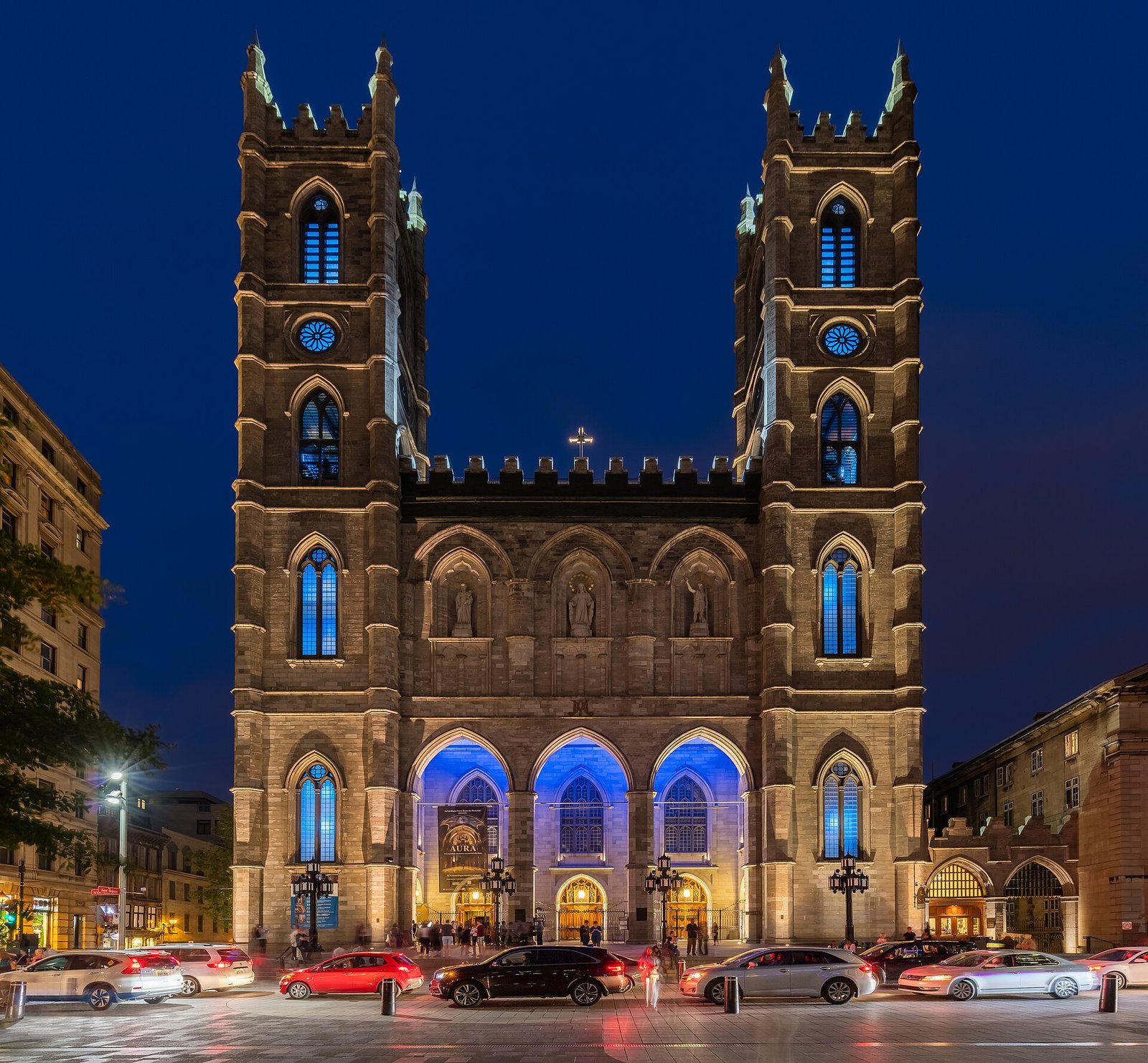
Historic architecture, the riverfront, Notre-Dame Basilica, and many restaurants are close together. It suits short stays and travelers prioritizing early photographs. Rooms can be expensive, cobbled streets are awkward with luggage, and the district feels tourist-heavy at midday. Metro access varies by exact property.
Downtown — best for transport and winter convenience
Downtown provides Metro connections, museums, shopping, Central Station, and access to parts of the underground city. It is practical for first visits, business travel, and severe-weather months. The area is busy and less intimate than Plateau streets, while rates rise around festivals and events.
Plateau Mont-Royal or Mile End — best for food and neighborhood life
These districts offer bakeries, cafés, music, murals, parks, and residential streets. They suit couples, solo travelers, and repeat visitors. Some accommodation is farther from the Metro, stairs are common in older buildings, and late-night noise varies. Confirm legal lodging status and the exact winter walk to transit.
PLAN YOUR DAYS
Best things to do
Old Montréal and Notre-Dame Basilica
The historic core combines Place d’Armes, stone buildings, museums, and the riverfront in a compact route. Allow half a day, starting early before tour groups. Basilica access uses official tickets and scheduled experiences that can sell out; worship and special events affect visitor access. Dress and behave respectfully, and avoid blocking services for photographs.
Mount Royal
The city’s central hill provides forest paths, lookouts, and a sense of Montréal’s geography. A round trip on foot takes two to three hours depending on route and conditions. Morning or late afternoon is best, but winter ice requires traction and daylight planning. Public park access is free. Use buses or a gentler route if stairs and slopes are unsuitable.
Jean-Talon Market and Little Italy
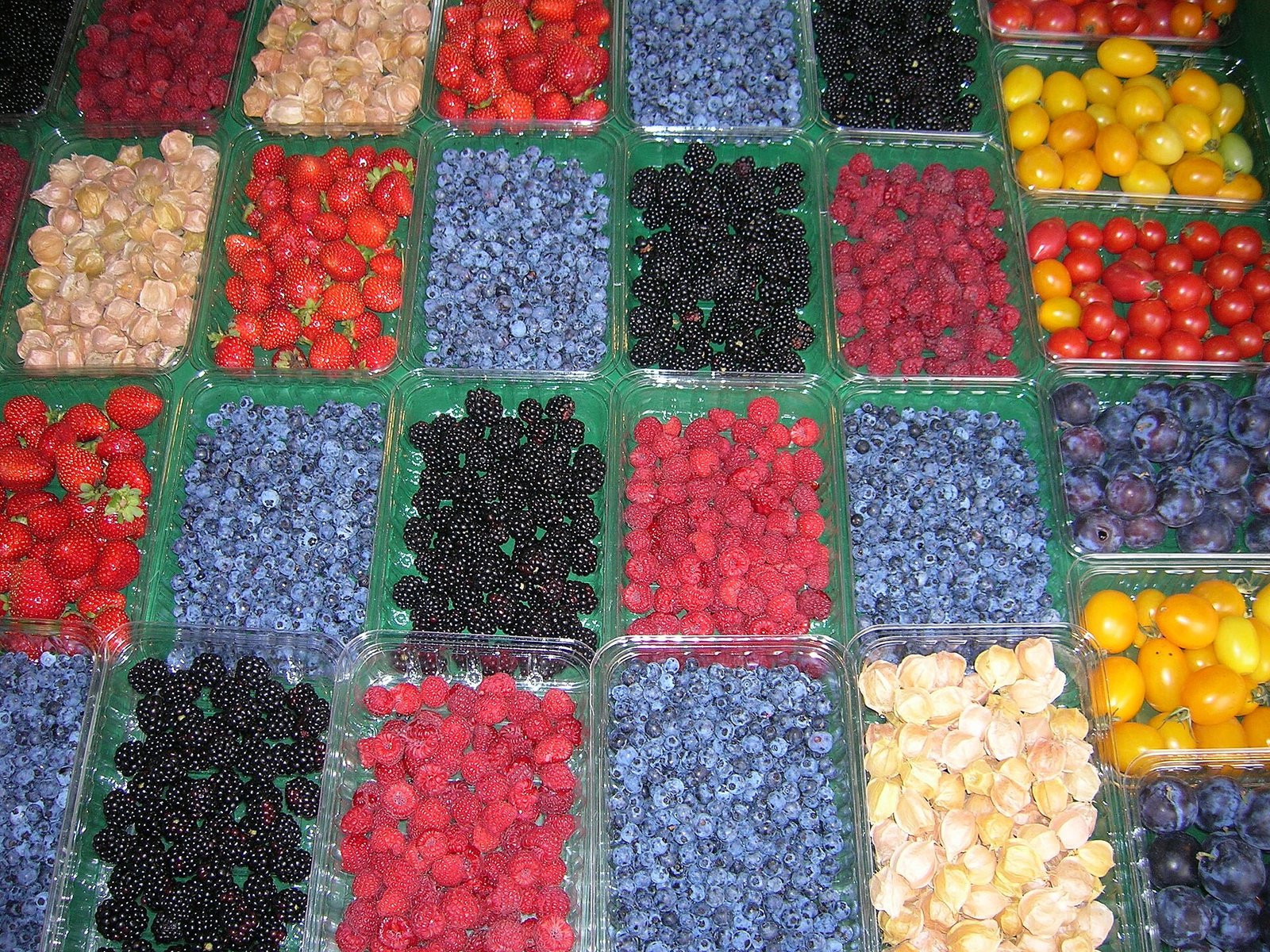
Produce, Québec specialties, prepared food, and surrounding businesses make a rewarding half day. Visit earlier when the market is fully active, and check seasonal or holiday hours. Entry is free. Ask before photographing vendors closely, sample with intention, and continue into nearby streets rather than treating the market as a single meal stop.
Museum and design time
The Montréal Museum of Fine Arts, Pointe-à-Callière, Musée d’art contemporain programming, and Canadian Centre for Architecture serve different interests. Choose one major institution for two to four hours and confirm temporary locations or timed exhibitions. Museums are especially useful during winter cold or summer storms.
Plateau and Mile End
Murals, staircases, independent shops, music history, bagel bakeries, and parks reward an unhurried walk. Allow three to four hours and group stops by block rather than following a viral food list across the city. Residential privacy matters. A qualified food or mural guide can add context, but independent exploration remains easy.
A PRACTICAL ROUTE
Suggested itinerary
Old Montréal
Start at Place d’Armes, use a reserved basilica entry, explore selected historic streets, and continue to the riverfront. Stay in the area for dinner to avoid an unnecessary cross-city trip.
Downtown and Mount Royal
Visit a downtown museum in the morning, walk or take transit toward Mount Royal in suitable weather, and finish around the Golden Square Mile or Plateau edge.
Jean-Talon and Mile End
Begin at Jean-Talon Market, continue through Little Italy, and spend the afternoon in Mile End and Plateau. Select food stops in advance but leave room for queues and discovery.
Québec history and neighborhoods
Choose Pointe-à-Callière or another focused museum, then explore the Lachine Canal, Atwater Market, or a neighborhood reached on the same transit corridor.
Flexible culture day
Use this day for a festival event, deeper museum, winter weather backup, or a day trip only if transport is genuinely efficient. Do not compress Québec City into a casual short return journey.
REALISTIC BUDGET
Estimated travel costs
USD equivalents for Montréal are rounded planning comparisons where shown. For Montréal, check local tax, gratuity, accommodation fees, and cancellation terms before payment.
TRAVEL WELL
Practical travel tips
- Begin interactions with “Bonjour.” Even when the conversation moves to English, the greeting shows respect for Québec’s French-language culture.
- Winter requires real preparation: insulated waterproof boots, gloves, a warm coat, and traction-aware walking routes are not optional extras.
- Restaurant bills may suggest gratuity after tax; review the calculation and check whether service is already included for a group.
- Cards are widely accepted. Keep a small cash backup and choose Canadian dollars rather than home-currency conversion at terminals.
- Construction and summer festivals frequently close streets. Check STM alerts and venue instructions instead of relying on a saved route.
- Many classic food businesses have queues and changing hours. Build a neighborhood plan that remains worthwhile if one famous stop is closed.
- The Metro is not fully step-free. Travelers with mobility needs should plan around stations with elevators and confirm accessible bus alternatives.
- Solo female travelers generally find central Montréal manageable, but should use active streets late at night, prepare for winter isolation, and use verified transport when needed.
COMMON QUESTIONS
Montréal travel FAQ
How many days do you need in Montréal?
Three days cover Old Montréal, downtown, and one neighborhood route. Four or five days allow Mount Royal, markets, museums, and festival or weather flexibility.
Do you need to speak French in Montréal?
Visitors can usually manage in English in tourist areas, but French is the official language. Starting with “Bonjour” and learning a few basic phrases is courteous and useful.
Is Montréal expensive?
It can be more affordable than some large North American cities, but summer festivals and central hotels increase costs. Transit passes, markets, parks, and neighborhood dining help.
Do you need a car in Montréal?
No for a city visit. Metro, buses, walking, bikes, taxis, and trains are more practical. Parking, construction, snow rules, and festivals make driving inconvenient.
What is the best month to visit Montréal?
June and September offer active cultural calendars and comfortable outdoor time. September often has fewer peak-summer crowds, while winter appeals to prepared cold-weather travelers.
Is Montréal safe for solo female travelers?
Many women visit independently. Use ordinary city precautions, check late-night routes, dress properly for winter, and follow current local advisories.
KEEP EXPLORING
Related The Wander Muse guides
CHECK BEFORE DEPARTURE
Sources and official resources
Schedules, fares, closures, and timed-entry systems affecting Montréal can change. Recheck the official resources below shortly before departure.