START HERE
Why visit Lima
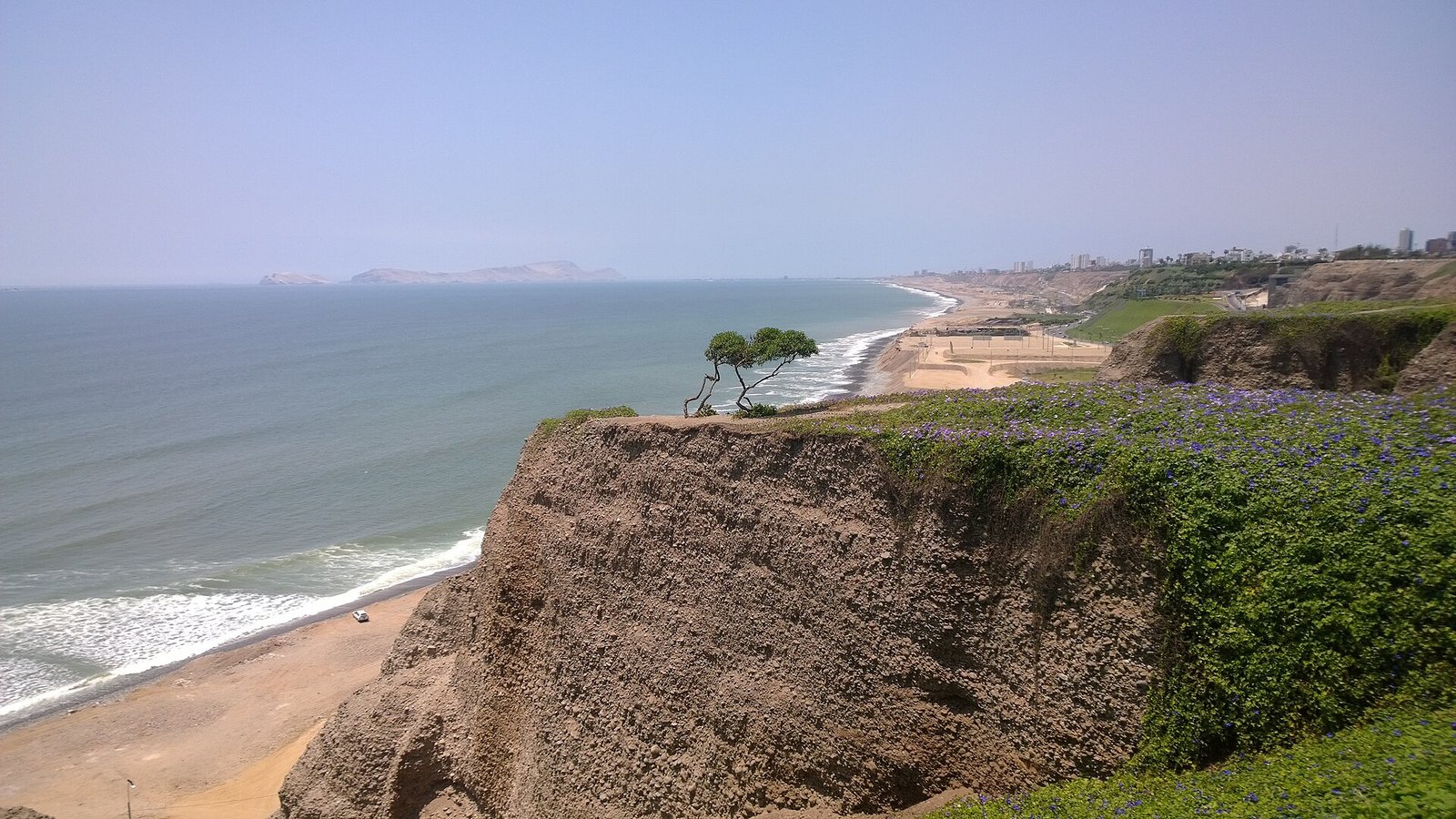
Lima is more than a gateway to the Andes: it is a vast Pacific capital where pre-Columbian sites, colonial streets, cliff-top parks, contemporary art, and one of Latin America’s most influential food cultures coexist. It works especially well for food-focused travelers, museum visitors, surfers, couples, and anyone building a Peru itinerary through the international airport. Four days allow the historic center, Miraflores, Barranco, one archaeological focus, and meals planned with enough breathing room. This guide explains the city’s unusual coastal seasons, safe airport transfers, practical bases, realistic costs, and an efficient itinerary. The central planning challenge is scale. Traffic can turn a short-looking transfer into a long journey, and the most rewarding districts are not all adjacent. Group each day geographically, reserve only high-priority restaurants or sites, and avoid scheduling a valuable tour immediately after an international arrival.
AT A GLANCE
Lima quick travel summary
Restaurant, transport, and attraction prices can change, while exchange rates affect USD comparisons. Use the sol ranges for planning and confirm airport pickup, service charges, tax, and cancellation conditions.
WHEN TO GO
Best time to visit
Summer (December–March)
Lima’s summer is warm, humid, and much sunnier than the rest of the year. Beaches, terraces, and coastal parks are lively, with higher demand around Christmas, New Year, and local holidays. Midday sun can be strong despite the marine climate. Reserve notable restaurants and ocean-view rooms early, use sun protection, and expect weekend traffic toward southern beaches.
Fall (April–May)
April often retains warmth before cloud and cooler evenings become more persistent. Crowds and prices usually settle after the summer holiday period. This transition is excellent for food, museums, archaeology, and longer urban walks. Carry a light layer and do not interpret a gray forecast as rain; measurable rainfall is limited, but mist and damp air are common.
Winter (June–September)
Winter is cool, overcast, and humid, with frequent garúa mist and little direct sun. Temperatures are moderate but feel colder near the cliffs and inside unheated buildings. Visitor numbers depend more on wider Peru travel patterns than beach weather. Pack layers, use museums and culinary experiences, and avoid expecting clear Pacific sunsets every day. Surfing continues with suitable conditions and instruction.
Spring (October–November)
Cloud often persists in October, while brighter and warmer periods become more frequent toward November. Prices are generally manageable outside events, and walking conditions are comfortable. It is a useful shoulder season for combining Lima with the Andes. Bring both a light jacket and sun protection, and keep outdoor photography flexible because the marine layer can lift unpredictably.
ARRIVING
How to get there
Jorge Chávez International Airport serves Lima and Callao. Use only transport listed or authorized through official airport information: approved taxi counters, current official bus services, or a pre-arranged transfer from a reputable hotel. The airport publishes information for Airport Express Lima and AeroDirecto services, but routes, stops, operating details, and the terminal setup should be checked for the exact arrival date. Travel to Miraflores or Barranco can take well over an hour in heavy traffic, so never schedule a restaurant reservation or domestic connection based on a best-case estimate. App-based rides may have designated pickup arrangements that change. The easiest first arrival is a confirmed official taxi or hotel transfer; a bus can be less expensive for travelers whose luggage and stop align. Keep booking details offline, ignore unsolicited drivers, and verify the vehicle before entering.
MOVING AROUND
Getting around
Lima’s districts are spread across a large metropolitan area. The Metropolitano bus corridor can bypass some road congestion and links useful zones, but station access, payment, crowding, and the final walk need planning. Other buses are extensive yet harder for new visitors to interpret. Within Miraflores, Barranco, and parts of the historic center, walking is effective during the day; moving between them usually requires transit or a ride. Use official taxis, hotel-arranged cars, or recognized apps, confirming the plate and pickup point. Cycling works on selected coastal and protected routes for confident riders. Renting a car is rarely worthwhile because traffic, navigation, and parking add stress. Group the center separately from coastal districts and allow a buffer around every cross-city journey.
CHOOSE A BASE
Where to stay
Miraflores — best for first-time visitors and convenience
Miraflores offers the broadest mix of hotels, restaurants, shops, coastal parks, visitor services, and organized pickups. It suits first-time travelers, families, and short stopovers. The district is polished rather than representative of the whole city, traffic is constant, and ocean-view rooms can be expensive. Choose a base near the part of the district you will actually use instead of assuming every address is walkable to the cliffs.
Barranco — best for art, nightlife, and couples
Barranco combines historic villas, galleries, small museums, bars, music, and restaurants with a distinctive evening atmosphere. It suits couples, solo travelers, and repeat visitors who value character. Weekend noise and steep or uneven streets can affect some rooms, and airport journeys remain long. Check whether accommodation is near late-night venues and use a ride after dark when streets become quiet.
San Isidro — best for quieter comfort and business access
San Isidro offers parks, refined hotels, restaurants, business services, and access to the Huaca Huallamarca area. It works for business extensions, travelers seeking calm, and visitors splitting time between Miraflores and central Lima. The main tourist sights are not clustered at the door, and the district can feel subdued at night. Confirm transport rather than relying on long walks across major roads.
PLAN YOUR DAYS
Best things to do
Historic Center and Plaza Mayor
The central streets, cathedral area, convents, balconies, and museums introduce colonial Lima and its complicated history. Allow half a day, beginning in daylight and checking official opening information for any interior. Guided interpretation adds context beyond façades. Demonstrations, closures, or traffic can alter access, so monitor local advice. Keep valuables unobtrusive and use a planned ride or bus route rather than wandering into unfamiliar streets.
Museo Larco
Museo Larco’s pre-Columbian collection and clear thematic displays make it one of the best introductions to Peru before traveling onward. Allow two to three hours and verify current tickets and hours. The museum lies outside Miraflores, so combine it with a planned ride or another nearby stop rather than improvising the transfer. It suits first-time visitors, families with older children, and travelers needing strong archaeological context.
Huaca Pucllana or another official archaeological site
This adobe ceremonial complex demonstrates that ancient history sits within modern neighborhoods. A guided circuit usually requires one to two hours, with timing and language options set by the site. Reserve if current rules require it and use sun protection for daytime visits. Archaeology enthusiasts can compare it with Pachacamac on a separate longer excursion, but should not squeeze both into one crowded city day.
Barranco galleries and coastal character
Spend half a day walking a focused route through Barranco’s cultural venues, historic streets, viewpoints, and independent businesses. Afternoon into early evening gives access to galleries and dinner, while weekends are busier. Do not reduce the district to the Bridge of Sighs photograph. Check museum hours, respect residential properties, and arrange the return if nightlife extends beyond active street hours.
Lima’s food scene
A meal can be a central attraction, but it should represent personal interests and budget rather than rankings alone. Reserve internationally known tasting menus far ahead, or explore cevicherías, chifas, nikkei cooking, markets, bakeries, and regional Peruvian dishes through reputable establishments. Allow two hours for a major meal and avoid ceviche from poorly handled displays. Tell restaurants about allergies in clear Spanish when possible.
A PRACTICAL ROUTE
Suggested itinerary
Miraflores orientation
Recover from arrival, walk a manageable section of the coastal parks, and eat close to the hotel. Avoid a cross-city reservation after an international flight.
Historic Lima and Museo Larco
Visit the center early with a planned route or guide, eat nearby, then transfer to Museo Larco. Return before late traffic if possible.
Archaeology and Miraflores
Use a reserved Huaca Pucllana visit as the day’s anchor, add parks or a food experience nearby, and keep dinner in the same district.
Barranco
Start with a museum or gallery after opening, explore the district slowly, and remain for an early dinner. Arrange safe transport back to the hotel.
REALISTIC BUDGET
Estimated travel costs
A budget traveler sharing simple lodging and eating at local establishments can plan around S/150–260 per person per day. A mid-range stay with a shared hotel, official rides, paid museums, and one strong restaurant meal commonly reaches S/360–700. Tasting menus and private transfers can exceed this range. Compare service charges, airport surcharges, taxes, deposits, and whether a quoted tour price is in soles or dollars. Treat Lima’s dollar figures as orientation. They convert Peruvian sol (PEN) at August 1, 2026 reference rates for Lima, before later market movement or payment fees.
TRAVEL WELL
Practical travel tips
- Use only airport-authorized transport or a verified pre-arranged pickup, and confirm the vehicle before leaving the terminal.
- Build cross-city plans around traffic buffers; a map distance does not predict arrival time in Lima.
- Carry a light jacket near the coast in winter because humidity and wind feel colder than the temperature suggests.
- Keep phones and cameras controlled near roads and in crowded areas rather than displaying them between uses.
- Cards are common in established businesses, but carry small soles for markets, tips, and minor purchases.
- Reserve celebrated restaurants early, then choose backup meals by neighborhood to avoid unnecessary rides.
- Drink bottled or properly treated water and select food businesses with good hygiene and turnover.
- Solo travelers should use well-reviewed accommodation, verified rides after dark, and current local advice.
COMMON QUESTIONS
Lima travel FAQ
How many days do you need in Lima?
Three days cover the historic center, Miraflores, Barranco, and one major museum. Four or five days allow archaeology, food experiences, and traffic flexibility.
Is Lima worth visiting?
Yes, especially for food, archaeology, museums, and Pacific coastal culture. Travelers who treat it only as an airport connection miss important context for the rest of Peru.
What is the best month to visit Lima?
January through March offers the sunniest coastal weather. April and November can balance comfortable temperatures with somewhat lower holiday pressure.
Is Lima expensive?
Lima supports many budgets. Simple meals and rooms can be good value, while internationally known restaurants, coastal hotels, and private transport raise costs significantly.
Is Lima safe for solo travelers?
Many solo travelers stay successfully in Miraflores, Barranco, or San Isidro. Use verified transport, keep valuables discreet, avoid isolated night routes, and follow current local guidance.
How do you get from Lima airport to Miraflores?
Use an official airport taxi, a confirmed hotel transfer, or a current official bus service whose stop suits the hotel. Allow a large traffic buffer and verify arrangements before arrival.
KEEP EXPLORING
Related The Wander Muse guides
CHECK BEFORE DEPARTURE
Sources and official resources
Schedules, fares, closures, and timed-entry systems affecting Lima can change. Recheck the official resources below shortly before departure.