START HERE
Why visit Salvador da Bahia
Salvador’s Afro-Brazilian history, Candomblé heritage, capoeira, Bahian food, colonial hilltop, music, and Atlantic beaches create one of Brazil’s richest cultural city trips. It suits afro-brazilian culture, music, food, architecture, beaches, couples, solo travel, and festivals and works best when Pelourinho and Museu Afro-Brasileiro and cultural museums stay on separate compact days. A first visit works best when Pelourinho, Museu Afro-Brasileiro and cultural museums, and Barra waterfront are arranged around realistic transport and weather windows. Barra is best for first-time beach convenience, Rio Vermelho suits food and nightlife, and Pelourinho provides historic atmosphere with more careful street selection. Salvador da Bahia planning connects Salvador Bahia International Airport (SSA), metro, Barra, and Pelourinho with the six-row Brazilian real (BRL) budget and 4–6 days route below. Before booking Salvador da Bahia, use the linked authorities to verify opening days, metro, and any timed entry for Pelourinho.
AT A GLANCE
Salvador da Bahia quick travel summary
Salvador da Bahia prices are planning ranges rather than quotes. Ask for the complete Salvador da Bahia price in writing, including taxes, payment fees, booking terms, and any connection from Salvador Bahia International Airport (SSA).
WHEN TO GO
Best time to visit
Dry season (December–April)
Across Salvador da Bahia, expect lower humidity, brighter days, and generally calmer travel conditions; conditions near Pelourinho can vary. For Salvador da Bahia, crowds and prices are at their highest during peak international demand. This period creates better conditions for Pelourinho in Salvador da Bahia; the main drawback is that visitors in Salvador da Bahia should book popular rooms, boats, and guides well ahead. Carnival, religious festivals, tropical rain, heat, event closures, and block-by-block security conditions affect movement. Recheck Salvador da Bahia weather and the operating status of Pelourinho shortly before any weather-sensitive or reservation-dependent day.
Early shoulder season (May–June)
Across Salvador da Bahia, expect warmer humidity with a mix of sunshine and short showers; conditions near Museu Afro-Brasileiro and cultural museums can vary. For Salvador da Bahia, crowds and prices are generally lower, with occasional accommodation value. For Salvador da Bahia, this window favors Museu Afro-Brasileiro and cultural museums. Schedule it only after accounting for the fact that in Salvador da Bahia, heat and rain make rigid schedules uncomfortable. Carnival, religious festivals, tropical rain, heat, event closures, and block-by-block security conditions affect movement. Recheck Salvador da Bahia weather and the operating status of Pelourinho shortly before any weather-sensitive or reservation-dependent day.
Wet or storm season (July–October)
Across Salvador da Bahia, expect heavier rain risk and possible tropical systems; conditions near Barra waterfront can vary. Crowds and prices are generally lower outside local holidays. Barra waterfront is the most practical Salvador da Bahia focus during this period. The limitation is that visitors in Salvador da Bahia should use refundable terms and monitor official forecasts. Carnival, religious festivals, tropical rain, heat, event closures, and block-by-block security conditions affect movement. Recheck Salvador da Bahia weather and the operating status of Pelourinho shortly before any weather-sensitive or reservation-dependent day.
Transition month (November)
Across Salvador da Bahia, expect improving weather but lingering rain or rough-water days; conditions near Rio Vermelho food and music can vary. Demand and prices are rising toward the festive season. This period creates better conditions for Rio Vermelho food and music in Salvador da Bahia; the main drawback is that visitors in Salvador da Bahia should confirm marine, road, and attraction operations locally. Carnival, religious festivals, tropical rain, heat, event closures, and block-by-block security conditions affect movement. Recheck Salvador da Bahia weather and the operating status of Pelourinho shortly before any weather-sensitive or reservation-dependent day.
ARRIVING
How to get there
SSA connects with the Metro network and authorized road transport, but the best route depends on the hotel district and luggage. A verified app ride or official taxi is easiest for a late arrival in Barra, Rio Vermelho, or Pelourinho. Long-distance buses use the rodoviária, linked to Metro and road services. Confirm the correct terminal, hotel entrance, and fare before departure. A rental car is unnecessary for the city and creates parking and security problems; use established transport for regional beach extensions.
MOVING AROUND
Getting around
Metro and buses cover major corridors, while app rides and authorized taxis are practical between Barra, Rio Vermelho, Pelourinho, and museums. Historic Salvador is steep, with cobbles, stairs, and elevators that may close for maintenance. Walk only along active, recommended routes, particularly around the historic center, and keep phones out of sight when not needed. Ferries serve specific bay routes on published schedules. Group days by district so repeated cross-city rides do not consume the itinerary. For a 4–6 days visit, group Pelourinho with Museu Afro-Brasileiro and cultural museums, then protect Barra waterfront for the strongest weather or access window. Pelourinho and Museu Afro-Brasileiro and cultural museums belong on separate compact Salvador da Bahia stages; that leaves room for a delayed metro connection. Accessible Salvador da Bahia planning needs four checks: metro boarding, surfaces, restrooms, and the final approach to Pelourinho.
CHOOSE A BASE
Where to stay
Barra — best for first-time visitors and beach access
A walkable waterfront, lighthouse, restaurants, and straightforward rides create the easiest all-round base. Festival and weekend noise can be high and rooms command premiums.
Rio Vermelho — best for food and nightlife
Bahian restaurants, music, and a local evening rhythm suit couples and repeat visitors. Late-night activity requires verified transport and beach swimming is not the main reason to stay.
Pelourinho or Santo Antônio — best for history and atmosphere
Colonial streets, music, churches, and cultural venues are immediately accessible. Street choice matters, hills are tiring, and nighttime walking should follow hotel advice.
PLAN YOUR DAYS
Best things to do
Pelourinho
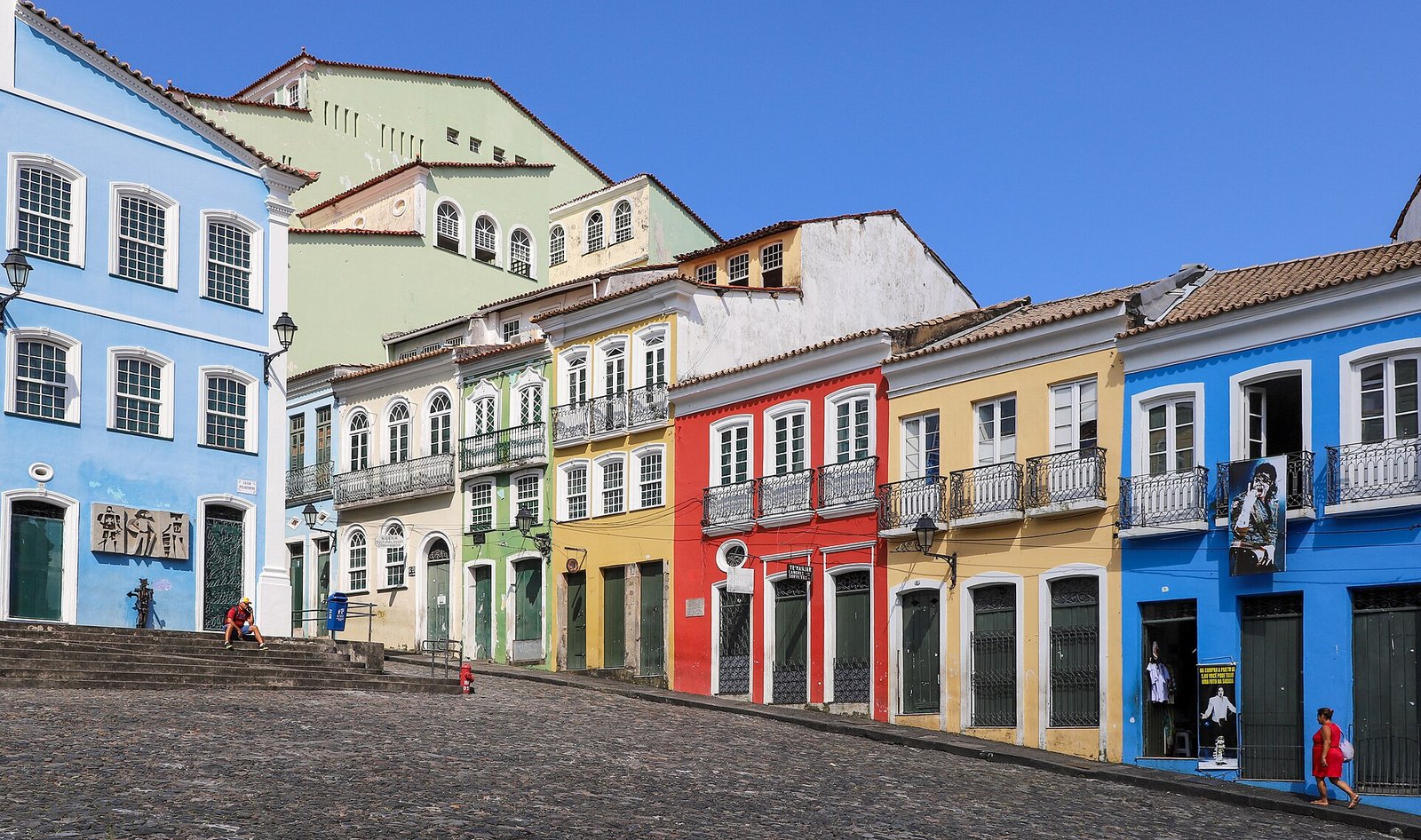
Colorful colonial streets, churches, music, and public squares form the historic core of Salvador’s cultural story. Allow Half to full day. Visit with a guide in daylight and check event or church hours. Guided walks and major interiors may need booking. Public streets are free; interiors vary. Keep valuables discreet and follow current recommended routes. It is best suited to first-time, history, and culture travelers; time-limited visitors should add Pelourinho only when it fits the same area and current conditions.
Museu Afro-Brasileiro and cultural museums
Collections connect African, Indigenous, religious, and Brazilian histories essential to understanding Bahia. Allow 2–4 hours. Check closure days and current location details. Special exhibitions may require entry booking. Paid admission policies vary. Give exhibits time instead of treating them as a brief photo stop. It is best suited to history and diaspora travelers; On a short Salvador da Bahia visit, Museu Afro-Brasileiro and cultural museums should not force a cross-destination transfer.
Barra waterfront
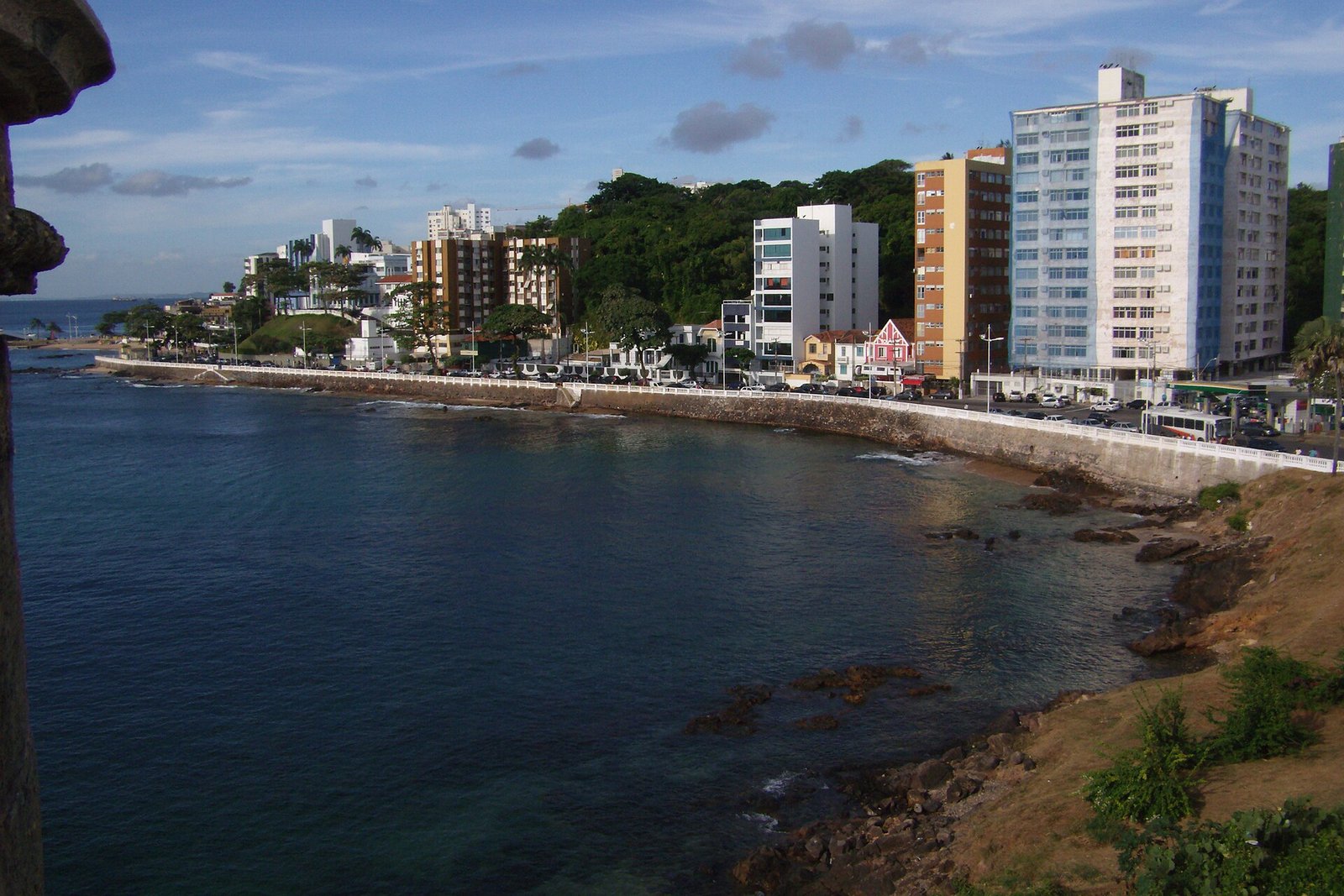
The lighthouse, bay beach, and sunset promenade provide a practical open-air contrast to steep historic streets. Allow 3–5 hours. Use late afternoon and check swimming conditions. No reservation is needed for public waterfronts. Walking is free; lighthouse entry varies. Use active sections and protect valuables on the sand. It is best suited to families, couples, and recovery days; on a short stay, keep Barra waterfront only when access and geography suit that day.
Rio Vermelho food and music
Acarajé, seafood, established music venues, and neighborhood nightlife reveal living Bahian culture. Allow 3–5 hours. Arrive for dinner and use a verified ride home. Reserve priority venues on weekends. Food and performance costs vary. Respect religious context and avoid intrusive photography. It is best suited to food and music travelers; visitors with little time should retain Rio Vermelho food and music only if it stays near another priority.
Responsible Candomblé or capoeira context
A trusted cultural program can provide understanding without turning sacred practice into spectacle. Allow 2–4 hours. Arrange through a respected institution or guide. Advance coordination is essential. Donations, performance, or guiding fees vary. Never photograph a ceremony without explicit permission. It is best suited to respectful culture-focused travelers; time-limited visitors should add Responsible Candomblé or capoeira context only when it fits the same area and current conditions.
A PRACTICAL ROUTE
Suggested itinerary
Barra orientation
Use verified airport transport, walk the waterfront in daylight, and keep the first dinner near the hotel.
Pelourinho
Take a trusted guided route, visit one major museum or church, and leave the historic center by a recommended evening transfer.
Afro-Brazilian culture
Choose museums, an institution-led capoeira program, or respectfully arranged cultural context without overloading the day.
Rio Vermelho
Keep the morning slow, then build a food and music evening with a reserved ride home.
Beach or festival buffer
Use Barra or a vetted regional beach in safe conditions, or retain the day for official festival programming.
REALISTIC BUDGET
Estimated travel costs
Salvador da Bahia costs move most with September–March, with official festival dates checked separately, booking timing, taxes, and the exact position of a room in Barra. Salvador da Bahia’s dollar figures use August 1, 2026 reference rates; recalculate them before payment.
TRAVEL WELL
Practical travel tips
- Use verified airport and nighttime rides and confirm the plate before entering.
- Keep phones and jewelry discreet and follow current hotel or official advice on street routes.
- Visit Pelourinho with cultural context in daylight rather than wandering empty side streets late.
- Ask explicit permission before photographing Candomblé, capoeira, worship, or people.
- Carry reais for small food vendors and check the card-terminal amount and currency.
- Use heat, sun, and mosquito protection and verify beach swimming conditions.
- Reserve Carnival and festival rooms, flights, tickets, and guides far ahead.
- Solo women should base in active areas, use known rides after dark, and avoid isolated beaches or streets.
COMMON QUESTIONS
Salvador da Bahia travel FAQ
How many days do you need in Salvador da Bahia?
4–6 days is a practical first-visit range for Salvador da Bahia. If 4–6 days is not available, keep one compact Salvador da Bahia base and Pelourinho; additional days are most useful as weather and transport buffers.
Is Salvador da Bahia expensive?
In Salvador da Bahia, a realistic daily planning range is R$320–560 (about US$63–110) budget; R$850–1,600 (about US$167–314) mid-range, per person. The main premiums are well-placed accommodation, travel during September–March, with official festival dates checked separately, and private or guided versions of Pelourinho.
Do you need a car in Salvador da Bahia?
No. Metro, buses, verified rides, and walking within selected districts are better than driving and parking in Salvador.
What is the best month to visit Salvador da Bahia?
November often provides a strong mix of warm weather and pre-summer energy, while Carnival dates require a completely different booking strategy.
Is Salvador da Bahia safe for solo female travelers?
Salvador can be rewarding for solo women with deliberate city precautions. Use active bases, verified rides, discreet valuables, and current route advice. Before departing for Salvador da Bahia, review current government advice alongside local weather and transport notices.
What should you book in advance for Salvador da Bahia?
Reserve Carnival-period flights and rooms, official event access, trusted guides, cultural programs, and priority music venues.
KEEP EXPLORING
Related The Wander Muse guides
PLAN WITH CURRENT INFORMATION
Official resources
For Salvador da Bahia, opening hours, fares, permits, weather rules, and transport arrangements can change. Recheck current Salvador da Bahia operating information below, especially before reserving Museu Afro-Brasileiro and cultural museums.