
START HERE
Why visit Guadalajara
Guadalajara combines ceremonial plazas and mariachi tradition with contemporary art, strong restaurants, and distinct nearby towns. A well-paced visit connects Historic Center and Hospicio Cabañas, Mercado San Juan de Dios, and Tlaquepaque without turning every day into a race. Centro is best for landmarks; Colonia Americana suits dining and nightlife; Tlaquepaque offers a craft-focused village atmosphere. The Guadalajara plan keeps Centro Histórico transfers realistic, leaves meal time near Historic Center and Hospicio Cabañas, and stays readable on a phone. The city rewards travelers interested in Mexican design, music, food, architecture, and day trips, but its best experiences sit in distinct zones. Tequila should be treated as a planned excursion with safe transport, while the historic center and Tlaquepaque each deserve separate daylight. The Guadalajara guide ties seasonal conditions to the main gateway, Centro Histórico, local-currency costs, and an itinerary centered on Historic Center and Hospicio Cabañas.
AT A GLANCE
Guadalajara quick travel summary
Guadalajara prices are planning ranges. Confirm the final amount in Mexican peso (MXN), including taxes, booking terms, and exactly what each Guadalajara transport or activity ticket covers.
WHEN TO GO
Best time to visit
Dry-season spring (March–May)
In Guadalajara, this period brings warm dry days, cool evenings, and rising pre-rain heat. Festivals and holidays lift room demand. Its main advantage is architecture, food, and regional excursions; the disadvantage is that sun and air quality can reduce long afternoons. Warm afternoons and jacaranda color are attractive, but late-spring heat builds before the rains. Before an outdoor day in Guadalajara, recheck official weather and the transport needed for Historic Center and Hospicio Cabañas.
Rainy season (June–August)
In Guadalajara, this period brings warm mornings followed by frequent afternoon storms. Prices soften outside holidays. Its main advantage is museums, markets, and green landscapes; the disadvantage is that traffic and outdoor plans become less predictable. Regular afternoon storms cool the city and green the landscape; traffic and outdoor timing become less predictable. Before an outdoor day in Guadalajara, recheck official weather and the transport needed for Historic Center and Hospicio Cabañas.
Early dry season (September–November)
In Guadalajara, this period brings tapering rain, fresh evenings, and comfortable daylight. Cultural events increase weekend pressure. Its main advantage is walking, food, and day trips; the disadvantage is that late storms can still disrupt roads. Rain tapers and cultural calendars strengthen, producing comfortable walking and moderate-to-high demand. Before an outdoor day in Guadalajara, recheck official weather and the transport needed for Historic Center and Hospicio Cabañas.
Winter dry season (December–February)
In Guadalajara, this period brings bright days, cool nights, and little rain. Holiday weeks bring high demand. Its main advantage is historic centers, markets, and outdoor dining; the disadvantage is that cold evenings and peak dates require preparation. Dry, bright days are popular, with cool evenings and higher prices around holidays and major events. Before an outdoor day in Guadalajara, recheck official weather and the transport needed for Historic Center and Hospicio Cabañas.
ARRIVING
How to get there
GDL is south of the city and serves central Guadalajara, Tlaquepaque, Zapopan, and the wider region. Authorized airport taxis, app-based rides where the pickup system permits, buses, and rental cars are available. A licensed taxi is straightforward with luggage; public transport is cheaper when the current airport connection aligns with the hotel. Long-distance buses use several terminals, so the station name matters when arriving from Mexico City, Guanajuato, or the coast. A car is unnecessary in the center and unwise for a Tequila tasting day. Use an official transport desk, keep small peso notes, and allow traffic time before a return flight.
MOVING AROUND
Getting around
SITEUR rail and bus corridors cover many useful journeys, while local buses, official taxis, and well-established ride services connect gaps. The historic center, Colonia Americana, and central Tlaquepaque are each walkable internally but not one continuous pedestrian zone. Driving introduces traffic, parking, and alcohol-safety concerns; organized transport is better for Tequila. Bicycles suit selected protected streets and Sunday closures, with current routes checked locally. Build one day around Centro, another around Americana, and a third around Tlaquepaque to reduce backtracking. For a 4–6 days visit, use Centro Histórico for the arrival-focused days, group Historic Center and Hospicio Cabañas with Mercado San Juan de Dios, and protect Tlaquepaque for the period with the best conditions. Put Historic Center and Hospicio Cabañas and Mercado San Juan de Dios on different Guadalajara stages; the separation protects meal time and a weather fallback. Accessible Guadalajara bookings should confirm siteur rail access and the precise final approach to Historic Center and Hospicio Cabañas.
CHOOSE A BASE
Where to stay
Centro Histórico — best for first-time landmarks and budget
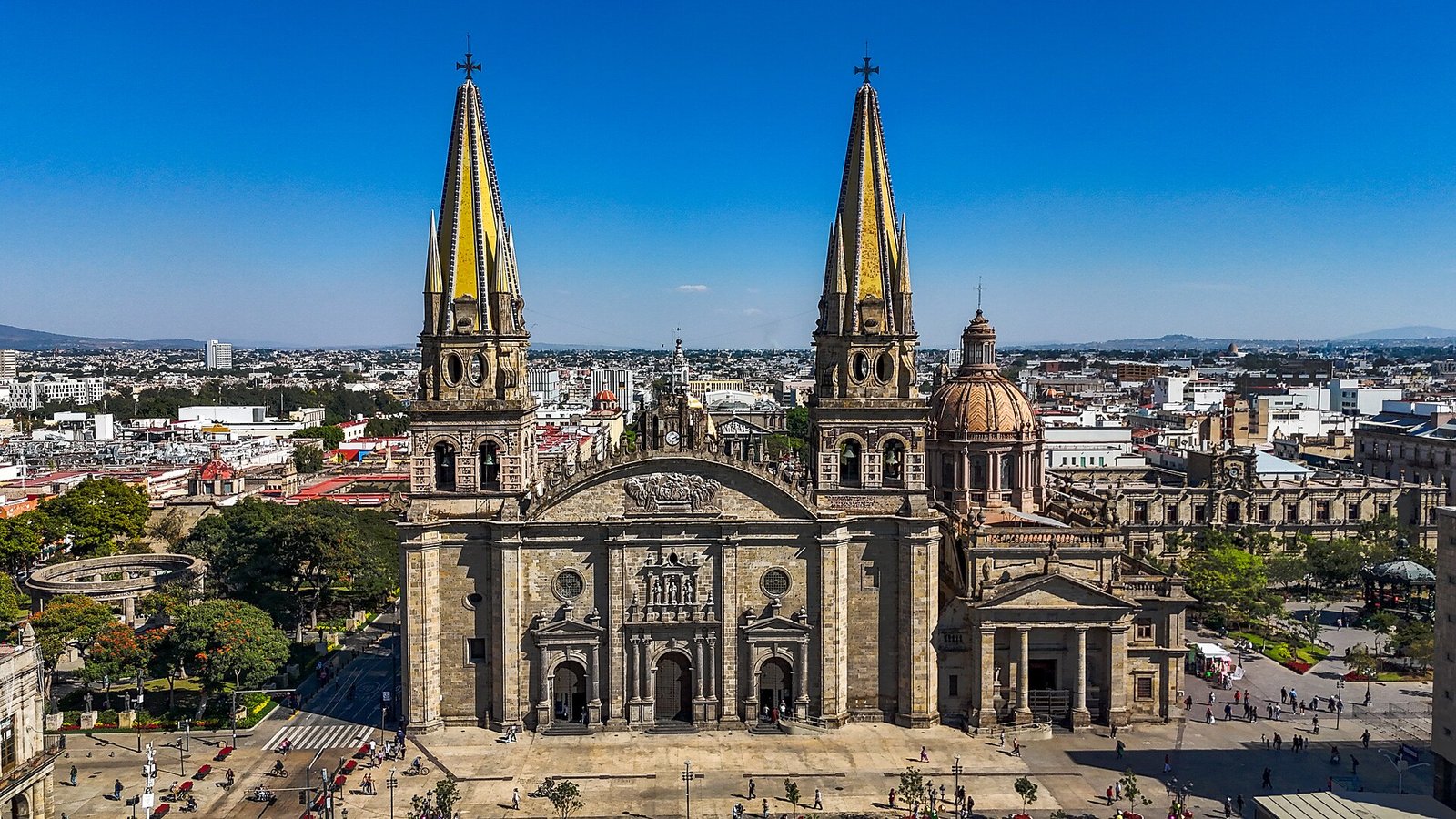
The cathedral, plazas, museums, markets, and rail are accessible, making daylight sightseeing efficient. Some streets become quiet after business hours and older rooms may be noisy.
Colonia Americana — best for food, nightlife, and design
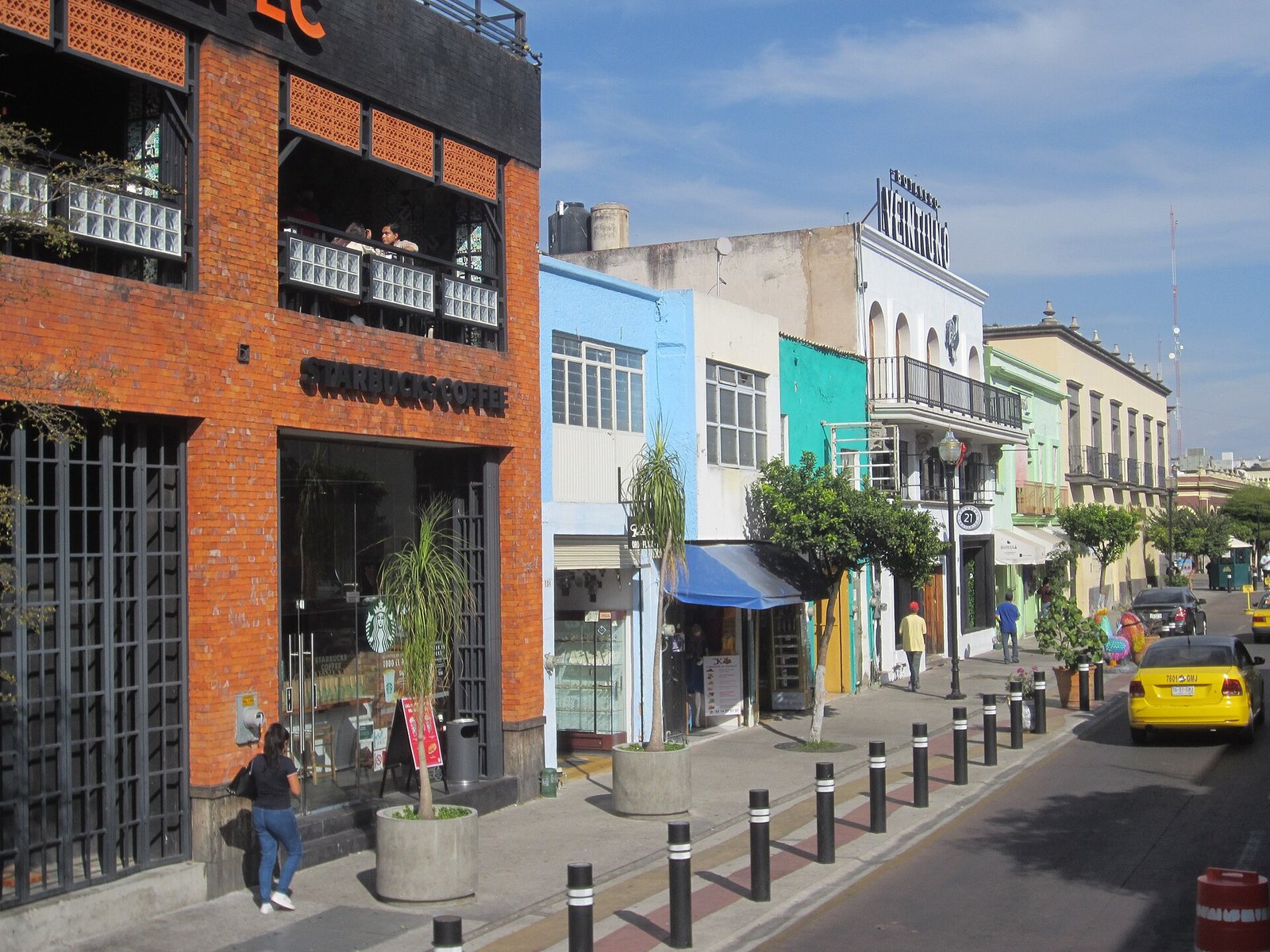
Restaurants, cafés, architecture, and evening activity suit couples and repeat visitors. Weekend noise and rising boutique-hotel prices are the principal drawbacks.
Tlaquepaque — best for crafts and a village-style atmosphere
Staying here creates slower mornings among galleries, shops, and restaurants. Central Guadalajara requires a separate trip, and busy visitor streets can feel commercial midday.
PLAN YOUR DAYS
Best things to do
Historic Center and Hospicio Cabañas
Plazas, religious architecture, public murals, and a major heritage complex provide the city’s essential historical foundation. Allow 4–6 hours. Begin early, check official museum hours, dress respectfully, and avoid displaying valuables in crowded streets. Keep Historic Center and Hospicio Cabañas only when it serves the traveler’s Guadalajara priorities, not merely to lengthen the list.
Mercado San Juan de Dios
The large market offers food, crafts, and an intense view of everyday commerce. Allow 1–2 hours. Visit in daylight, keep bags closed, compare quality before buying, and choose busy, hygienic food stalls. Keep Historic Center and Hospicio Cabañas only when it serves the traveler’s Guadalajara priorities, not merely to lengthen the list.
Tlaquepaque
Pedestrian streets, craft traditions, galleries, and mariachi create a complete half-day outside the center. Allow 4–6 hours. Arrive before the busiest lunch period, reserve a priority restaurant, and use verified transport after evening music. Keep Historic Center and Hospicio Cabañas only when it serves the traveler’s Guadalajara priorities, not merely to lengthen the list.
Tequila day trip
Agave landscapes and production history can add valuable regional context when approached responsibly. Allow Full day. Choose an authorized operator or confirmed train and tour, book ahead, and never plan to drive after tastings. Keep Historic Center and Hospicio Cabañas only when it serves the traveler’s Guadalajara priorities, not merely to lengthen the list.
Colonia Americana and Museo de las Artes
Architecture, contemporary culture, cafés, and restaurants show modern Guadalajara beyond its ceremonial center. Allow 3–5 hours. Explore in daylight into early evening, check exhibition hours, and reserve dinner on popular weekends. Keep Historic Center and Hospicio Cabañas only when it serves the traveler’s Guadalajara priorities, not merely to lengthen the list.
A PRACTICAL ROUTE
Suggested itinerary
Historic Guadalajara
Start with plazas and heritage sites, continue to Hospicio Cabañas, and keep dinner near the center.
Market and Colonia Americana
Visit the market during active hours, then move to museums, architecture, and dining in Americana.
Tlaquepaque
Give the district a full afternoon and evening instead of squeezing it between distant landmarks.
Tequila excursion
Use prearranged safe transport and protect the full day from extra city commitments.
Flexible culture day
Add Zapopan, a museum, a food experience, or a slower departure according to the final schedule.
REALISTIC BUDGET
Estimated travel costs
Guadalajara costs move most with October–April, booking timing, taxes, and the specific room location in Centro Histórico. Recalculate Guadalajara’s dollar comparison when booking. For Guadalajara, the figures here convert Mexican peso (MXN) at August 1, 2026 reference rates and exclude later card charges.
TRAVEL WELL
Practical travel tips
- Use only authorized airport transport or a clearly verified app pickup point.
- Treat a Tequila excursion as a no-driving day and confirm what the tour price includes.
- Keep phones and wallets secure in crowded markets and central transit without becoming alarmist.
- Carry a light rain layer in the summer wet season; afternoon storms can disrupt road travel.
- Solo female travelers should choose an active, well-reviewed neighborhood and arrange the late ride from Tlaquepaque or nightlife.
- For Guadalajara, use licensed taxis, official transit, or well-reviewed ride-hailing after dark.
- For Guadalajara, keep phones and wallets secure in busy stations, markets, and nightlife districts.
- For Guadalajara, save the accommodation address offline and confirm the final train or bus before evening plans.
COMMON QUESTIONS
Guadalajara travel FAQ
How many days do you need in Guadalajara?
Guadalajara works best with 4–6 days for a first visit. A short Guadalajara trip should pair Historic Center and Hospicio Cabañas with one nearby priority; extra time belongs to meals, weather, or siteur rail delays.
Is Guadalajara expensive?
In Guadalajara, a budget traveler can plan around MX$ 800–1,400 (about US$46–81) per person per day before long-distance arrival costs. The largest Guadalajara premiums come from Centro Histórico, peak dates, private transport, and guided access to Historic Center and Hospicio Cabañas.
Do you need a car in Guadalajara?
A car is unnecessary for the center, Americana, and Tlaquepaque. Organized transport is safer for Tequila, while a car helps only for a broader Jalisco road trip.
What is the best month to visit Guadalajara?
November usually offers dry, comfortable weather before the busiest year-end travel weeks.
Is Guadalajara safe for solo female travelers?
Many solo female travelers can plan Guadalajara with ordinary destination-appropriate precautions. Solo female travelers should choose an active, well-reviewed neighborhood and arrange the late ride from Tlaquepaque or nightlife. Before departing for Guadalajara, review current government advice alongside local weather and transport notices.
What should you book in advance for Guadalajara?
Reserve Tequila excursions, festival accommodation, popular restaurants, and major performances. Museums and central streets are generally easier to keep flexible.
KEEP EXPLORING
Related The Wander Muse guides
CHECK BEFORE DEPARTURE
Sources and official resources
Schedules, fares, access rules, closures, and entry systems affecting Guadalajara can change. Recheck the official resources below shortly before departure.