START HERE
Why visit Sofia
Sofia is a low-pressure capital where Roman ruins, religious architecture, cafés, and Vitosha Mountain fit into one compact itinerary. A well-paced visit connects Alexander Nevsky Cathedral, Ancient Serdica, and Vitosha Boulevard and side streets without turning every day into a race. The center near Serdika is easiest for first visits; Oborishte is quieter; Lozenets offers restaurants and metro access. The Sofia plan keeps Serdika and the historic center transfers realistic, leaves meal time near Alexander Nevsky Cathedral, and stays readable on a phone. Sofia suits budget-conscious city breakers, solo travelers, history enthusiasts, and hikers who want nature immediately beyond a capital. Bulgaria adopted the euro in 2026, so older lev-denominated articles can mislead; current official pricing and payment guidance should be checked directly. The Sofia guide ties seasonal conditions to the main gateway, Serdika and the historic center, local-currency costs, and an itinerary centered on Alexander Nevsky Cathedral.
AT A GLANCE
Sofia quick travel summary
Sofia prices are planning ranges. Confirm the final amount in Euro (EUR), adopted by Bulgaria on January 1, 2026, including taxes, booking terms, and exactly what each Sofia transport or activity ticket covers.
WHEN TO GO
Best time to visit
Spring (March–May)
In Sofia, this period brings changeable mild weather, rain, and occasional storms. Weekends and school breaks lift demand unevenly. For Sofia, its main advantage is parks, neighborhoods, and outdoor landmarks; the disadvantage is that rapid weather changes can interrupt the route. Parks and Vitosha trails reopen gradually, while rain and late snow remain possible at elevation. Before an outdoor day in Sofia, recheck official weather and the transport needed for Alexander Nevsky Cathedral.
Summer (June–August)
In Sofia, this period brings long daylight, heat, humidity, and periodic storms. Family travel and major events keep central prices firm. For Sofia, its main advantage is early outdoor time and air-conditioned museums; the disadvantage is that midday exposure and busy event dates reduce flexibility. Hot city afternoons favor museums; high mountain routes may be comfortable but storms build quickly. Before an outdoor day in Sofia, recheck official weather and the transport needed for Alexander Nevsky Cathedral.
Autumn (September–November)
In Sofia, this period brings cooler days, changing foliage, and shorter but comfortable light. For Sofia, festival and sports weekends can raise rooms while ordinary weeks soften. For Sofia, its main advantage is walking, food, and mixed indoor-outdoor plans; the disadvantage is that late-season cold or rain becomes increasingly possible. Clearer air and mild temperatures create a strong city-and-mountain balance, with weekend hiking crowds. Before an outdoor day in Sofia, recheck official weather and the transport needed for Alexander Nevsky Cathedral.
Winter (December–February)
In Sofia, this period brings cold days, short light, and occasional snow or ice. Holiday peaks interrupt otherwise lower demand. For Sofia, its main advantage is museums, food, and value-focused city time; the disadvantage is that transport disruption and limited outdoor hours narrow the plan. Low city prices and festive atmosphere contrast with snow, ice, short daylight, and reduced mountain access. Before an outdoor day in Sofia, recheck official weather and the transport needed for Alexander Nevsky Cathedral.
ARRIVING
How to get there
Sofia Airport connects to the city by metro and other official ground transport, making rail the easiest low-cost arrival when service hours and the hotel align. Authorized taxis are useful for late flights or heavy luggage; use the official desk or clearly designated rank rather than an unsolicited offer. International and domestic trains and buses arrive near the central station complex, with metro and tram connections onward. A car is unnecessary in Sofia and should be reserved only for a broader Bulgaria route. Because the country moved to the euro in 2026, rely on current airport, transport, and government pages rather than old fare screenshots in lev.
MOVING AROUND
Getting around
Sofia’s metro, trams, trolleybuses, and buses cover the center, airport, stations, and many outer districts. Contactless payment or travel products can be useful, but current validation rules should be checked through Sofia Traffic. The central ‘yellow pavement’ zone and Ancient Serdica area are highly walkable. Official taxis fill late or hill-access gaps; verify the company and meter. Driving introduces restricted parking and congestion. Vitosha access requires a separate plan using current bus, lift, road, or guided options, since mountain transport changes seasonally. For a 3–4 days visit, use Serdika and the historic center for the arrival-focused days, group Alexander Nevsky Cathedral with Ancient Serdica, and protect Vitosha Boulevard and side streets for the period with the best conditions. Put Alexander Nevsky Cathedral and Ancient Serdica on different Sofia stages; the separation protects meal time and a weather fallback. Accessible Sofia bookings should confirm metro access and the precise final approach to Alexander Nevsky Cathedral.
CHOOSE A BASE
Where to stay
Serdika and the historic center — best for first-time visitors and short stays
Roman ruins, religious landmarks, metro, and restaurants are within a compact walk. Tourist-zone prices and street noise are the main disadvantages.
Oborishte — best for quiet architecture and culture
Leafy streets near Alexander Nevsky suit couples and museum-focused travelers. Nightlife and late dining are less concentrated than around Vitosha Boulevard.
Lozenets — best for restaurants and metro convenience
A residential district with parks, cafés, and metro access offers a local base. Some sights require a ride and the hillier streets matter with luggage.
PLAN YOUR DAYS
Best things to do
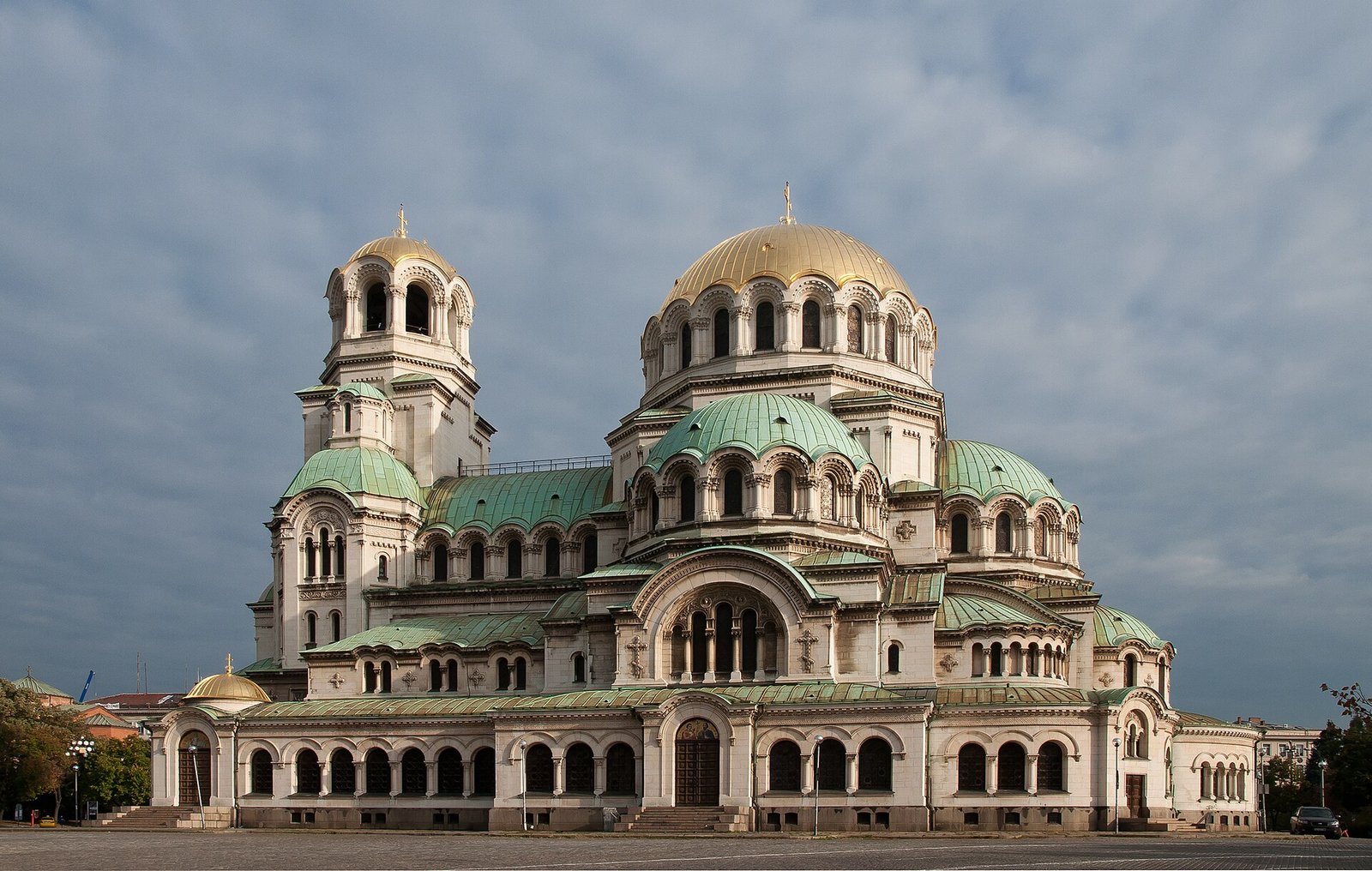
Alexander Nevsky Cathedral
The monumental cathedral and surrounding religious buildings anchor Sofia’s architectural identity. Allow 1–2 hours. Visit outside services, dress respectfully, and check rules for photography or paid lower-level displays. Keep Alexander Nevsky Cathedral only when it serves the traveler’s Sofia priorities, not merely to lengthen the list.
Ancient Serdica
Visible Roman remains beneath and around the modern center reveal the city’s layered history. Allow 2–3 hours. Walk the route in daylight, add the archaeology museum if open, and avoid treating scattered ruins as one ticketed site. Keep Alexander Nevsky Cathedral only when it serves the traveler’s Sofia priorities, not merely to lengthen the list.
Vitosha Boulevard and side streets
Pedestrian city life, cafés, and views create a useful evening orientation rather than a single attraction. Allow 2–3 hours. Compare restaurants away from the most obvious strip and remain aware of belongings in crowds. Keep Alexander Nevsky Cathedral only when it serves the traveler’s Sofia priorities, not merely to lengthen the list.
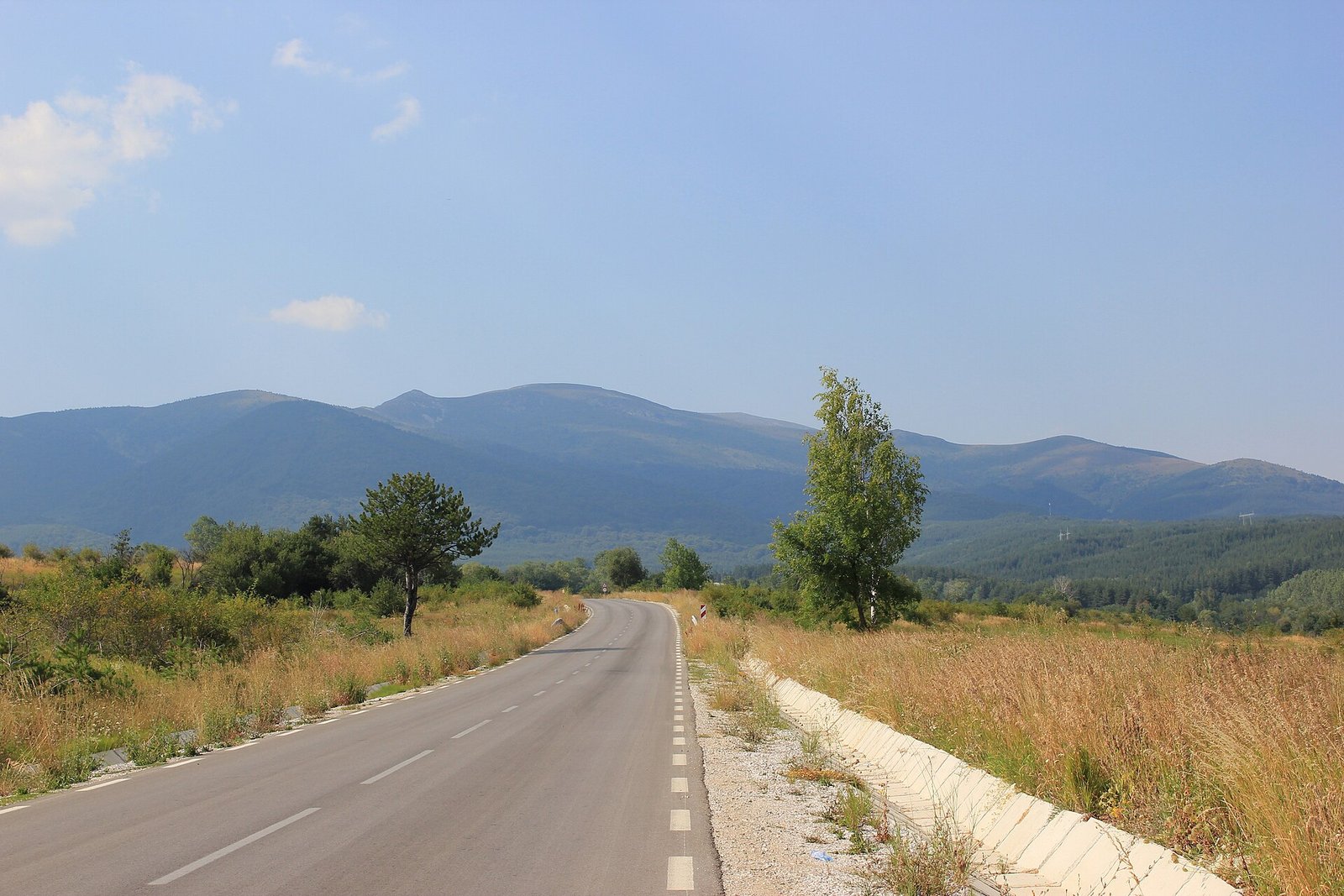
Vitosha Mountain
Trails, viewpoints, and seasonal snow place serious nature immediately outside the capital. Allow Half or full day. Check weather, trail, lift, and bus status on the day; carry mountain layers even when central Sofia is warm. Keep Alexander Nevsky Cathedral only when it serves the traveler’s Sofia priorities, not merely to lengthen the list.
Boyana Church and National History Museum
Two important sites in the southern foothills combine well when transport and timed access are planned. Allow 3–4 hours. Confirm church visitor limits and museum hours, then arrange the return rather than relying on a late improvised taxi. Keep Alexander Nevsky Cathedral only when it serves the traveler’s Sofia priorities, not merely to lengthen the list.
A PRACTICAL ROUTE
Suggested itinerary
Historic Sofia
Walk Alexander Nevsky, religious landmarks, and central streets, ending near Vitosha Boulevard.
Ancient Serdica and museums
Begin at the archaeological remains, choose one museum, and keep dinner within the central zone.
Vitosha or Boyana
Use the best mountain forecast for trails, or combine Boyana Church with the history museum.
Flexible neighborhoods
Explore markets and parks, revisit a museum, or protect the day against weather changes.
REALISTIC BUDGET
Estimated travel costs
Sofia costs move most with April–June or September–October, booking timing, taxes, and the specific room location in Serdika and the historic center. Treat Sofia’s dollar figures as orientation. They convert Euro (EUR), adopted by Bulgaria on January 1, 2026 at August 1, 2026 reference rates for Sofia, before later market movement or payment fees.
TRAVEL WELL
Practical travel tips
- Use current euro pricing; older guides quoting Bulgarian lev may no longer reflect how tickets are sold.
- Take only official airport taxis and check that an ordinary street taxi displays company and tariff information.
- Carry layers for Vitosha because conditions differ sharply from the center.
- Dress respectfully in active churches and avoid visiting interiors during services unless attending appropriately.
- Solo female travelers generally find the center manageable with normal precautions; plan the mountain return and use active streets late.
- For Sofia, check mountain weather and trail access even when conditions in the city look settled.
- For Sofia, use official transport after dark and keep valuables out of sight in parked cars.
- For Sofia, share remote plans and carry offline navigation beyond the urban area.
COMMON QUESTIONS
Sofia travel FAQ
How many days do you need in Sofia?
Sofia works best with 3–4 days for a first visit. A short Sofia trip should pair Alexander Nevsky Cathedral with one nearby priority; extra time belongs to meals, weather, or metro delays.
Is Sofia expensive?
In Sofia, a budget traveler can plan around €45–80 (about US$52–92) per person per day before long-distance arrival costs. The largest Sofia premiums come from Serdika and the historic center, peak dates, private transport, and guided access to Alexander Nevsky Cathedral.
Do you need a car in Sofia?
A car is unnecessary in Sofia. Metro, tram, bus, walking, and official taxis cover the city, while mountain access can be arranged separately.
What is the best month to visit Sofia?
May often provides mild city weather and greener parks, while October can be excellent before mountain conditions become wintry.
Is Sofia safe for solo female travelers?
Many solo female travelers can plan Sofia with ordinary destination-appropriate precautions. Solo female travelers generally find the center manageable with normal precautions; plan the mountain return and use active streets late. Recheck official travel advice for Sofia, then compare it with the latest conditions affecting Alexander Nevsky Cathedral.
What should you book in advance for Sofia?
Reserve Boyana Church when timed entry is required, guided mountain trips, and peak dates. Most central outdoor landmarks remain flexible.
KEEP EXPLORING
Related The Wander Muse guides
CHECK BEFORE DEPARTURE
Sources and official resources
Schedules, fares, access rules, closures, and entry systems affecting Sofia can change. Recheck the official resources below shortly before departure.