START HERE
Why visit Grand Teton
Grand Teton National Park concentrates dramatic mountain scenery, wildlife habitat, historic ranch landscapes, and accessible lakes within a relatively compact valley. It suits photographers, wildlife watchers, hikers, families, and road trippers combining Wyoming with Yellowstone, but the trip works best when early starts and weather alternatives are planned in advance. Three days cover the central scenic corridor, Jenny Lake, and one wildlife-focused morning; four or five days allow a substantial hike, boat time, and schedule flexibility. This guide explains how to arrive through Jackson Hole, where a car is essential, which base reduces driving, what reservations may be required, and how to build a realistic budget in an expensive gateway region. The primary rule is to separate wildlife viewing from close contact: use pullouts, carry required bear deterrence correctly, and follow every temporary closure.
AT A GLANCE
Grand Teton quick travel summary
Grand Teton budgets are planning ranges. Park entrance policy, campground reservations, gateway lodging, boat schedules, wildlife tours, road openings, and vehicle costs can materially change the total.
WHEN TO GO
Best time to visit
Spring (April–May)
Spring is transitional: valley roads reopen gradually, snow remains on trails, and many services are limited. Wildlife is active, but closures protect sensitive areas and young animals. Prices may be lower than summer, while weather can change rapidly. Use this period for scenic driving and low-elevation walks only after checking current conditions, and carry winter-ready layers rather than assuming green valleys mean snow-free trails.
Summer (June–August)
Summer provides the broadest road, trail, boat, campground, and lodging availability. It also brings the highest prices, full parking lots, afternoon thunderstorms, smoke risk, and crowded trailheads. Reserve accommodation and required activities early, begin popular hikes around sunrise, and keep a storm alternative. July and August can be hot in exposed valleys even when mountain summits remain snowy.
Fall (September–October)
September offers cooler hiking, wildlife activity, and fall color, especially later in the month. Services and boat operations begin reducing schedules, and early snow can close high routes. Lodging demand remains strong during color and photography periods. Check seasonal closing dates, carry gloves and warm layers, and avoid creating traffic hazards when wildlife appears near roads.
Winter (November–March)
Winter transforms the park into a snow environment with limited road access and specialized travel. Ordinary summer itineraries no longer apply. Cross-country skiing, snowshoeing, and guided wildlife trips require avalanche awareness, cold-weather equipment, and current access information. Jackson remains the practical base. Travelers without winter backcountry skills should use maintained routes or qualified guides rather than improvising.
ARRIVING
How to get there
Jackson Hole Airport lies within the valley and is the most convenient gateway, with rental cars, taxis, and current public or seasonal connections into Jackson. Flight schedules and prices can be limited, so Idaho Falls and Salt Lake City are alternatives for travelers comfortable with longer mountain drives. Grand Teton connects south to Jackson and north toward Yellowstone; road openings are seasonal, and construction, wildlife, or weather may affect travel. The easiest first visit uses a rental car collected at the airport or in Jackson. Confirm operating hours for late arrivals, download the NPS map, and avoid scheduling a long hike on arrival day. Travelers continuing to Yellowstone should verify the connecting road rather than assuming it is open year-round.
MOVING AROUND
Getting around
A car is the practical tool for linking Moose, Jenny Lake, Signal Mountain, Colter Bay, and wildlife-viewing corridors. Parking fills early at Jenny Lake and popular trailheads, while roadside stopping outside marked pullouts is unsafe. Seasonal visitor shuttles and lodge transportation may serve specific locations but do not replace a vehicle for every itinerary. Cycling is permitted on designated routes and pathways, yet distances, weather, wildlife, and narrow roads demand experience. Fuel and food are limited inside the park and some facilities close outside summer. Group each day by the southern, central, or northern zone and allow extra time for animal crossings and road work.
CHOOSE A BASE
Where to stay
Jackson — best for restaurants and first-time convenience
Jackson provides the widest choice of hotels, dining, groceries, gear, and airport services. It works well for travelers who want comfortable evenings or a mixed park-and-town trip. The disadvantages are high prices and a daily drive into the park, especially for sunrise wildlife viewing. Stay on the north side of town when early departures matter.
Teton Village — best for resort comfort and southern access
Teton Village offers mountain-resort lodging, summer lifts or activities, and access near the park’s southwest side. It suits couples and travelers combining hiking with resort amenities. Prices are high and the location is not central for Colter Bay or northern viewpoints. Choose it when comfort and southern trail access outweigh minimizing every drive.
Inside the park or Colter Bay — best for scenery and early starts
Park lodges and campgrounds reduce morning driving and place travelers closer to lakes and wildlife corridors. Availability is limited, facilities vary, and reservations can be competitive. Colter Bay works well for northern exploration, while central lodging supports Jenny Lake. This option suits hikers, photographers, and campers prepared for quieter evenings and fewer dining choices.
PLAN YOUR DAYS
Best things to do
Jenny Lake and Cascade Canyon
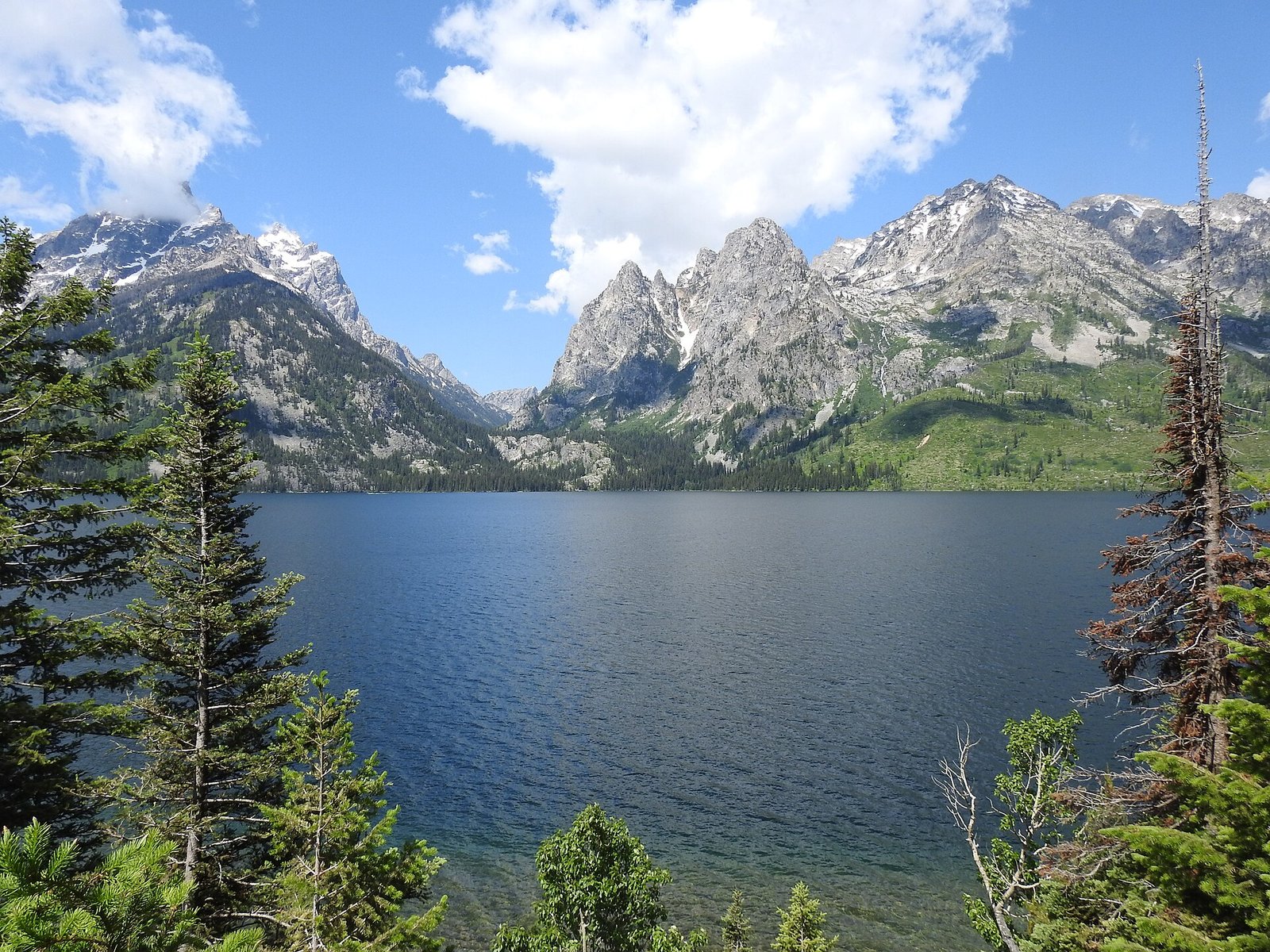
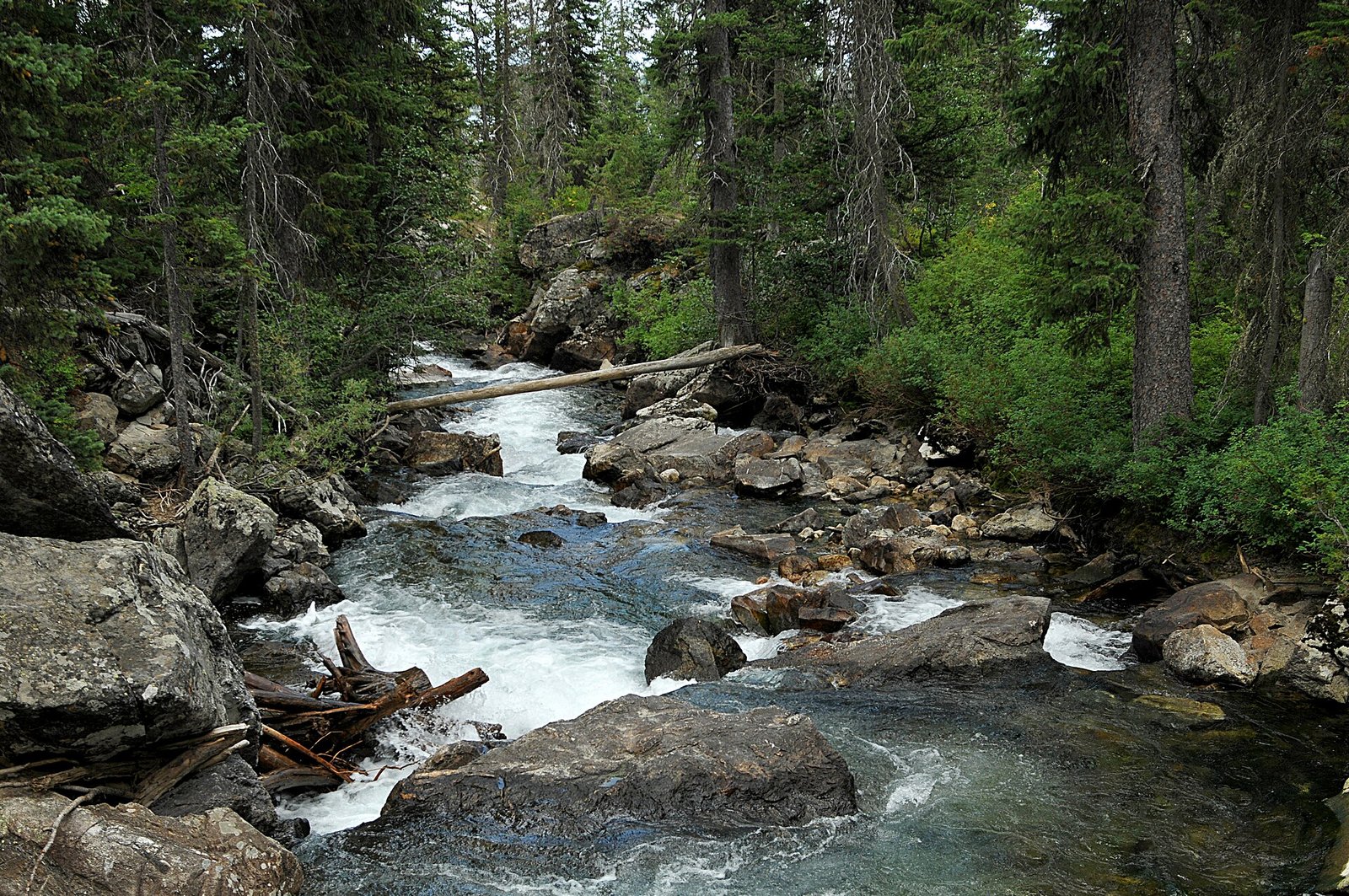
Jenny Lake is the park’s most popular hiking hub, with shoreline routes, boat service when operating, and access toward Hidden Falls and Cascade Canyon. Allow half a day for a short visit or most of a day for a longer canyon hike. Arrive early because parking fills quickly. Check boat schedules, trail conditions, and bear notices; carry layers and turn back when thunderstorms threaten.
Teton Park Road scenic corridor
The main scenic road links viewpoints, lakes, historic sites, and trailheads beneath the range. A simple drive can take half a day once stops and wildlife delays are included. Begin in soft morning or evening light and use marked pullouts only. No attraction reservation is normally needed beyond current park entry requirements, but seasonal closures and construction can change the route.
Oxbow Bend and northern wildlife areas
Oxbow Bend and nearby northern corridors are valued for landscape photography and potential wildlife sightings. Dawn and evening are productive but never guaranteed. Allow two to three hours and bring binoculars rather than approaching animals. Stay inside the vehicle when instructed, keep the roadway clear, and follow ranger closures. This outing suits patient wildlife watchers more than travelers seeking a fixed checklist.
Mormon Row and Antelope Flats
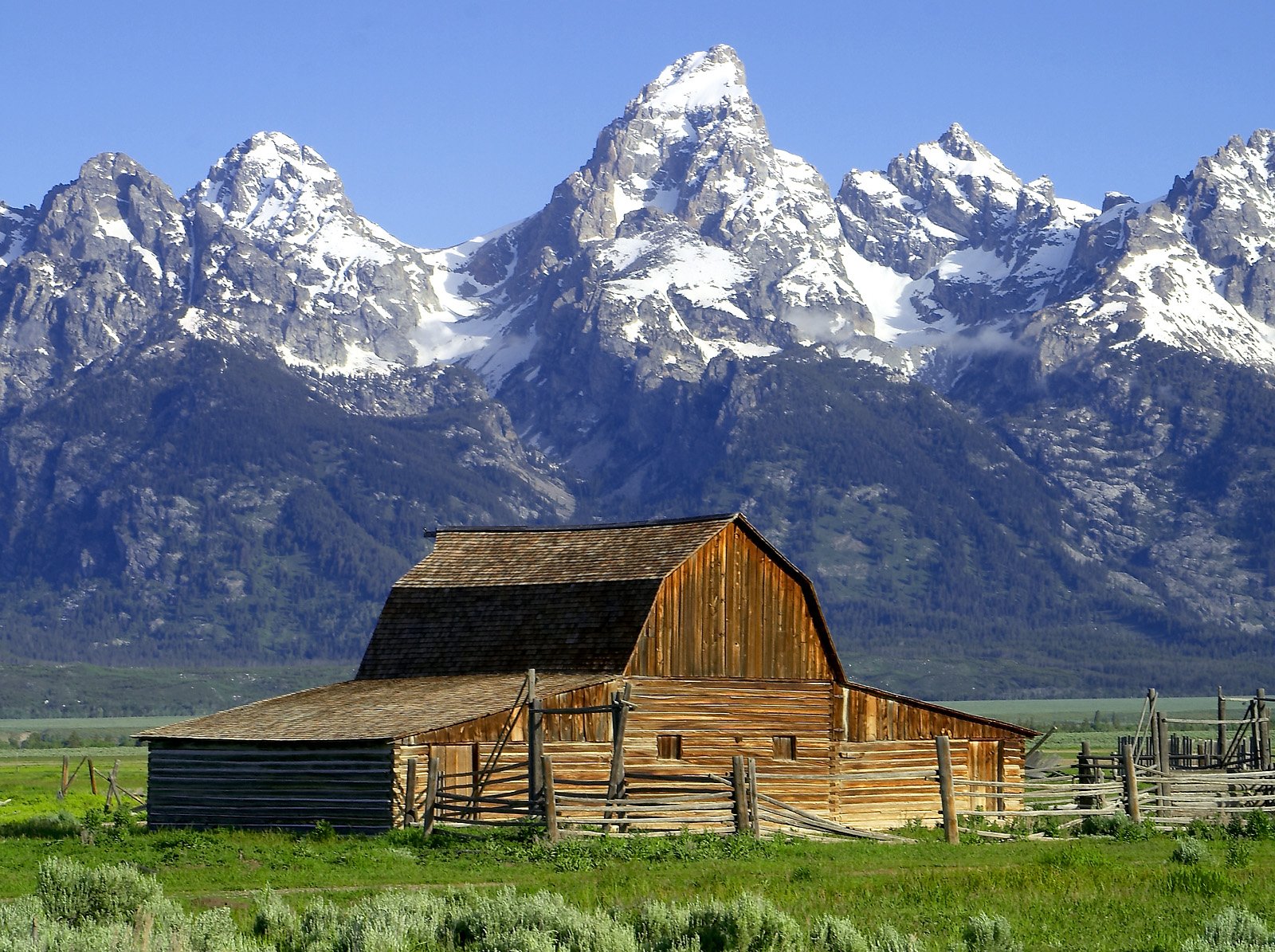
Mormon Row places historic homesteads against the Teton skyline and helps explain settlement history alongside the famous view. Visit early or late for lower traffic and softer light, allowing one to two hours. Remain on public routes, respect historic structures, and expect wildlife on surrounding roads. Combine it with the southern park zone rather than crossing the valley repeatedly.
Colter Bay and Jackson Lake
Colter Bay provides lake views, picnic areas, trails, and seasonal boating in the park’s north. Allow half a day, longer with a reserved activity. Water and wind conditions change quickly, and cold water remains hazardous even in summer. Check marina operations and life-jacket requirements. It is especially useful for families, travelers staying in the north, and road trips continuing toward Yellowstone.
A PRACTICAL ROUTE
Suggested itinerary
Moose, Mormon Row, and the southern viewpoints
Enter early through the south, stop at the Moose visitor area if needed, and continue through Antelope Flats and Mormon Row. Finish with scenic pullouts along Teton Park Road, keeping the first day flexible for weather and wildlife.
Jenny Lake and Cascade Canyon
Reach Jenny Lake before peak parking demand. Use the seasonal boat or shoreline trail according to current operations, then hike toward Hidden Falls or farther into Cascade Canyon based on fitness and weather. Keep the evening quiet after the longest walking day.
Northern park and Jackson Lake
Drive north once, stopping at Oxbow Bend in early light before continuing to Colter Bay and Jackson Lake. Add a reserved boat activity or lakeshore walk, then remain in the northern corridor for evening wildlife viewing.
Weather reserve or deeper hike
Use the final day for a trail postponed by storms, a ranger program, Signal Mountain, or a guided wildlife outing. Travelers continuing to Yellowstone should depart north after this zone instead of returning to Jackson without a reason.
REALISTIC BUDGET
Estimated travel costs
Grand Teton totals change sharply with summer lodging, rental cars, boats, and guided wildlife trips. Recheck current NPS access and operator terms.
TRAVEL WELL
Practical travel tips
- Carry bear spray where recommended, keep it accessible, and learn correct use before entering a trail; it is not useful buried in a backpack.
- Maintain every posted wildlife distance and increase it when an animal changes behavior because of your presence.
- Arrive at Jenny Lake and major trailheads early, but never park on vegetation or outside legal spaces when lots are full.
- Afternoon thunderstorms can develop quickly; high and exposed trails require early starts and conservative turnaround times.
- Do not leave food, coolers, toiletries, or scented items unsecured at campgrounds or trailheads.
- Download maps and current conditions before entering because mobile coverage is inconsistent.
- Solo women travelers should share trail plans, choose routes matching current conditions, and use populated trailheads for pre-dawn starts.
- Accessibility differs among viewpoints, visitor facilities, boats, and trails; check the NPS accessibility page and operators before reserving.
COMMON QUESTIONS
Grand Teton travel FAQ
How many days do you need in Grand Teton National Park?
Three days cover Jenny Lake, the scenic road, and a northern wildlife morning. Four or five days allow a substantial hike, boat activity, and flexibility for thunderstorms or smoke.
Do you need a car in Grand Teton?
Yes, for most independent first visits. Seasonal shuttles serve limited routes, but the main lakes, trailheads, viewpoints, and lodging areas are widely separated.
What is the best month to visit Grand Teton?
September offers cooler conditions, fall color, and wildlife activity, although services begin reducing schedules. July and August provide the broadest operations but the highest demand.
Should you stay in Jackson or inside the park?
Jackson has more food and services. Staying inside the park reduces sunrise driving and suits hikers or photographers, but availability is limited and evenings offer fewer choices.
Is Grand Teton expensive?
Yes, especially for summer lodging, rental cars, and guided activities. Camping, groceries, free scenic stops, and early reservations help, but transport remains a significant cost.
Is Grand Teton safe for solo female travelers?
Many solo travelers visit safely with mountain precautions: share the route, carry bear spray correctly, avoid exceeding ability, start early, and use established trailheads and current ranger information.
KEEP EXPLORING
Related The Wander Muse guides
CHECK BEFORE DEPARTURE
Sources and official resources
Schedules, fares, closures, access rules, and reservations affecting Grand Teton can change. Recheck the official resources below shortly before departure.