START HERE
Why visit Bozeman
Bozeman combines a lively university downtown, major natural-history collections, mountain trails, hot springs, and practical access toward Yellowstone and southwest Montana. It suits road-trippers, families, hikers, museum travelers, skiers, anglers, and visitors who want an active base with more everyday services than a resort village. Five days allow downtown, the Museum of the Rockies, two local outdoor days, and one carefully bounded regional excursion. This guide explains the cold, high-elevation seasons, airport access, car needs, accommodation areas, realistic costs, and an efficient route. The main planning mistake is treating Bozeman as an airport next to Yellowstone: park roads are distant, local valleys deserve time, and winter conditions can transform every drive. Reserve limited cars and lodging, group activities by valley, and use official land and weather information before setting out.
AT A GLANCE
Bozeman quick travel summary
Rental cars, rooms, ski access, tours, and event dates affect the total sharply. Use these as planning ranges and verify taxes, parking, permits, insurance, and cancellation terms.
WHEN TO GO
Best time to visit
Winter (December–March)
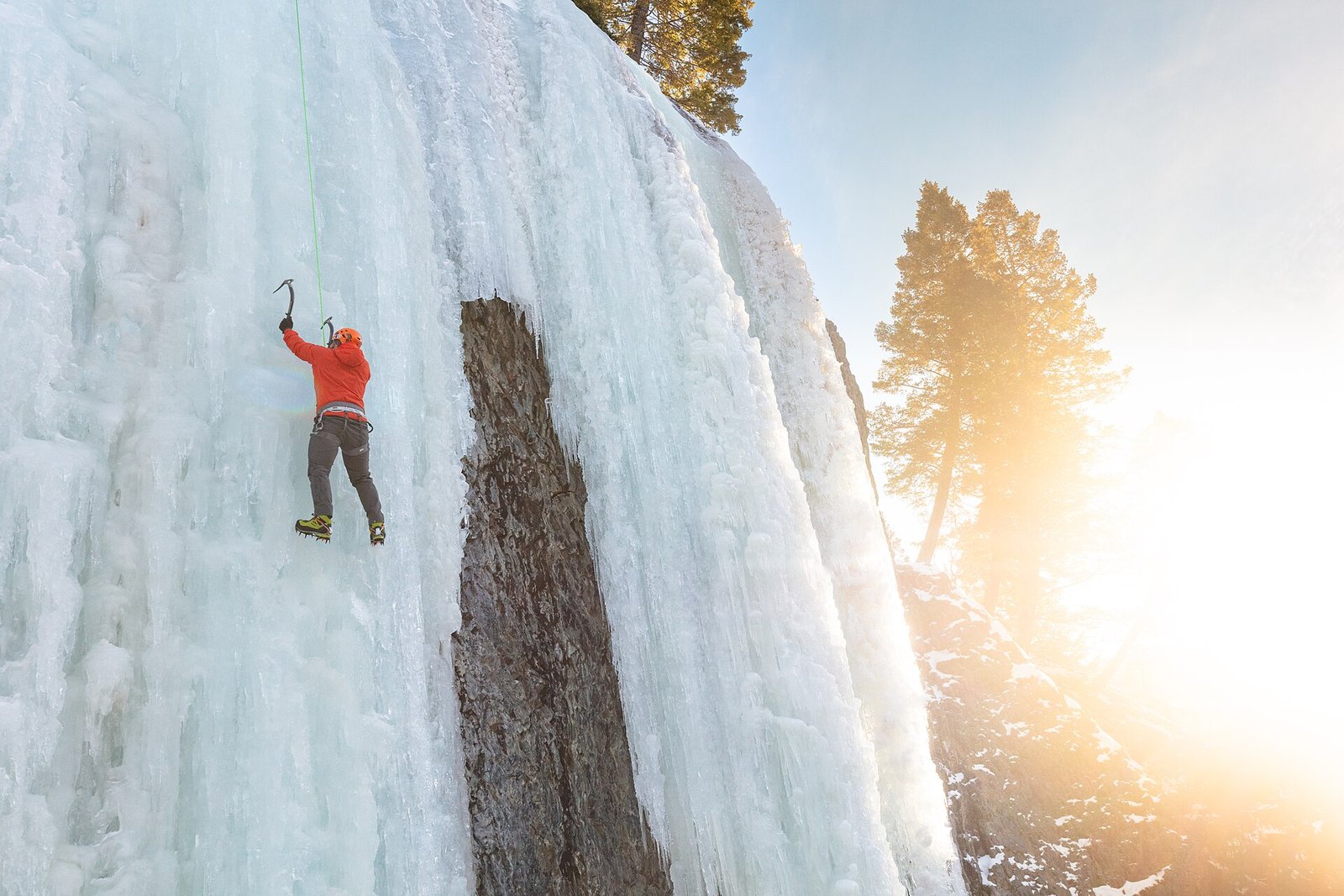
Winter is cold and snowy, supporting skiing and hot-spring outings while making roads and trails hazardous. Holiday and powder periods raise prices. Daylight is short, and airport or pass travel can be delayed. Reserve vehicles and equipment, carry winter emergency gear, and choose activities according to avalanche and road information rather than appearance from downtown.
Spring (April–May)
Spring is highly variable, with snow, rain, mud, and occasional warm days. Mountain trails remain closed or vulnerable, and shoulder-season businesses may reduce hours. Prices can be lower outside graduation. Use museums, low-elevation walks on open surfaces, and hot springs. Avoid muddy trails and check whether a scenic road remains winter-closed.
Summer (June–August)
Summer has long days, hiking, fishing, markets, and strong demand. Afternoon thunderstorms, heat, wildfire smoke, and wildlife require flexible plans. Hotels and rental cars are expensive. Start trails early, carry layers and bear spray where advised, and monitor fire restrictions. Yellowstone day trips are long and should focus on one region.
Fall (September–November)
September often offers clear days and cooler trails, followed by rapid temperature drops and possible snow. University events and football weekends affect rooms. Hunting seasons require awareness on public land. Wear visible colors where recommended, check trail and road access, and treat October and November as winter-capable transition months.
ARRIVING
How to get there
Bozeman Yellowstone International Airport is in Belgrade northwest of Bozeman. Rental cars, authorized taxis, rideshare, hotel shuttles, and pre-booked regional transfers operate according to current airport information. Public transport to every visitor area is limited, so confirm the complete airport-to-hotel route before arrival. Interstate 90 and U.S. Highway 191 connect Bozeman with regional destinations, but winter snow, wildlife, construction, and summer traffic affect driving. There is no passenger rail station in Bozeman. The easiest option for a multi-day outdoor itinerary is a reserved rental car; a town-focused visit can use an airport ride plus Streamline buses and walking. Photograph the vehicle, confirm winter equipment and insurance, and avoid a long unfamiliar drive after a late flight.
MOVING AROUND
Getting around
Downtown and adjacent residential streets are walkable, with Streamline buses connecting selected town and regional stops according to current schedules. Bicycles work on trails and appropriate city routes for confident riders. Taxis and rideshare are usually available near town but become unreliable at remote trailheads or late in mountain valleys. A rental car is necessary for most trailheads, ski areas, hot springs, and Yellowstone. Parking regulations and winter snow routes matter. Group each day by direction—Hyalite, Bridger, Gallatin Canyon, or downtown—to avoid repeated valley crossings. Never leave food or scented items accessible at trailheads, and download offline maps before entering canyons with weak service.
CHOOSE A BASE
Where to stay
Downtown Bozeman — best for first-time visitors and evenings
Downtown puts restaurants, shops, galleries, and events within walking distance, reducing the need to drive after dinner. It suits couples, solo travelers, and short stays. Rates are high, weekend noise occurs, and parking rules vary. The museum and trailheads still require transport. Choose a property with clear parking and winter sidewalk maintenance.
North 7th or Midtown — best for value and practical access
Midtown offers motels, newer hotels, food, and quick road access, sometimes at lower cost than the historic core. It suits families and drivers. The streets are more commercial and not every block is pleasant for walking after dark. Check the exact bus stop, breakfast, and parking rather than selecting solely by a Bozeman address.
Belgrade or Gallatin Gateway — best for airport or canyon access
Belgrade is convenient for BZN and can reduce room costs, while Gallatin Gateway positions road-trippers toward Big Sky. Both require a car and provide fewer walkable evening choices. They suit late arrivals, early departures, or specialized regional plans. Winter road conditions and limited rideshare make transport confirmation essential.
PLAN YOUR DAYS
Best things to do
Museum of the Rockies
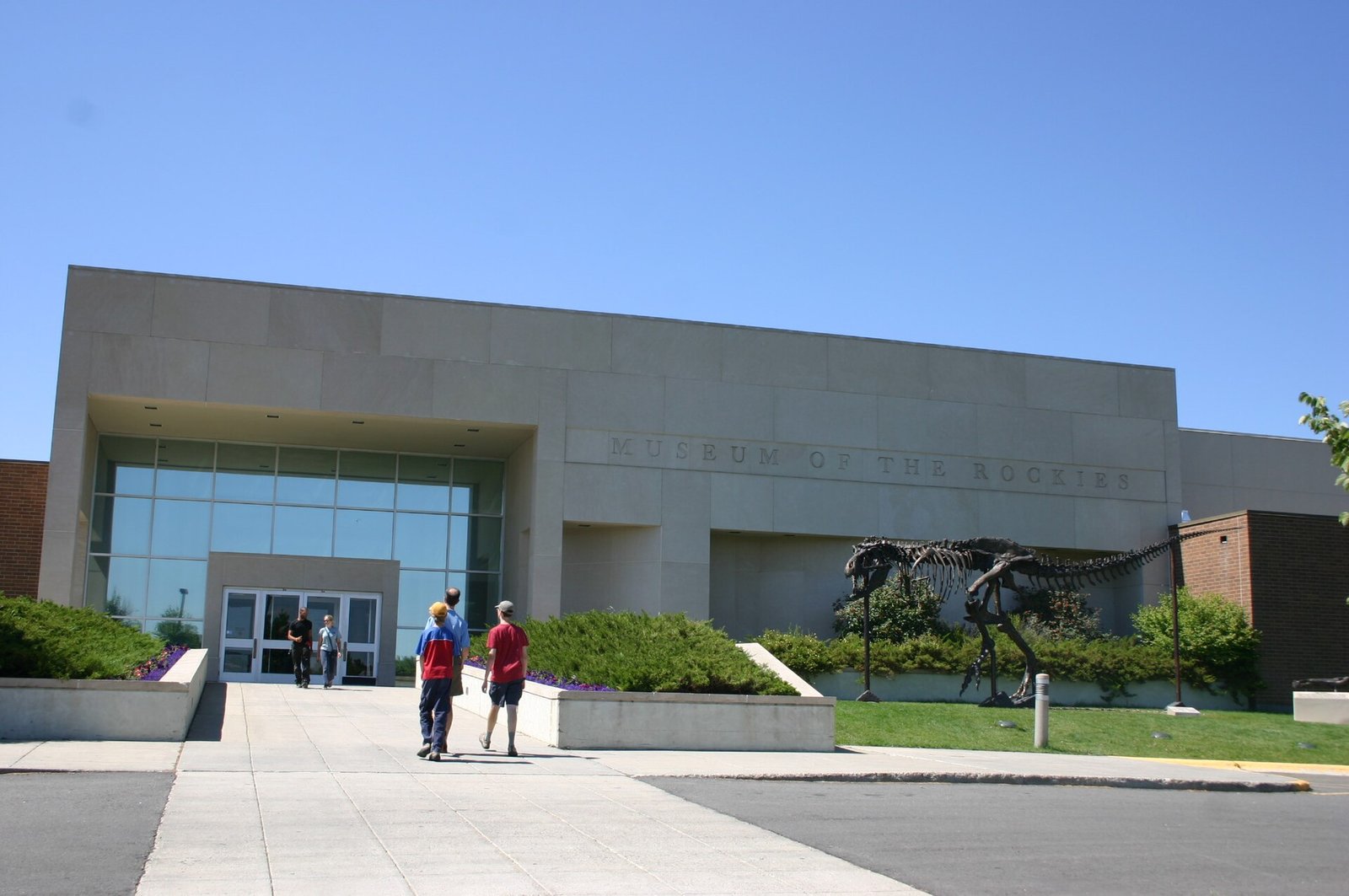
The museum’s dinosaur collections, regional history, and changing exhibitions merit three to four hours. Check official hours, planetarium schedules, and current tickets before arrival. It is ideal for families, archaeology and science travelers, and bad-weather days. Begin near opening on busy summer dates and avoid rushing the collection before a long drive. Accessibility information is available directly.
Downtown Bozeman and local food
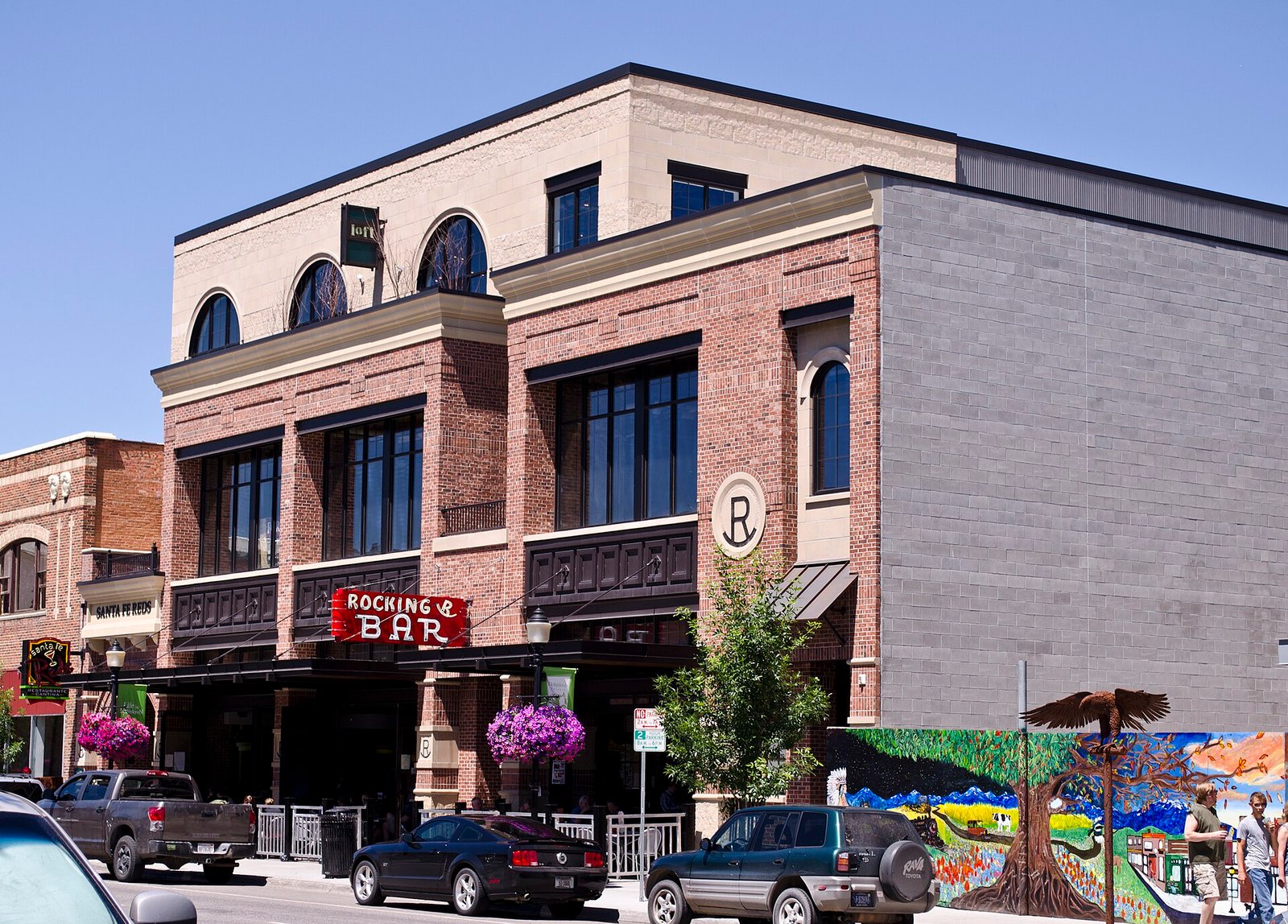
Historic Main Street, galleries, independent shops, breweries, and restaurants form an easy half-day and evening. Visit during active business hours and check event closures. A food or architecture walk should include local history rather than only consumption. Use a designated driver or walk after alcohol, respect university and residential areas, and reserve high-priority weekend dinners.
Hyalite Canyon
Hyalite offers reservoirs, waterfalls, trails, and winter recreation close to Bozeman, but road and trail conditions vary sharply. Allow half or a full day, checking Forest Service access, avalanche, fire, and seasonal information. Start early, carry bear spray where advised, stay on durable surfaces, and turn back for lightning, ice, or mud. Mobile service is limited.
Bridger Mountains or ski area
The Bridger range supports hiking and winter skiing according to season. Resort access, backcountry hazards, parking, and trail conditions require current official guidance. Allocate a full day and match terrain to ability. Backcountry travel demands avalanche education and equipment; resort boundaries do not make adjacent terrain safe. Summer hikers should carry layers and start before storms.
Hot springs or a Yellowstone-focused excursion
Regional hot springs provide a restorative half-day, while Yellowstone requires a long full day or an onward stay. Choose one according to the itinerary. Reserve pools if needed and follow health rules. For Yellowstone, select one park sector, check National Park Service roads, and maintain wildlife distance. Do not attempt the entire park from Bozeman in one day.
A PRACTICAL ROUTE
Suggested itinerary
Downtown orientation
Arrive, walk Main Street, organize groceries and outdoor equipment, and keep the evening close to the hotel.
Museum and local culture
Visit Museum of the Rockies near opening, then explore a gallery or neighborhood and reserve an unhurried downtown dinner.
Hyalite Canyon
Use current access information for one suitable trail or reservoir outing, carrying weather layers and a conservative turnaround time.
Bridger or hot springs
Choose a full ski or hiking day in the Bridgers, or a lower-intensity hot-spring and valley plan if conditions are unsuitable.
Regional day
Visit one Yellowstone sector, Big Sky, or another verified area, accepting the long drive and avoiding a same-evening flight.
REALISTIC BUDGET
Estimated travel costs
A budget traveler sharing simple lodging can plan around US$125–210 per person per day. A mid-range trip with a shared hotel, rental car, restaurant dinner, museum, and one paid outdoor activity commonly reaches US$280–520. Summer and university event weekends cost more. Compare lodging tax, rental insurance, parking, equipment, permit, guide gratuity, and cancellation terms.
TRAVEL WELL
Practical travel tips
- Reserve rental cars and rooms early for summer, ski dates, graduation, and major university weekends.
- Check Forest Service, resort, park, fire, avalanche, and road information before every mountain outing.
- Carry bear spray where recommended, know how to use it, secure food, and maintain wildlife distance.
- Do not rely on rideshare for trailhead pickup, late canyon returns, or winter airport connections.
- Hydrate and acclimatize gradually; high elevation and dry air can affect sleep and exertion.
- Use layers and sun protection year-round because mountain temperatures change rapidly.
- Respect private ranch land, seasonal closures, hunting areas, and trail-surface restrictions.
- Solo travelers should share routes, carry offline maps, and avoid unsupported backcountry plans.
COMMON QUESTIONS
Bozeman travel FAQ
How many days do you need in Bozeman?
Three days cover downtown, the museum, and one outdoor area. Five days allow two mountain days and one regional excursion.
Do you need a car in Bozeman?
Not for a limited downtown stay, but a car is strongly recommended for trailheads, hot springs, ski areas, Big Sky, and Yellowstone.
What is the best month to visit Bozeman?
July and September are strong for hiking, with different crowd and weather trade-offs. February and March suit winter sports when roads and cold are manageable.
Is Bozeman expensive?
Summer rooms, cars, and guided activities are expensive. Midtown lodging, groceries, free buses, museums, and shoulder dates can reduce the total.
Can you visit Yellowstone from Bozeman?
Yes as a long day focused on one region, but an overnight nearer the park is better for a broader route. Check roads and entrances officially.
Is Bozeman good for families?
Yes, with the Museum of the Rockies, easy walks, hot springs, and outdoor activities. Families should match terrain, weather, and driving to children’s limits.
KEEP EXPLORING
Related The Wander Muse guides
CHECK BEFORE DEPARTURE
Sources and official resources
Schedules, fares, closures, and timed-entry systems affecting Bozeman can change. Recheck the official resources below shortly before departure.