
START HERE
Why visit Santorini
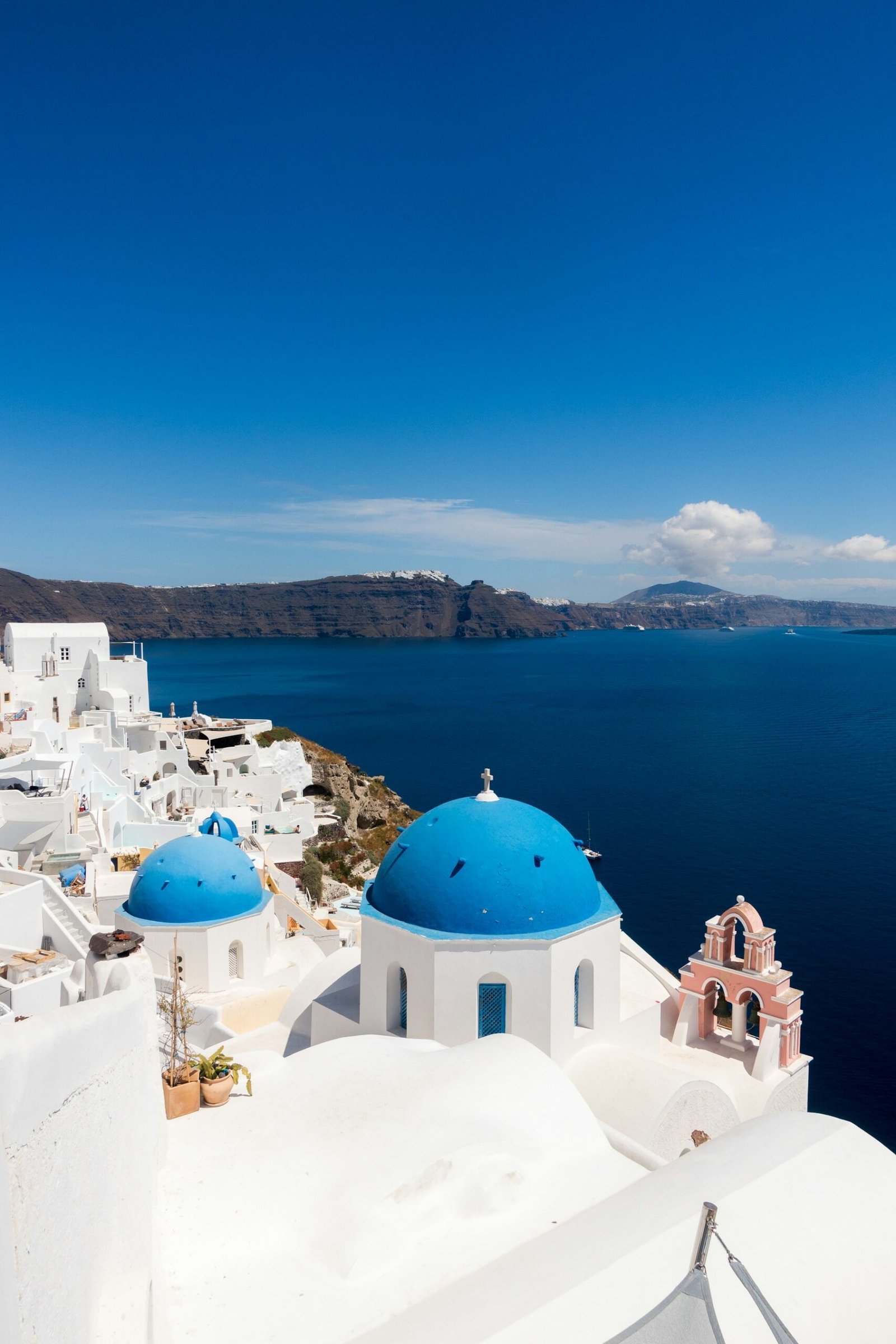
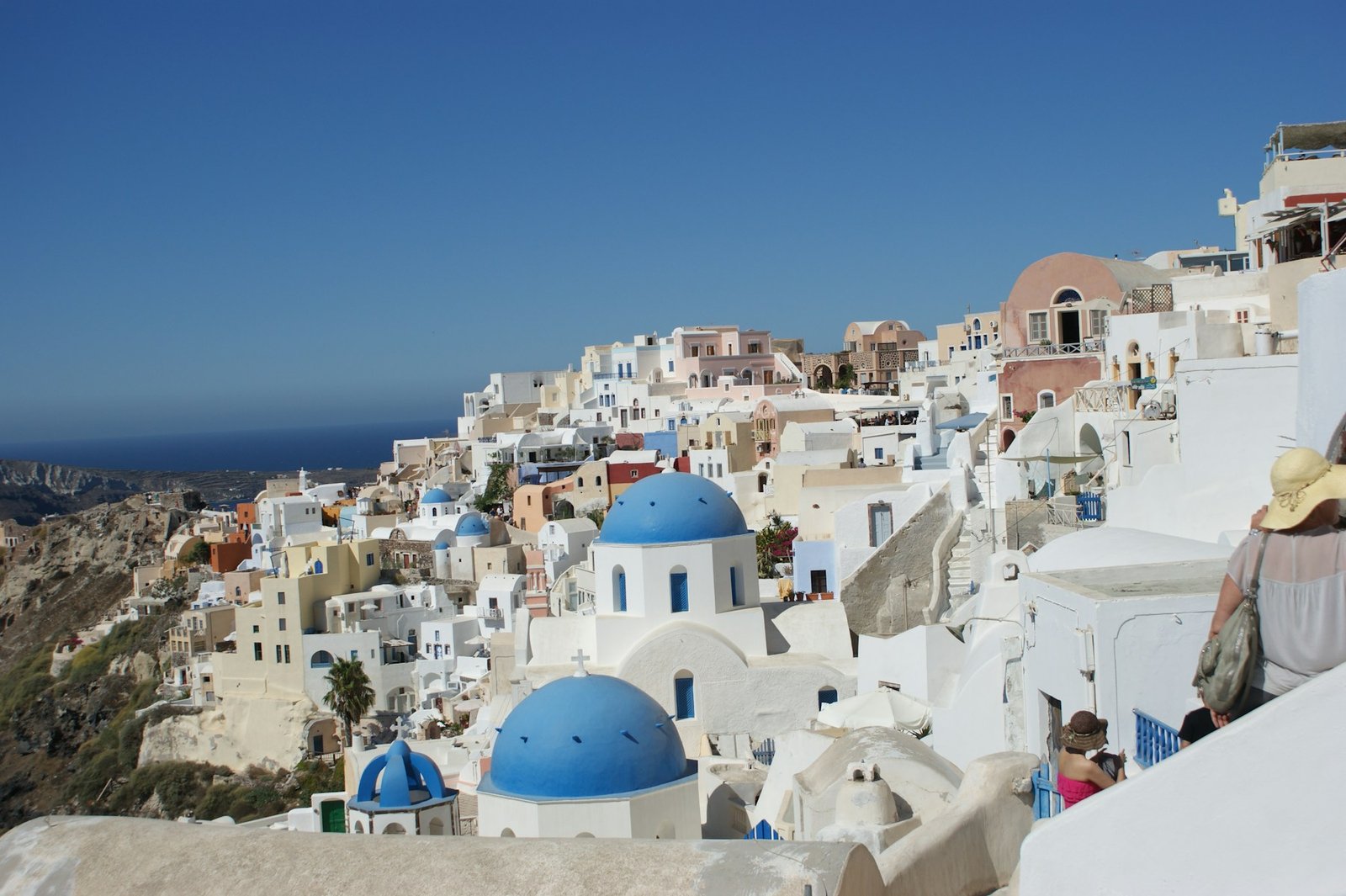
Santorini’s flooded caldera, cliff villages, archaeological sites, vineyards, and volcanic beaches create far more than a sunset stop, but crowd and transport timing define the experience. It suits caldera scenery, couples, archaeology, food, wine, beaches, and island hopping and works best when Fira to Oia hike and Akrotiri Archaeological Site stay on separate compact days. A first visit works best when Fira to Oia hike, Akrotiri Archaeological Site, and Oia outside sunset peak are arranged around realistic transport and weather windows. Fira is best for buses and first visits, Oia provides iconic views at premium prices, and Kamari or Perissa offers beach value without caldera sunsets outside the door. Santorini planning connects Santorini Airport (JTR) or Athinios ferry port, ktel public bus, Fira, and Fira to Oia hike with the six-row Euro (EUR) budget and 3–5 days route below. Before booking Santorini, use the linked authorities to verify opening days, ktel public bus, and any timed entry for Fira to Oia hike.
AT A GLANCE
Santorini quick travel summary
Santorini prices are planning ranges rather than quotes. Ask for the complete Santorini price in writing, including taxes, payment fees, booking terms, and any connection from Santorini Airport (JTR) or Athinios ferry port.
WHEN TO GO
Best time to visit
Spring (March–May)
Across Santorini, expect mild days, changeable rain, and lengthening daylight; conditions near Fira to Oia hike can vary. For Santorini, crowds and prices are moderate except around school and public holidays. For Santorini, this window favors Fira to Oia hike. Schedule it only after accounting for the fact that visitors in Santorini should pack a waterproof layer and expect cool mornings. Meltemi wind, ferry disruption, cruise calls, heat, and cliff-path closures can change a day even under clear skies. Recheck Santorini weather and the operating status of Fira to Oia hike shortly before any weather-sensitive or reservation-dependent day.
Summer (June–August)
Across Santorini, expect the warmest weather and the longest usable days; conditions near Akrotiri Archaeological Site can vary. This is the busiest and most expensive period for Santorini. Akrotiri Archaeological Site is the most practical Santorini focus during this period. The limitation is that visitors in Santorini should reserve accommodation and timed attractions early. Meltemi wind, ferry disruption, cruise calls, heat, and cliff-path closures can change a day even under clear skies. Recheck Santorini weather and the operating status of Fira to Oia hike shortly before any weather-sensitive or reservation-dependent day.
Autumn (September–November)
Across Santorini, expect cooler air, changing foliage, and shorter daylight; conditions near Oia outside sunset peak can vary. Expect lighter crowds after early September. This period creates better conditions for Oia outside sunset peak in Santorini; the main drawback is that visitors in Santorini should check reduced hours and weather-sensitive services. Meltemi wind, ferry disruption, cruise calls, heat, and cliff-path closures can change a day even under clear skies. Recheck Santorini weather and the operating status of Fira to Oia hike shortly before any weather-sensitive or reservation-dependent day.
Winter (December–February)
Across Santorini, expect cold conditions with the possibility of rain, snow, or storms; conditions near Volcanic boat excursion can vary. Expect quiet periods interrupted by holiday peaks. For Santorini, this window favors Volcanic boat excursion. Schedule it only after accounting for the fact that in Santorini, transport disruption and limited daylight require buffers. Meltemi wind, ferry disruption, cruise calls, heat, and cliff-path closures can change a day even under clear skies. Recheck Santorini weather and the operating status of Fira to Oia hike shortly before any weather-sensitive or reservation-dependent day.
ARRIVING
How to get there
JTR receives domestic and international seasonal flights, while Athinios connects by ferry with Athens and other islands. Both gateways become congested when several arrivals overlap. A prearranged transfer is easiest with luggage; KTEL buses are cheaper but may require a change through Fira. Buy ferry tickets through the operating company, complete online check-in where required, and leave a weather buffer before an international flight. Rental cars help at Akrotiri and beaches, but parking and narrow roads make them unnecessary for a Fira-based short stay.
MOVING AROUND
Getting around
Fira is the bus hub, with routes to Oia, beaches, Akrotiri, and the port on seasonal timetables. Buses can fill, so arrive early and avoid assuming a tight connection. Taxis are limited and expensive at sunset. Walking works inside villages and on the Fira–Oia trail, but steps, heat, wind, and unprotected edges require care. ATVs are high-risk and may not be covered by ordinary insurance. A small car is useful only when grouped regional stops outweigh parking stress. For a 3–5 days visit, group Fira to Oia hike with Akrotiri Archaeological Site, then protect Oia outside sunset peak for the strongest weather or access window. Fira to Oia hike and Akrotiri Archaeological Site belong on separate compact Santorini stages; that leaves room for a delayed ktel public bus connection. Accessible Santorini planning needs four checks: ktel public bus boarding, surfaces, restrooms, and the final approach to Fira to Oia hike.
CHOOSE A BASE
Where to stay
Fira — best for first-time transport
The bus hub, restaurants, museums, and central caldera position make it the most practical base. Cruise crowds and nightlife noise affect central lanes.
Oia — best for scenery and couples
Caldera terraces and early or late access to famous lanes suit special stays. Rooms, meals, and taxis are expensive and sunset crowds are intense.
Kamari or Perissa — best for budget and beaches
Longer beach promenades, flatter streets, and lower room pressure support families. Caldera villages require bus or car travel and the landscape is less iconic.
PLAN YOUR DAYS
Best things to do
Fira to Oia hike
A clifftop route connects villages, volcanic geology, and changing caldera views better than a single terrace. Allow 3–5 hours. Start early with mild weather and low wind. No reservation is needed. The public trail is free. Carry water and turn back when heat or wind becomes unsafe. It is best suited to fit walkers and photographers; time-limited visitors should add Fira to Oia hike only when it fits the same area and current conditions.
Akrotiri Archaeological Site
A roofed Bronze Age settlement provides essential context for the island’s volcanic history. Allow 1.5–2.5 hours. Visit near opening and pair it with the south rather than Oia. Official advance tickets may help in peak season. Paid admission applies. Allow time for interpretation rather than only walking the perimeter. It is best suited to history and family travelers; On a short Santorini visit, Akrotiri Archaeological Site should not force a cross-destination transfer.
Oia outside sunset peak
The village’s architecture and caldera position are most enjoyable before day tours or after overnight visitors remain. Allow 2–4 hours. Use early morning and avoid treating sunset as mandatory. No village reservation is needed; special venues may. Public lanes are free. Respect private roofs and never enter restricted terraces. It is best suited to first-time visitors and couples; on a short stay, keep Oia outside sunset peak only when access and geography suit that day.
Volcanic boat excursion
A licensed cruise can combine caldera geology, hot-spring areas, and water-level views. Allow 4–8 hours. Choose a low-wind forecast and check the exact harbor. Advance booking is recommended. Boat type, meals, transfers, and duration affect price. Follow swimming guidance and avoid overcrowded wildlife-insensitive operators. It is best suited to boat travelers and geology enthusiasts; visitors with little time should retain Volcanic boat excursion only if it stays near another priority.
Pyrgos and vineyards
An inland village and responsible tasting provide a quieter counterpoint to the caldera rim. Allow 3–5 hours. Visit in late afternoon and use a driver if tasting. Priority wineries require reservation. Village walking is free; tastings vary. Do not drive after alcohol and respect residential lanes. It is best suited to food, wine, and repeat visitors; time-limited visitors should add Pyrgos and vineyards only when it fits the same area and current conditions.
A PRACTICAL ROUTE
Suggested itinerary
Fira orientation
Complete the airport or port transfer, learn the KTEL station, and keep sunset close to the base.
Caldera walk
Start the Fira–Oia route early, spend a limited time in Oia, and return before buses become overloaded.
Akrotiri and south coast
Visit the archaeological site near opening, then choose one beach or lighthouse area in the same region.
Caldera boat
Use the calmest forecast for a licensed excursion and avoid another timed sunset transfer.
Pyrgos and food
Explore inland streets, take a reserved tasting with safe transport, or retain a ferry-weather buffer.
REALISTIC BUDGET
Estimated travel costs
Santorini costs move most with April–June or September–October, booking timing, taxes, and the exact position of a room in Fira. Treat Santorini’s dollar figures as orientation. They convert Euro (EUR) at August 1, 2026 reference rates for Santorini, before later market movement or payment fees.
TRAVEL WELL
Practical travel tips
- Check the cruise calendar and visit Oia early rather than joining the sunset bottleneck.
- Use KTEL from Fira and arrive before departure because buses can fill in peak season.
- Carry water, sun protection, and proper shoes on the exposed caldera trail.
- Do not climb private roofs or cross barriers for photographs.
- Keep a ferry and wind buffer before an international flight.
- Avoid ATVs unless properly licensed, experienced, insured, and equipped with a helmet.
- Reserve caldera rooms, boat trips, and priority wineries early.
- Solo women should use known late transfers and avoid isolated cliff paths after dark.
COMMON QUESTIONS
Santorini travel FAQ
How many days do you need in Santorini?
3–5 days is a practical first-visit range for Santorini. If 3–5 days is not available, keep one compact Santorini base and Fira to Oia hike; additional days are most useful as weather and transport buffers.
Is Santorini expensive?
In Santorini, a realistic daily planning range is €85–145 (about US$98–167) budget; €230–480 (about US$265–554) mid-range, per person. The main premiums are well-placed accommodation, travel during April–June or September–October, and private or guided versions of Fira to Oia hike.
Do you need a car in Santorini?
A car is optional. Fira buses cover the main villages and sights; rent a small car only for a grouped regional day.
What is the best month to visit Santorini?
May and late September often balance warm weather with less pressure than July and August, though wind can affect ferries anytime.
Is Santorini safe for solo female travelers?
Santorini is generally manageable for solo women. Use known late transfers, keep away from cliff edges, and avoid isolated paths after dark. Before departing for Santorini, review current government advice alongside local weather and transport notices.
What should you book in advance for Santorini?
Reserve caldera rooms, ferries, airport or port transfers, boat trips, Akrotiri entry when required, and priority wineries.
KEEP EXPLORING
Related The Wander Muse guides
PLAN WITH CURRENT INFORMATION
Official resources
For Santorini, opening hours, fares, permits, weather rules, and transport arrangements can change. The official sources below are the final reference for Santorini schedules, restrictions, and visitor rules.