START HERE
Why visit Athens
Athens combines the Acropolis and classical sites with Byzantine churches, modern art, neighborhood food, hills, and an accessible coast, making it more than an island transit stop. It suits archaeology, museums, food, solo travel, couples, urban walks, coast, and island connections and works best when Acropolis and slopes and Acropolis Museum stay on separate compact days. A first visit works best when Acropolis and slopes, Acropolis Museum, and Ancient Agora and Monastiraki are arranged around realistic transport and weather windows. Syntagma and Plaka suit first visits, Monastiraki and Psyrri provide transport and nightlife, and Koukaki offers quieter streets near the Acropolis. Athens planning connects Athens International Airport (ATH), Piraeus port, or Larissis railway station, metro, Syntagma and Plaka, and Acropolis and slopes with the six-row Euro (EUR) budget and 4–5 days route below. Before booking Athens, use the linked authorities to verify opening days, metro, and any timed entry for Acropolis and slopes.
AT A GLANCE
Athens quick travel summary
Athens prices are planning ranges rather than quotes. Ask for the complete Athens price in writing, including taxes, payment fees, booking terms, and any connection from Athens International Airport (ATH), Piraeus port, or Larissis railway station.
WHEN TO GO
Best time to visit
Spring (March–May)
Across Athens, expect mild days, changeable rain, and lengthening daylight; conditions near Acropolis and slopes can vary. For Athens, crowds and prices are moderate except around school and public holidays. For Athens, this window favors Acropolis and slopes. Schedule it only after accounting for the fact that visitors in Athens should pack a waterproof layer and expect cool mornings. Heat and wildfire alerts, archaeological opening hours, strikes, air quality, ferry disruption, and holiday closures can reshape a day. Recheck Athens weather and the operating status of Acropolis and slopes shortly before any weather-sensitive or reservation-dependent day.
Summer (June–August)
Across Athens, expect the warmest weather and the longest usable days; conditions near Acropolis Museum can vary. This is the busiest and most expensive period for Athens. Acropolis Museum is the most practical Athens focus during this period. The limitation is that visitors in Athens should reserve accommodation and timed attractions early. Heat and wildfire alerts, archaeological opening hours, strikes, air quality, ferry disruption, and holiday closures can reshape a day. Recheck Athens weather and the operating status of Acropolis and slopes shortly before any weather-sensitive or reservation-dependent day.
Autumn (September–November)
Across Athens, expect cooler air, changing foliage, and shorter daylight; conditions near Ancient Agora and Monastiraki can vary. Expect lighter crowds after early September. This period creates better conditions for Ancient Agora and Monastiraki in Athens; the main drawback is that visitors in Athens should check reduced hours and weather-sensitive services. Heat and wildfire alerts, archaeological opening hours, strikes, air quality, ferry disruption, and holiday closures can reshape a day. Recheck Athens weather and the operating status of Acropolis and slopes shortly before any weather-sensitive or reservation-dependent day.
Winter (December–February)
Across Athens, expect cold conditions with the possibility of rain, snow, or storms; conditions near National Archaeological Museum can vary. Expect quiet periods interrupted by holiday peaks. For Athens, this window favors National Archaeological Museum. Schedule it only after accounting for the fact that in Athens, transport disruption and limited daylight require buffers. Heat and wildfire alerts, archaeological opening hours, strikes, air quality, ferry disruption, and holiday closures can reshape a day. Recheck Athens weather and the operating status of Acropolis and slopes shortly before any weather-sensitive or reservation-dependent day.
ARRIVING
How to get there
ATH connects to central Athens by Metro, suburban rail, express buses, licensed taxis, and private transfers. Piraeus is a large port with gates far apart, so confirm the ferry operator, gate, and transfer time rather than treating it as one stop. Larissis station serves current rail routes. Official transport is cheapest; a taxi is easier with luggage, limited mobility, or a very early port departure. Buy ferry tickets from the operating company and leave a weather buffer before a flight. A rental car is unnecessary for Athens and should begin only when leaving the city.
MOVING AROUND
Getting around
Metro lines connect the airport, center, Piraeus, and many districts, while buses and trams reach areas beyond rail. Central archaeological zones are walkable but involve polished stone, slopes, and exposed heat. Taxis and approved apps are useful late at night; confirm the meter or official fare arrangement. Group the Acropolis, Ancient Agora, and central museum days geographically. The coastal tram is slower but useful for a relaxed route. Validate or activate tickets under current rules and watch bags on crowded airport and port services. For a 4–5 days visit, group Acropolis and slopes with Acropolis Museum, then protect Ancient Agora and Monastiraki for the strongest weather or access window. Acropolis and slopes and Acropolis Museum belong on separate compact Athens stages; that leaves room for a delayed metro connection. Accessible Athens planning needs four checks: metro boarding, surfaces, restrooms, and the final approach to Acropolis and slopes.
CHOOSE A BASE
Where to stay
Syntagma and Plaka — best for first-time visitors
Airport transport, central monuments, restaurants, and evening walks provide maximum convenience. Rooms are expensive and the busiest lanes feel heavily touristic.
Monastiraki and Psyrri — best for transport and nightlife
Metro links, markets, food, and rooftop views suit short stays and social travelers. Noise and pickpocket pressure vary around crowded streets and stations.
Koukaki — best for quieter local convenience
Acropolis access, cafés, apartments, and neighborhood streets balance sights with calmer evenings. Airport travel usually requires a connection and nightlife is lower-key.
PLAN YOUR DAYS
Best things to do
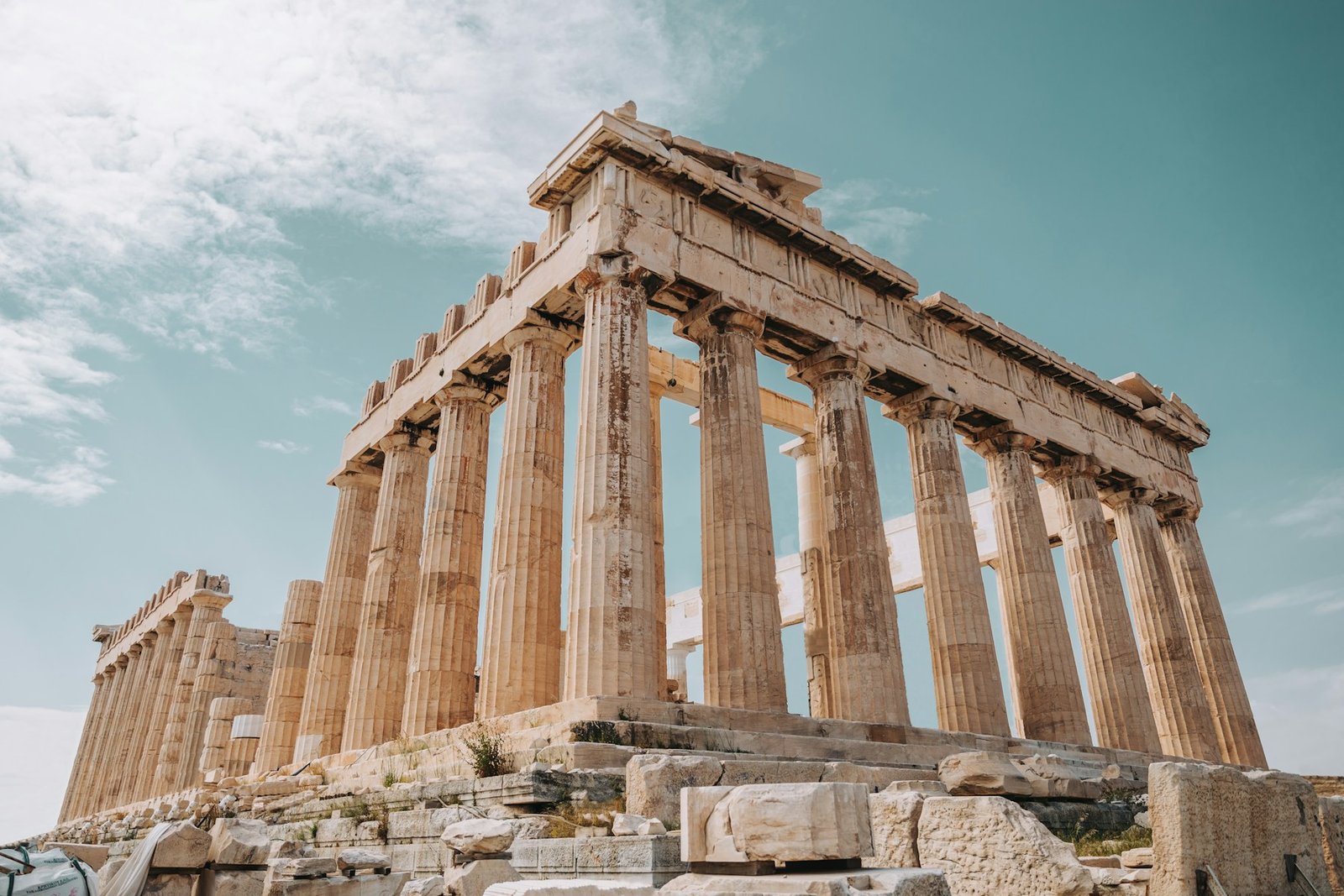
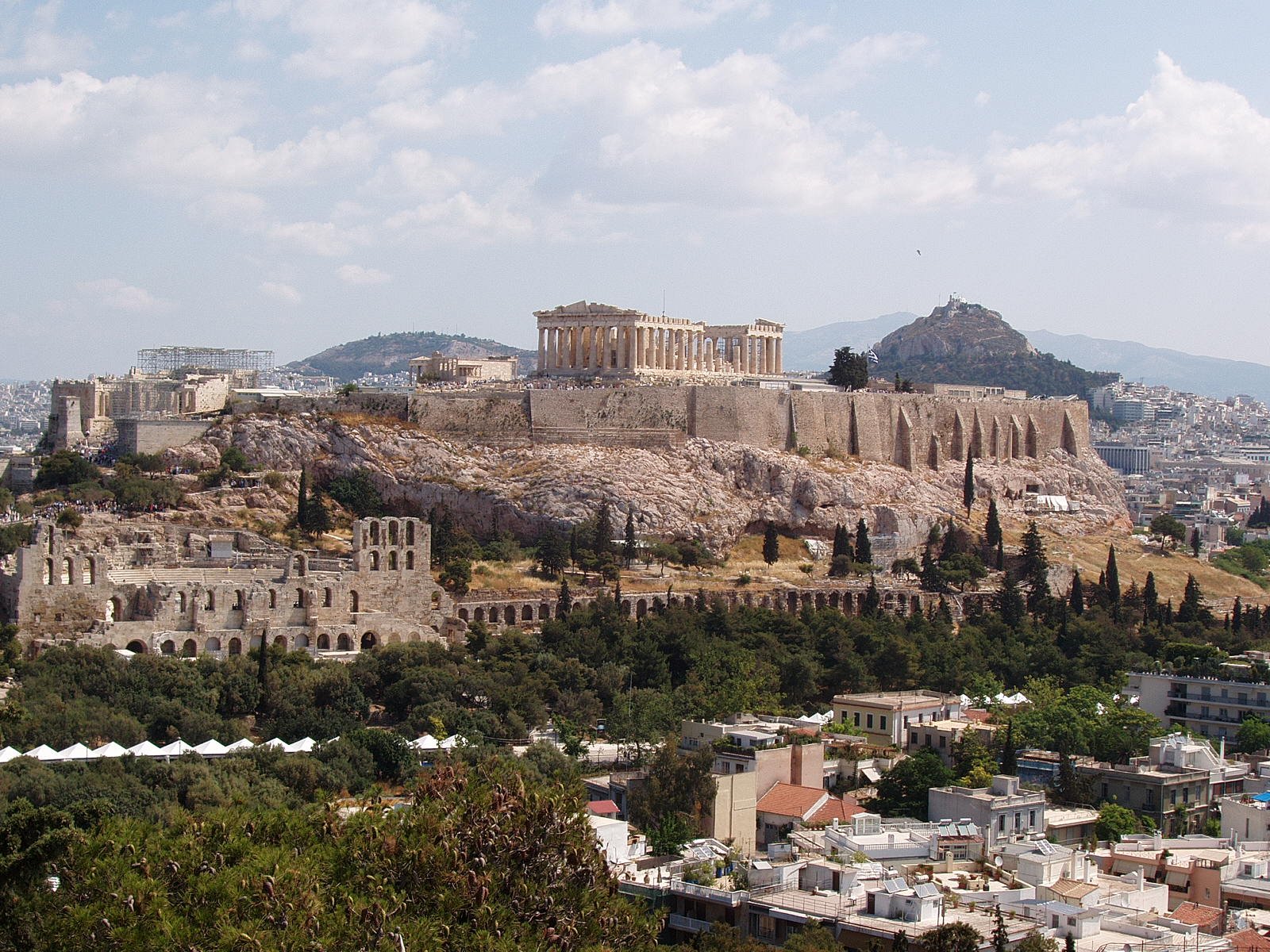
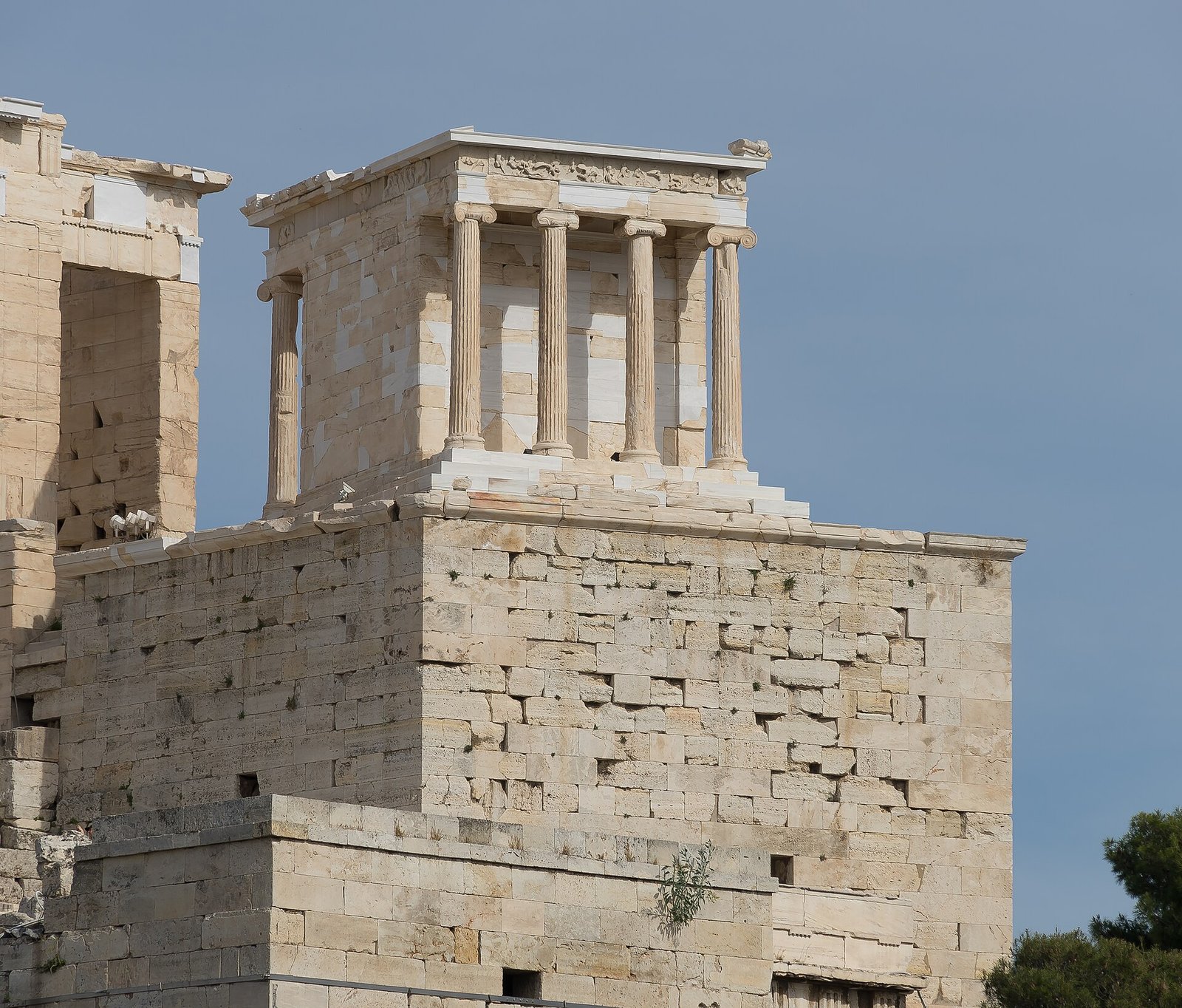
Acropolis and slopes
The Parthenon, surrounding sanctuaries, and elevated geography anchor the city’s classical story. Allow 2.5–4 hours. Use the first official entry or late slot outside extreme heat. Advance timed booking is strongly recommended. Paid admission and combination rules can change. Wear shoes with grip and follow heat-related closures. It is best suited to first-time, history, and architecture travelers; time-limited visitors should add Acropolis and slopes only when it fits the same area and current conditions.
Acropolis Museum
Archaeological context, sculpture, and views toward the hill make the site more intelligible. Allow 2–3 hours. Visit after the hill or during the hottest part of the day. Official advance tickets are useful in peak periods. Separate paid admission applies. Check bag, photography, and gallery rules. It is best suited to museum and history travelers; On a short Athens visit, Acropolis Museum should not force a cross-destination transfer.
Ancient Agora and Monastiraki
Civic ruins, a reconstructed stoa, market streets, and changing urban layers form a logical westward circuit. Allow 3–5 hours. Start at the site near opening, then enter market streets later. Official site ticketing should be checked. Paid archaeological admission applies. Secure valuables around crowded markets and rail entrances. It is best suited to history and street-life travelers; on a short stay, keep Ancient Agora and Monastiraki only when access and geography suit that day.
National Archaeological Museum
Major prehistoric, classical, and later collections provide depth impossible to gain from outdoor ruins alone. Allow 3–4 hours. Use a hot afternoon and choose priority galleries. Advance official tickets may help. Paid admission applies. Check renovation and gallery-opening notices before travel. It is best suited to serious history and art travelers; visitors with little time should retain National Archaeological Museum only if it stays near another priority.
Athens Riviera or Cape Sounion
Coastal swimming, promenades, or the Temple of Poseidon add Attica beyond the center. Allow Half to full day. Use a clear afternoon and check beach or site hours. Cape Sounion tours and priority beach facilities may need booking. Transport, beach facilities, and site admission are separate. Do not stack a distant cape trip before an evening ferry. It is best suited to coast, sunset, and repeat visitors; time-limited visitors should add Athens Riviera or Cape Sounion only when it fits the same area and current conditions.
A PRACTICAL ROUTE
Suggested itinerary
Central orientation
Arrive by official transport, walk Syntagma to Plaka, and keep the first evening near the base.
Acropolis
Use an early timed entry, descend to the museum, and rest before a Koukaki dinner.
Agora and markets
Visit the Ancient Agora first, then continue through Monastiraki and Psyrri without crossing east repeatedly.
National museum and hills
Use the museum during heat, then choose Lycabettus or a lower central viewpoint in safe conditions.
Coast or buffer
Use the tram for a relaxed coast day or a reserved Cape Sounion trip, retaining flexibility before onward ferries.
REALISTIC BUDGET
Estimated travel costs
Athens costs move most with March–May or September–November, booking timing, taxes, and the exact position of a room in Syntagma and Plaka. For Athens, let the final Euro (EUR) total control the decision. For Athens, its August 1, 2026 dollar conversion may differ at checkout.
TRAVEL WELL
Practical travel tips
- Book the Acropolis through the official system and obey heat-related site closures.
- Wear shoes with traction because marble and stone become slippery.
- Keep phones and wallets secured around Monastiraki, Omonia, and crowded transport.
- Verify the Piraeus gate and allow time inside the large port complex.
- Avoid a tight ferry-to-international-flight connection; wind and strikes can delay travel.
- Carry water, shade, and sun protection while respecting rules at archaeological sites.
- Reserve peak rooms, Acropolis entry, ferries, and priority tours early.
- Solo women should choose active late routes and use licensed taxis when station or port surroundings feel empty.
COMMON QUESTIONS
Athens travel FAQ
How many days do you need in Athens?
4–5 days is a practical first-visit range for Athens. If 4–5 days is not available, keep one compact Athens base and Acropolis and slopes; additional days are most useful as weather and transport buffers.
Is Athens expensive?
In Athens, a realistic daily planning range is €65–115 (about US$75–133) budget; €165–320 (about US$190–369) mid-range, per person. The main premiums are well-placed accommodation, travel during March–May or September–November, and private or guided versions of Acropolis and slopes.
Do you need a car in Athens?
No. Metro, buses, trams, walking, and taxis cover Athens. Rent a car only after leaving for a regional road trip.
What is the best month to visit Athens?
April and October often balance comfortable walking with broad opening hours, although holiday dates and heat can vary.
Is Athens safe for solo female travelers?
Athens is widely visited by solo women. The main issues are pickpockets and late transport routes, so secure valuables and use active streets. Before departing for Athens, review current government advice alongside local weather and transport notices.
What should you book in advance for Athens?
Reserve Acropolis entry, peak accommodation, island ferries, priority museums or tours, and any Cape Sounion excursion.
KEEP EXPLORING
Related The Wander Muse guides
PLAN WITH CURRENT INFORMATION
Official resources
For Athens, opening hours, fares, permits, weather rules, and transport arrangements can change. Before leaving for Athens, confirm the details that affect Acropolis and slopes directly with the official links below.