START HERE
Why visit Québec City
Québec City combines fortified streets, French-speaking culture, river views, museums, food, and true winter traditions in a compact historic center surrounded by larger regional landscapes. It suits history, food, couples, families, winter travel, festivals, architecture, and rail trips and works best when Old Québec fortifications and Lower Town and Petit-Champlain stay on separate compact days. A first visit works best when Old Québec fortifications, Lower Town and Petit-Champlain, and Musée de la civilisation are arranged around realistic transport and weather windows. Old Québec is best for a short first visit, Saint-Roch offers food and value, and Montcalm or Saint-Jean-Baptiste provides museums and quieter local streets. Québec City planning connects Québec City Jean Lesage International Airport (YQB), Gare du Palais, or intercity bus terminal, rtc bus, Old Québec, and Old Québec fortifications with the six-row Canadian dollar (CAD) budget and 3–4 days route below. Before booking Québec City, use the linked authorities to verify opening days, rtc bus, and any timed entry for Old Québec fortifications.
AT A GLANCE
Québec City quick travel summary
Québec City prices are planning ranges rather than quotes. For Québec City, compare the final checkout total—not only the advertised price—and verify every transfer or ticket inclusion.
WHEN TO GO
Best time to visit
Spring (March–May)
Across Québec City, expect mild days, changeable rain, and lengthening daylight; conditions near Old Québec fortifications can vary. For Québec City, crowds and prices are moderate except around school and public holidays. This period creates better conditions for Old Québec fortifications in Québec City; the main drawback is that visitors in Québec City should pack a waterproof layer and expect cool mornings. Snow, ice, extreme cold, festival calendars, cruise calls, fall-color peaks, and river weather create very different seasonal trips. Recheck Québec City weather and the operating status of Old Québec fortifications shortly before any weather-sensitive or reservation-dependent day.
Summer (June–August)
Across Québec City, expect the warmest weather and the longest usable days; conditions near Lower Town and Petit-Champlain can vary. This is the busiest and most expensive period for Québec City. Lower Town and Petit-Champlain is the most practical Québec City focus during this period. The limitation is that visitors in Québec City should reserve accommodation and timed attractions early. Snow, ice, extreme cold, festival calendars, cruise calls, fall-color peaks, and river weather create very different seasonal trips. Recheck Québec City weather and the operating status of Old Québec fortifications shortly before any weather-sensitive or reservation-dependent day.
Autumn (September–November)
Across Québec City, expect cooler air, changing foliage, and shorter daylight; conditions near Musée de la civilisation can vary. Expect lighter crowds after early September. For Québec City, this window favors Musée de la civilisation. Schedule it only after accounting for the fact that visitors in Québec City should check reduced hours and weather-sensitive services. Snow, ice, extreme cold, festival calendars, cruise calls, fall-color peaks, and river weather create very different seasonal trips. Recheck Québec City weather and the operating status of Old Québec fortifications shortly before any weather-sensitive or reservation-dependent day.
Winter (December–February)
Across Québec City, expect cold conditions with the possibility of rain, snow, or storms; conditions near Montmorency Falls can vary. Expect quiet periods interrupted by holiday peaks. This period creates better conditions for Montmorency Falls in Québec City; the main drawback is that in Québec City, transport disruption and limited daylight require buffers. Snow, ice, extreme cold, festival calendars, cruise calls, fall-color peaks, and river weather create very different seasonal trips. Recheck Québec City weather and the operating status of Old Québec fortifications shortly before any weather-sensitive or reservation-dependent day.
ARRIVING
How to get there
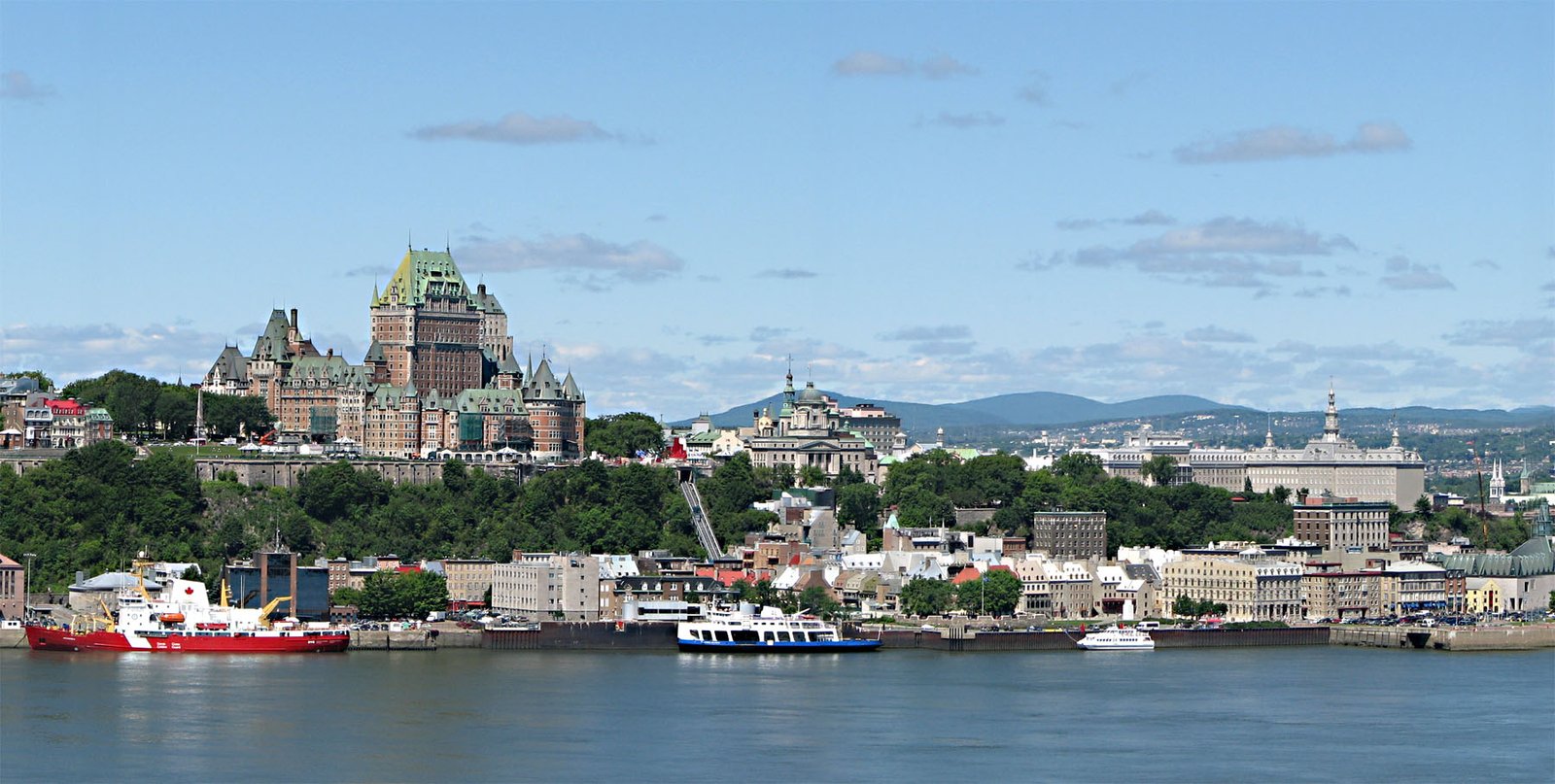
YQB connects by taxi, rideshare where authorized, rental car, and public bus routes whose frequency and transfers should be checked. VIA Rail and intercity buses arrive near Old Québec at Gare du Palais. Rail from Montréal is scenic but slower than the fastest road trip, while it avoids winter driving. Buy tickets through official operators and allow cold-weather or storm buffers. A taxi is easiest with luggage; public bus is cheapest. A rental car is unnecessary in the old city but useful for Île d’Orléans or Jacques-Cartier regional days.
MOVING AROUND
Getting around
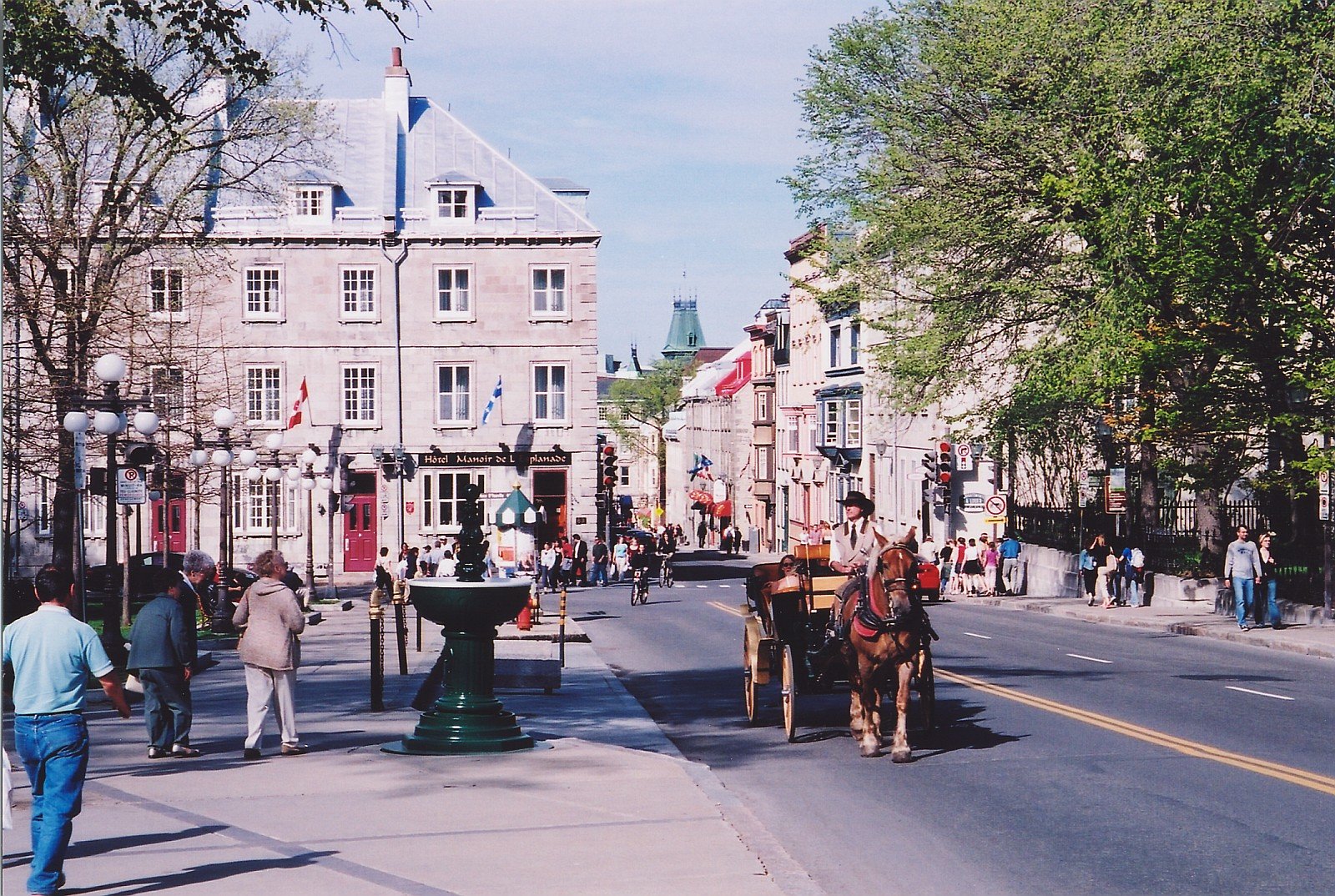
Upper and Lower Town are walkable but steep, with stairs, cobblestones, snow, and ice. The funicular helps between levels when operating, while RTC buses cover broader neighborhoods. Ferries cross to Lévis for river and skyline views on published schedules. Taxis are useful in severe weather. A car creates parking problems inside the walls and should be collected only for regional excursions. In winter, use traction, insulated footwear, and short outdoor intervals; accessibility routes require careful verification. For a 3–4 days visit, group Old Québec fortifications with Lower Town and Petit-Champlain, then protect Musée de la civilisation for the strongest weather or access window. Old Québec fortifications and Lower Town and Petit-Champlain belong on separate compact Québec City stages; that leaves room for a delayed rtc bus connection. Accessible Québec City planning needs four checks: rtc bus boarding, surfaces, restrooms, and the final approach to Old Québec fortifications.
CHOOSE A BASE
Where to stay
Old Québec — best for first-time visitors
Walls, historic streets, major sights, restaurants, and early or late atmosphere are immediate. Rooms and meals are expensive, cruise crowds gather, and cobbles complicate luggage.
Saint-Roch — best for budget and food
Restaurants, breweries, contemporary culture, transit, and often lower rooms suit younger travelers. The climb to Upper Town is significant and some blocks feel quiet late.
Montcalm or Saint-Jean-Baptiste — best for museums and neighborhood life
Art, parks, bakeries, and residential streets balance central access with calmer nights. Lower Town and the station require walking grades or buses.
PLAN YOUR DAYS
Best things to do
Old Québec fortifications
Walls, gates, military sites, squares, and upper-town views explain the city’s strategic geography. Allow 3–5 hours. Walk early or late outside cruise peaks. Public routes need no booking; guided and interior sites may. Street walking is free; museums vary. Use traction in winter and stay out of traffic lanes. It is best suited to first-time and history travelers; visitors with little time should retain Old Québec fortifications only if it stays near another priority.
Lower Town and Petit-Champlain
Historic commercial streets, Place Royale, river access, and architecture form a compact lower-city circuit. Allow 2–4 hours. Visit morning or evening after groups thin. No district reservation is needed; restaurants may. Public walking is free; funicular and museums vary. Expect stairs and avoid blocking shops for photographs. It is best suited to couples, families, and architecture travelers; on a short stay, keep Lower Town and Petit-Champlain only when access and geography suit that day.
Musée de la civilisation
Exhibitions connect Québec society, Indigenous perspectives, history, and contemporary life. Allow 2–4 hours. Use a poor-weather afternoon. Official advance tickets help during holidays. Paid admission and special exhibitions vary. Check language services and exhibition notices. It is best suited to families and cultural travelers; On a short Québec City visit, Musée de la civilisation should not force a cross-destination transfer.
Montmorency Falls
A high waterfall and gorge close to the city provide a seasonal nature outing. Allow 3–5 hours. Use safe daylight and check ice, wind, and trail status. Parking, cable car, or special activities may need booking. Site access and activities use current official rates. Obey closure barriers and prepare for spray or ice. It is best suited to families and outdoor travelers; time-limited visitors should add Montmorency Falls only when it fits the same area and current conditions.
Île d’Orléans
Farms, villages, food producers, and river landscapes support a slow regional circuit. Allow 5–8 hours. Visit in the operating season and confirm producer hours. Tours, tastings, and some meals need booking. Driving, tour, and purchases vary. Use a designated driver and respect private farmland. It is best suited to food, road-trip, and repeat visitors; visitors with little time should retain Île d’Orléans only if it stays near another priority.
A PRACTICAL ROUTE
Suggested itinerary
Upper Town
Arrive, walk the walls and central squares, and keep the first dinner near the accommodation.
Lower Town and museum
Descend once, explore Petit-Champlain, and use the Musée de la civilisation without repeated hill climbs.
Montmorency Falls
Take official transport or a car in safe conditions, then return for Saint-Roch food.
Île d’Orléans or winter city
Use a responsible regional food route, or retain a weather-adjusted festival and museum day.
REALISTIC BUDGET
Estimated travel costs
Québec City costs move most with May–October; January–February for a prepared winter trip, booking timing, taxes, and the exact position of a room in Old Québec. Keep the Québec City budget in Canadian dollar (CAD). Rounded dollar equivalents for Québec City use August 1, 2026 reference rates; actual card statements will differ.
TRAVEL WELL
Practical travel tips
- Begin interactions in French and switch languages politely when needed.
- Add taxes and restaurant tips to displayed prices when building the budget.
- Wear insulated waterproof footwear and traction during winter ice.
- Check cruise schedules and visit the narrow old-city streets early.
- Use buses and walking in the center; collect a car only for a regional day.
- Reserve festival and fall-color rooms, trains, priority dining, and winter activities early.
- Confirm producer and museum hours around Sundays, holidays, and shoulder season.
- Solo women generally travel comfortably; use active routes and taxis when snow or quiet lower-city streets make walking impractical.
COMMON QUESTIONS
Québec City travel FAQ
How many days do you need in Québec City?
3–4 days is a practical first-visit range for Québec City. If 3–4 days is not available, keep one compact Québec City base and Old Québec fortifications; additional days are most useful as weather and transport buffers.
Is Québec City expensive?
In Québec City, a realistic daily planning range is C$115–185 (about US$82–132) budget; C$280–500 (about US$200–356) mid-range, per person. Costs rise fastest when a Québec City trip combines the most convenient base with peak-season rooms and privately arranged outings.
Do you need a car in Québec City?
No. Old Québec is walkable and buses, taxis, ferry, and funicular cover the city. Rent a car only for regional excursions.
What is the best month to visit Québec City?
September often offers comfortable weather and early foliage, while February is best only for travelers prepared for true cold.
Is Québec City safe for solo female travelers?
Québec City is generally comfortable for solo women. Ice, cold, and quiet late streets may justify a taxi more often than security concerns. Recheck official travel advice for Québec City, then compare it with the latest conditions affecting Old Québec fortifications.
What should you book in advance for Québec City?
Reserve festival or foliage rooms, VIA Rail, priority restaurants, winter activities, and regional food tours.
KEEP EXPLORING
Related The Wander Muse guides
PLAN WITH CURRENT INFORMATION
Official resources
For Québec City, opening hours, fares, permits, weather rules, and transport arrangements can change. Use these official links to confirm what is operating during May–October; January–February for a prepared winter trip, rather than relying on an older itinerary.