START HERE
Why visit New York City
New York City rewards travelers who combine skyline views, landmark museums, performing arts, waterfronts, and intensely distinct neighborhoods with enough time for park walks, independent bookstores, long lunches, and neighborhood evenings beyond the main icons. It is especially rewarding for museums, architecture, food, theater, solo travel, families, shopping, and urban photography. The map compresses five boroughs into misleading proximity; transfers, queues, security, and crowded sidewalks can consume hours. Chelsea or Flatiron is the most balanced first base, Upper West Side offers parks and calmer evenings, and Long Island City suits visitors prioritizing transit value and skyline access. This New York City guide explains arrival choices, local transportation, seasonal trade-offs, five priority experiences, six-part costs in USD, and a practical 5–7 days route. Before paying for a New York City booking, confirm current weather limits, closures, permits, subway, and timed entry through an official source.
AT A GLANCE
New York City quick travel summary
For New York City, major observation decks and attractions commonly us$30–50. New York City estimates can exclude taxes; verify Walk Central Park with one nearby museum fees, card charges, transport, and seasonal supplements.
WHEN TO GO
Best time to visit
Spring (March–May)
Across New York City, expect cool-to-mild days, blossoms, rain showers, and fast temperature changes; conditions near Walk Central Park with one nearby museum can vary. Crowd and price pressure is moderate outside holiday weeks. The strongest reason to travel then is comfortable walking, greener parks, and a broad cultural calendar; the trade-off is that rain and late cold snaps still affect outdoor reservations. Heat, snow, heavy rain, service changes, major events, street closures, and timed-entry sellouts can still change a carefully planned day, so retain one lower-risk alternative and check official forecasts, road or marine notices, and reservation calendars shortly before every exposed outing.
Summer (June–August)
Across New York City, expect warm-to-hot afternoons, long daylight, and occasional storms or smoke; conditions near See Lower Manhattan and the Brooklyn Bridge early can vary. Crowd and price pressure is high during school holidays. The strongest reason to travel then is maximum operating hours and long evenings; the trade-off is that heat, higher room prices, and attraction queues require early starts. Heat, snow, heavy rain, service changes, major events, street closures, and timed-entry sellouts can still change a carefully planned day, so retain one lower-risk alternative and check official forecasts, road or marine notices, and reservation calendars shortly before every exposed outing.
Autumn (September–November)
Across New York City, expect mild early weeks followed by cooler air, wind, and shorter daylight; conditions near Choose one observation deck can vary. Crowd and price pressure is moderate after early September. The strongest reason to travel then is clearer walking weather, seasonal food, and autumn color; the trade-off is that weather turns quickly and some seasonal services reduce. Heat, snow, heavy rain, service changes, major events, street closures, and timed-entry sellouts can still change a carefully planned day, so retain one lower-risk alternative and check official forecasts, road or marine notices, and reservation calendars shortly before every exposed outing.
Winter (December–February)
Across New York City, expect cold conditions, limited daylight, rain or snow, and possible ice; conditions near Spend an evening in a neighborhood beyond Times Square can vary. Crowd and price pressure is lower outside holidays. The strongest reason to travel then is museums, winter atmosphere, and easier reservations; the trade-off is that storms and transport disruption can compress an ambitious plan. Heat, snow, heavy rain, service changes, major events, street closures, and timed-entry sellouts can still change a carefully planned day, so retain one lower-risk alternative and check official forecasts, road or marine notices, and reservation calendars shortly before every exposed outing.
ARRIVING
How to get there
JFK connects by AirTrain plus subway or Long Island Rail Road; Newark uses AirTrain and New Jersey Transit; LaGuardia relies on buses, taxis, and app rides. Compare the complete route to the hotel, including station stairs and late-night service. Use the official taxi line, understand tolls and airport surcharges, and never accept a terminal solicitation. From JFK, LaGuardia (LGA), or Newark (EWR), compare luggage handling and service hours through to Chelsea or Flatiron; the cheapest New York City fare may leave an impractical final connection. For a late JFK, LaGuardia (LGA), or Newark (EWR) arrival, get the New York City transfer instructions in writing and decline undocumented rides.
MOVING AROUND
Getting around
The subway is the default for long north–south journeys, while buses help with crosstown gaps and ferries create useful waterfront connections. Tap-to-pay rules and fare caps can change, so consult the MTA. Keep each day within one or two adjacent districts and inspect weekend service changes before leaving. Group Lower Manhattan with the Brooklyn waterfront, Midtown with one observation deck, Central Park with one museum, and a separate neighborhood day. This New York City order avoids repeated transfers and keeps See Lower Manhattan and the Brooklyn Bridge early available when weather, queues, or transport disrupt Walk Central Park with one nearby museum. Accessible New York City plans should verify subway boarding, surfaces, restrooms, and the final approach to Walk Central Park with one nearby museum.
CHOOSE A BASE
Where to stay
Chelsea or Flatiron — best for balanced first visits
Multiple subway lines, walkable food, and proximity to Midtown, the High Line, and downtown create efficient days. Rooms are expensive and avenue traffic can be loud. A room labeled Chelsea or Flatiron can still be inconvenient in New York City; check its location, after-dark route, and connection.
Upper West Side — best for parks and calmer evenings
Central Park, Riverside Park, museums, groceries, and strong subway access suit longer stays. Downtown and Brooklyn nights require longer returns. Before selecting Upper West Side, compare the New York City walking distance, luggage transfer, late arrival plan, and refund terms.
Long Island City — best for transit value and skyline access
Fast subway links into Midtown and modern rooms can offer better space for the price. The atmosphere changes block by block and late-night dining is less dense. For Long Island City, verify the exact New York City block, evening access, transfer time, and cancellation terms.
PLAN YOUR DAYS
Best things to do
Walk Central Park with one nearby museum
Central Park gives scale, quiet, design history, and an outdoor counterpoint to nearby museums. Allow 3–6 hours with one museum. Choose a defined loop, reserve the museum if necessary, and use daylight for quieter northern sections. The park is free; major museums commonly request or charge roughly US$25–35.. Walk Central Park with one nearby museum must fit the traveler’s ability and current New York City conditions; wildlife distances remain firm.
See Lower Manhattan and the Brooklyn Bridge early
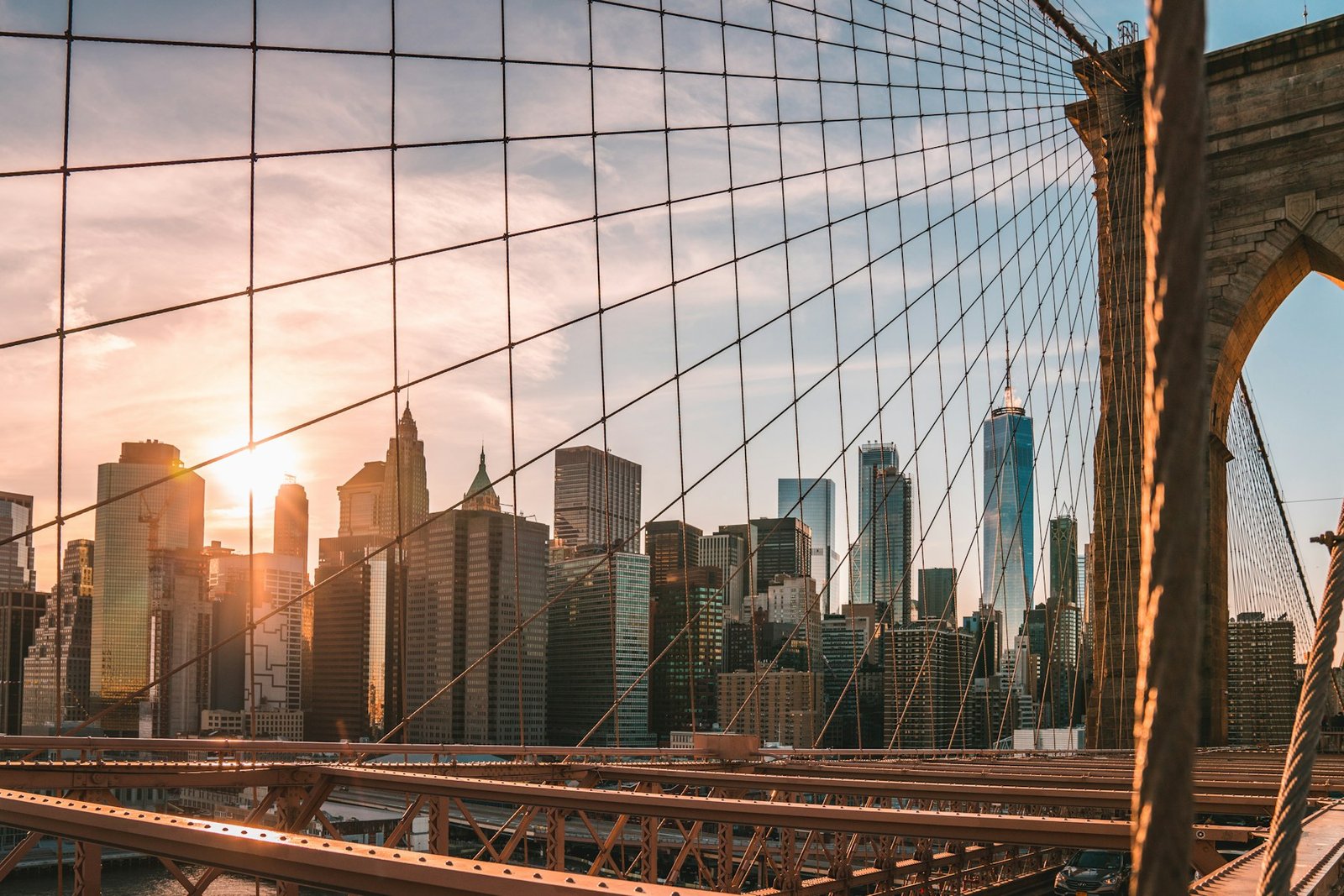
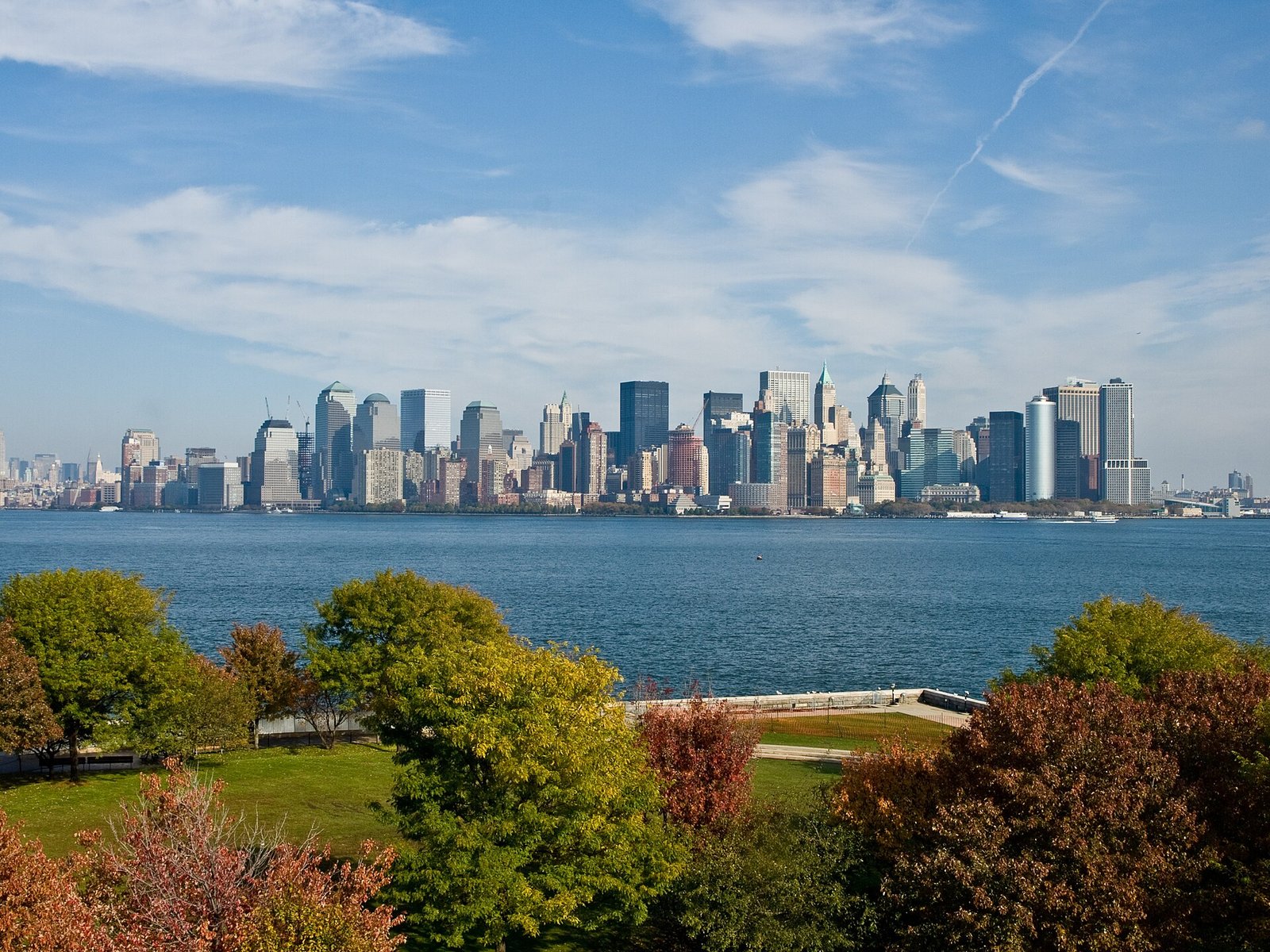
Lower Manhattan connects immigration history, memorial spaces, harbor views, civic architecture, and the Brooklyn Bridge. Allow 5–8 hours. Start early, treat the 9/11 Memorial with respect, and cross the bridge outside the busiest midday period. Outdoor landmarks are free; museums and the Statue of Liberty commonly require paid timed tickets.. Before See Lower Manhattan and the Brooklyn Bridge early, verify New York City access, then assess the fitness demands and return connection for See Lower Manhattan and the Brooklyn Bridge early.
Choose one observation deck
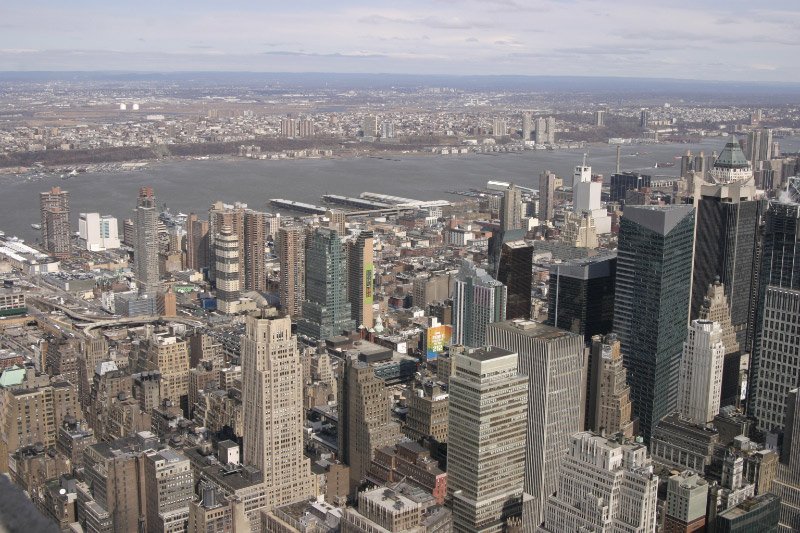
One well-chosen observation deck explains Manhattan geography better than stacking several expensive versions. Allow 2–3 hours. Compare view direction, indoor space, sunset premium, weather policy, and entry queue before reserving. Major decks commonly cost about US$30–50 before premium times and add-ons.. For Choose one observation deck, let New York City access rules and staff instructions set the safe limit.
Spend an evening in a neighborhood beyond Times Square
An evening outside Times Square reveals the restaurants, music, streets, and local rhythm that distinguish New York neighborhoods. Allow 3–5 hours. Choose one area such as the West Village, Harlem, Astoria, or Williamsburg and plan the late return before drinking. Walking is free; food, performances, and app rides vary widely.. Confirm transport to Spend an evening in a neighborhood beyond Times Square, then follow any New York City closure, barrier, or guide direction.
The High Line, Chelsea, and a neighborhood food evening
The High Line and Chelsea combine adaptive architecture, galleries, public art, food, and Hudson River light. Allow 3–5 hours. Walk early or late, exit for gallery blocks rather than treating the elevated park as a race, and check seasonal hours. The High Line is free; gallery access is often free, while meals and special exhibitions vary.. The High Line, Chelsea, and a neighborhood food evening must fit the traveler’s ability and current New York City conditions; wildlife distances remain firm.
A PRACTICAL ROUTE
Suggested itinerary
Arrive and orient
Reach Chelsea or Flatiron, settle in near Chelsea or Flatiron, check subway hours, and orient only around the route to Walk Central Park with one nearby museum.
Walk Central Park with one nearby museum
Use the first full itinerary stage for walk central park with one nearby museum. After Walk Central Park with one nearby museum, eat near Chelsea or Flatiron instead of adding a cross-New York City transfer.
See Lower Manhattan and the Brooklyn Bridge early
Build the next itinerary stage around see lower manhattan and the brooklyn bridge early, adding choose one observation deck only if New York City access and the transfer from Chelsea or Flatiron remain practical.
A different side of the destination
Use Upper West Side or Long Island City to reach spend an evening in a neighborhood beyond times square with less backtracking. Keep an independent meal, rest, or indoor alternative.
Flexible priority and departure
Choose the high line, chelsea, and a neighborhood food evening, repeat time near Chelsea or Flatiron, or recover Walk Central Park with one nearby museum after a weather delay. End the New York City route with a real buffer for luggage, traffic, security, and the JFK, LaGuardia (LGA), or Newark (EWR) connection.
REALISTIC BUDGET
Estimated travel costs
New York City costs move most with April–June or September–December, the location of Chelsea or Flatiron, and the choice between subway and private transfers. Treat New York City’s dollar figures as orientation. They convert US dollar (USD) at August 1, 2026 reference rates for New York City, before later market movement or payment fees.
TRAVEL WELL
Practical travel tips
- Plan by neighborhood and avoid crossing Manhattan repeatedly for isolated checklist stops.
- Check MTA service changes before every weekend, overnight, or airport journey.
- Use official taxi lines and ignore unsolicited drivers inside airport terminals.
- Reserve priority theater, observation decks, Statue of Liberty access, and special exhibitions early.
- Keep phones and wallets controlled in dense stations, and stand away from platform edges.
- Carry comfortable shoes, a refillable bottle, and layers because walking and indoor temperatures vary.
- Budget sales tax, restaurant tips, resort or destination fees, and attraction surcharges beyond listed prices.
- Solo women should use busy streets and staffed stations late, change cars if behavior feels unsafe, and share the route home after nightlife.
COMMON QUESTIONS
New York City travel FAQ
How many days do you need in New York City?
5–7 days is a realistic first-visit range for New York City. If 5–7 days is not possible, keep Chelsea or Flatiron and Walk Central Park with one nearby museum; extra New York City days should absorb recovery, weather, or reservation changes.
Is New York City expensive?
A practical daily planning range is US$130–220 budget; US$320–600 mid-range, per person. For New York City, room location, peak dates, private transport, permits, and guided access to Walk Central Park with one nearby museum drive the largest increases; compare full inclusions, not headline prices.
Which airport is best for New York City?
The best airport depends on airfare, arrival hour, luggage, and the final hotel connection. JFK and Newark have rail combinations; LaGuardia often works well for Manhattan by bus or licensed car.
Do you need a MetroCard?
The system has been transitioning toward contactless fare payment. Check current MTA guidance for accepted media, fare caps, reduced fares, and any remaining MetroCard arrangements.
Is Times Square a good place to stay?
It is transport-rich and convenient for Broadway, but bright, crowded, and expensive. Chelsea, the Upper West Side, or Long Island City can provide a calmer base.
What should you reserve first?
Book peak rooms, a priority show, the Statue of Liberty if desired, special museum exhibitions, and one observation deck. Leave parks and neighborhood walking flexible.
KEEP EXPLORING
Related The Wander Muse guides
PLAN WITH CURRENT INFORMATION
Official resources
Opening hours, fares, permits, weather rules, and transport arrangements in New York City can change. Use the linked authorities to recheck New York City access, opening times, and transport before departure.