START HERE
Why visit Boston
Boston packs revolutionary history, universities, major art collections, waterfront views, and distinctive neighborhoods into a compact city that rewards walking. It is a strong choice for first-time New England visitors, history enthusiasts, families, solo travelers, and couples who prefer a city break with easy rail connections. Three days cover the Freedom Trail, Back Bay, and one museum; four or five allow Cambridge, the harbor, and a slower food-focused neighborhood day. This guide explains the seasons, Logan Airport transfer, public transport, accommodation areas, reservations, costs, and a route that avoids repeatedly crossing the Charles River. Boston’s apparent compactness can be deceptive: uneven brick sidewalks, winter weather, and older stations affect mobility, so choose a well-connected base and group each day by neighborhood.
AT A GLANCE
Boston quick travel summary
Boston budgets below are planning ranges, not quotes. For Boston, exchange rates, taxes, seasonal demand, event dates, and operator terms can change the final amount, so confirm current details before booking.
WHEN TO GO
Best time to visit
Spring (March–May)
March can still feel wintry, while April and May bring blossoms, rain, and gradually warmer walking weather. University events and graduation weekends can push hotel prices sharply upward. Pack waterproof shoes and layers. Late April and May are good for the Freedom Trail, Arnold Arboretum, and harbor walks, but confirm seasonal boat schedules.
Summer (June–August)
Summer brings warm days, harbor activity, baseball, outdoor dining, and the largest leisure crowds. Hotel rates are usually high, and humidity or heat waves can make long Freedom Trail walks tiring. Begin outdoor sightseeing early, reserve popular tours, and use museums during the hottest hours. Coastal fog and cooler evenings still justify a light layer.
Fall (September–November)
September and October combine comfortable temperatures with New England foliage trips and a busy academic calendar. The city is beautiful, but accommodation can be expensive because urban demand overlaps with regional leaf-peeping season. Walk Beacon Hill early, book harbor activities before seasonal reductions, and expect shorter daylight by late October.
Winter (December–February)
Cold, wind, snow, and icy sidewalks make winter the least predictable period, but museums, concerts, and restaurants remain worthwhile and rates can be lower outside holidays. Wear insulated waterproof footwear and allow extra transit time. The season suits travelers prioritizing culture and food over harbor cruises or long outdoor routes.
ARRIVING
How to get there
Boston Logan International Airport sits close to the center. The MBTA Silver Line connects airport terminals with South Station, while Massport shuttle buses link terminals to the Blue Line at Airport station; check current fare rules and service notices before arrival. Water transport can be scenic but has limited schedules and is not ideal for every hotel. Taxis and app-based rides are convenient with luggage, though tunnel traffic can lengthen a short geographic journey. Amtrak and regional trains arrive at South Station for downtown and the Seaport, and at Back Bay for Copley Square and nearby hotels. Travelers coming from New York, Providence, or Portland should compare rail with the full airport process. A rental car is unnecessary in central Boston and hotel parking is expensive.
MOVING AROUND
Getting around
The MBTA subway—locally called the T—covers the main visitor districts, with buses and commuter rail extending farther. Pay by the current MBTA fare system and check planned service changes, which are common on evenings and weekends. Central Boston is highly walkable, but colonial street patterns can be confusing and brick sidewalks are uneven. Ferries are useful for selected harbor journeys when operating. Bluebikes work for confident cyclists, though traffic and limited protected lanes require care. Avoid driving unless the itinerary includes rural New England; one-way streets, narrow roads, and parking costs outweigh the benefit. Travelers requiring step-free access should review station elevator information because older stations and entrances vary.
CHOOSE A BASE
Where to stay
Back Bay — best for first-time visitors
Back Bay offers attractive streets, many restaurants, shopping, the Public Garden, and access to several T stations. It is convenient for both downtown and Cambridge connections. Rooms are often expensive and traffic is busy, but the area gives the clearest all-round base for a short trip.
Downtown, North End, or Waterfront — best for history
Staying near the Freedom Trail places early-morning historic sights, Faneuil Hall, the harbor, and North End dinners within walking distance. It suits first visits and travelers with limited time. The tourist core can feel crowded, nightlife is uneven by block, and prices rise around waterfront events.
Cambridge or Somerville — best for longer stays and local evenings
Harvard Square, Porter Square, and selected Somerville neighborhoods add bookstores, university culture, music, and independent restaurants. They suit repeat visitors and travelers seeking a neighborhood base. Reaching waterfront sights takes longer, and a room far from the Red Line can be inconvenient, so verify the exact station walk.
PLAN YOUR DAYS
Best things to do
Freedom Trail
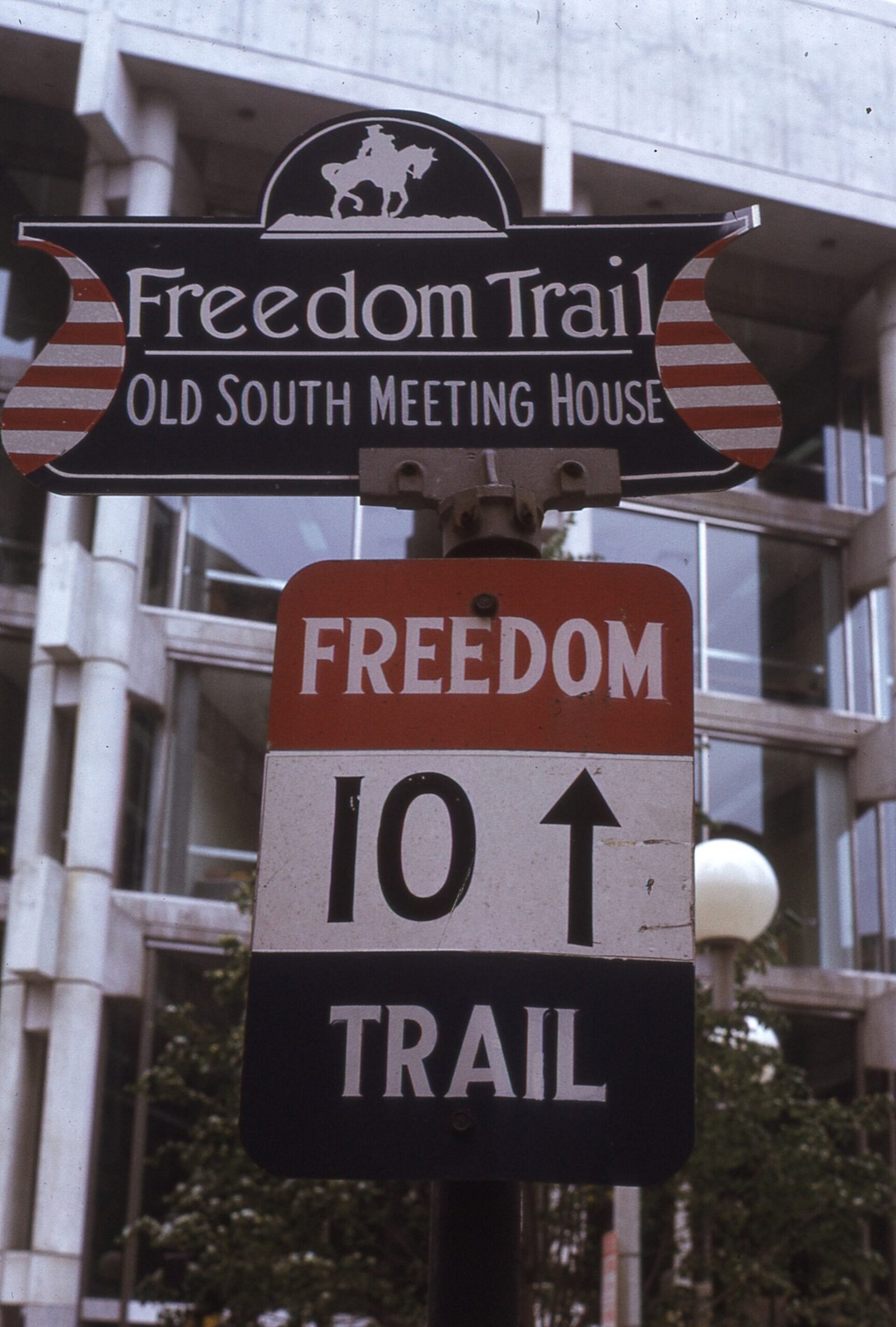
The marked route links Boston Common with key revolutionary sites and continues toward Charlestown. Walking the full trail with interior visits takes most of a day; a focused central section needs three to four hours. Start early to avoid tour groups and heat. The outdoor route is free, but individual buildings have separate hours, suggested donations, or admission. A guided tour adds context for first-time visitors.
Boston Common, Public Garden, and Beacon Hill
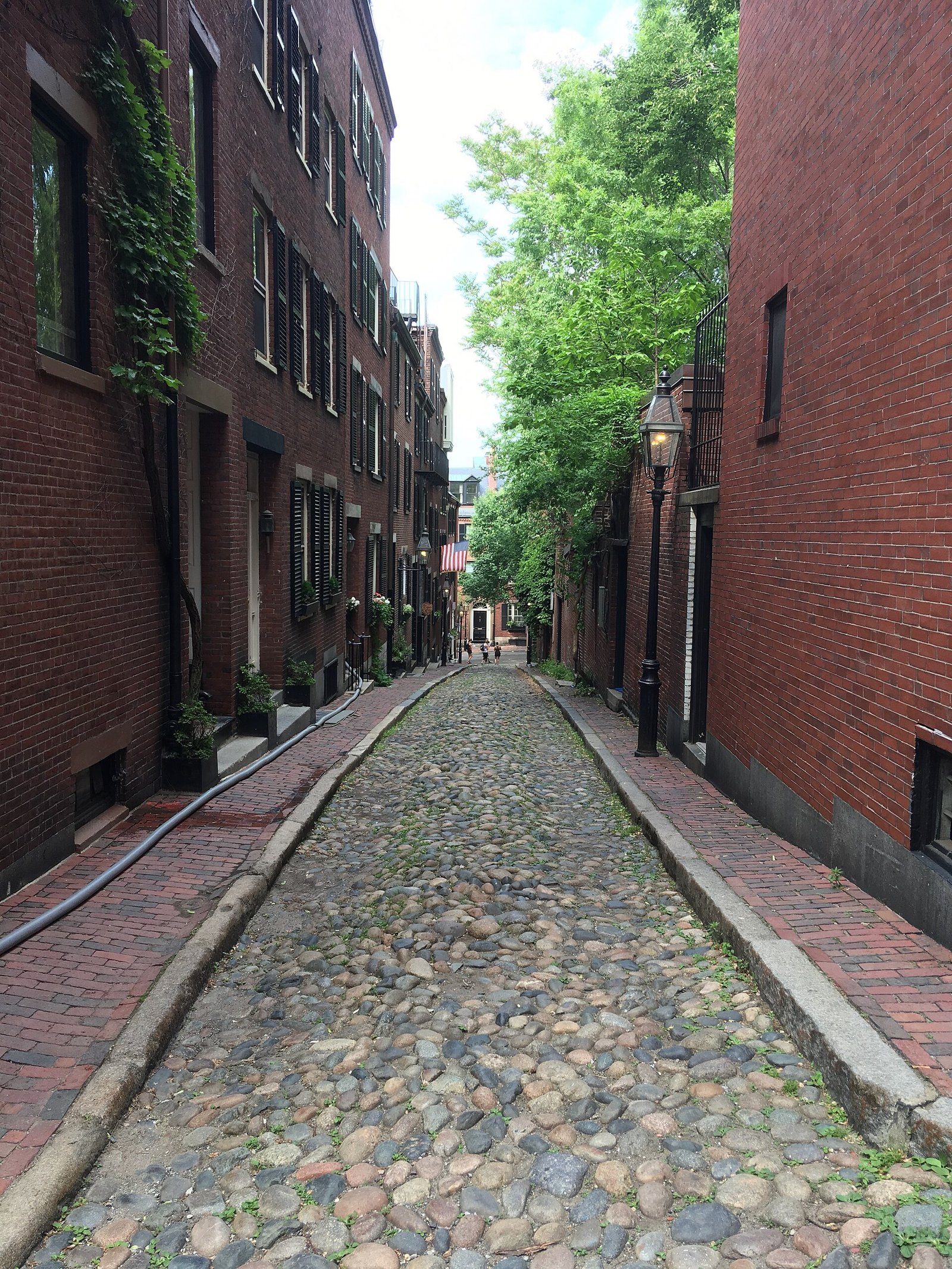
These adjacent areas combine public green space, historic streets, and classic city views in an easy two-hour walk. Early morning is quietest on Acorn Street and residential lanes. Respect private homes, avoid blocking doorways, and do not treat the neighborhood as a photo set. The parks are free and suit nearly all visitors, though cobbles and slopes can affect accessibility.
Museum of Fine Arts
The MFA’s collections span ancient art, European painting, American works, textiles, photography, and global traditions. Allow three hours for selected galleries or half a day for a deeper visit. Reserve or buy admission ahead on busy weekends and check which special exhibitions require timed entry. It is a strong rainy-day, winter, and repeat-visit anchor.
Harvard and Cambridge
Harvard Yard, university museums, bookstores, and the streets around Harvard Square create a half-day excursion. Campus access and tour availability can change, so consult official visitor information and respect restricted buildings. Weekday mornings feel more academic; evenings are good for restaurants and performances. Pair Harvard with another Red Line stop instead of returning across the river repeatedly.
Boston Harbor
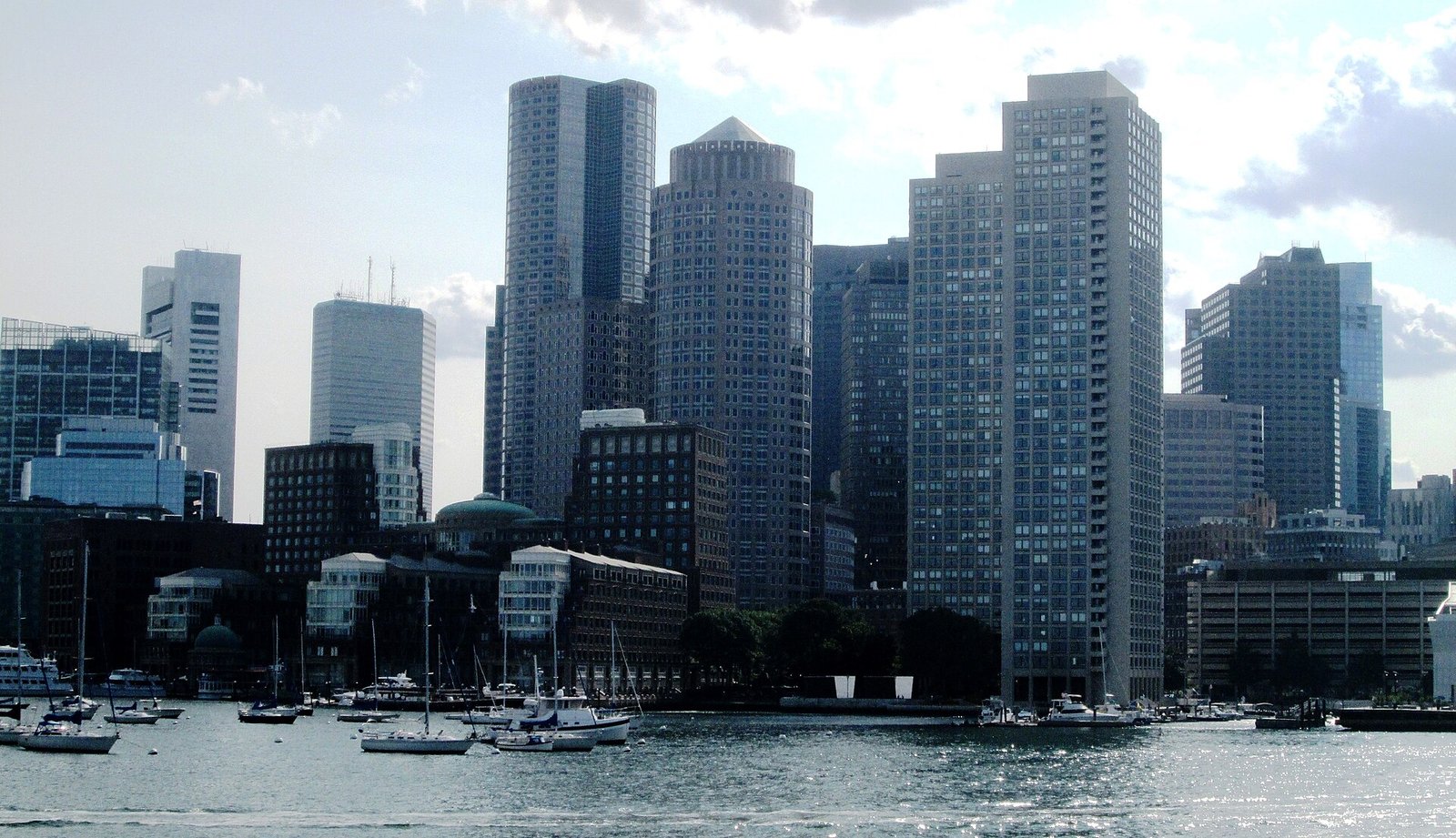
The Harborwalk, ferries, islands, and seasonal cruises reveal Boston’s maritime geography. A waterfront walk needs one to two hours; an island or whale-watching trip requires most of a day and advance booking. Schedules depend on season and weather. Travelers prone to motion sickness should prepare accordingly, and everyone should bring a windproof layer.
A PRACTICAL ROUTE
Suggested itinerary
Historic core
Begin at Boston Common, cross the Public Garden, and follow the Freedom Trail through downtown and the North End. Stop for interior sites selectively, then finish with dinner nearby rather than returning to Back Bay first.
Back Bay and art
Walk Copley Square and the Commonwealth Avenue Mall, then spend the central part of the day at the Museum of Fine Arts or Isabella Stewart Gardner Museum. Reserve the chosen museum in advance.
Cambridge
Take the Red Line to Harvard Square, explore the yard and one museum, then continue to Central Square or Somerville for dinner and live events. Keep the entire day north of the river.
Waterfront
Walk the Harborwalk and choose a seasonal ferry, islands excursion, or museum. Allow weather to determine the exact plan and keep a downtown indoor alternative.
Flexible New England day
Add the John F. Kennedy Presidential Library, a Fenway Park tour or game, or a nearby coastal rail trip. Avoid renting a car solely for a destination served efficiently by commuter rail.
REALISTIC BUDGET
Estimated travel costs
USD equivalents for Boston are rounded planning comparisons where shown. For Boston, check local tax, gratuity, accommodation fees, and cancellation terms before payment.
TRAVEL WELL
Practical travel tips
- Check the university calendar before booking: graduation, move-in, and reunion weekends can make accommodation scarce and expensive.
- Wear shoes suitable for brick, cobblestones, winter slush, and long distances. A short map distance may still be uncomfortable with luggage.
- Do not photograph or crowd private Beacon Hill doorways. Keep voices low on residential streets and give residents space.
- Seafood prices vary and market items may be listed without a fixed price. Ask before ordering and account for tax and gratuity.
- Cards are widely accepted; a small cash reserve is useful for tips, older businesses, and market purchases.
- Save MBTA service alerts and offline walking directions. Mobile data is dependable in central areas, with prepaid U.S. eSIM options for unlocked phones.
- Book seasonal harbor trips early but choose a flexible or refundable option when weather disruption would affect the experience.
- Solo travelers should use populated stations late at night and verify the final walk to accommodation, particularly when an older station has multiple exits.
COMMON QUESTIONS
Boston travel FAQ
How many days do you need in Boston?
Three days cover the historic center, Back Bay, and Cambridge at a brisk pace. Four or five days allow museums, the harbor, and neighborhood time without rushing.
Is Boston a walkable city?
Yes, most central sights are walkable, but uneven brick, cobblestones, hills, and winter conditions can be challenging. Use the T between distant clusters.
Do you need a car in Boston?
No for a city stay. Public transit, walking, ferries, and taxis are more practical. Rent a car only for a regional route not well served by rail or bus.
What is the best month to visit Boston?
May, June, September, and early October are strong choices. September often balances comfortable weather with full visitor services, although hotel demand remains high.
Is the Freedom Trail free?
The outdoor route is free to walk. Some historic buildings and guided tours charge admission or request donations, and operating hours vary.
Is Boston safe for solo female travelers?
Many women visit independently. Apply normal city precautions, use well-lit routes, check late-night transit frequency, and avoid isolated waterfront sections after activity has ended.
KEEP EXPLORING
Related The Wander Muse guides
CHECK BEFORE DEPARTURE
Sources and official resources
Schedules, fares, closures, and timed-entry systems affecting Boston can change. Recheck the official resources below shortly before departure.