

START HERE
Why visit Nantucket
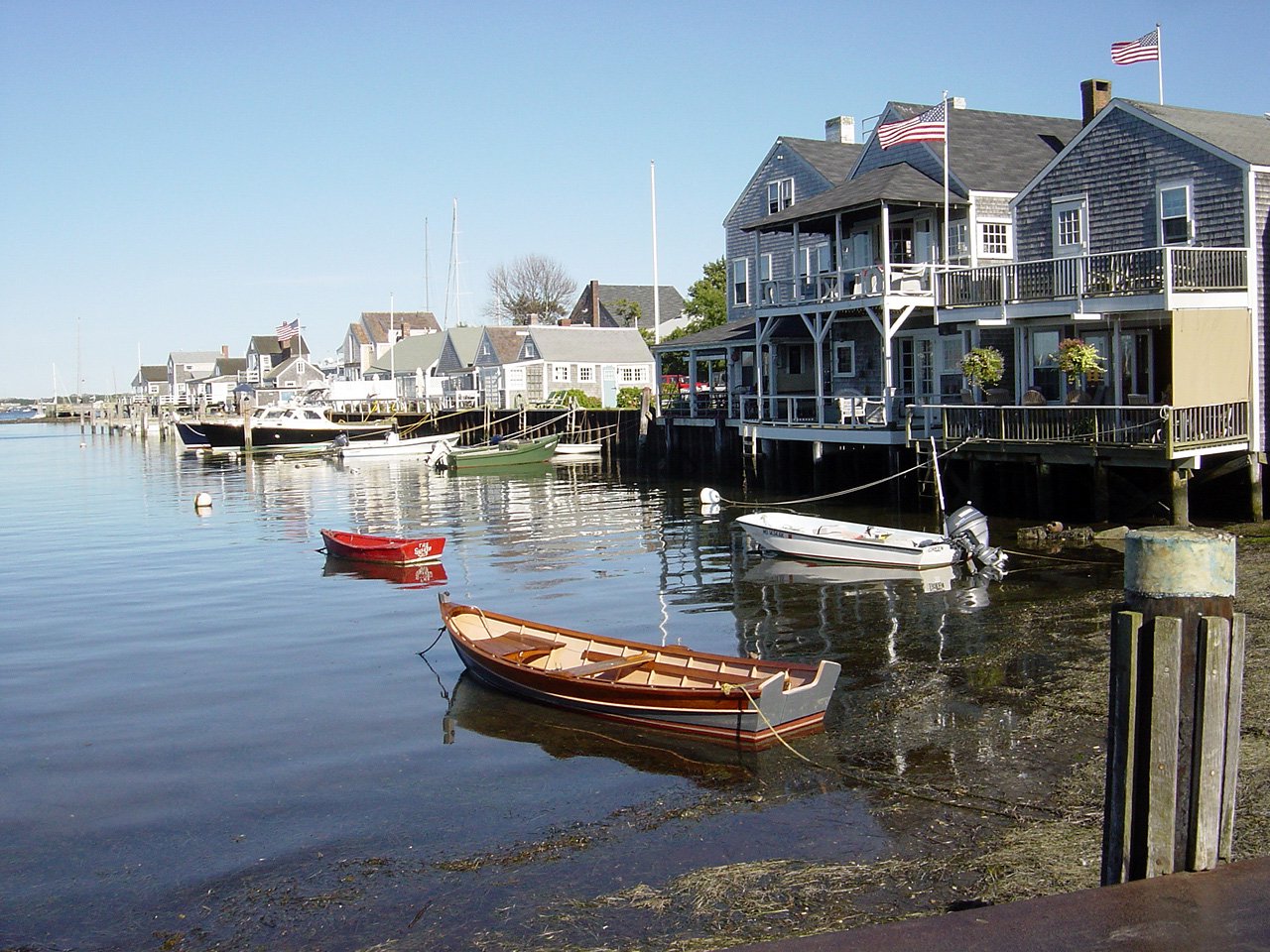
Nantucket combines a remarkably preserved whaling-era town, shingled villages, dunes, moors, lighthouses, and exposed Atlantic beaches on an island that changes dramatically with the season. It suits couples, history travelers, cyclists, families, photographers, and New England itineraries that prioritize atmosphere over a long attraction list. Four days allow the town, one eastern village, a cycling or nature day, and weather flexibility without bringing a car. This guide explains ferries and flights, island transport, accommodation bases, realistic costs, beaches, and a practical route. The central planning constraint is scarcity: summer rooms, vehicle ferry space, bicycles, restaurants, and weather-dependent transport fill or change quickly. Reserve the essentials, travel with manageable luggage, and understand that beautiful ocean conditions can still be cold, rough, foggy, or unsafe.
AT A GLANCE
Nantucket quick travel summary
Nantucket is expensive in summer, with limited rooms and transport capacity. Use these as planning ranges and verify ferry, luggage, bicycle, minimum-stay, tax, and cancellation terms.
WHEN TO GO
Best time to visit
Spring (March–May)
March and April are cold, windy, and quiet, with limited seasonal businesses. May brings flowers, events, and increasing ferry frequency, but fog and cool ocean air remain. Prices can be lower than summer except special weekends. Pack warm waterproof layers, verify restaurant hours, and choose history, cycling, and walks rather than assuming beach-swimming conditions.
Summer (June–August)
Summer has the warmest weather, full services, busy beaches, high room prices, and tightly booked ferries. Fog, wind, cold water, and rip currents still occur. Reserve lodging and dinner priorities early, arrive before ferry check-in deadlines, and use buses or bicycles rather than bringing a car. Weekend streets and popular beaches become crowded.
Fall (September–November)
September often offers warm days and open businesses after family crowds ease, while October brings cooler evenings, harvest atmosphere, and reduced schedules. November becomes quiet and storm-prone. Prices soften outside events. Fall suits cycling, food, and history, but shorter daylight and changing ferry schedules require careful planning.
Winter (December–February)
Winter is cold, windy, and isolated, with storms capable of disrupting ferries and flights. Year-round residents and selected businesses remain, but a resort-style visit is unavailable. This season suits quiet retreats and travelers comfortable with limited choice. Use refundable plans, verify heating and groceries, and never schedule a critical mainland connection without a weather buffer.
ARRIVING
How to get there
Most visitors reach Nantucket by passenger ferry from Hyannis, with operators offering different vessel types, journey times, baggage policies, and seasonal schedules. Steamship Authority also carries vehicles on designated services, but reservations are constrained and a car is unnecessary for many stays. Flights arrive at Nantucket Memorial Airport from selected origins, with frequency affected by season and weather. From Cape Cod or Boston, compare the complete route including parking, bus connections, ferry check-in, and luggage limits. The easiest trip is a passenger ferry with a downtown hotel and manageable bags; flying can save time only when connections align. Arrive before the operator’s stated cutoff, keep essential medicine in hand luggage, and leave a weather buffer before an international flight or important event.
MOVING AROUND
Getting around
Nantucket Town is compact and walkable, while the NRTA’s seasonal Wave bus network links several beaches and villages according to current routes. Bicycles are excellent on designated paths to Siasconset, Madaket, and other areas for riders prepared for wind and distance. Reserve an appropriate bicycle, wear a helmet, use lights, and avoid sandy road edges. Taxis and rideshare availability fluctuate, especially late at night. Bringing a car requires expensive vehicle-ferry planning, parking, and narrow-road patience. Beach vehicles need permits and knowledge of conditions. Most first-time visitors should walk, bus, cycle selected paths, and use an authorized tour for remote natural areas.
CHOOSE A BASE
Where to stay
Nantucket Town — best for first-time visitors and car-free stays
The town puts ferries, museums, restaurants, shops, and bus routes within walking distance. It suits short visits, couples, and travelers with light luggage. Summer rates are extremely high, historic inns have small rooms and stairs, and street noise varies. Confirm air-conditioning, elevator access, and distance from the ferry rather than assuming every town address is effortless.
Siasconset — best for village scenery and quiet
Sconset offers shingled cottages, rose-covered lanes, coastal walks, and a slower rhythm on the island’s east side. It suits repeat visitors and couples seeking calm. Restaurant and transport choice is limited, buses are seasonal, and returning after dinner requires planning. Respect private cottage paths and verify whether accommodation includes bicycle storage or a shuttle.
Madaket or Surfside area — best for sunsets or beach access
Madaket is known for western sunsets, while Surfside places broad south-shore beaches closer. Both suit families and longer stays with kitchens or bicycles. Ocean conditions can be rough, groceries and restaurants are dispersed, and late transport is limited. Choose a property based on safe bus or cycling access, not only beach distance.
PLAN YOUR DAYS
Best things to do
Nantucket historic district
Federal-era streets, Quaker history, working waterfront elements, and preserved buildings reward a two- to three-hour walk. Start early before day visitors arrive and use a responsible tour or official map. Many homes are private; do not enter gardens or doorways for photographs. Cobblestones challenge wheeled luggage and mobility devices, so review accessible route information before setting out.
Nantucket Whaling Museum
The museum explains maritime commerce, whaling, global connections, and the industry’s environmental and human consequences. Allow two to three hours and check official tickets and programs. It is valuable on a rainy or foggy day, but summer entry may still be busy. Families should allow time for questions rather than treating the whale skeleton as the whole story.
Siasconset and coastal walk
Spend half a day exploring Sconset’s public lanes and an officially recognized coastal route, using the bus or bicycle. Begin before afternoon heat and respect erosion closures, private property, and narrow paths. Storm damage can change access. The village suits photographers and walkers who understand that cottages are homes, not an open-air set.
Nantucket beaches
North-shore water is often gentler, while south-shore beaches face stronger Atlantic surf. Select a lifeguarded beach suited to conditions and group ability. Allow half a day, carry layers, and check flags, rip-current, shark, and weather guidance. Never swim near seals or enter rough water to match other visitors. Beach facilities and bus service vary.
Cycling or conservation outing
A planned bicycle route or authorized conservation tour reveals moors, ponds, and habitats beyond town. Choose distance according to wind and fitness, carrying water and a repair plan. Allow three to five hours. Stay on paths, avoid fragile vegetation, and check tick precautions. Birders and photographers should use respectful distance and never disclose sensitive nesting locations casually.
A PRACTICAL ROUTE
Suggested itinerary
Town and waterfront
Arrive by ferry or air, leave luggage, and walk a compact historic route. Keep dinner near the hotel in case transport is delayed.
Museum and town depth
Visit the Whaling Museum near opening, explore additional historic streets, and use the afternoon for a harbor or cultural program.
Siasconset
Take the bus or bicycle east, walk only officially open routes, and return before limited evening transport becomes a problem.
Beach or conservation day
Choose a lifeguarded beach or guided nature outing based on weather, then return with ample time before the ferry check-in.
REALISTIC BUDGET
Estimated travel costs
A budget Nantucket trip is difficult in summer but may run US$170–280 per person per day with simple shared lodging and groceries. A mid-range visit with a shared inn, restaurant dinner, ferry, bicycle, and museum commonly reaches US$380–700. Event weekends exceed this range. Compare lodging tax, minimum stays, ferry parking, luggage, bicycle delivery, breakfast, and cancellation conditions.
TRAVEL WELL
Practical travel tips
- Book lodging before nonrefundable transport because room supply and minimum stays are the hardest constraints.
- Arrive before ferry check-in deadlines and keep a full weather buffer before important mainland connections.
- Do not bring a car unless the vehicle ferry and parking are essential to a specific mobility or family need.
- Use lifeguarded beaches, obey ocean warnings, and never approach seals or wildlife.
- Carry layers, sunscreen, and water; fog and wind can cool a sunny bicycle ride quickly.
- Cards are common, but keep cash for tips, small seasonal businesses, or service disruptions.
- Respect private lanes, homes, dunes, and conservation land by staying on public marked routes.
- Solo travelers should share cycling or beach plans and confirm the last bus or verified ride before evening.
COMMON QUESTIONS
Nantucket travel FAQ
How many days do you need on Nantucket?
Three days cover the town, museum, and one village or beach. Four or five days provide weather flexibility and a slower cycling or conservation day.
Do you need a car on Nantucket?
No for most first visits. Walking, seasonal buses, bicycles, and taxis cover a practical itinerary, while vehicle ferry space and parking are costly.
What is the best month to visit Nantucket?
June offers long days before the heaviest summer peak. September often retains pleasant weather with somewhat fewer family vacation crowds.
Is Nantucket expensive?
Yes, especially for summer accommodation and dining. Shoulder dates, groceries, passenger ferries, buses, and fewer paid activities make the trip more manageable.
Can Nantucket be a day trip?
Yes from Hyannis, but weather and ferry schedules limit flexibility. Stay overnight to experience quieter streets and reduce the pressure of a same-day return.
Is Nantucket suitable for families?
Yes, with museums, cycling, and beaches. Families should reserve suitable rooms, use lifeguarded water, manage sun and wind, and avoid excessive island transfers.
KEEP EXPLORING
Related The Wander Muse guides
CHECK BEFORE DEPARTURE
Sources and official resources
Schedules, fares, closures, and timed-entry systems affecting Nantucket can change. Recheck the official resources below shortly before departure.