START HERE
Why visit Agra & the Taj Mahal
A focused Agra guide for the Taj Mahal, Agra Fort, viewpoints, train logistics, tickets, and a calm overnight stay. Agra & the Taj Mahal works best for travelers interested in Mughal architecture, history, photography, rail travel, and a focused Golden Triangle stop, and becomes easier when Taj East Gate area, Taj Mahal, and Agra Fort are scheduled by area and current Agra & the Taj Mahal conditions. A first visit should connect Taj Mahal, Agra Fort, and Mehtab Bagh while keeping transfers between Taj East Gate area and Taj Mahal realistic. Taj East Gate area suits early monument access, Civil Lines works for rail and quieter hotels, and Agra Cantt corridor is strongest for train logistics. Agra & the Taj Mahal planning links Delhi (DEL) with train or road transfer and intercity rail to Taj East Gate area, Taj Mahal, a six-row INR budget, and the route below. In Agra & the Taj Mahal, the route leaves room for a meal near Taj East Gate area, weather changes around Taj Mahal, and unplanned Agra & the Taj Mahal time. Keep arrival near Taj East Gate area, place Taj Mahal in the strongest booking or weather window, and leave the final Agra & the Taj Mahal day light enough for departure. Taj East Gate area gives the Agra & the Taj Mahal route a practical rhythm around Taj Mahal, with a delay buffer before the final connection. Before leaving for Agra & the Taj Mahal, verify current opening days, intercity rail, and reservation rules for Taj Mahal.
AT A GLANCE
Agra & the Taj Mahal quick travel summary
Agra & the Taj Mahal prices are planning ranges rather than quotes. Ask for the complete Agra & the Taj Mahal price in writing, including taxes, payment fees, booking terms, and any connection from Delhi (DEL) with train or road transfer.
WHEN TO GO
Best time to visit
Cool dry season (October–February)
Across Agra & the Taj Mahal, expect pleasant days, cool mornings, and generally dry sightseeing weather; conditions near Taj Mahal can vary. Visitor demand is at its peak, with festival pressure. The main advantages are forts, markets, rail travel, and long outdoor days; the main trade-off is that rooms and trains need early reservations. extreme heat, winter fog, air pollution, unofficial guides, ticket scams, and road congestion can affect a carefully planned day. Recheck official Agra & the Taj Mahal conditions shortly before any exposed outing or fixed booking, especially Taj Mahal.
Early hot season (March–April)
Across Agra & the Taj Mahal, expect rapidly rising temperatures and strong afternoon sun; conditions near Agra Fort can vary. Demand is moderate outside holidays. The main advantages are early monument visits and quieter evenings; the main trade-off is that heat management becomes central to the itinerary. extreme heat, winter fog, air pollution, unofficial guides, ticket scams, and road congestion can affect a carefully planned day. Recheck official Agra & the Taj Mahal conditions shortly before any exposed outing or fixed booking, especially Taj Mahal.
Hot or monsoon period (May–September)
Across Agra & the Taj Mahal, expect extreme heat followed by variable heavy rain; conditions near Mehtab Bagh can vary. Expect lower foreign demand but busy domestic dates. The main advantages are indoor culture and value-focused stays; the main trade-off is that flooding, heat illness, and transport delays require buffers. extreme heat, winter fog, air pollution, unofficial guides, ticket scams, and road congestion can affect a carefully planned day. Recheck official Agra & the Taj Mahal conditions shortly before any exposed outing or fixed booking, especially Taj Mahal.
Post-monsoon transition (late September–October)
Across Agra & the Taj Mahal, expect falling rain and improving visibility; conditions near Itmad-ud-Daulah can vary. Demand is rising. The main advantages are photography, food, and longer walks; the main trade-off is that humidity and festival congestion can remain high. extreme heat, winter fog, air pollution, unofficial guides, ticket scams, and road congestion can affect a carefully planned day. Recheck official Agra & the Taj Mahal conditions shortly before any exposed outing or fixed booking, especially Taj Mahal.
ARRIVING
How to get there
Delhi (DEL) with train or road transfer anchors the arrival plan; choose a connection that reaches Taj East Gate area with a real luggage buffer. Choose a documented connection from Delhi (DEL) with train or road transfer that still operates at the arrival hour and reaches the booked Agra & the Taj Mahal base without an improvised final leg. In Agra & the Taj Mahal, Taj East Gate area arrivals should compare luggage and traffic with the total Agra & the Taj Mahal fare. Use an official operator for the long-distance Agra & the Taj Mahal leg, then recheck its final departure and connection buffer.
MOVING AROUND
Getting around
Intercity rail, licensed taxi, ride-hail, auto-rickshaw, e-bus, driver, and walking form the practical transport mix in Agra & the Taj Mahal. Give Taj Mahal its own compact Agra & the Taj Mahal area; move to Agra Fort only when that transfer stays short in Agra & the Taj Mahal. Protect the best weather or reservation window for Taj Mahal, then combine Agra Fort with nearby stops. extreme heat, winter fog, air pollution, unofficial guides, ticket scams, and road congestion can alter the Agra & the Taj Mahal route; keep Agra Fort as the usable alternative. Accessible Agra & the Taj Mahal planning should check the intercity rail boarding point, restroom access, and final approach to Taj Mahal.
CHOOSE A BASE
Where to stay
Taj East Gate area — best for early monument access
Short transfers and many hotels simplify a sunrise plan. Taj East Gate area varies block by block in Agra & the Taj Mahal; verify luggage access, nighttime transport, noise, and refunds.
Civil Lines — best for rail and quieter hotels
Broad streets and established accommodation provide a calmer base. Civil Lines varies block by block in Agra & the Taj Mahal; verify luggage access, nighttime transport, noise, and refunds.
Agra Cantt corridor — best for train logistics
Early departures and arrivals are easier to manage. In Agra Cantt corridor, check the precise Agra & the Taj Mahal street, room access, evening noise, and late-arrival route.
PLAN YOUR DAYS
Best things to do
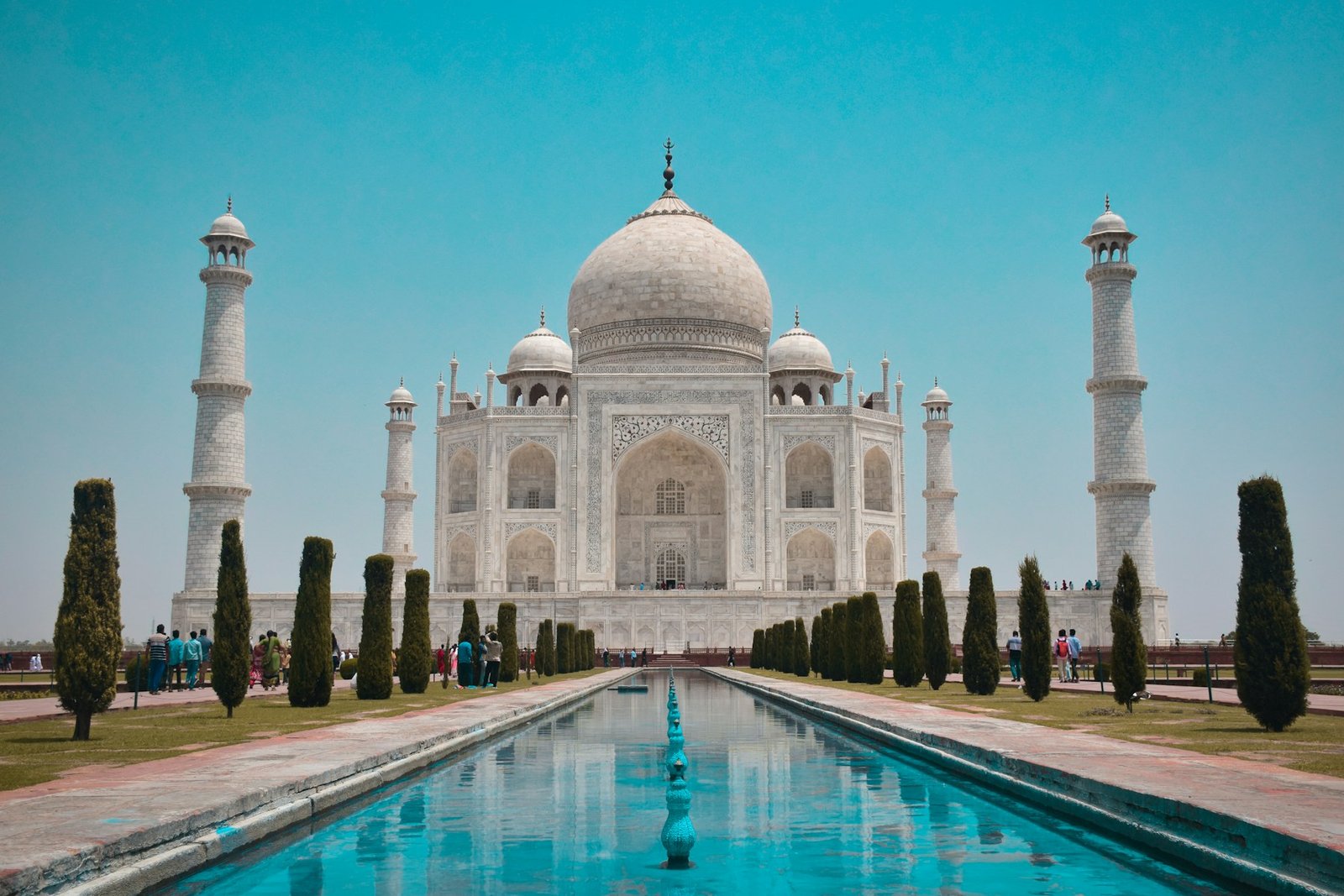
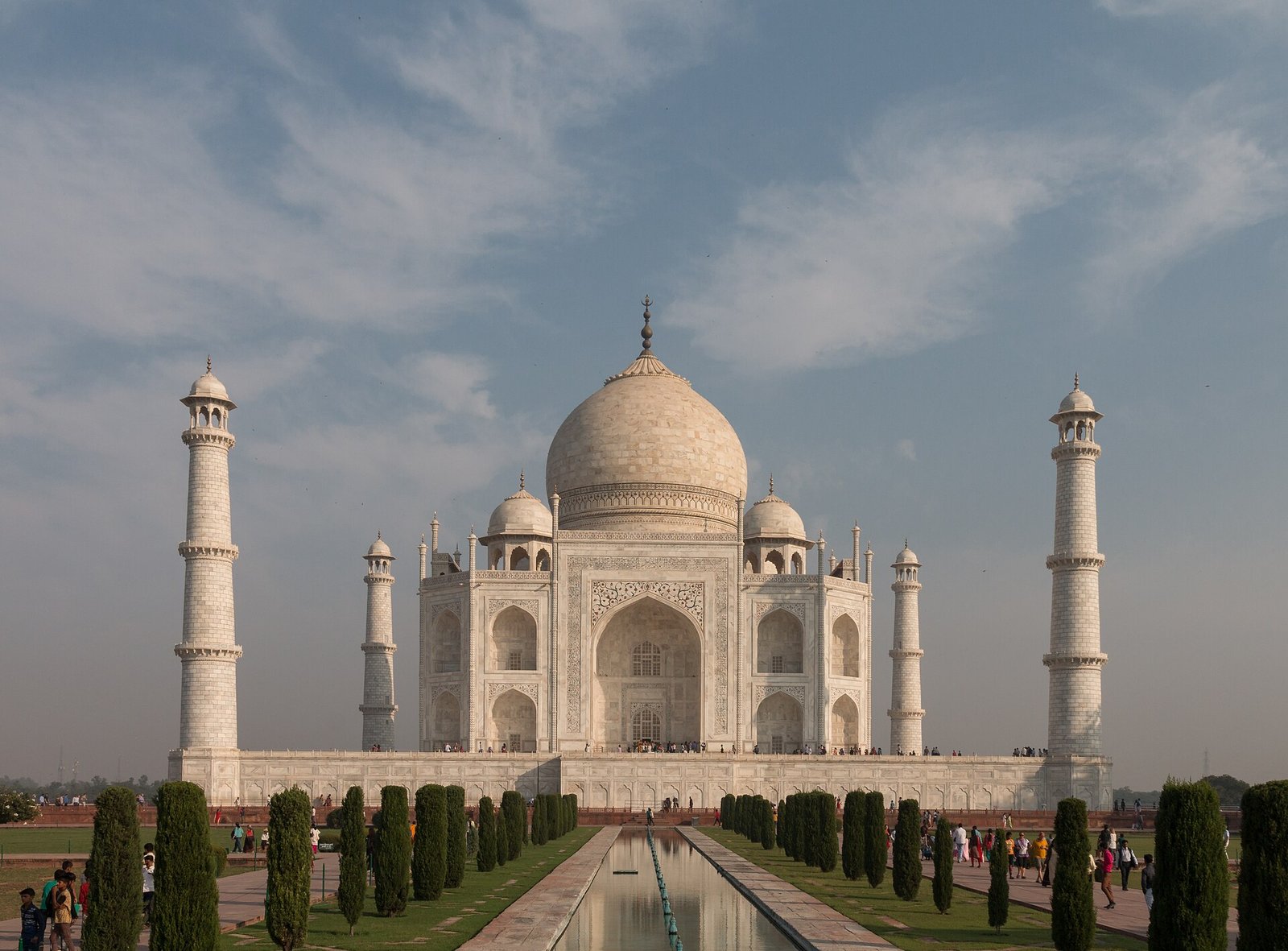
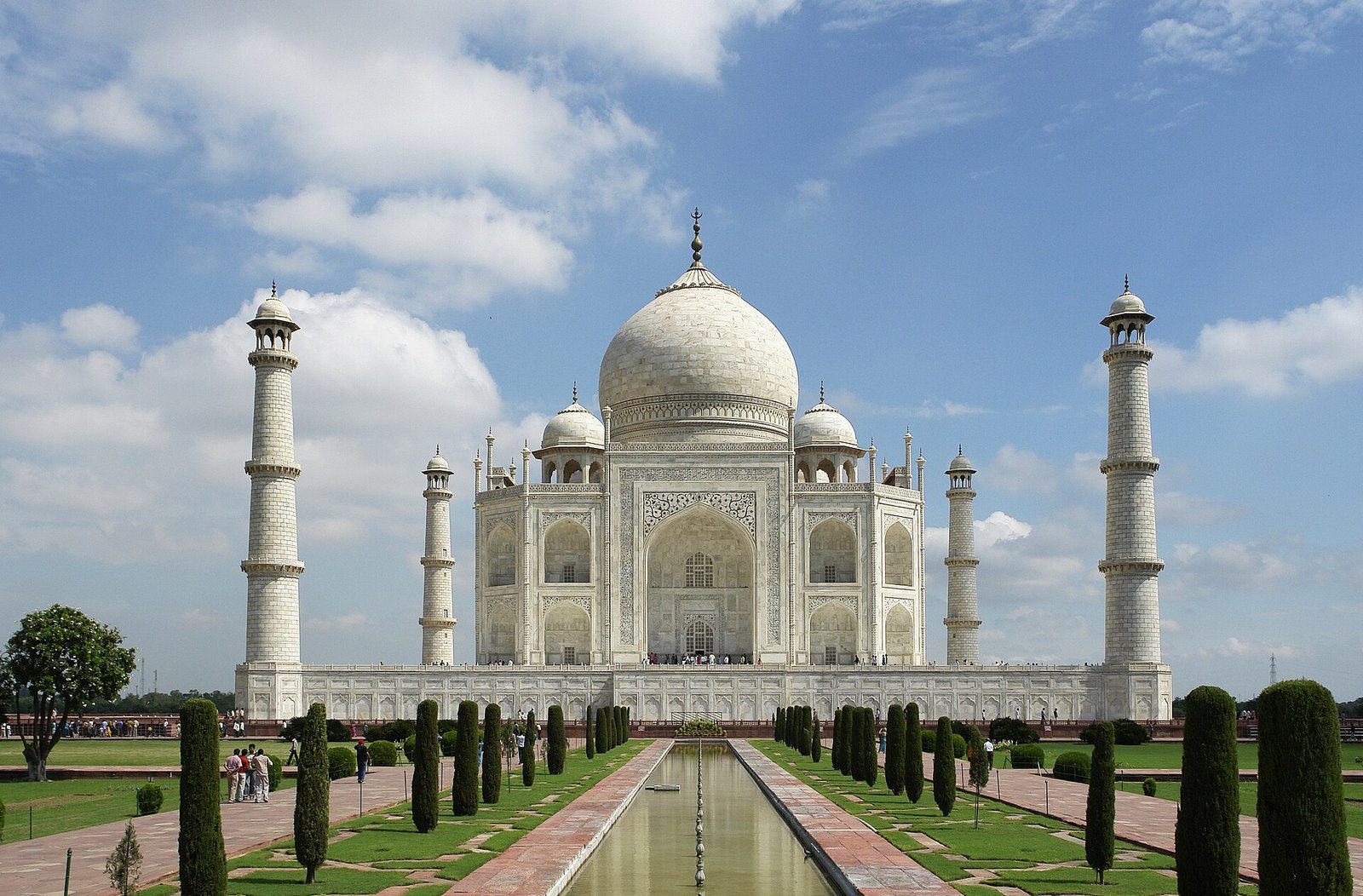
Taj Mahal
Marble architecture, gardens, inlay, and changing light justify patient viewing. Allow 3–4 hours. Use official tickets and check the closing day. Confirm Taj Mahal access, reservation rules, and inclusions through the responsible Agra & the Taj Mahal source. On a short Agra & the Taj Mahal trip, keep Taj Mahal only when the day’s access and energy support it.
Agra Fort
Palaces, defensive walls, and river views connect Mughal generations. Allow 2–3 hours. Visit with context. Confirm Taj Mahal access, reservation rules, and inclusions through the responsible Agra & the Taj Mahal source. Agra Fort should remain only if it fits the same Agra & the Taj Mahal area without rushing another priority.
Mehtab Bagh
A garden and river perspective reveal the monument’s landscape planning. Allow 1–2 hours. Avoid isolated banks after dark. Confirm Taj Mahal access, reservation rules, and inclusions through the responsible Agra & the Taj Mahal source. If weather or energy deteriorates, drop Mehtab Bagh before compressing the rest of the Agra & the Taj Mahal route.
Itmad-ud-Daulah
Detailed inlay and a smaller river garden show architectural development. Allow 1–2 hours. Combine with another north-bank stop. Confirm Taj Mahal access, reservation rules, and inclusions through the responsible Agra & the Taj Mahal source. Itmad-ud-Daulah should remain only if it fits the same Agra & the Taj Mahal area without rushing another priority.
Sikandra
Akbar’s tomb and gardens extend the story beyond central Agra. Allow 2–3 hours. Use a trusted driver. Confirm Taj Mahal access, reservation rules, and inclusions through the responsible Agra & the Taj Mahal source. If weather or energy deteriorates, drop Sikandra before compressing the rest of the Agra & the Taj Mahal route.
A PRACTICAL ROUTE
Suggested itinerary
Arrive and orient
Settle into Taj East Gate area and orient around Taj East Gate area; leave Taj Mahal for its planned day.
Taj Mahal
Start Taj Mahal in its strongest Agra & the Taj Mahal window; keep the rest of that day near Taj East Gate area.
Agra Fort
Build the day around this experience and Mehtab Bagh, allowing a real meal and transport buffer.
Itmad-ud-Daulah
Explore this geographic cluster and keep the evening close to Civil Lines rather than crossing Agra & the Taj Mahal again.
Flexible Agra & the Taj Mahal day
Use the remaining conditions for Sikandra, revisit a favorite area, or preserve this as a disruption buffer.
REALISTIC BUDGET
Estimated travel costs
Agra & the Taj Mahal costs move most with October–March, booking timing, taxes, and the precise location of a room in Taj East Gate area. Agra & the Taj Mahal’s dollar figures use August 1, 2026 reference rates; recalculate them before payment.
TRAVEL WELL
Practical travel tips
- Buy Taj tickets only through the official system
- Check the weekly closing day before fixing rail
- Ignore unsolicited guides claiming entry depends on them
- Share driver and vehicle details
- Keep screenshots of the Agra & the Taj Mahal accommodation address, official bookings, and last dependable transport.
- Recheck extreme heat, winter fog, air pollution, unofficial guides, ticket scams, and road congestion before every exposed or long-distance day in Agra & the Taj Mahal.
- Use documented Agra & the Taj Mahal transport and share any late return or remote visit to Taj Mahal with someone you trust.
- Protect one flexible block in the Agra & the Taj Mahal itinerary instead of filling every hour with reservations.
COMMON QUESTIONS
Agra & the Taj Mahal travel FAQ
How many days do you need in Agra & the Taj Mahal?
1–2 nights is a practical first-visit range for Agra & the Taj Mahal. A trip shorter than 1–2 nights should prioritize one base and Taj Mahal; use additional days for rest, weather changes, or transport delays.
Is Agra & the Taj Mahal expensive?
A realistic daily planning range is ₹2,500–₹4,300 (about US$29–49) budget; ₹6,200–₹12,000 (about US$71–138) mid-range, per person. The main premiums are well-placed accommodation, travel during October–March, and private or guided versions of Taj Mahal.
Do you need a car in Agra & the Taj Mahal?
No self-drive car is needed. Arrive by rail or licensed transfer and use documented local transport.
What is the best month to visit Agra & the Taj Mahal?
February often offers cooler sightseeing, though morning fog can affect views and trains.
Is Agra & the Taj Mahal safe for solo female travelers?
Agra & the Taj Mahal can work well for prepared solo women. For Agra & the Taj Mahal, document the ride to Taj Mahal, carry valuables discreetly, share remote plans, and follow current advice.
What should you book in advance for Agra & the Taj Mahal?
Reserve intercity rail, official Taj entry, a licensed guide if wanted, and an overnight stay.
KEEP EXPLORING
Related The Wander Muse guides
PLAN WITH CURRENT INFORMATION
Official resources
For Agra & the Taj Mahal, opening hours, fares, permits, weather rules, and transport arrangements can change. The official sources below are the final reference for Agra & the Taj Mahal schedules, restrictions, and visitor rules.