START HERE
Why visit Cairo & Giza
Cairo & Giza rewards travelers who combine pyramids, ancient collections, Islamic architecture, Coptic history, Nile landscapes, and a vast modern metropolis with enough time for courtyard pauses, researched meals, museum focus, and evenings that do not require another cross-city drive. It is especially rewarding for archaeology, history, museums, architecture, photography, food, and first-time Egypt travel. Traffic, heat, dust, ticket systems, site distances, persistent sales, and changing museum arrangements require a disciplined sequence. Zamalek is the most balanced first base, Downtown Cairo offers museums and urban energy, and Giza or Pyramids Road suits visitors prioritizing early pyramid access. Cairo & Giza planning links Cairo International (CAI) or Sphinx (SPX), pre-arranged driver, Zamalek, and Tour Giza early with a licensed guide to the six-row Egyptian pound (EGP) costs and 4–5 days itinerary below. Before paying for a Cairo & Giza booking, confirm current weather limits, closures, permits, pre-arranged driver, and timed entry through an official source.
AT A GLANCE
Cairo & Giza quick travel summary
For Cairo & Giza, giza complex and museums commonly egp 500–1,500 (about us$10–30). Cairo & Giza estimates can exclude taxes; verify Tour Giza early with a licensed guide fees, card charges, transport, and seasonal supplements.
WHEN TO GO
Best time to visit
Spring (March–May)
Spring warms rapidly, with dry days, occasional dust, and increasingly hot afternoons. Demand is high around major holidays. Early archaeological visits and museums are the most comfortable rhythm. Desert-camp advice is not relevant to a Cairo or Luxor city base unless separately booked. Protect midday rest and verify site hours around religious dates.
Summer (June–August)
Summer is extremely hot and dry, with intense sun and warm nights. International demand is lower, but indoor and dawn periods remain the only comfortable windows for many travelers. Temples, pyramids, and tombs require very early starts rather than broad daylight touring. Carry water, use shade, and avoid exposed midday itineraries.
Autumn (September–November)
Autumn cools gradually, with dry air and comfortable evenings after a hot September. Visitor pressure rises toward November. Long archaeological mornings, Nile-side time, and city dining become easier. Popular hotels, guides, and timed attractions book earlier, while dust remains possible. Confirm entry systems and transport before each cross-city or West Bank day.
Winter (December–February)
Winter brings pleasant days, cool evenings, short daylight, and occasional wind or rain. This is peak demand around year-end. Archaeological walking is comfortable, but crowds and premium rooms require reservations. Flash floods matter on some regional roads; cold-camp warnings do not describe ordinary city stays. Pack layers and keep opening-hour changes in view.
ARRIVING
How to get there
Cairo International Airport and Sphinx International Airport serve different routes and sides of the metropolis. Use a hotel transfer, authorized taxi, or verified app pickup and allow substantial traffic. Sphinx can suit Giza or western routes but may be inconvenient for central Cairo; confirm the actual terminal and hotel drive. From Cairo International (CAI) or Sphinx (SPX), compare luggage handling and service hours through to Zamalek; the cheapest Cairo & Giza fare may leave an impractical final connection. For a late Cairo International (CAI) or Sphinx (SPX) arrival, get the Cairo & Giza transfer instructions in writing and decline undocumented rides.
MOVING AROUND
Getting around
A vetted car and driver is efficient for Giza, Saqqara, and distant museums, while the Metro helps selected central corridors. Historic Cairo still requires walking over uneven streets. Group each day tightly and agree driver hours, parking, ticket assistance, breaks, and overtime before departure. Group Giza as one early full day, the chosen principal museum as another, Islamic Cairo with nearby monuments, and Coptic Cairo with a separate central or Nile period. This Cairo & Giza order avoids repeated transfers and keeps Choose the Egyptian Museum or Grand Egyptian Museum available when weather, queues, or transport disrupt Tour Giza early with a licensed guide. Accessible Cairo & Giza plans should verify pre-arranged driver boarding, surfaces, restrooms, and the final approach to Tour Giza early with a licensed guide.
CHOOSE A BASE
Where to stay
Zamalek — best for calmer first-time balance
Nile setting, restaurants, hotels, and a central position support relaxed evenings and driver pickups. Giza and eastern Cairo still require long traffic crossings. A room labeled Zamalek can still be inconvenient in Cairo & Giza; check its location, after-dark route, and connection.
Downtown Cairo — best for museums and urban energy
Historic buildings, cafes, Metro access, and central museums create immediate city immersion. Noise, traffic, and block conditions can be intense. Before selecting Downtown Cairo, compare the Cairo & Giza walking distance, luggage transfer, late arrival plan, and refund terms.
Giza or Pyramids Road — best for early pyramid access
A short Giza stay supports dawn views and reduces one cross-city journey. Some hotels are isolated from central dining and the surroundings vary sharply. For Giza or Pyramids Road, verify the exact Cairo & Giza block, evening access, transfer time, and cancellation terms.
PLAN YOUR DAYS
Best things to do
Tour Giza early with a licensed guide
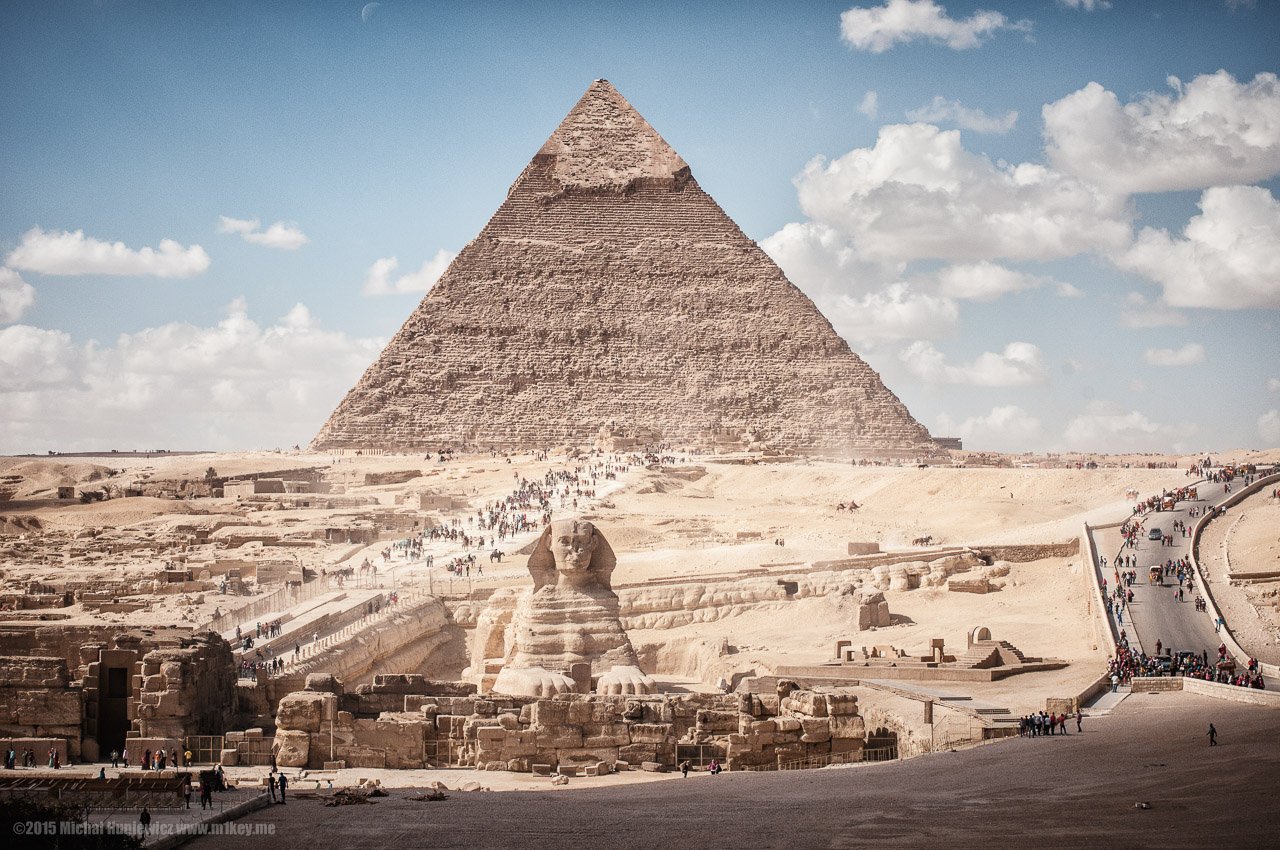
The Giza plateau contains three principal pyramids, the Sphinx, tombs, museums, and long distances beyond one photo viewpoint. Allow 5–8 hours. Use official entry, a licensed guide and driver, start early, and reject unsolicited animal or “special access” offers. Combined tickets and interior add-ons can total EGP 700–2,000 (about US$14–40) or more.. Tour Giza early with a licensed guide must fit the traveler’s ability and current Cairo & Giza conditions; wildlife distances remain firm.
Choose the Egyptian Museum or Grand Egyptian Museum
Choose the Grand Egyptian Museum or Egyptian Museum according to current openings, collections, location, and transfer time. Allow 4–7 hours. Buy official tickets, verify galleries and closure days, and avoid placing both museums in one rushed day. Major museum entry commonly costs several hundred to over EGP 1,000 (about US$10–20+) by visitor category.. Before Choose the Egyptian Museum or Grand Egyptian Museum, verify Cairo & Giza access, then assess the fitness demands and return connection for Choose the Egyptian Museum or Grand Egyptian Museum.
Explore Islamic Cairo with context
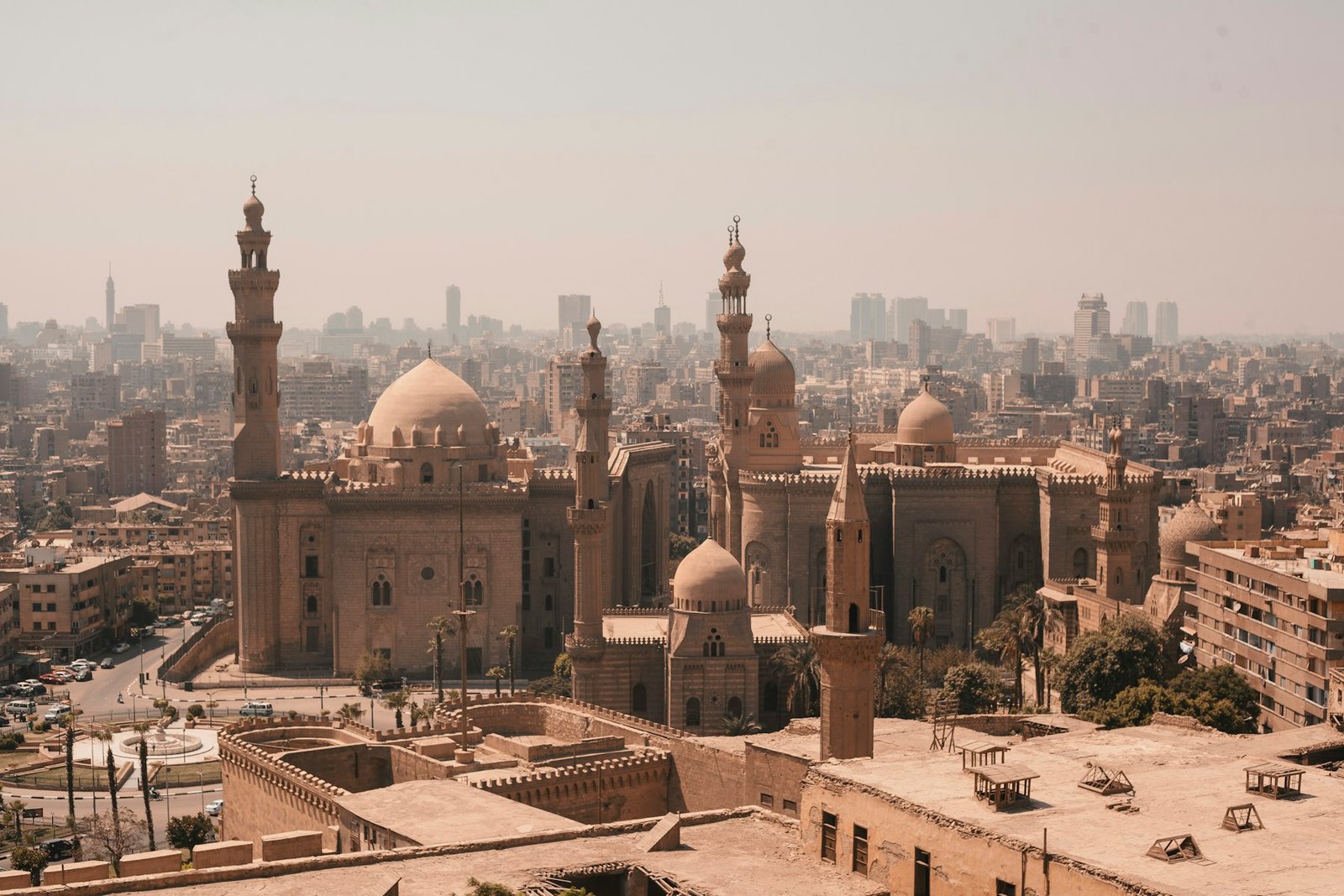
Islamic Cairo connects mosques, madrasas, gates, markets, craft, and living religious practice across dense streets. Allow 5–8 hours. Use a knowledgeable guide, dress respectfully, remove shoes where instructed, and avoid prayer-time disruption. Streets are free; monument passes, guides, and donations vary.. For Explore Islamic Cairo with context, let Cairo & Giza access rules and staff instructions set the safe limit.
Take a planned Nile evening
Saqqara and Dahshur reveal pyramid development, tomb art, and quieter desert archaeology beyond Giza. Allow 6–9 hours. Use a vetted driver and guide, confirm open tombs and tickets, and carry food, water, and shade. Entry plus car and guide commonly adds EGP 2,000–5,000 (about US$40–100) to the day.. Confirm transport to Take a planned Nile evening, then follow any Cairo & Giza closure, barrier, or guide direction.
Coptic Cairo and a planned Nile evening
Coptic Cairo and a planned Nile evening add churches, museums, community history, and a calmer water perspective. Allow 4–7 hours. Dress respectfully, verify religious-site hours, and choose a licensed vessel or established dinner venue. Church access is often free; museums and quality cruises vary widely.. Coptic Cairo and a planned Nile evening must fit the traveler’s ability and current Cairo & Giza conditions; wildlife distances remain firm.
A PRACTICAL ROUTE
Suggested itinerary
Arrive and orient
Reach Zamalek, settle in near Zamalek, check pre-arranged driver hours, and orient only around the route to Tour Giza early with a licensed guide.
Tour Giza early with a licensed guide
Use the first full itinerary stage for tour giza early with a licensed guide. After Tour Giza early with a licensed guide, eat near Zamalek instead of adding a cross-Cairo & Giza transfer.
Choose the Egyptian Museum or Grand Egyptian Museum
Build the next itinerary stage around choose the egyptian museum or grand egyptian museum, adding explore islamic cairo with context only if Cairo & Giza access and the transfer from Zamalek remain practical.
A different side of the destination
Use Downtown Cairo or Giza or Pyramids Road to reach take a planned nile evening with less backtracking. Keep an independent meal, rest, or indoor alternative.
Flexible priority and departure
Choose coptic cairo and a planned nile evening, repeat time near Zamalek, or recover Tour Giza early with a licensed guide after a weather delay. End the Cairo & Giza route with a real buffer for luggage, traffic, security, and the Cairo International (CAI) or Sphinx (SPX) connection.
REALISTIC BUDGET
Estimated travel costs
Cairo & Giza costs move most with October–April, the location of Zamalek, and the choice between pre-arranged driver and private transfers. Recalculate Cairo & Giza’s dollar comparison when booking. The figures here convert Egyptian pound (EGP) at August 1, 2026 reference rates and exclude later card charges.
TRAVEL WELL
Practical travel tips
- Give Giza, the principal museum, and Islamic Cairo separate days because traffic is part of the itinerary.
- Buy site and museum tickets only through official counters or portals.
- Use a licensed guide and vetted driver, agreeing hours, parking, overtime, and inclusions in writing.
- Start exposed archaeological sites at opening and carry water, shade, and dust protection.
- Dress respectfully at mosques and churches and avoid disrupting worship or photographing people without consent.
- Decline persistent vendors once, confirm every price, and avoid unofficial interior or animal offers.
- Check current museum openings, road controls, demonstrations, air quality, and heat notices.
- Solo women should use vetted late transport, choose active hotel entrances, and request another guide or driver if boundaries are ignored.
COMMON QUESTIONS
Cairo & Giza travel FAQ
How many days do you need in Cairo & Giza?
4–5 days is a realistic first-visit range for Cairo & Giza. If 4–5 days is not possible, keep Zamalek and Tour Giza early with a licensed guide; extra Cairo & Giza days should absorb recovery, weather, or reservation changes.
Is Cairo & Giza expensive?
A practical daily planning range is EGP 2,500–4,500 (about US$50–90) budget; EGP 7,500–15,000 (about US$150–300) mid-range, per person. For Cairo & Giza, room location, peak dates, private transport, permits, and guided access to Tour Giza early with a licensed guide drive the largest increases; compare full inclusions, not headline prices.
Should you stay in Cairo or Giza?
Zamalek or Downtown suits the broader city; a short Giza stay helps only when pyramid views or an early plateau start are central.
Do you need a guide at the pyramids?
Not legally for ordinary entry, but a licensed guide adds context and helps manage distances and persistent offers. Use official channels.
Which Cairo museum should you visit?
Choose by current collection display, opening status, location, and interests. Official museum sources should guide the decision close to travel.
What should you book first?
Reserve the hotel, vetted airport transfer and guide, official priority museum or site tickets, and any onward train or flight first.
KEEP EXPLORING
Related The Wander Muse guides
PLAN WITH CURRENT INFORMATION
Official resources
Opening hours, fares, permits, weather rules, and transport arrangements in Cairo & Giza can change. The official sources below are the final reference for Cairo & Giza schedules, restrictions, and visitor rules.