START HERE
Why visit Stockholm
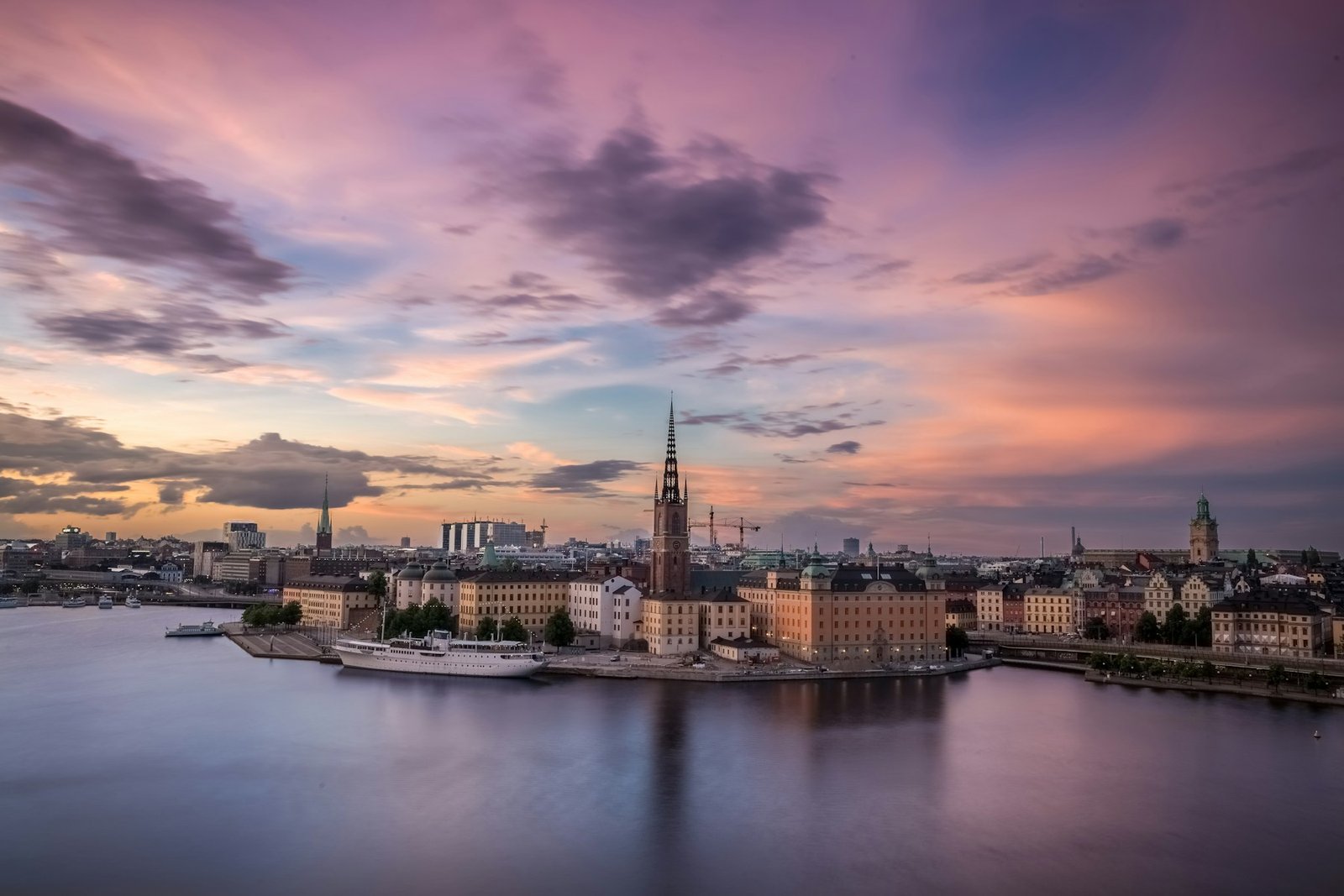
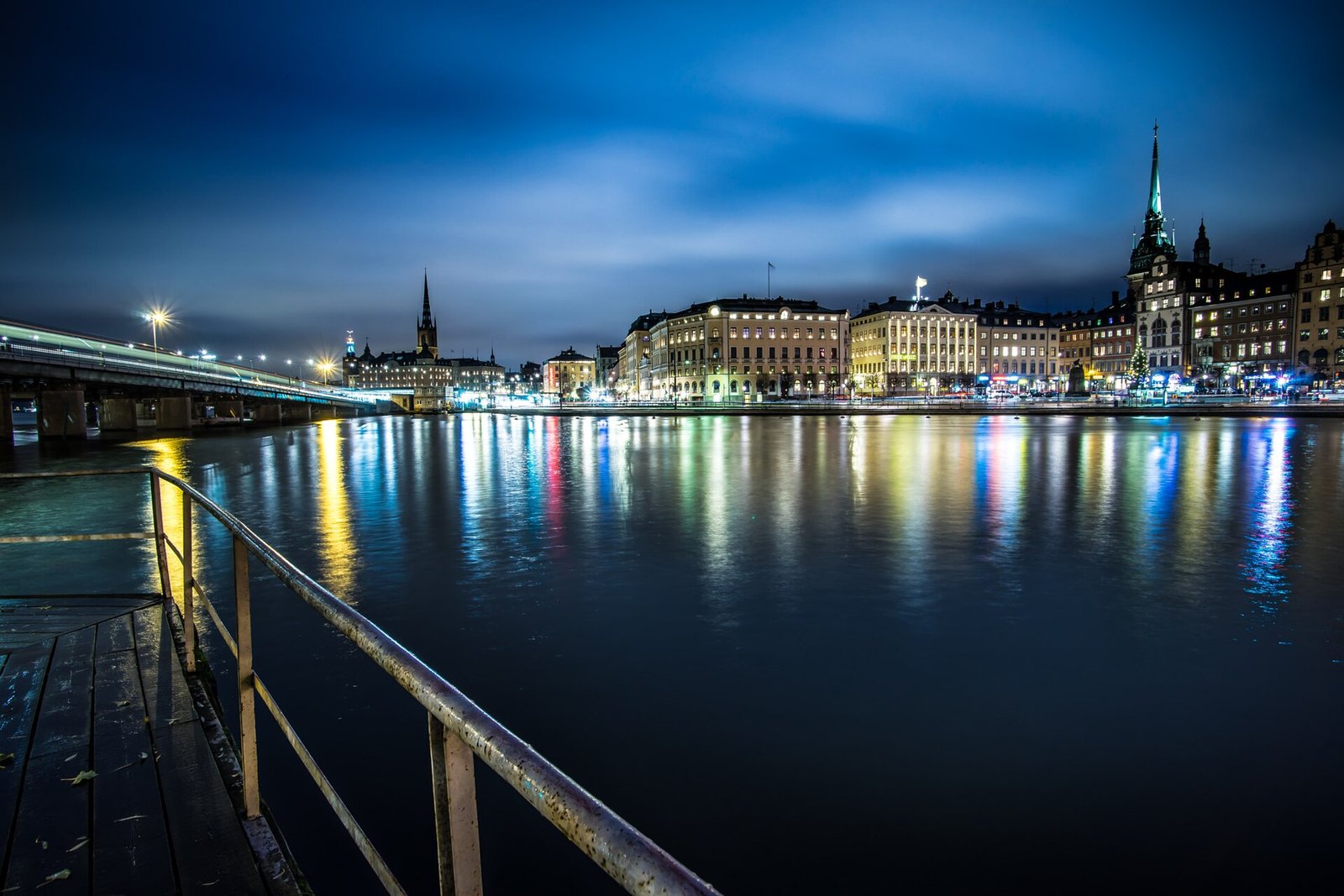
Stockholm spreads royal history, design, museums, parks, food markets, and working waterfronts across connected islands, making ferries part of sightseeing rather than a separate excursion. It suits museums, design, families, couples, islands, food, urban nature, and rail trips and works best when Vasa Museum and Gamla Stan and Royal Palace stay on separate compact days. A first visit works best when Vasa Museum, Gamla Stan and Royal Palace, and Skansen or Nordic Museum are arranged around realistic transport and weather windows. Norrmalm is most convenient, Gamla Stan maximizes atmosphere, and Södermalm offers food, views, and neighborhood nightlife. Stockholm planning connects Stockholm Arlanda Airport (ARN), Bromma Airport (BMA), or Stockholm Central Station, sl metro, Norrmalm, and Vasa Museum with the six-row Swedish krona (SEK) budget and 4–5 days route below. Before booking Stockholm, use the linked authorities to verify opening days, sl metro, and any timed entry for Vasa Museum.
AT A GLANCE
Stockholm quick travel summary
Stockholm prices are planning ranges rather than quotes. Before paying in Swedish krona (SEK), check taxes, card charges, cancellation terms, and whether transport to Vasa Museum is included.
WHEN TO GO
Best time to visit
Spring (March–May)
Across Stockholm, expect mild days, changeable rain, and lengthening daylight; conditions near Vasa Museum can vary. For Stockholm, crowds and prices are moderate except around school and public holidays. This period creates better conditions for Vasa Museum in Stockholm; the main drawback is that visitors in Stockholm should pack a waterproof layer and expect cool mornings. Short winter daylight, ice, archipelago seasonality, museum closures, event dates, and cashless payment policies affect the plan. Recheck Stockholm weather and the operating status of Vasa Museum shortly before any weather-sensitive or reservation-dependent day.
Summer (June–August)
Across Stockholm, expect the warmest weather and the longest usable days; conditions near Gamla Stan and Royal Palace can vary. This is the busiest and most expensive period for Stockholm. For Stockholm, this window favors Gamla Stan and Royal Palace. Schedule it only after accounting for the fact that visitors in Stockholm should reserve accommodation and timed attractions early. Short winter daylight, ice, archipelago seasonality, museum closures, event dates, and cashless payment policies affect the plan. Recheck Stockholm weather and the operating status of Vasa Museum shortly before any weather-sensitive or reservation-dependent day.
Autumn (September–November)
Across Stockholm, expect cooler air, changing foliage, and shorter daylight; conditions near Skansen or Nordic Museum can vary. Expect lighter crowds after early September. For Stockholm, this window favors Skansen or Nordic Museum. Schedule it only after accounting for the fact that visitors in Stockholm should check reduced hours and weather-sensitive services. Short winter daylight, ice, archipelago seasonality, museum closures, event dates, and cashless payment policies affect the plan. Recheck Stockholm weather and the operating status of Vasa Museum shortly before any weather-sensitive or reservation-dependent day.
Winter (December–February)
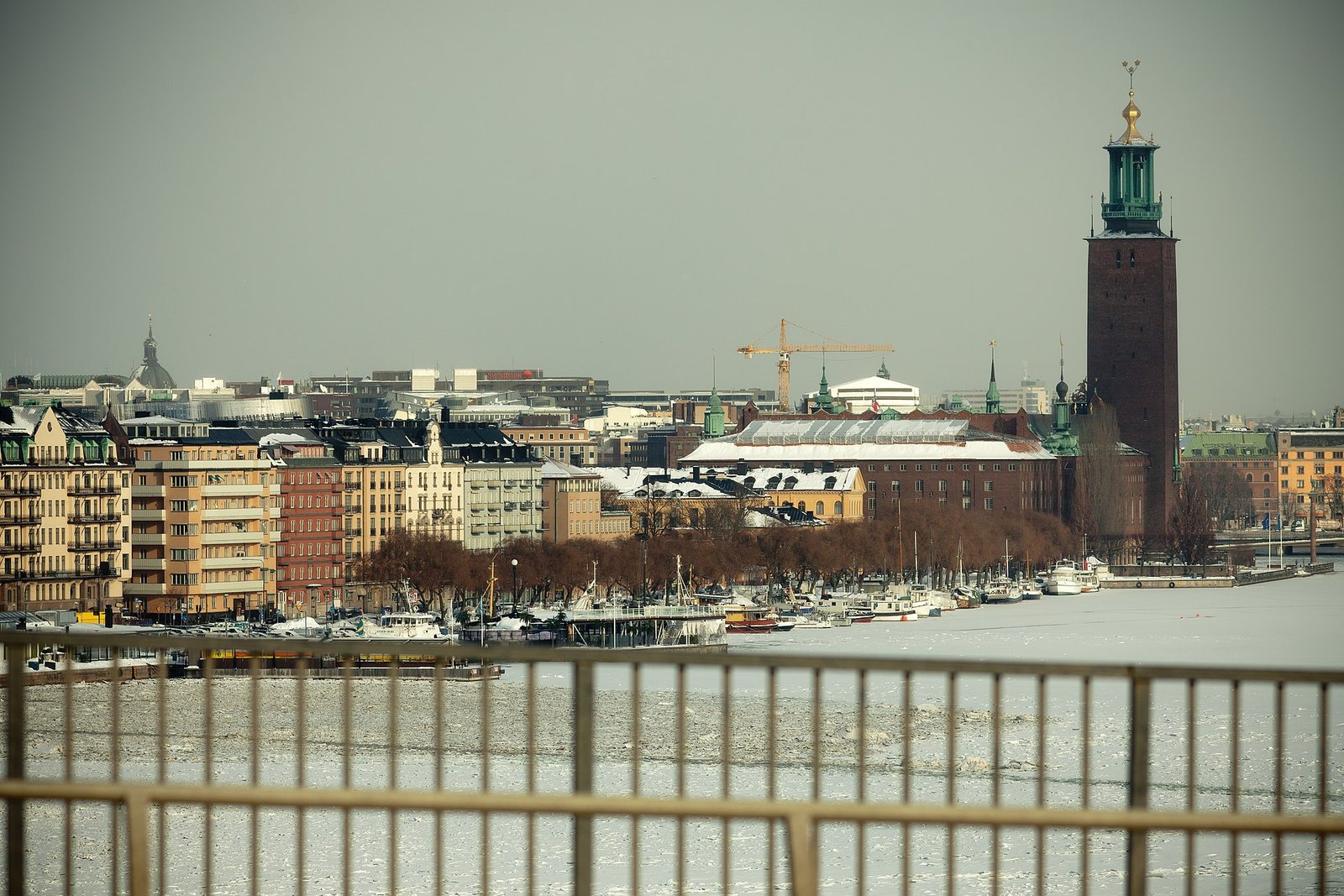
Across Stockholm, expect cold conditions with the possibility of rain, snow, or storms; conditions near Södermalm viewpoints and food can vary. Expect quiet periods interrupted by holiday peaks. Södermalm viewpoints and food is the most practical Stockholm focus during this period. The limitation is that in Stockholm, transport disruption and limited daylight require buffers. Short winter daylight, ice, archipelago seasonality, museum closures, event dates, and cashless payment policies affect the plan. Recheck Stockholm weather and the operating status of Vasa Museum shortly before any weather-sensitive or reservation-dependent day.
ARRIVING
How to get there
ARN connects by express train, commuter rail, airport coach, taxi, and private transfer. Compare total time, station, fare, and luggage before choosing; commuter services may involve an airport access charge under current rules. Long-distance trains arrive at Central Station. Use official airport, SL, and rail channels, and verify a taxi’s company and fixed-price terms at the signed rank. BMA has different local connections. A rental car is unnecessary for central Stockholm and complicates parking, tolls, and island streets.
MOVING AROUND
Getting around
SL Metro, buses, commuter trains, trams, and selected ferries use an integrated ticket system whose zones and activation should be checked officially. Gamla Stan, Norrmalm, Skeppsholmen, and parts of Södermalm are walkable, but bridges and water make map distances deceptive. Ferries provide useful cross-harbor links and seasonal archipelago services operate separately. Cycling is pleasant on suitable routes for confident riders. Winter ice requires traction and extra transfer time. Group museum-heavy Djurgården into one day. For a 4–5 days visit, group Vasa Museum with Gamla Stan and Royal Palace, then protect Skansen or Nordic Museum for the strongest weather or access window. Vasa Museum and Gamla Stan and Royal Palace belong on separate compact Stockholm stages; that leaves room for a delayed sl metro connection. Accessible Stockholm planning needs four checks: sl metro boarding, surfaces, restrooms, and the final approach to Vasa Museum.
CHOOSE A BASE
Where to stay
Norrmalm — best for transport and first visits
Central Station, airport links, shopping, restaurants, and multiple Metro lines simplify a short stay. The business-center atmosphere is less intimate and rooms remain expensive.
Gamla Stan — best for historic atmosphere
Early access to old lanes, royal sights, ferries, and evening walks makes the island memorable. Cobblestones, stairs, crowds, and premium rooms complicate luggage and sleep.
Södermalm — best for food and nightlife
Cafés, viewpoints, vintage shops, and local evenings suit couples and repeat visitors. Some streets climb steeply and northern museums require transit.
PLAN YOUR DAYS
Best things to do
Vasa Museum
A preserved seventeenth-century warship and detailed interpretation create one of Scandinavia’s strongest single-object museums. Allow 2–3 hours. Enter at opening before large groups. Official advance tickets help in summer. Paid admission applies. Read the ship’s failure and conservation story rather than circling only the hull. It is best suited to families, history, and engineering travelers; on a short stay, keep Vasa Museum only when access and geography suit that day.
Gamla Stan and Royal Palace
Medieval street patterns, civic squares, churches, and royal collections form a compact historical circuit. Allow 4–6 hours. Walk early and place a palace entry near opening. Palace interiors and special events may need official booking. Public streets are free; royal attractions charge. Avoid restaurants that hide prices and respect ceremonial barriers. It is best suited to first-time and history travelers; visitors with little time should retain Gamla Stan and Royal Palace only if it stays near another priority.
Skansen or Nordic Museum
Open-air buildings, social history, and regional collections provide context beyond central monuments. Allow 3–5 hours. Use a dry day for Skansen or poor weather for museum interiors. Advance tickets can help during holidays and events. Paid admission applies; seasonal programs vary. Check animal-welfare and event details before deciding. It is best suited to families and cultural travelers; time-limited visitors should add Skansen or Nordic Museum only when it fits the same area and current conditions.
Södermalm viewpoints and food
Hillside streets, Monteliusvägen, markets, and independent restaurants reveal contemporary city life. Allow 3–5 hours. Use daylight for viewpoints and reserve a dinner nearby. No district booking is needed; restaurants may. Public viewpoints are free. Use traction in ice and remain behind barriers. It is best suited to food, photography, and repeat visitors; On a short Stockholm visit, Södermalm viewpoints and food should not force a cross-destination transfer.
Archipelago day
Public or excursion boats reveal inhabited islands, forest, rock, and Baltic-scale geography. Allow 6–10 hours. Choose a route whose season and return fit the daylight. Reserve popular summer boats or accommodation. Fare depends on vessel, island, and operator. Do not choose a distant island on a departure day. It is best suited to slow travelers and nature visitors; on a short stay, keep Archipelago day only when access and geography suit that day.
A PRACTICAL ROUTE
Suggested itinerary
Central islands
Arrive, walk Norrmalm to Gamla Stan, and keep the evening near the accommodation.
Djurgården
Visit Vasa at opening, choose one second museum, and use ferry or tram without leaving the island midday.
Royal and old city
Use the palace and one historic interior before exploring quieter Gamla Stan lanes.
Södermalm
Combine viewpoints, a market, design shops, and dinner in one hilly district.
Archipelago or buffer
Use the longest suitable daylight for a booked island route, or retain a weather-proof museum day.
REALISTIC BUDGET
Estimated travel costs
Stockholm costs move most with May–September; December for a winter-city trip, booking timing, taxes, and the exact position of a room in Norrmalm. Stockholm’s dollar figures use August 1, 2026 reference rates; recalculate them before payment.
TRAVEL WELL
Practical travel tips
- Use official SL and airport information because similarly named rail products have different fares.
- Expect many businesses to be cashless and keep a working chip-and-PIN or contactless card.
- Group Djurgården museums and use the ferry or tram rather than returning through Central Station.
- Check archipelago return times and seasonal service before leaving the mainland.
- Pack layers and rain protection; wind over bridges and water lowers apparent temperature.
- Use traction and extra daylight margin in icy winter conditions.
- Reserve summer rooms, Vasa slots, popular boats, and priority restaurants early.
- Solo women generally travel comfortably; use normal late-night awareness and avoid isolated waterfront paths after service ends.
COMMON QUESTIONS
Stockholm travel FAQ
How many days do you need in Stockholm?
4–5 days is a practical first-visit range for Stockholm. If 4–5 days is not available, keep one compact Stockholm base and Vasa Museum; additional days are most useful as weather and transport buffers.
Is Stockholm expensive?
In Stockholm, a realistic daily planning range is SEK 850–1,350 (about US$89–141) budget; SEK 2,000–3,600 (about US$208–375) mid-range, per person. In Stockholm, the biggest budget jumps usually come from room location, peak dates, private sl metro, and guided access to Vasa Museum.
Do you need a car in Stockholm?
No. Integrated transit, ferries, walking, and trains cover the city. A car adds toll and parking complications.
What is the best month to visit Stockholm?
June offers very long daylight and broad boat service, while May and September can be calmer with cooler weather.
Is Stockholm safe for solo female travelers?
Stockholm is generally comfortable for solo women. Normal late-night awareness, winter footing, and the last ferry or Metro matter most. Use current government guidance and destination notices—not an old booking page—to make the final Stockholm risk check.
What should you book in advance for Stockholm?
Reserve summer rooms, Vasa entry, priority restaurants, long archipelago boats, and seasonal activities.
KEEP EXPLORING
Related The Wander Muse guides
PLAN WITH CURRENT INFORMATION
Official resources
For Stockholm, opening hours, fares, permits, weather rules, and transport arrangements can change. Before leaving for Stockholm, confirm the details that affect Vasa Museum directly with the official links below.