START HERE
Why visit Iceland
Iceland’s Ring Road links waterfalls, black-sand coasts, geothermal landscapes, glaciers, and northern fjords, but moving weather makes route discipline essential. It suits road trips, waterfalls, geology, hiking, photography, couples, and independent travel and works best when South Coast waterfalls and Reynisfjara stay on separate compact days. A first visit works best when South Coast waterfalls, Reynisfjara, and Jökulsárlón and Diamond Beach are arranged around realistic transport and weather windows. Reykjavík works for arrival, Vík and Höfn divide the south, Mývatn supports the north, and every overnight choice should shorten the next day rather than repeat roads. Iceland planning connects Keflavík International Airport (KEF), about 50 km from Reykjavík, properly insured rental car, Reykjavík, and South Coast waterfalls with the six-row Icelandic króna (ISK) budget and 8–10 days route below. Before booking Iceland, use the linked authorities to verify opening days, properly insured rental car, and any timed entry for South Coast waterfalls.
AT A GLANCE
Iceland quick travel summary
Iceland prices are planning ranges rather than quotes. Check the cancellation rule and full inclusions before booking Reynisfjara; small surcharges can materially change the total.
WHEN TO GO
Best time to visit
Early summer (June–July)
Across Iceland, expect long daylight, fresh green valleys, and trails opening progressively; conditions near South Coast waterfalls can vary. Crowds and prices are high around headline viewpoints. This period creates better conditions for South Coast waterfalls in Iceland; the main drawback is that in Iceland, snow may remain on high routes and lift schedules can change. Wind warnings, river flooding, snow, and road closures override any itinerary, including during summer. Recheck Iceland weather and the operating status of South Coast waterfalls shortly before any weather-sensitive or reservation-dependent day.
Late summer (August–September)
Across Iceland, expect generally stable hiking weather with cooler nights later; conditions near Reynisfjara can vary. For Iceland, crowds and prices are high in August, then easing into September. Reynisfjara is the most practical Iceland focus during this period. The limitation is that in Iceland, afternoon storms and sold-out transport still require planning. Wind warnings, river flooding, snow, and road closures override any itinerary, including during summer. Recheck Iceland weather and the operating status of South Coast waterfalls shortly before any weather-sensitive or reservation-dependent day.
Shoulder season (May and October)
Across Iceland, expect rapidly changing conditions between valley and summit; conditions near Jökulsárlón and Diamond Beach can vary. Crowds and prices are lower, though fewer services operate. Jökulsárlón and Diamond Beach is the most practical Iceland focus during this period. The limitation is that in Iceland, some lifts, roads, and trails close between seasons. Wind warnings, river flooding, snow, and road closures override any itinerary, including during summer. Recheck Iceland weather and the operating status of South Coast waterfalls shortly before any weather-sensitive or reservation-dependent day.
Winter (November–April)
Across Iceland, expect snow, short daylight, and true mountain weather; conditions near Mývatn geothermal region can vary. For Iceland, crowds and prices are highest during ski weeks and holidays. For Iceland, this window favors Mývatn geothermal region. Schedule it only after accounting for the fact that in Iceland, summer itineraries cannot simply be repeated in winter. Wind warnings, river flooding, snow, and road closures override any itinerary, including during summer. Recheck Iceland weather and the operating status of South Coast waterfalls shortly before any weather-sensitive or reservation-dependent day.
ARRIVING
How to get there
KEF handles most international arrivals, with scheduled coaches and rental companies connecting the airport to Reykjavík. The Ring Road is not served by a hop-on public transport system suitable for a complete tourist circuit, so most independent travelers rent a properly insured vehicle or join a tour. Confirm the exact vehicle class, gravel and windscreen coverage, driver requirements, and after-hours procedure. Buy no itinerary that depends on landing and immediately driving for many hours. Before each road day, check the Icelandic Road and Coastal Administration, SafeTravel, and the official weather service; a closed road is not a suggestion to find an unofficial detour.
MOVING AROUND
Getting around
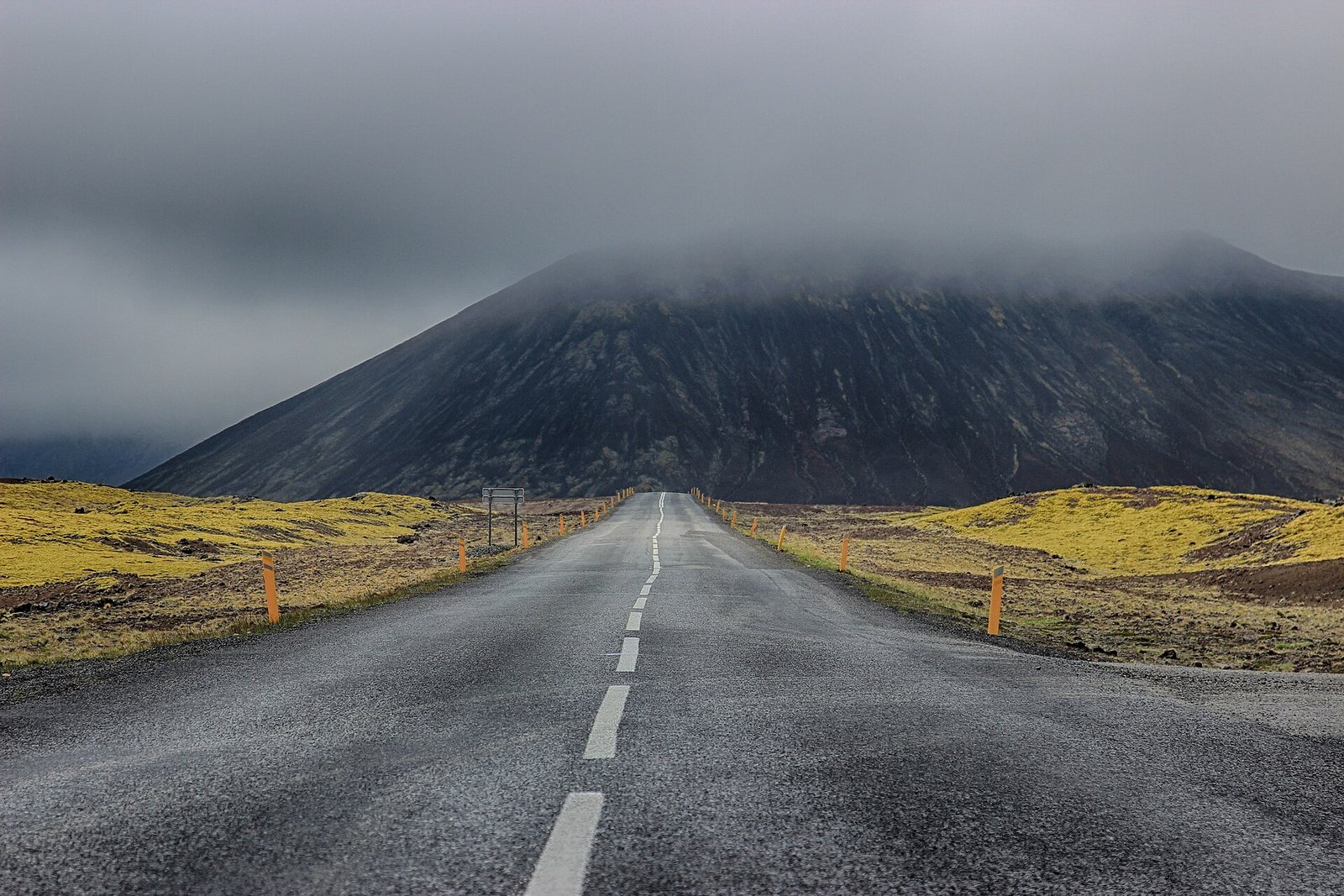
Outside Reykjavík, driving provides the practical link between dispersed natural sites. The main Ring Road is paved, but side roads may be gravel, steep, seasonal, or legally restricted to suitable four-wheel-drive vehicles. Fuel stations become sparse, parking systems differ by attraction, and high wind can damage doors. Reykjavík has buses and walking routes, while long-distance coaches serve selected towns without supporting a dense sightseeing circuit. Never stop on the carriageway for a photograph, walk onto moss, or enter a closed road. Winter itineraries need shorter daily distances and true experience in snow and darkness. For a 8–10 days visit, group South Coast waterfalls with Reynisfjara, then protect Jökulsárlón and Diamond Beach for the strongest weather or access window. South Coast waterfalls and Reynisfjara belong on separate compact Iceland stages; that leaves room for a delayed properly insured rental car connection. Accessible Iceland planning needs four checks: properly insured rental car boarding, surfaces, restrooms, and the final approach to South Coast waterfalls.
CHOOSE A BASE
Where to stay
Reykjavík — best for arrival, culture, and car-free recovery
Airport coaches, restaurants, museums, and tour pickups make the capital the safest first or final base. It is inefficient for repeated south-coast day trips and rooms are expensive.
Vík and the South Coast — best for waterfalls and black-sand landscapes
An overnight here divides the route and places travelers near Reynisfjara and glacier approaches. Food and rooms sell out early, while wind and wave hazards remain serious.
Mývatn or Akureyri — best for the northern circuit
Mývatn gives geothermal access, while Akureyri provides broader services and a city-style recovery stop. The distance from the south is substantial and winter closures can isolate plans.
PLAN YOUR DAYS
Best things to do
South Coast waterfalls
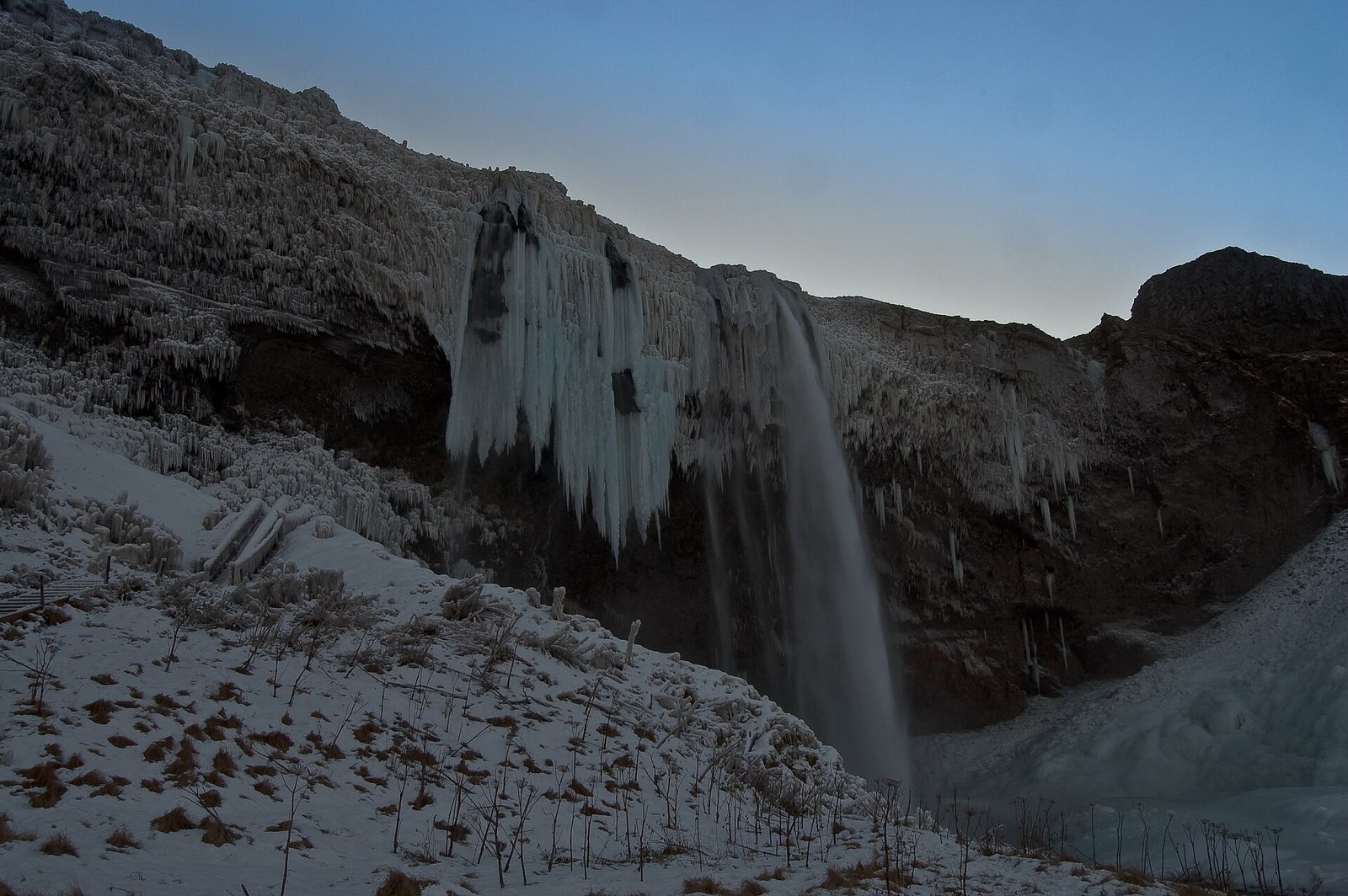
Seljalandsfoss and Skógafoss demonstrate how ice and highlands meet the coastal plain. Allow 2–4 hours across selected stops. Start early and allow for wet, slippery paths. No attraction reservation is usually needed, but parking systems apply. Access is generally free with paid parking at many sites. Wear waterproof protection and obey closures behind falls. It is best suited to first-time visitors and photographers; On a short Iceland visit, South Coast waterfalls should not force a cross-destination transfer.
Reynisfjara
Basalt, black sand, and sea stacks create a powerful coast with lethal sneaker-wave risk. Allow 30–60 minutes. Visit in daylight and remain far above the active waterline. No reservation is needed. Parking may be charged. Never turn your back on the ocean or enter closed sections. It is best suited to geology travelers who follow safety rules; time-limited visitors should add Reynisfjara only when it fits the same area and current conditions.
Jökulsárlón and Diamond Beach
Glacier ice moves through a tidal lagoon and onto a nearby black shore. Allow 2–4 hours. Allow flexible time because light, tide, and weather alter the scene. Reserve only licensed boat tours; shore viewing is open. Viewing is free, while parking and boat trips cost extra. Keep distance from unstable ice and moving water. It is best suited to photographers, families, and glacier-focused travelers; visitors with little time should retain Jökulsárlón and Diamond Beach only if it stays near another priority.
Mývatn geothermal region
Craters, lava fields, wetlands, and geothermal areas create a concentrated northern landscape. Allow Full day. Use daylight and wind conditions to select exposed walks. Popular baths may need timed booking. Natural sites vary between free parking and paid facilities. Stay on marked paths around boiling ground and nesting areas. It is best suited to geology, birding, and road-trip travelers; on a short stay, keep Mývatn geothermal region only when access and geography suit that day.
Golden Circle
Þingvellir, geothermal activity, and Gullfoss form a logical first road day close to the capital. Allow 6–9 hours. Start early or stay nearby to avoid the densest coach window. Individual sites usually need no reservation; spas do. Landscapes are mainly free with parking charges. Do not add the circuit to an already long airport driving day. It is best suited to first-time visitors and shorter itineraries; On a short Iceland visit, Golden Circle should not force a cross-destination transfer.
A PRACTICAL ROUTE
Suggested itinerary
Keflavík to Reykjavík
Collect the vehicle only if rested, buy supplies, review road rules, and keep the first night in or near the capital.
Golden Circle
Drive the compact circuit in daylight, choose one geothermal soak if reserved, and sleep east of Reykjavík to shorten the coast.
Waterfalls to Vík
Visit selected falls, approach Reynisfjara with strict wave caution, and remain in Vík rather than returning west.
Vík to glacier lagoon
Cross the sandur landscapes, add one park walk, and give Jökulsárlón enough unhurried time before sleeping near Höfn.
Eastfjords
Follow the coast slowly, choose only a few villages or viewpoints, and refuel before long gaps.
Mývatn
Reach the geothermal north, use marked sites, and reserve any bath for a realistic arrival time.
Húsavík or Akureyri
Choose whale watching only with suitable sea conditions, or use Akureyri for food, gardens, and recovery.
Northwest Iceland
Break the long western return with a peninsula, farm stay, or coastal town rather than a marathon drive.
Snæfellsnes or west
Use the best remaining weather for a peninsula circuit, leaving enough time to reach the final base in daylight.
Reykjavík and departure buffer
Return the car according to fuel and inspection rules, keeping the final hours free of remote attractions or closed-road risk.
REALISTIC BUDGET
Estimated travel costs
Iceland costs move most with June–September for a full road trip; September–March for shorter aurora routes, booking timing, taxes, and the exact position of a room in Reykjavík. Treat Iceland’s dollar figures as orientation. They convert Icelandic króna (ISK) at August 1, 2026 reference rates for Iceland, before later market movement or payment fees.
TRAVEL WELL
Practical travel tips
- Check road.is, SafeTravel, and the Icelandic Met Office before every drive, then change the plan when warnings say to do so.
- Hold car doors with both hands in wind and follow the rental company’s rules for gravel and river roads.
- Never stop on the carriageway, walk on fragile moss, or bypass a road or trail closure.
- At Reynisfjara, remain far from the water and watch the sea continuously; sneaker waves can reach much higher than expected.
- Carry food, water, warm layers, rain protection, a charged phone, and a full-enough fuel tank between towns.
- Use cards for most payments but keep the physical PIN and confirm unattended fuel-station procedures.
- Reserve scarce rural rooms and major activities early, while retaining cancellation flexibility for weather.
- Solo travelers should avoid fatigue-driven long days and tell the accommodation when taking an isolated walk.
COMMON QUESTIONS
Iceland travel FAQ
How many days do you need in Iceland?
8–10 days is a practical first-visit range for Iceland. If 8–10 days is not available, keep one compact Iceland base and South Coast waterfalls; additional days are most useful as weather and transport buffers.
Is Iceland expensive?
In Iceland, a realistic daily planning range is ISK 22,000–38,000 (about US$179–310) budget; ISK 50,000–90,000 (about US$408–735) mid-range, per person. Room choice and reserved transport matter more to the Iceland total than small savings on meals or local fares.
Do you need a car in Iceland?
A rental car is the practical choice for a complete Ring Road trip, but not for a Reykjavík-only stay. Winter driving requires appropriate experience and a much shorter route.
What is the best month to visit Iceland?
July usually offers the longest daylight and broadest road access, while September can provide lighter demand with less predictable weather.
Is Iceland safe for solo female travelers?
Iceland is commonly comfortable for solo women, but isolation, wind, cold, and driving fatigue are the main risks. Share routes and obey official warnings. A final review of official advice, local conditions, and the route from Keflavík International Airport (KEF), about 50 km from Reykjavík belongs in the departure checklist.
What should you book in advance for Iceland?
Reserve the vehicle, rural rooms, glacier or whale tours, popular geothermal baths, and any domestic flight that anchors the route.
KEEP EXPLORING
Related The Wander Muse guides
PLAN WITH CURRENT INFORMATION
Official resources
For Iceland, opening hours, fares, permits, weather rules, and transport arrangements can change. Use the linked authorities to recheck Iceland access, opening times, and transport before departure.