START HERE
Why visit Faroe Islands
The Faroe Islands combine steep sea cliffs, turf-roofed villages, bird colonies, waterfalls, and tunnels across a compact archipelago where wind and access rules dictate every outdoor day. It suits hiking, dramatic coastlines, photography, birding, road trips, villages, and cool-weather travel and works best when Sørvágsvatn and Trælanípa and Gásadalur and Múlafossur stay on separate compact days. A first visit works best when Sørvágsvatn and Trælanípa, Gásadalur and Múlafossur, and Saksun and Tjørnuvík are arranged around realistic transport and weather windows. Tórshavn is the best service base, Vágar suits arrival and western icons, and Klaksvík supports the northern islands and Kalsoy. Faroe Islands planning connects Vágar Airport (FAE) or seasonal ferry arrival in Tórshavn, rental car, Tórshavn, and Sørvágsvatn and Trælanípa with the six-row Danish krone (DKK) budget and 6–8 days route below. Before booking Faroe Islands, use the linked authorities to verify opening days, rental car, and any timed entry for Sørvágsvatn and Trælanípa.
AT A GLANCE
Faroe Islands quick travel summary
Faroe Islands prices are planning ranges rather than quotes. For Faroe Islands, compare the final checkout total—not only the advertised price—and verify every transfer or ticket inclusion.
WHEN TO GO
Best time to visit
Spring (March–May)
Across Faroe Islands, expect mild days, changeable rain, and lengthening daylight; conditions near Sørvágsvatn and Trælanípa can vary. For Faroe Islands, crowds and prices are moderate except around school and public holidays. For Faroe Islands, this window favors Sørvágsvatn and Trælanípa. Schedule it only after accounting for the fact that visitors in Faroe Islands should pack a waterproof layer and expect cool mornings. Fog, gale-force wind, landslides, bird-cliff closures, ferry cancellations, and privately managed hiking access can change several times in one day. Recheck Faroe Islands weather and the operating status of Sørvágsvatn and Trælanípa shortly before any weather-sensitive or reservation-dependent day.
Summer (June–August)
Across Faroe Islands, expect the warmest weather and the longest usable days; conditions near Gásadalur and Múlafossur can vary. This is the busiest and most expensive period for Faroe Islands. This period creates better conditions for Gásadalur and Múlafossur in Faroe Islands; the main drawback is that visitors in Faroe Islands should reserve accommodation and timed attractions early. Fog, gale-force wind, landslides, bird-cliff closures, ferry cancellations, and privately managed hiking access can change several times in one day. Recheck Faroe Islands weather and the operating status of Sørvágsvatn and Trælanípa shortly before any weather-sensitive or reservation-dependent day.
Autumn (September–November)
Across Faroe Islands, expect cooler air, changing foliage, and shorter daylight; conditions near Saksun and Tjørnuvík can vary. Expect lighter crowds after early September. Saksun and Tjørnuvík is the most practical Faroe Islands focus during this period. The limitation is that visitors in Faroe Islands should check reduced hours and weather-sensitive services. Fog, gale-force wind, landslides, bird-cliff closures, ferry cancellations, and privately managed hiking access can change several times in one day. Recheck Faroe Islands weather and the operating status of Sørvágsvatn and Trælanípa shortly before any weather-sensitive or reservation-dependent day.
Winter (December–February)
Across Faroe Islands, expect cold conditions with the possibility of rain, snow, or storms; conditions near Kalsoy can vary. Expect quiet periods interrupted by holiday peaks. For Faroe Islands, this window favors Kalsoy. Schedule it only after accounting for the fact that in Faroe Islands, transport disruption and limited daylight require buffers. Fog, gale-force wind, landslides, bird-cliff closures, ferry cancellations, and privately managed hiking access can change several times in one day. Recheck Faroe Islands weather and the operating status of Sørvágsvatn and Trælanípa shortly before any weather-sensitive or reservation-dependent day.
ARRIVING
How to get there
Most visitors fly to Vágar, then take a public bus, rental car, or prearranged transfer through the sub-sea tunnel toward Tórshavn. Smyril Line serves the islands by sea on published schedules. Book flights, ferries, and cars early for summer, and check baggage or vehicle terms directly. Public transport is cheaper and can support a slower route, but infrequent connections make remote hikes difficult. A rental car is easiest for a seven-day circuit; confirm tunnel charging and never schedule a long exposed drive immediately after a delayed arrival.
MOVING AROUND
Getting around
Roads are paved but narrow, windy, and frequently shared with sheep; one-lane tunnels use specific priority rules. Slow down before blind summits and pull into signed passing places. Inter-island ferries and buses are reliable only within weather and timetable limits, and some vehicle spaces need reservation. Many hiking routes cross private land and may require an official fee, guide, or seasonal closure. Taxis are scarce outside larger towns. Build every day around one island cluster and keep an indoor or low-level alternative. For a 6–8 days visit, group Sørvágsvatn and Trælanípa with Gásadalur and Múlafossur, then protect Saksun and Tjørnuvík for the strongest weather or access window. Sørvágsvatn and Trælanípa and Gásadalur and Múlafossur belong on separate compact Faroe Islands stages; that leaves room for a delayed rental car connection. Accessible Faroe Islands planning needs four checks: rental car boarding, surfaces, restrooms, and the final approach to Sørvágsvatn and Trælanípa.
CHOOSE A BASE
Where to stay
Tórshavn — best for first-time visitors
Restaurants, museums, buses, harbor services, and central road access make the capital the strongest general base. Western and northern trailheads still require driving and city rooms are expensive in summer.
Vágar — best for arrival and western scenery
Airport proximity and access to Sørvágsvatn, Bøur, Gásadalur, and Mykines departures reduce early travel. Dining and rainy-day options are limited outside villages.
Klaksvík — best for northern islands
The northern hub supports Kalsoy ferries, Viðoy drives, and dramatic nearby hiking. It is less convenient for southern islands and Vágar weather buffers.
PLAN YOUR DAYS
Best things to do
Sørvágsvatn and Trælanípa
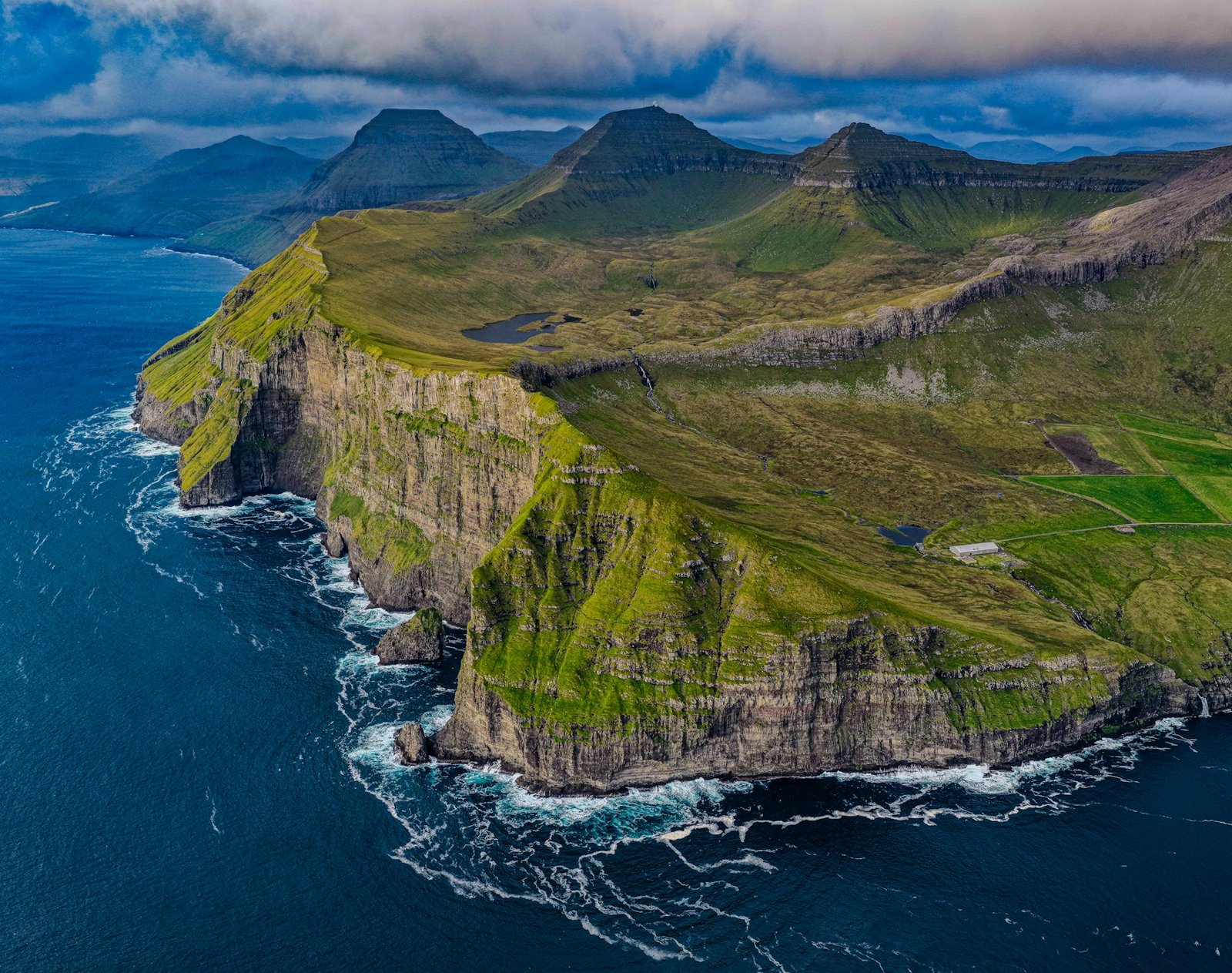
The lake-above-ocean perspective and cliffs demonstrate the islands’ layered western geology. Allow 3–4 hours. Use low wind, good visibility, and the current authorized route. Managed access or a fee may apply; check before arrival. Access charges are separate from transport. Stay well back from cliff edges and follow landowner instructions. It is best suited to hikers and photographers; visitors with little time should retain Sørvágsvatn and Trælanípa only if it stays near another priority.
Gásadalur and Múlafossur
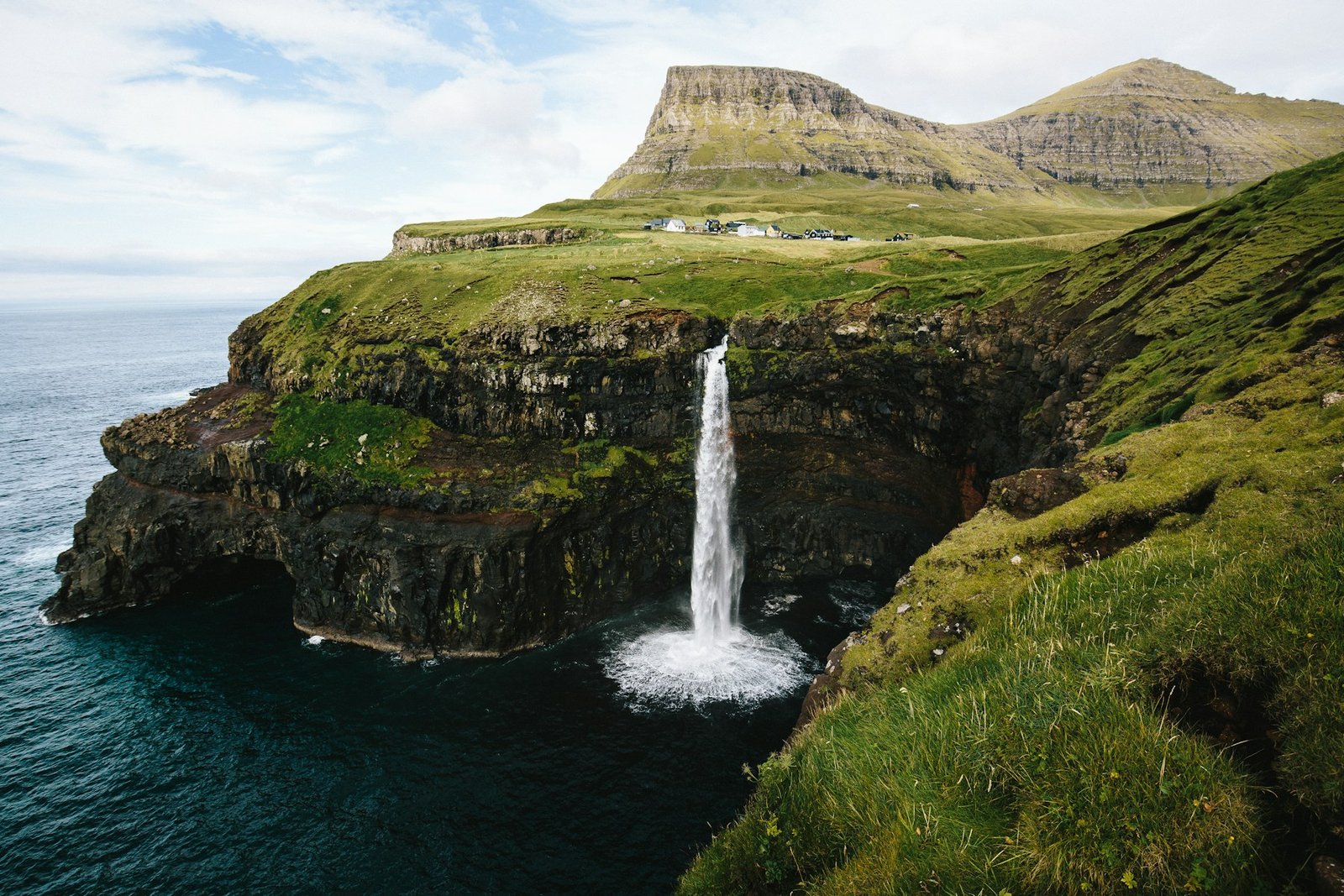
A road-accessible village and waterfall create a strong western stop without a long exposed hike. Allow 1–2 hours. Visit in a clear wind window and park only in designated areas. No normal reservation is required. Public viewpoints are generally free. Do not enter fields or private gardens for a different camera angle. It is best suited to families and shorter-walk travelers; on a short stay, keep Gásadalur and Múlafossur only when access and geography suit that day.
Saksun and Tjørnuvík
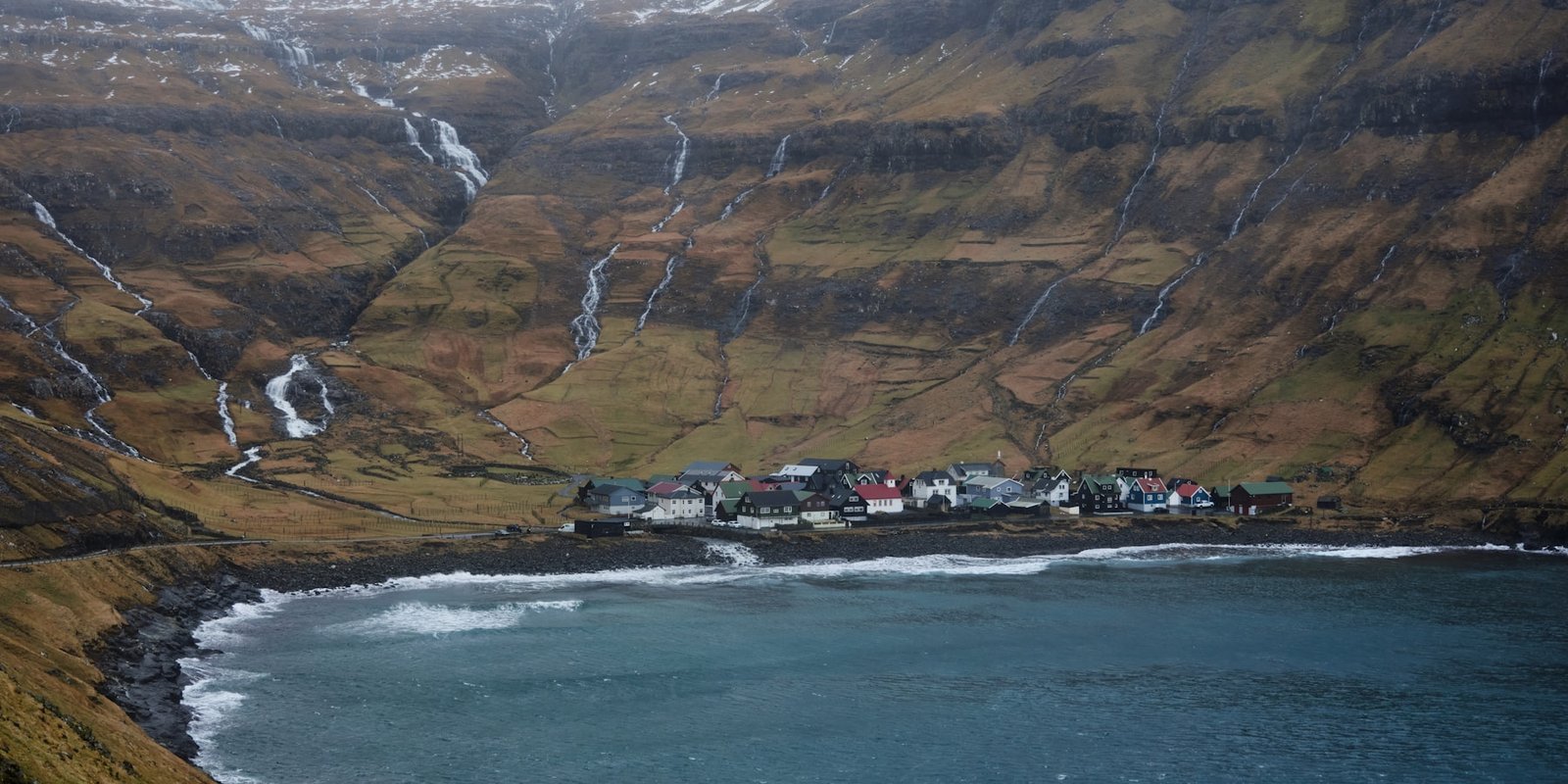
Remote northern Streymoy villages reveal tidal lagoon, black beach, and settlement scale. Allow 4–6 hours combined. Check tide, road, parking, and current walking permissions. Some land access may be regulated or paid. Village visits are free; specific trails can charge. Avoid blocking homes, farms, and emergency access. It is best suited to road-trippers and village travelers; On a short Faroe Islands visit, Saksun and Tjørnuvík should not force a cross-destination transfer.
Kalsoy
Ferry travel, narrow roads, villages, and the Kallur landscape make a memorable northern day. Allow Full day. Reserve vehicle space if required or travel as a foot passenger with a coordinated bus. Ferry and guided hike arrangements should be checked early. Transport, tunnel, and possible hiking fees are separate. Do not improvise cliff routes in fog or strong wind. It is best suited to experienced planners and hikers; time-limited visitors should add Kalsoy only when it fits the same area and current conditions.
Mykines or a weather-proof alternative
The western island is famous for seabirds and cliffs, but conservation and sea conditions control access. Allow Full day. Attempt only in the official season and calmest forecast. Advance boat and authorized access booking are essential when open. Boat, guide, and conservation fees vary. Maintain bird distance and keep a backup day on Vágar. It is best suited to birders and fit walkers; visitors with little time should retain Mykines or a weather-proof alternative only if it stays near another priority.
A PRACTICAL ROUTE
Suggested itinerary
Vágar arrival
Collect transport, shop for supplies, and use Gásadalur only if visibility and wind are suitable.
Western hikes
Walk Sørvágsvatn through its current access system and keep the afternoon flexible.
Tórshavn and Kirkjubøur
Use museums and old-town lanes with a short southern Streymoy outing.
Northern Streymoy
Drive a logical Saksun–Tjørnuvík circuit without adding distant islands.
Klaksvík and Kalsoy
Coordinate ferry, bus, and hike times before leaving the accommodation.
Northern islands
Use Viðareiði or a low-level village route in the best local forecast.
Mykines or weather buffer
Attempt the reserved island trip only if operating; otherwise use a missed western or museum day.
REALISTIC BUDGET
Estimated travel costs
Faroe Islands costs move most with May–September, booking timing, taxes, and the exact position of a room in Tórshavn. Recalculate Faroe Islands’s dollar comparison when booking. The figures here convert Danish krone (DKK) at August 1, 2026 reference rates and exclude later card charges.
TRAVEL WELL
Practical travel tips
- Check Landsverk weather, road, and tunnel information before every exposed drive.
- Treat cliff wind seriously; turn around before visibility or footing becomes unsafe.
- Confirm hiking fees, landowner rules, guides, and seasonal bird closures rather than assuming open access.
- Reserve summer flights, rental cars, Mykines transport, and limited village accommodation early.
- Shop before remote days because village stores and restaurants have short hours.
- Learn one-lane tunnel priority signs and use passing places without stopping in traffic lanes.
- Pack waterproof layers and protect cameras; umbrellas are ineffective in wind.
- Solo women should share hike and driving plans because remoteness and weather are the main risks.
COMMON QUESTIONS
Faroe Islands travel FAQ
How many days do you need in Faroe Islands?
6–8 days is a practical first-visit range for Faroe Islands. If 6–8 days is not available, keep one compact Faroe Islands base and Sørvágsvatn and Trælanípa; additional days are most useful as weather and transport buffers.
Is Faroe Islands expensive?
In Faroe Islands, a realistic daily planning range is DKK 750–1,250 (about US$116–193) budget; DKK 1,800–3,200 (about US$278–495) mid-range, per person. Costs rise fastest when a Faroe Islands trip combines the most convenient base with peak-season rooms and privately arranged outings.
Do you need a car in Faroe Islands?
A car is strongly useful for a seven-day multi-island route, although buses and ferries can support a slower Tórshavn-based visit.
What is the best month to visit Faroe Islands?
June offers very long daylight and broad services, while September can be quieter; wind and rain remain possible in every month.
Is Faroe Islands safe for solo female travelers?
The islands are generally comfortable for solo women. Weather, cliffs, and remote roads are the main hazards, so share plans and turn back early. Recheck official travel advice for Faroe Islands, then compare it with the latest conditions affecting Sørvágsvatn and Trælanípa.
What should you book in advance for Faroe Islands?
Reserve summer flights, rental cars, limited lodging, Mykines transport, vehicle ferries where required, and managed hikes.
KEEP EXPLORING
Related The Wander Muse guides
PLAN WITH CURRENT INFORMATION
Official resources
For Faroe Islands, opening hours, fares, permits, weather rules, and transport arrangements can change. Use the linked authorities to recheck Faroe Islands access, opening times, and transport before departure.