START HERE
Why visit Copenhagen
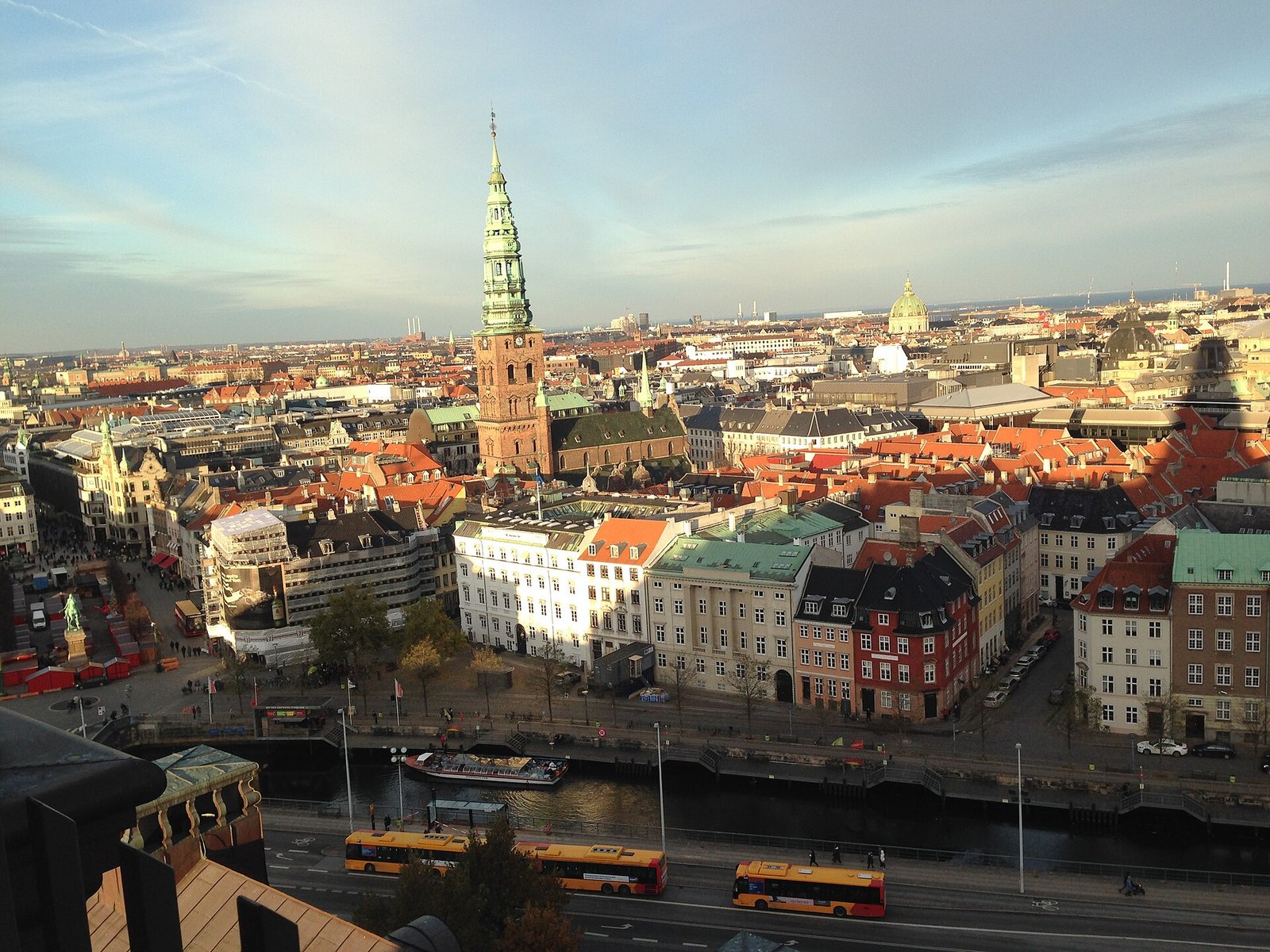
Copenhagen combines harbor swimming, royal and design history, ambitious food, cycling infrastructure, and compact neighborhoods that reward a car-free plan. It suits design, food, cycling, couples, families, architecture, canals, and rail trips and works best when National Museum or Designmuseum Danmark and Christianshavn and canal route stay on separate compact days. A first visit works best when National Museum or Designmuseum Danmark, Christianshavn and canal route, and Rosenborg and royal Copenhagen are arranged around realistic transport and weather windows. Indre By is most convenient for a first visit, Vesterbro suits food and nightlife, and Nørrebro offers neighborhood value and cultural variety. Copenhagen planning connects Copenhagen Airport (CPH) or Copenhagen Central Station, metro, Indre By, and National Museum or Designmuseum Danmark with the six-row Danish krone (DKK) budget and 4–5 days route below. Before booking Copenhagen, use the linked authorities to verify opening days, metro, and any timed entry for National Museum or Designmuseum Danmark.
AT A GLANCE
Copenhagen quick travel summary
Copenhagen prices are planning ranges rather than quotes. Before paying in Danish krone (DKK), check taxes, card charges, cancellation terms, and whether transport to National Museum or Designmuseum Danmark is included.
WHEN TO GO
Best time to visit
Spring (March–May)
Across Copenhagen, expect mild days, changeable rain, and lengthening daylight; conditions near National Museum or Designmuseum Danmark can vary. For Copenhagen, crowds and prices are moderate except around school and public holidays. For Copenhagen, this window favors National Museum or Designmuseum Danmark. Schedule it only after accounting for the fact that visitors in Copenhagen should pack a waterproof layer and expect cool mornings. Wind, rain, short winter daylight, restaurant closures, festival dates, and harbor-water quality determine how much can happen outdoors. Recheck Copenhagen weather and the operating status of National Museum or Designmuseum Danmark shortly before any weather-sensitive or reservation-dependent day.
Summer (June–August)
Across Copenhagen, expect the warmest weather and the longest usable days; conditions near Christianshavn and canal route can vary. This is the busiest and most expensive period for Copenhagen. Christianshavn and canal route is the most practical Copenhagen focus during this period. The limitation is that visitors in Copenhagen should reserve accommodation and timed attractions early. Wind, rain, short winter daylight, restaurant closures, festival dates, and harbor-water quality determine how much can happen outdoors. Recheck Copenhagen weather and the operating status of National Museum or Designmuseum Danmark shortly before any weather-sensitive or reservation-dependent day.
Autumn (September–November)
Across Copenhagen, expect cooler air, changing foliage, and shorter daylight; conditions near Rosenborg and royal Copenhagen can vary. Expect lighter crowds after early September. Rosenborg and royal Copenhagen is the most practical Copenhagen focus during this period. The limitation is that visitors in Copenhagen should check reduced hours and weather-sensitive services. Wind, rain, short winter daylight, restaurant closures, festival dates, and harbor-water quality determine how much can happen outdoors. Recheck Copenhagen weather and the operating status of National Museum or Designmuseum Danmark shortly before any weather-sensitive or reservation-dependent day.
Winter (December–February)
Across Copenhagen, expect cold conditions with the possibility of rain, snow, or storms; conditions near Louisiana Museum day trip can vary. Expect quiet periods interrupted by holiday peaks. This period creates better conditions for Louisiana Museum day trip in Copenhagen; the main drawback is that in Copenhagen, transport disruption and limited daylight require buffers. Wind, rain, short winter daylight, restaurant closures, festival dates, and harbor-water quality determine how much can happen outdoors. Recheck Copenhagen weather and the operating status of National Museum or Designmuseum Danmark shortly before any weather-sensitive or reservation-dependent day.
ARRIVING
How to get there
CPH connects to the center by frequent Metro and regional trains, with the correct choice depending on the accommodation. Mainline trains arrive at Central Station and continue across Denmark and Sweden. Buy tickets through official DOT, DSB, or Skånetrafiken channels and confirm zone coverage, airport validity, and activation. Taxis are easiest with heavy luggage but expensive. A rental car is unnecessary and adds parking and restricted-street problems. Travelers continuing to Malmö should check passport requirements and current cross-border service before departure.
MOVING AROUND
Getting around
Metro, S-train, buses, and harbor buses form a reliable network, while walking works well in central districts. Cycling is efficient only when visitors understand lane signals, hand indications, turning rules, and rush-hour flow; an inexperienced rider should choose a quiet guided route or transit instead. Compare single tickets and city products by included zones and attractions. Taxis are a backup after late hours. Group central sights, Christianshavn, Vesterbro, and Nørrebro into separate circuits to avoid needless transfers. For a 4–5 days visit, group National Museum or Designmuseum Danmark with Christianshavn and canal route, then protect Rosenborg and royal Copenhagen for the strongest weather or access window. National Museum or Designmuseum Danmark and Christianshavn and canal route belong on separate compact Copenhagen stages; that leaves room for a delayed metro connection. Accessible Copenhagen planning needs four checks: metro boarding, surfaces, restrooms, and the final approach to National Museum or Designmuseum Danmark.
CHOOSE A BASE
Where to stay
Indre By — best for first-time visitors
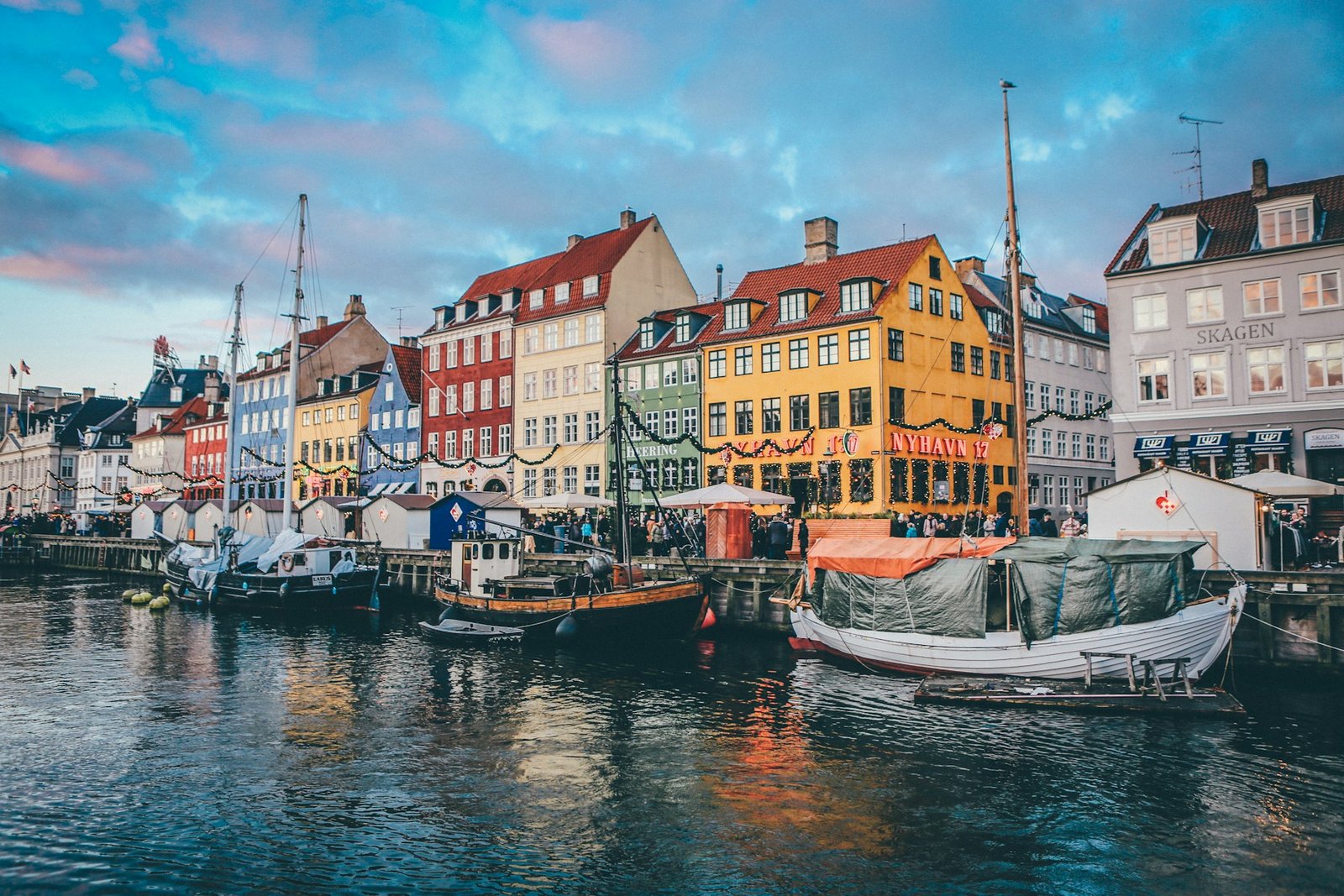
Nyhavn, museums, royal sights, pedestrian streets, and several transit lines are close. Rooms, drinks, and waterfront restaurants carry the highest premiums.
Vesterbro — best for food and nightlife
Central Station, Meatpacking District dining, and neighborhood cafés suit couples and evening-focused trips. Weekend noise and busy nightlife streets vary block by block.
Nørrebro — best for neighborhood value
Independent food, parks, multicultural streets, and frequent buses and cycling routes create a local base. Major royal sights require a short ride and late-night atmosphere differs by street.
PLAN YOUR DAYS
Best things to do
National Museum or Designmuseum Danmark
A focused national or design collection provides context before the city’s architecture and objects are explored outside. Allow 2–4 hours. Use a rainy morning and verify the weekly closing day. Official advance tickets may help for exhibitions. Paid admission and city-card coverage can vary. Choose one museum rather than rushing both. It is best suited to history, design, and family travelers; on a short stay, keep National Museum or Designmuseum Danmark only when access and geography suit that day.
Christianshavn and canal route
Canals, maritime buildings, churches, and waterfront paths reveal Copenhagen’s relationship with water. Allow 3–5 hours. Walk in daylight and use a calm-weather boat slot if desired. Canal tours should be reserved on summer weekends. Walking is free; boat fares vary. Observe local rules and photography sensitivity around residential areas. It is best suited to architecture and first-time visitors; visitors with little time should retain Christianshavn and canal route only if it stays near another priority.
Rosenborg and royal Copenhagen
Castle interiors, crown collections, gardens, and nearby streets form a compact history circuit. Allow 3–4 hours. Use an early timed entry before garden crowds. Advance official tickets are recommended in summer. Paid admission applies; gardens are generally free. Check bag restrictions before joining the security line. It is best suited to history and family travelers; time-limited visitors should add Rosenborg and royal Copenhagen only when it fits the same area and current conditions.
Louisiana Museum day trip
Art, sculpture, architecture, and Øresund views create one of the region’s strongest half-day excursions. Allow 5–7 hours including rail. Leave after morning peak and check exhibitions and closing time. Official advance admission is useful but not always mandatory. Rail and museum tickets are separate unless a product explicitly bundles them. Keep the return train and avoid adding Malmö the same day. It is best suited to art and architecture travelers; On a short Copenhagen visit, Louisiana Museum day trip should not force a cross-destination transfer.
Food market and neighborhood evening
Bakeries, seasonal produce, modern Nordic cooking, and casual halls offer a wider picture than one famous restaurant. Allow 3–5 hours. Use lunch for markets and reserve one priority dinner. Top restaurants require early booking; casual venues may queue. Cost depends strongly on alcohol and tasting menus. Respect queue systems and confirm Sunday or holiday hours. It is best suited to food travelers and couples; on a short stay, keep Food market and neighborhood evening only when access and geography suit that day.
A PRACTICAL ROUTE
Suggested itinerary
Indre By
Arrive by Metro or train, walk central streets, and keep Nyhavn to a short orientation rather than every meal.
Royal and museum day
Use Rosenborg near opening, one nearby museum, and the gardens in a compact circuit.
Christianshavn
Combine canals, architecture, and a harbor bus or reserved boat without crossing west repeatedly.
Louisiana
Take the coastal train for a focused museum day and return for dinner in the home neighborhood.
Vesterbro and Nørrebro
Use markets, parks, design shops, and one reserved meal before an easy airport connection.
REALISTIC BUDGET
Estimated travel costs
Copenhagen costs move most with May–September, booking timing, taxes, and the exact position of a room in Indre By. Copenhagen’s dollar figures use August 1, 2026 reference rates; recalculate them before payment.
TRAVEL WELL
Practical travel tips
- Use official transport apps and verify airport zones before activating a ticket.
- Do not step into a cycle lane without looking both ways; bicycles often move faster than visitors expect.
- Rent a bicycle only if comfortable with signals, turning lanes, and rush-hour traffic.
- Cards are dominant, but check foreign card and dynamic-currency-conversion prompts.
- Reserve famous restaurants, Louisiana exhibitions, and summer central rooms early.
- Pack a windproof rain layer even during a bright summer forecast.
- Swim only in designated harbor areas when official water-quality and opening notices allow it.
- Solo women generally travel comfortably; use active routes after late nightlife and secure bicycles and phones.
COMMON QUESTIONS
Copenhagen travel FAQ
How many days do you need in Copenhagen?
4–5 days is a practical first-visit range for Copenhagen. If 4–5 days is not available, keep one compact Copenhagen base and National Museum or Designmuseum Danmark; additional days are most useful as weather and transport buffers.
Is Copenhagen expensive?
In Copenhagen, a realistic daily planning range is DKK 700–1,150 (about US$108–178) budget; DKK 1,650–3,000 (about US$255–464) mid-range, per person. In Copenhagen, the biggest budget jumps usually come from room location, peak dates, private metro, and guided access to National Museum or Designmuseum Danmark.
Do you need a car in Copenhagen?
No. Metro, trains, buses, harbor buses, walking, and cycling cover the city. A car creates expensive parking and little benefit.
What is the best month to visit Copenhagen?
June often brings long daylight and active outdoor life, while May and September can offer lower pressure with cooler weather.
Is Copenhagen safe for solo female travelers?
Copenhagen is generally comfortable for solo women. Normal late-night awareness and bicycle-lane caution are the main urban considerations. Use current government guidance and destination notices—not an old booking page—to make the final Copenhagen risk check.
What should you book in advance for Copenhagen?
Reserve summer rooms, priority restaurants, canal tours, timed royal attractions, and major Louisiana exhibitions.
KEEP EXPLORING
Related The Wander Muse guides
PLAN WITH CURRENT INFORMATION
Official resources
For Copenhagen, opening hours, fares, permits, weather rules, and transport arrangements can change. Recheck current Copenhagen operating information below, especially before reserving Christianshavn and canal route.