START HERE
Why visit Banff National Park
Banff pairs glacial lakes, wildlife corridors, alpine trails, and the Icefields Parkway, but its headline landscapes now require transport reservations as much as hiking plans. It suits mountain lakes, hiking, wildlife, road trips, families, couples, and photography and works best when Moraine Lake and Lake Louise stay on separate compact days. A first visit works best when Moraine Lake, Lake Louise, and Icefields Parkway are arranged around realistic transport and weather windows. Banff town is the easiest transit base, Lake Louise improves early mountain access, and Canmore often offers more room choices outside the park boundary. Banff National Park planning connects Calgary International Airport (YYC), about 130 km from Banff town, parks canada shuttle, Banff town, and Moraine Lake with the six-row Canadian dollar (CAD) budget and 4–6 days route below. Before booking Banff National Park, use the linked authorities to verify opening days, parks canada shuttle, and any timed entry for Moraine Lake.
AT A GLANCE
Banff National Park quick travel summary
Banff National Park prices are planning ranges rather than quotes. Before paying in Canadian dollar (CAD), check taxes, card charges, cancellation terms, and whether transport to Moraine Lake is included.
WHEN TO GO
Best time to visit
Early summer (June–July)
Across Banff National Park, expect long daylight, fresh green valleys, and trails opening progressively; conditions near Moraine Lake can vary. Crowds and prices are high around headline viewpoints. This period creates better conditions for Moraine Lake in Banff National Park; the main drawback is that in Banff National Park, snow may remain on high routes and lift schedules can change. Moraine Lake private-vehicle restrictions, Lake Louise access rules, wildfire smoke, snow, and avalanche control can change the route. Recheck Banff National Park weather and the operating status of Moraine Lake shortly before any weather-sensitive or reservation-dependent day.
Late summer (August–September)
Across Banff National Park, expect generally stable hiking weather with cooler nights later; conditions near Lake Louise can vary. For Banff National Park, crowds and prices are high in August, then easing into September. For Banff National Park, this window favors Lake Louise. Schedule it only after accounting for the fact that in Banff National Park, afternoon storms and sold-out transport still require planning. Moraine Lake private-vehicle restrictions, Lake Louise access rules, wildfire smoke, snow, and avalanche control can change the route. Recheck Banff National Park weather and the operating status of Moraine Lake shortly before any weather-sensitive or reservation-dependent day.
Shoulder season (May and October)
Across Banff National Park, expect rapidly changing conditions between valley and summit; conditions near Icefields Parkway can vary. Crowds and prices are lower, though fewer services operate. For Banff National Park, this window favors Icefields Parkway. Schedule it only after accounting for the fact that in Banff National Park, some lifts, roads, and trails close between seasons. Moraine Lake private-vehicle restrictions, Lake Louise access rules, wildfire smoke, snow, and avalanche control can change the route. Recheck Banff National Park weather and the operating status of Moraine Lake shortly before any weather-sensitive or reservation-dependent day.
Winter (November–April)
Across Banff National Park, expect snow, short daylight, and true mountain weather; conditions near Johnston Canyon can vary. For Banff National Park, crowds and prices are highest during ski weeks and holidays. Johnston Canyon is the most practical Banff National Park focus during this period. The limitation is that in Banff National Park, summer itineraries cannot simply be repeated in winter. Moraine Lake private-vehicle restrictions, Lake Louise access rules, wildfire smoke, snow, and avalanche control can change the route. Recheck Banff National Park weather and the operating status of Moraine Lake shortly before any weather-sensitive or reservation-dependent day.
ARRIVING
How to get there
Calgary is the main gateway, with scheduled coaches and rental cars reaching Banff in roughly two hours depending on traffic and weather. There is no passenger rail service designed for ordinary park transfers. A car helps on the Icefields Parkway, but visitors focused on Banff town, Lake Louise, and Moraine Lake can build the trip around Roam Transit and Parks Canada shuttles. Buy park admission through Parks Canada, reserve lake transportation only through recognized systems, and never assume a private vehicle can drive to Moraine Lake. Winter drivers need a compliant vehicle, appropriate tires, and current highway information.
MOVING AROUND
Getting around
Roam Transit links Banff, Canmore, Lake Louise, and selected attractions, while official shuttles manage access to the busiest lakes. Banff town itself is walkable and has seasonal cycling options. A rental car provides control for sunrise trailheads and the Icefields Parkway but creates parking competition and wildlife-traffic delays. Taxis and rideshare coverage are limited outside towns. Never stop in a traffic lane for wildlife; use a legal pullout, remain inside the vehicle when directed, and maintain the distance required by park rules. For a 4–6 days visit, group Moraine Lake with Lake Louise, then protect Icefields Parkway for the strongest weather or access window. Moraine Lake and Lake Louise belong on separate compact Banff National Park stages; that leaves room for a delayed parks canada shuttle connection. Accessible Banff National Park planning needs four checks: parks canada shuttle boarding, surfaces, restrooms, and the final approach to Moraine Lake.
CHOOSE A BASE
Where to stay
Banff town — best for first-time visitors and transit
Restaurants, shops, Roam routes, and trail access create the easiest car-light base. Rooms and parking are expensive, and the center is busy on summer evenings.
Lake Louise village — best for early lake and hiking access
Staying nearby reduces morning transfer time and suits visitors prioritizing one major lake hike. Dining, groceries, and affordable rooms are limited, while Moraine access still requires approved transport.
Canmore — best for room choice and a local-town feel
A larger supply of apartments, food, and services can improve value for groups and longer stays. It lies outside the park and daily travel adds time; park admission is still required when entering Banff.
PLAN YOUR DAYS
Best things to do
Moraine Lake
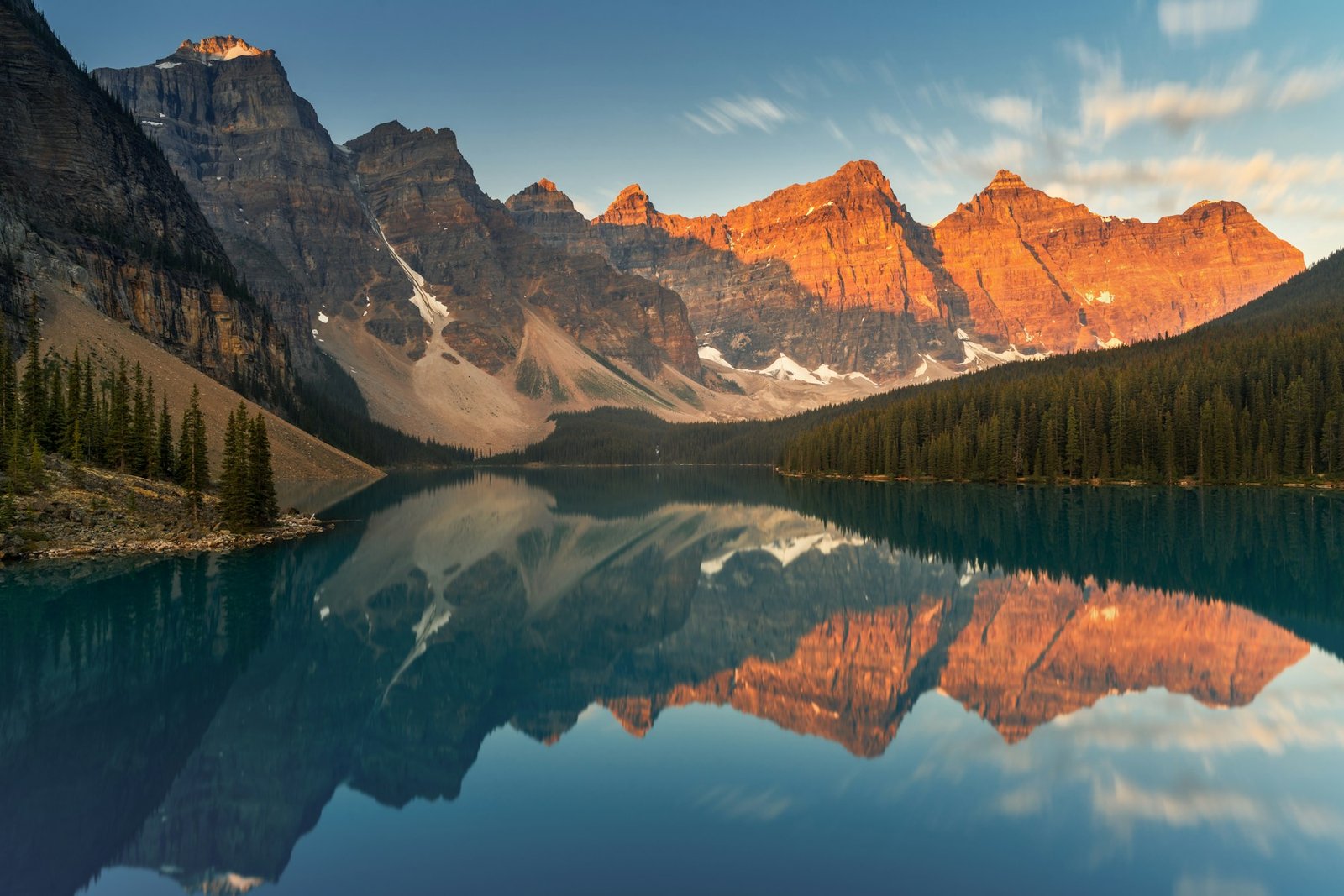
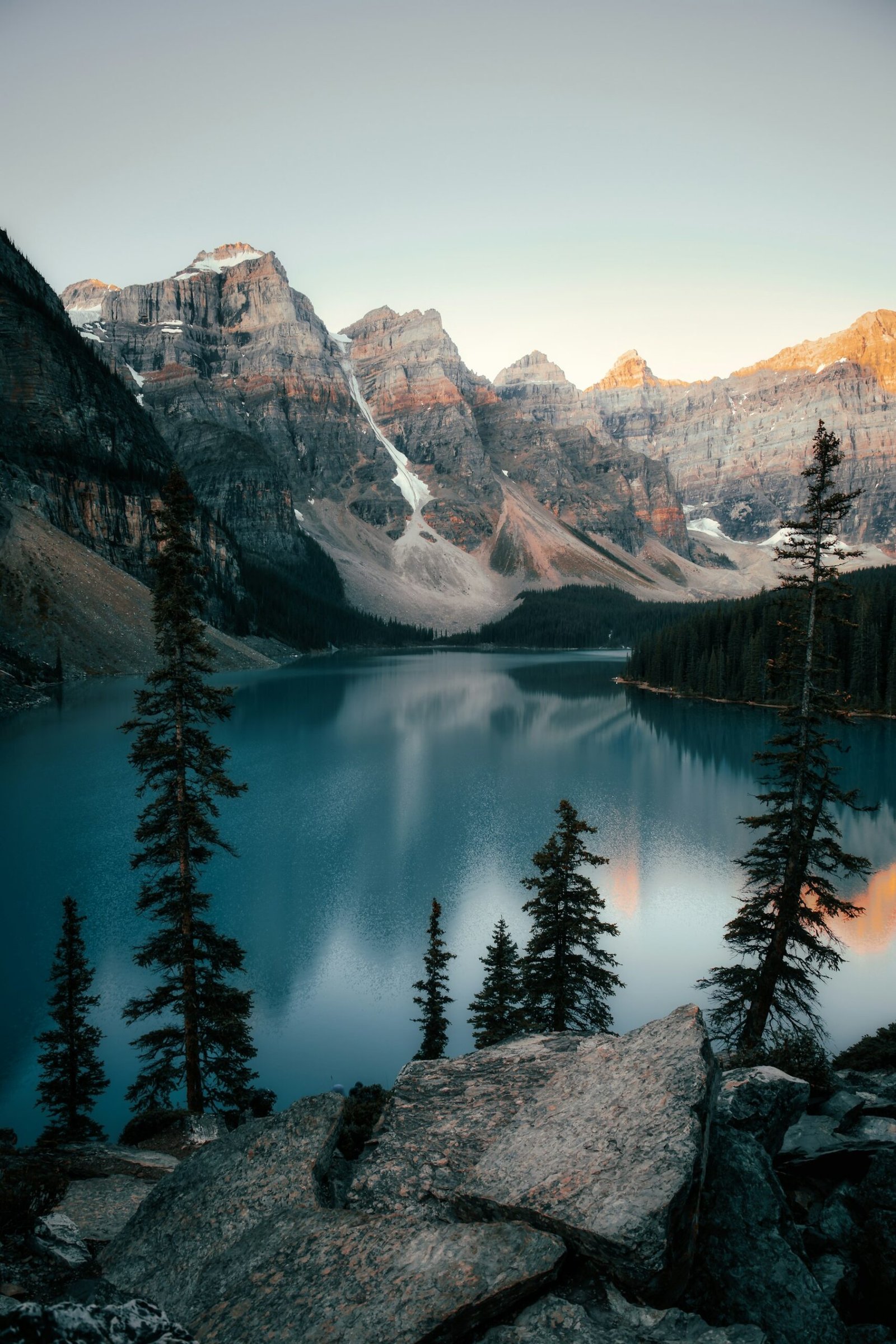
The Valley of the Ten Peaks surrounds one of Canada’s most recognizable turquoise lakes. Allow 3–5 hours. Use an early official shuttle and choose a clear day. Approved transport must be reserved; private vehicles are generally not permitted. Transport and park admission are separate costs. Stay on established paths and carry bear spray correctly for longer hikes. It is best suited to first-time visitors, hikers, and photographers; on a short stay, keep Moraine Lake only when access and geography suit that day.
Lake Louise
The lakefront is only the beginning; lakeshore and teahouse routes reveal more space and changing perspectives. Allow 3–7 hours. Arrive by reserved transit early and avoid stopping only for a photograph. Shuttle or transit reservation is strongly recommended in peak season. Park admission, transport, and any teahouse purchase are separate. Choose a hike matched to fitness and current trail status. It is best suited to families, hikers, and classic-scenery travelers; visitors with little time should retain Lake Louise only if it stays near another priority.
Icefields Parkway
The highway links glacier viewpoints, waterfalls, lakes, and trailheads between Lake Louise and Jasper. Allow Full day one way or a carefully limited return trip. Drive in daylight and check closures, fuel, construction, and wildfire conditions. No road reservation is normally needed, but commercial attractions may require one. Park admission applies and fuel is limited. Do not attempt every pullout; select a few stops and keep a turnaround time. It is best suited to road-trippers and landscape photographers; time-limited visitors should add Icefields Parkway only when it fits the same area and current conditions.
Johnston Canyon
Boardwalks enter a narrow limestone canyon with waterfalls and seasonal ice. Allow 2–4 hours. Go early or use transit to reduce parking pressure. Reservation depends on transport; guided winter ice walks should be booked. Trail access is included with park admission; tours cost extra. Wear traction in icy conditions and do not climb beyond barriers. It is best suited to families and moderate walkers; On a short Banff National Park visit, Johnston Canyon should not force a cross-destination transfer.
Banff town and Bow River
Riverside paths, museums, hot-spring history, and mountain views provide a valuable lower-intensity day. Allow 2–5 hours. Use an arrival day or poor high-elevation forecast. Timed attractions may need booking, while public paths do not. Walks are free; museums and gondola tickets vary. Use transit for the gondola corridor rather than searching for parking. It is best suited to car-free visitors and recovery days; on a short stay, keep Banff town and Bow River only when access and geography suit that day.
A PRACTICAL ROUTE
Suggested itinerary
Banff town and river
Arrive from Calgary, obtain park admission, learn the Roam stops, and use a low-intensity Bow River or museum walk.
Moraine Lake and Lake Louise
Use reserved transport, prioritize one lake and one meaningful trail, and avoid commuting back and forth between the two shorelines.
Johnston Canyon and Bow Valley
Start early at the canyon, then add one Bow Valley viewpoint while leaving wildlife and traffic delays in the schedule.
Icefields Parkway
Drive only as far as a safe return allows or continue north with accommodation; select a small number of glacier and waterfall stops.
Weather buffer or Banff high point
Use the clearest remaining window for a gondola or longer trail, or recover with town paths and hot-spring history before departure.
REALISTIC BUDGET
Estimated travel costs
Banff National Park costs move most with Late June–September; January–March for winter activities, booking timing, taxes, and the exact position of a room in Banff town. Banff National Park’s dollar figures use August 1, 2026 reference rates; recalculate them before payment.
TRAVEL WELL
Practical travel tips
- Reserve official Moraine Lake and Lake Louise transport as soon as the relevant booking window opens.
- Carry bear spray where recommended, know how to use it, and follow Parks Canada wildlife-distance rules.
- Check Alberta 511 and Parks Canada bulletins for road, wildfire, smoke, avalanche, and trail conditions.
- Never stop in a live traffic lane or approach wildlife for a photograph.
- Pack layers, rain protection, sun protection, water, and food even for a short lake visit.
- Fill fuel before the Icefields Parkway and save offline maps because mobile coverage is unreliable.
- Use bear-proof food storage and leave no food or scented item unattended at a picnic area.
- Solo hikers should share the route, choose established trails, and avoid treating a busy trailhead as proof that conditions are safe.
COMMON QUESTIONS
Banff National Park travel FAQ
How many days do you need in Banff National Park?
4–6 days is a practical first-visit range for Banff National Park. If 4–6 days is not available, keep one compact Banff National Park base and Moraine Lake; additional days are most useful as weather and transport buffers.
Is Banff National Park expensive?
In Banff National Park, a realistic daily planning range is CAD 170–280 (about US$121–200) budget; CAD 350–650 (about US$249–463) mid-range, per person. In Banff National Park, the biggest budget jumps usually come from room location, peak dates, private parks canada shuttle, and guided access to Moraine Lake.
Do you need a car in Banff National Park?
A car helps for the Icefields Parkway but is not essential for Banff town and the headline lakes. Roam and official shuttles can support a strong car-light itinerary.
What is the best month to visit Banff National Park?
September often brings cooler hiking weather and somewhat lighter weekday crowds, but early snow and limited seasonal services are possible.
Is Banff National Park safe for solo female travelers?
Banff is widely visited by solo women, but wildlife and mountain conditions matter more than urban crime on trails. Carry the right safety equipment and share the route. Use current government guidance and destination notices—not an old booking page—to make the final Banff National Park risk check.
What should you book in advance for Banff National Park?
Reserve summer accommodation, lake shuttles, popular campgrounds, guided activities, and any premium gondola time that anchors the plan.
KEEP EXPLORING
Related The Wander Muse guides
PLAN WITH CURRENT INFORMATION
Official resources
For Banff National Park, opening hours, fares, permits, weather rules, and transport arrangements can change. Use the linked authorities to recheck Banff National Park access, opening times, and transport before departure.